Find the Best Geothermal Heat Pump Contractors for Your Business
No obligation • Fast responses • Nationwide coverage

Why you can trust HVAC Firms
HVAC Firms is a leading United States resource for evaluating HVAC service providers. Our team researches companies, checks credentials, and reviews customer feedback to present clear, unbiased information. Listings and rankings are based on merit, and companies cannot pay to change our editorial content.
Search providers near you
Top Geothermal Heat Pump Contractors in Woodland, California Ranked
A geothermal heat pump is a highly efficient home comfort system that leverages the stable temperature of the earth to heat and cool your property. For Woodland residents, this technology offers a powerful way to reduce energy bills and environmental impact while ensuring year-round comfort. This guide explains how ground-source heat pumps work, what installation involves, and how you can find qualified local experts to evaluate your home's potential for this sustainable upgrade.
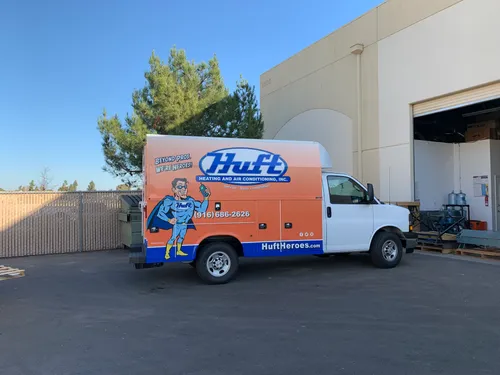
Huft Home Services Elk Grove
10103 Iron Rock Way, Elk Grove, CA 95624
Huft Home Services Elk Grove provides heating and cooling solutions in Sacramento, CA. They offer repair, installation, replacement, and maintenance services for a wide range of HVAC equipment including air conditioners, furnaces, heat pumps, boilers, mini splits, and geothermal heat pumps. The company is known for clear pricing and experienced technicians who provide advice tailored to each home's needs. Huft Home Services has been a preferred provider in the area for many years.
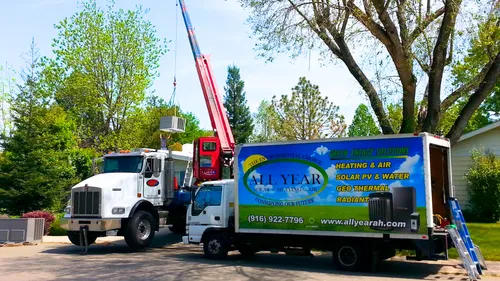
All Year Heating and Air
801 Plaza Ave, Sacramento, CA 95815
All Year Heating and Air is an HVAC contractor based in Sacramento, CA, serving Sacramento and surrounding counties including El Dorado and Placer. They provide a range of services such as heating, air conditioning, heat pump, geothermal system installation and repair, as well as duct cleaning and indoor air quality solutions. The company offers home performance assessments and specializes in high-efficiency systems integrated with solar energy options. Their capabilities include servicing gas, electric, and hybrid heating systems, and performing air duct cleaning to improve indoor air quality. They also supply and design solar energy equipment tailored to local homes and businesses.
How Geothermal Systems Work: Tapping into Earth's Constant Energy
Unlike traditional air-source heat pumps or furnaces that exchange heat with the outside air, a geothermal system, also known as a ground-source heat pump (GSHP), uses the earth as its heat source in winter and its heat sink in summer. The key to its efficiency lies in the ground's remarkably stable temperature. In the Woodland area, just a few feet below the surface, the earth maintains a consistent temperature between 50°F and 60°F year-round, regardless of the sweltering summer heat or chilly winter nights 1.
The system operates by circulating a water-based solution through a loop of pipes buried underground. In heating mode, the fluid absorbs the earth's thermal energy and carries it to the heat pump unit inside your home. The heat pump then concentrates this energy and transfers it to your home's air or hydronic distribution system. For cooling, the process simply reverses: the system extracts heat from your indoor air and transfers it into the cooler ground loop 2 3 4. This elegant exchange with a constant temperature source is what allows geothermal heat pumps to achieve efficiencies of 300-400%, meaning they deliver three to four units of energy for every one unit of electricity they consume 5.
Types of Ground Loop Systems for Woodland Properties
The underground pipe network, or ground loop, is the heart of the system. The right configuration for your Woodland home depends on your lot size, soil composition, and local geology. There are three primary types of loops.
Closed-Loop Systems are the most common for residential installations. They continuously circulate the same fluid in a sealed, high-density polyethylene pipe loop.
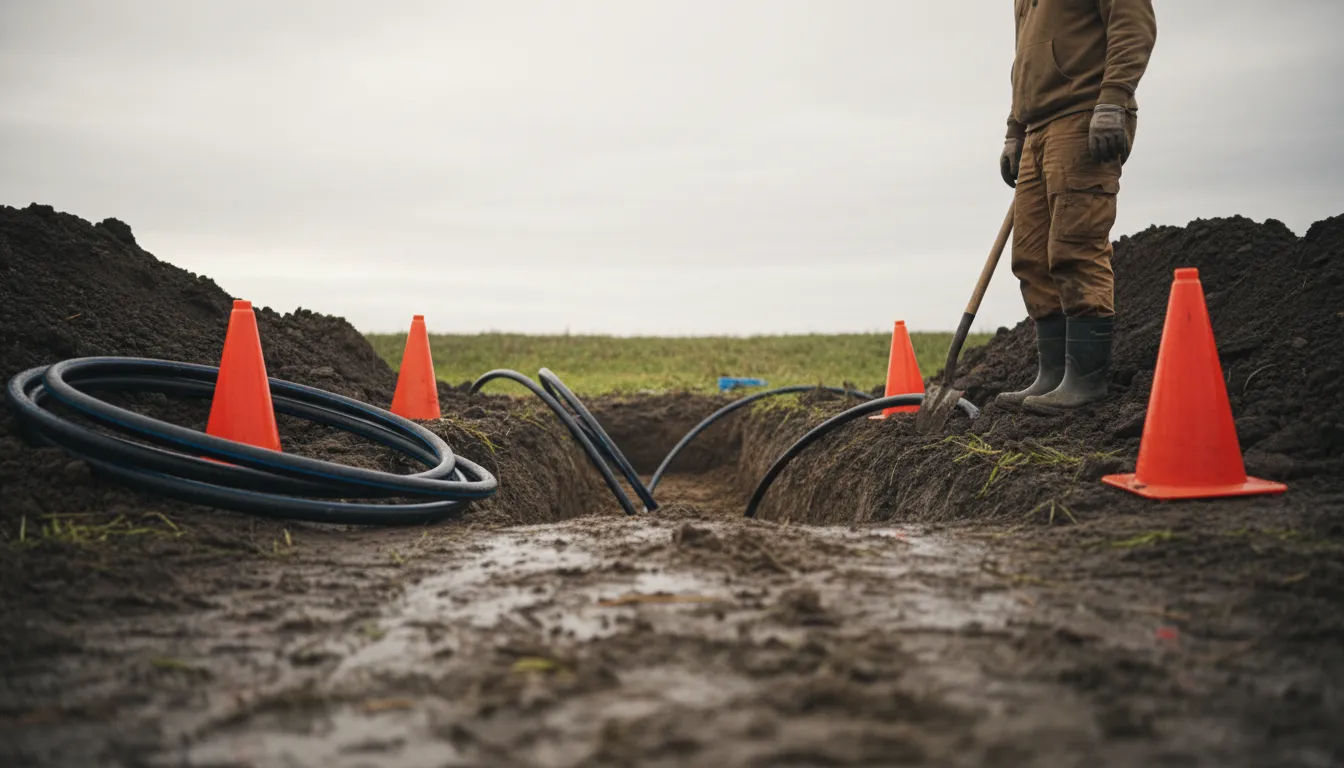
- Horizontal Loops: These are installed in trenches typically 4 to 6 feet deep. This option requires a larger amount of available land but is often more cost-effective for new construction projects where the yard can be easily excavated 6 7.
- Vertical Loops: For properties with limited space, like many urban or suburban lots in Woodland, vertical loops are the standard solution. Boreholes are drilled 150 to 500 feet deep, and U-shaped loop pipes are inserted and grouted for optimal heat transfer. While drilling can increase upfront costs, it minimizes landscape disturbance 8 9.
Open-Loop Systems use groundwater from a well or a pond as the direct heat exchange fluid. After passing through the heat pump, the water is returned to the ground via a discharge well or released on the surface. This system can be highly efficient but requires a sufficient, sustainable water source and compliance with local codes regarding water use.
The Installation Process: From Assessment to Comfort
Installing a geothermal heating and cooling system is a significant project that requires careful planning and professional expertise. Understanding the steps can help you prepare.
- Site Evaluation and Design: A qualified installer will first conduct a thorough assessment of your property. This includes evaluating soil conditions, available space, and your home's heating and cooling loads to determine the optimal loop type and size. This design phase is critical for long-term system performance and efficiency.
- Ground Loop Installation: This is the most distinctive phase. For a horizontal system, trenches are dug across the yard. For a vertical system, a drilling rig creates the necessary boreholes. The loop pipes are then placed, connected, and pressure-tested to ensure integrity before being buried or grouted.
- Indoor Unit and Distribution Connection: The geothermal heat pump unit-which is compact and quiet-is installed indoors, often in a basement, utility closet, or garage. It is then connected to your home's existing ductwork for forced-air distribution or to a hydronic system like radiant floor tubing 10.
- System Startup and Commissioning: Finally, the loop is connected to the heat pump, the system is charged, and all electrical and control connections are made. The contractor will test and balance the entire system to ensure it operates at peak efficiency.
Find the perfect geothermal heat pump contractors for your needs
Get personalized recommendations and expert advice
Financial Benefits: Savings, Payback, and Incentives
The primary advantage of a geothermal heat pump is its dramatic impact on operating costs. Homeowners can reduce their energy bills for heating and cooling by up to 65% compared to conventional systems like standard air conditioners and electric furnaces 11 12. While the upfront installation cost is higher-a typical 3-ton residential system in Woodland might range from $20,000 to $40,000 or more-the significantly lower monthly utility bills lead to a compelling financial payback 11 13.
The payback period, the time it takes for energy savings to equal the initial investment, often falls between 5 and 8 years, depending on your specific energy usage, local utility rates, and the system installed 14. Furthermore, these systems are renowned for their durability. The underground loops often carry warranties of 50 years and can last generations, while the indoor heat pump unit typically lasts 20 years or more, much longer than conventional outdoor AC condensers.
To improve affordability, substantial incentives are available. The federal government offers a tax credit for qualifying geothermal heat pump installations, which can directly reduce your tax liability 15. It's essential to consult with your installer and check resources like the California Geothermal Heat Pump Association and the U.S. Department of Energy for the most current incentive information 16 15.
Is a Geothermal System Right for Your Home?
Ground-source heat pumps are a versatile technology suitable for many homes, but they are an especially smart investment for certain situations. They are ideal for homeowners planning to stay in their property long enough to realize the full savings payback. They are also perfect for new construction projects, where the ground loop can be integrated into the site work efficiently. Even for existing homes with sufficient yard space or access for drilling equipment, retrofits are very common and successful.
When considering geothermal, also think about your current heating fuel. If you heat with expensive propane or electricity, the savings will be more immediate and pronounced. Lastly, for environmentally conscious residents, this is one of the cleanest and most efficient comfort technologies available, drastically reducing your home's carbon footprint.
Finding a Qualified Local Expert
Selecting the right contractor is the most important step in your geothermal journey. Look for companies with specific experience in designing and installing ground-source heat pump systems, not just general HVAC work. They should be able to conduct a detailed Manual J load calculation for your home and provide a clear, written proposal outlining the loop design, equipment specifications, projected efficiency, and a complete breakdown of costs and available rebates. Checking references and verifying certifications from organizations like the International Ground Source Heat Pump Association (IGSHPA) can provide additional confidence in your choice.
Frequently asked questions
Sources
Footnotes
-
Geothermal (Ground Source) Heat Pumps - NY.gov - https://cleanheat.ny.gov/geothermal-heat-pumps/ ↩
-
How Geothermal Heating and Cooling Systems Work | Belle Air - https://www.belleairservices.com/how-geothermal-heating-and-cooling-systems-work/ ↩
-
Harnessing The Earth's Power: An Introduction To Geothermal Heating And Cooling In Overland Park - Climate Control Heating and Cooling,Inc. - https://www.climatecontrolkc.com/blog/heating/introduction-to-geothermal-heating-and-cooling/ ↩
-
Geothermal heat pumps - U.S. Energy Information Administration (EIA) - https://www.eia.gov/energyexplained/geothermal/geothermal-heat-pumps.php ↩
-
5 Things You Should Know about Geothermal Heat Pumps - https://www.energy.gov/cmei/articles/5-things-you-should-know-about-geothermal-heat-pumps ↩
-
How Does A Geothermal Heat Pump Work? Complete 2025 Guide - https://solartechonline.com/blog/how-does-geothermal-heat-pump-work/ ↩
-
Geothermal Installation Steps Explained - https://ultrageothermal.com/geothermal-installation-steps-explained/ ↩
-
Geothermal Heat Pumps, Explained - Bosch Home Comfort - https://www.bosch-homecomfort.com/us/en/residential/connect/blog/geothermal-heat-pumps-go-green-save-green/ ↩
-
All You Need to Know About Home Geothermal Heating & ... - https://dandelionenergy.com/all-you-need-to-know-about-home-geothermal-heating-cooling ↩
-
FAQs • What types of ground-source heat pumps and configurat - https://concordma.gov/FAQ.aspx?QID=484 ↩
-
Guide to Geothermal Heat Pumps - https://www.energy.gov/sites/prod/files/guide_to_geothermal_heat_pumps.pdf ↩ ↩2
-
Civil Engineering - https://engineering.fresnostate.edu/civil-geomatics/documents/Groundsource%20Heat%20Pumps%20in%20the%20Central%20Valley.pdf ↩
-
Geothermal Heat Pump Guide: Installation Costs, Types And Benefits - https://modernize.com/hvac/heating-repair-installation/heat-pump/geothermal ↩
-
Geothermal Heat Pumps - EnergySmart CNY - https://www.energysmartcny.org/heat-pumps/geothermal/ ↩
-
The California Buyers Guide to Geothermal Heat Pump Systems - https://www.californiageo.org/wp-content/uploads/CA-Buyers-Guide-for-Geothermal-HP-revised-12-13-24.pdf ↩ ↩2
-
Geothermal Heat Pumps - Department of Energy - https://www.energy.gov/energysaver/geothermal-heat-pumps ↩