Find the Best Geothermal Heat Pump Contractors for Your Business
No obligation • Fast responses • Nationwide coverage

Why you can trust HVAC Firms
HVAC Firms is a leading United States resource for evaluating HVAC service providers. Our team researches companies, checks credentials, and reviews customer feedback to present clear, unbiased information. Listings and rankings are based on merit, and companies cannot pay to change our editorial content.
Search providers near you
Top Geothermal Heat Pump Contractors in Stockton, California Ranked
Geothermal heat pumps, also known as ground-source heat pumps, are a highly efficient method for heating and cooling your home by leveraging the Earth's stable underground temperature. For Stockton residents, this technology offers a powerful way to reduce energy bills and environmental impact while ensuring year-round comfort. This guide will help you understand how these systems work, what installation entails, and how to connect with qualified local professionals who can assess your property for a geothermal solution.
Cam's Heating & Air
5300 Claus Rd Bldg 34a, Riverbank, CA 95367
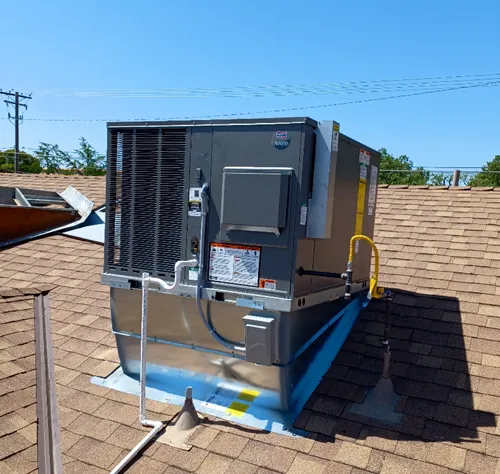
Cam's Heating & Air provides HVAC installation, repair, and maintenance services in Stockton, CA. They handle a variety of systems including air conditioners, furnaces, heat pumps, boilers, mini splits, and geothermal heat pumps. Their services focus on ensuring efficient performance and lasting comfort through expert installations and regular tune-ups.
Fairview Heating & Air Conditioning Inc.
100 Brownstone Rd, Oakley, CA 94561
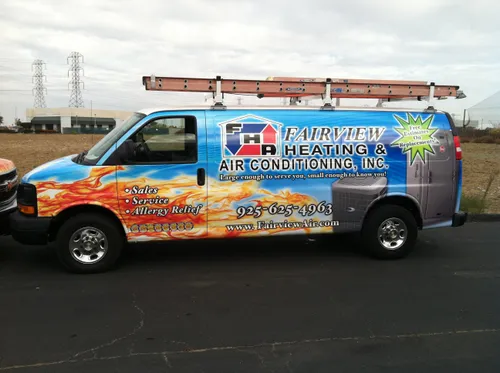
Fairview Heating & Air Conditioning Inc. is an HVAC contractor based in Oakland, CA, offering a range of services including air conditioning repair and installation, furnace and heat pump services, indoor air quality improvements, and ductless mini-split system installations. They provide solutions tailored to the local climate, including American-made equipment designed for East County conditions. With over 30 years of experience maintaining and installing HVAC systems, Fairview also addresses new energy efficiency standards affecting heating equipment in California. Their services include advanced capabilities such as air scrubbers and ultraviolet lights to enhance indoor air quality.
Best HVAC
Stockton, CA
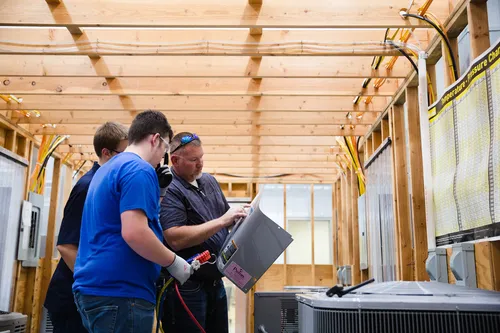
Best HVAC is an HVAC company serving Stockton, CA, and the surrounding areas, including Modesto. They provide a wide range of services such as air conditioning installation, repair, and maintenance, heating system services including furnaces, heat pumps, ductless mini splits, and geothermal systems, as well as indoor air quality solutions like duct cleaning and air purifier installation. The company also offers commercial HVAC services, including new system installation and maintenance programs. With over 25 years of experience, Best HVAC emphasizes problem-solving and offers a lifetime warranty on new system installations.
How Geothermal Systems Work: Harnessing the Earth's Energy
A geothermal heating and cooling system doesn't create heat by burning fuel; instead, it moves heat from one place to another. This fundamental difference is the key to its remarkable efficiency. The system consists of three main parts: the ground loop (a network of pipes buried in your yard), the heat pump unit (typically located indoors), and the distribution system (your existing ductwork or radiant heating pipes).
In the winter, a fluid circulating through the underground loop absorbs the Earth's consistent warmth, which is typically between 50°F and 60°F in our region year-round 1. This slightly warmed fluid is brought into the heat pump, where a compressor concentrates the heat and transfers it to air or water that is then distributed throughout your home. In the summer, the process reverses: the system extracts heat from your indoor air and transfers it into the cooler ground loop, effectively providing air conditioning. Because it's moving existing heat rather than generating it through combustion, a geothermal heat pump can deliver over four units of heating or cooling energy for every one unit of electrical energy it consumes.
Types of Ground Loops for Stockton Properties
The heart of any geothermal system is its ground loop. The right configuration for your Stockton home depends on your lot size, soil composition, and local geology. There are two primary categories: closed-loop and open-loop systems.
Closed-Loop Systems (Most Common) These systems continuously circulate a water-based antifreeze solution through a sealed, buried pipe network. There are two main configurations:
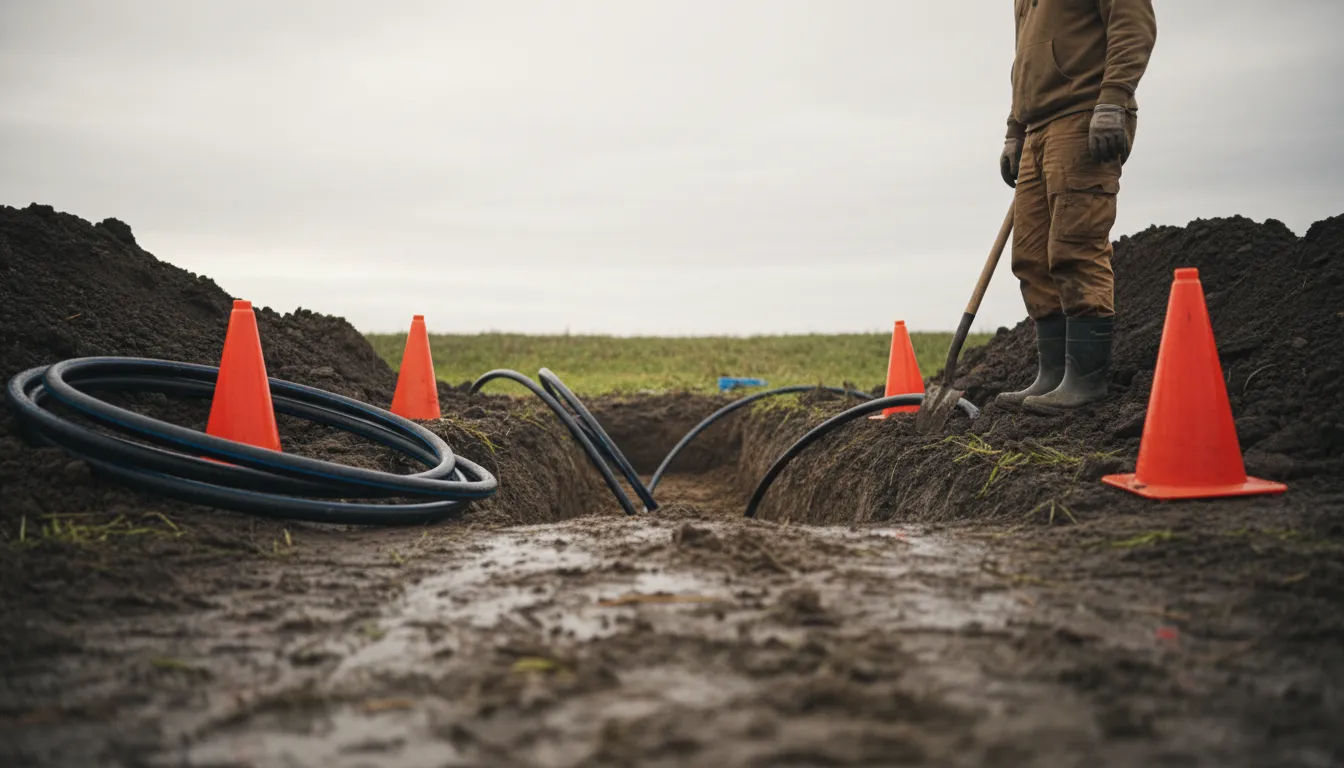
- Horizontal Closed Loop: Pipes are laid in trenches 4 to 6 feet deep. This is often the most cost-effective installation method but requires a significant amount of land-typically between a quarter to three-quarters of an acre 2. This can be a good fit for many properties in the Stockton area.
- Vertical Closed Loop: For homes with smaller yards, contractors drill boreholes 150 to 450 feet deep and insert U-shaped loops of pipe. While drilling increases upfront costs, it minimizes land use and can be more efficient in certain soil types 3.
Open-Loop Systems This configuration uses groundwater from a well or a surface water body like a pond as the heat exchange fluid. After passing through the heat pump, the water is returned to a second well, a recharge basin, or the original pond 4 5. An open-loop system requires an adequate supply of clean water and must comply with local codes regarding water discharge. A site-specific assessment by a qualified installer is essential to determine feasibility.
Is Your Stockton Property a Good Candidate?
Before investing in a ground-source heat pump, a professional site evaluation is crucial. Local installers will consider several key factors:
- Land Availability: Do you have sufficient space for horizontal trenching, or will your system require vertical drilling? The available square footage directly impacts the design and cost of the loop field 6.
- Soil and Rock Conditions: The thermal conductivity of your soil-how well it transfers heat-affects loop length and system efficiency. A geotechnical assessment can identify the composition (clay, sand, rock) and determine drilling difficulty if a vertical system is needed.
- Existing Infrastructure: The condition and design of your home's ductwork or hydronic (water-based) heating system will be evaluated. In some cases, upgrades or modifications may be recommended to optimize performance with the new geothermal heat pump.
- Local Climate & Utility Rates: Stockton's climate, with its hot summers and mild winters, is well-suited for geothermal. The system provides highly efficient cooling when it's hot and effective, low-cost heating during cooler months. The potential savings are magnified when replacing an older, less efficient conventional HVAC system or electric resistance heat 7.
Find the perfect geothermal heat pump contractors for your needs
Get personalized recommendations and expert advice
The Installation Process and Long-Term Value
Installing a geothermal system is a significant project that involves excavation, plumbing, electrical work, and HVAC expertise. A reputable local contractor will manage the entire process, which typically includes:
- Comprehensive Site Design: Creating a detailed plan for the loop field and indoor unit placement.
- Loop Field Installation: Excavating trenches or drilling boreholes and installing the high-density polyethylene piping.
- System Connection: Installing the indoor heat pump unit and connecting it to the ground loop and your home's distribution system.
- Testing & Commissioning: Charging the system, checking for leaks, and calibrating it for optimal performance.
The upfront investment for a residential geothermal system is higher than for a conventional air conditioner and furnace, often ranging from $20,000 to $40,000 or more, depending on system size and site conditions 8 9. However, this cost is offset by substantial long-term benefits:
- Dramatic Energy Savings: Geothermal heat pumps can reduce energy consumption for heating and cooling by 25% to 65% compared to conventional systems 10 11. For many homeowners, this translates to a payback period on the initial investment within 5 to 10 years through lower utility bills.
- Durability and Low Maintenance: The underground piping (the ground loop) often comes with warranties of 50 years or more and can last generations. The indoor heat pump unit typically has a lifespan of 20-25 years, which is longer than standard air conditioners.
- Increased Home Comfort: These systems provide consistent, even heating and cooling without the drafts or hot/cold spots common with forced-air systems. They also operate very quietly and can provide superior humidity control in the summer.
- Environmental Benefits: By using renewable thermal energy from the ground and electricity more efficiently, a geothermal system significantly reduces your home's carbon footprint and reliance on fossil fuels.
Financial Incentives and Rebates
To encourage the adoption of clean energy technologies, several financial incentives can make geothermal more affordable. These include:
- Federal Tax Credits: The federal Residential Clean Energy Credit can cover a significant percentage of the total installed cost of a qualifying geothermal heat pump system, including labor and site work.
- Local Utility Rebates: It's worth checking with providers like PG&E for any available rebates or special loan programs for energy-efficient upgrades.
- Increased Home Value: Studies have shown that homes with geothermal systems often have higher resale values, as buyers recognize the value of permanently lower operating costs.
Frequently asked questions
Sources
Footnotes
-
Geothermal (Ground Source) Heat Pumps - NY.gov - https://cleanheat.ny.gov/geothermal-heat-pumps/ ↩
-
How Does A Geothermal Heat Pump Work? Complete 2025 Guide - https://solartechonline.com/blog/how-does-geothermal-heat-pump-work/ ↩
-
FAQs • What types of ground-source heat pumps and configurat - https://concordma.gov/FAQ.aspx?QID=484 ↩
-
Geothermal Heat Pump and Ground Loop Technologies - https://efiling.energy.ca.gov/GetDocument.aspx?tn=73451 ↩
-
Geothermal Heating and Cooling Systems - MN Dept. of Health - https://www.health.state.mn.us/communities/environment/water/wells/geothermal.html ↩
-
Feasibility Study - California Geothermal Heat Pump Association - https://www.californiageo.org/wp-content/uploads/HEET-BH-GeoMicroDistrict-Final-Report.pdf ↩
-
The California Buyers Guide to Geothermal Heat Pump Systems - https://www.californiageo.org/wp-content/uploads/CA-Buyers-Guide-for-Geothermal-HP-revised-12-13-24.pdf ↩
-
Geothermal Heat Pumps - Department of Energy - https://www.energy.gov/energysaver/geothermal-heat-pumps ↩
-
Geothermal Heat Pump Guide: Installation Costs, Types And Benefits - https://modernize.com/hvac/heating-repair-installation/heat-pump/geothermal ↩
-
5 Things You Should Know about Geothermal Heat Pumps - https://www.energy.gov/cmei/articles/5-things-you-should-know-about-geothermal-heat-pumps ↩
-
Guide to Geothermal Heat Pumps - https://www.energy.gov/sites/prod/files/guide_to_geothermal_heat_pumps.pdf ↩