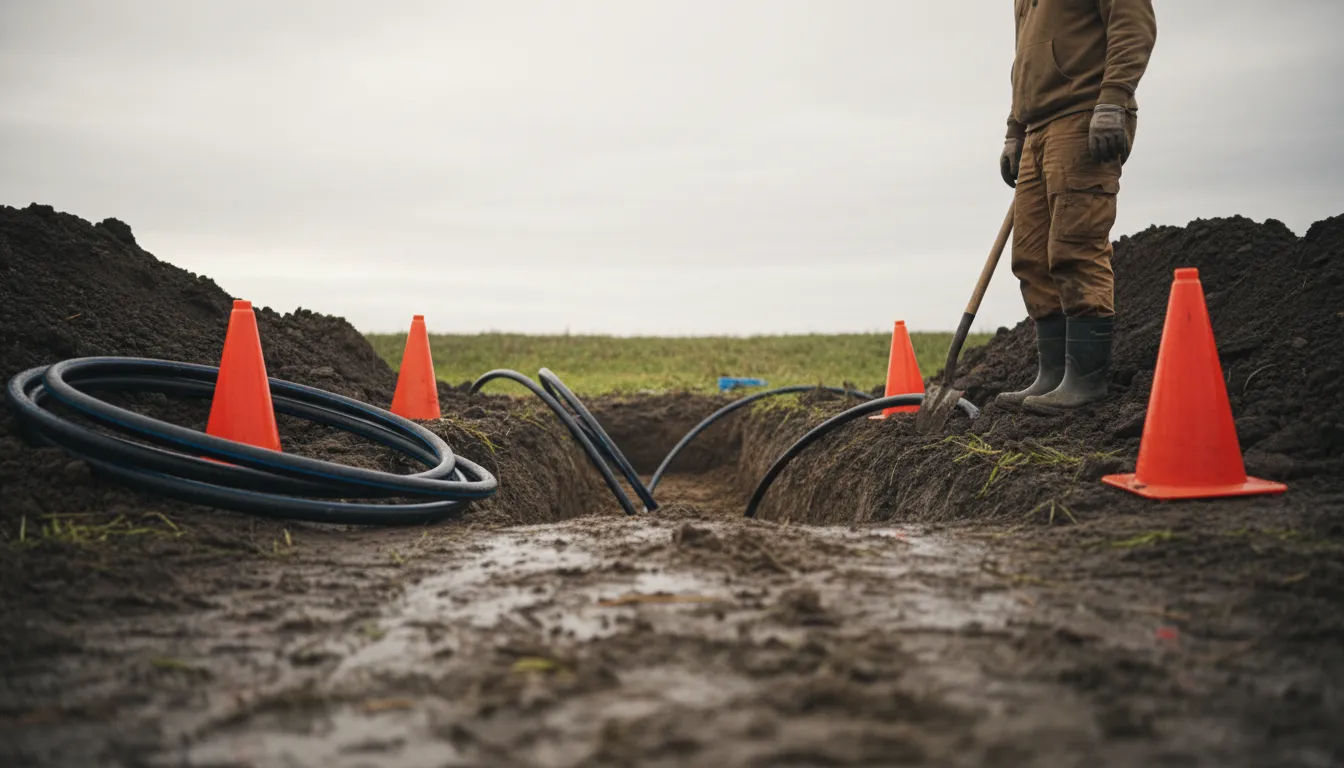
Find the Best Geothermal Heat Pump Contractors for Your Business
No obligation • Fast responses • Nationwide coverage

Why you can trust HVAC Firms
HVAC Firms is a leading United States resource for evaluating HVAC service providers. Our team researches companies, checks credentials, and reviews customer feedback to present clear, unbiased information. Listings and rankings are based on merit, and companies cannot pay to change our editorial content.
Search providers near you
Top Geothermal Heat Pump Contractors in Sacramento, California Ranked
Geothermal heat pumps, also known as ground-source heat pumps, are a highly efficient technology for heating and cooling your Sacramento home by leveraging the earth's stable underground temperature. This matters because it can dramatically reduce your energy bills and environmental footprint. This guide explains how these systems work, their benefits, and how you can find qualified local specialists to evaluate your property for a potential installation.
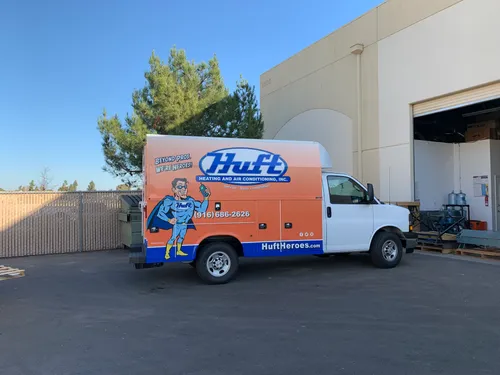
Huft Home Services Elk Grove
10103 Iron Rock Way, Elk Grove, CA 95624
Huft Home Services Elk Grove provides heating and cooling solutions in Sacramento, CA. They offer repair, installation, replacement, and maintenance services for a wide range of HVAC equipment including air conditioners, furnaces, heat pumps, boilers, mini splits, and geothermal heat pumps. The company is known for clear pricing and experienced technicians who provide advice tailored to each home's needs. Huft Home Services has been a preferred provider in the area for many years.
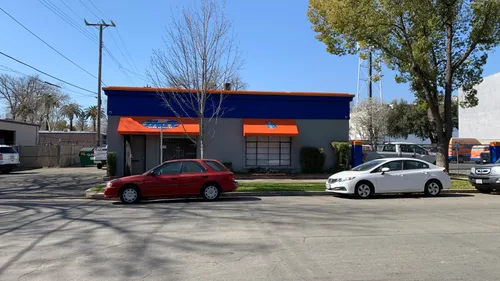
Huft Home Services Sacramento
Sacramento, CA
Huft Home Services Sacramento provides heating and cooling solutions in Sacramento, CA. Their team handles repairs, installations, replacements, and maintenance for a wide range of HVAC equipment including air conditioners, furnaces, heat pumps, boilers, mini splits, and geothermal heat pumps. The company is known for responding quickly to comfort needs and offers transparent pricing without hidden fees. With years of experience, Huft Home Services combines skilled technicians, plumbers, and comfort advisors to deliver knowledgeable and reliable service tailored to each home.
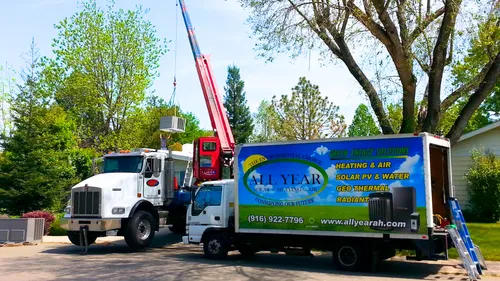
All Year Heating and Air
801 Plaza Ave, Sacramento, CA 95815
All Year Heating and Air is an HVAC contractor based in Sacramento, CA, serving Sacramento and surrounding counties including El Dorado and Placer. They provide a range of services such as heating, air conditioning, heat pump, geothermal system installation and repair, as well as duct cleaning and indoor air quality solutions. The company offers home performance assessments and specializes in high-efficiency systems integrated with solar energy options. Their capabilities include servicing gas, electric, and hybrid heating systems, and performing air duct cleaning to improve indoor air quality. They also supply and design solar energy equipment tailored to local homes and businesses.
How Geothermal Systems Work in Sacramento's Climate
A geothermal heating and cooling system doesn't create heat by burning fuel; instead, it moves existing heat. Beneath Sacramento, the earth maintains a relatively constant temperature of 50-60°F year-round. A geothermal system uses this as a free energy source. In the winter, a fluid circulating through buried pipes, called a ground loop, absorbs the earth's warmth. The heat pump inside your home then concentrates this heat and distributes it through your ductwork or radiant floor system 1. During our hot summers, the process simply reverses: the system pulls heat from your home and transfers it into the cooler ground, providing efficient air conditioning 2.
This "heat exchange" process is what makes geothermal technology so remarkably efficient. By moving heat rather than generating it through combustion, a well-designed ground-source heat pump system can use 40-70% less energy than a conventional HVAC system for heating and 20-50% less for cooling 3. For Sacramento homeowners, this translates directly into lower monthly utility bills and a reduced carbon footprint.
Key Components of a Residential Geothermal System
Understanding the main parts of a geothermal system will help you discuss options with local installers.
- The Ground Loop: This is the critical underground component. It's a continuous loop of durable, high-density polyethylene pipe buried in the ground or submerged in water. The fluid inside absorbs or relinquishes heat to the earth. There are three primary configurations:
- Horizontal Loop: Pipes are laid in trenches 4 to 6 feet deep. This is often the most cost-effective option but requires a significant amount of available land, making it common for new construction projects 4.
- Vertical Loop: For properties with smaller yards, like many in established Sacramento neighborhoods, vertical loops are ideal. Contractors drill boreholes 150 to 400 feet deep and insert U-shaped loop pipes. This minimizes surface disruption and is excellent for retrofit projects 5.
- Pond/Lake Loop: If you have access to a sufficient body of water, coils of pipe can be placed at the bottom. This is often the lowest-cost loop option but is entirely dependent on your property's features 6.
-
The Heat Pump Unit: This indoor unit, about the size of a small furnace, contains the compressor, heat exchanger, and controls. It concentrates the thermal energy gathered from the ground loop and transfers it to your home's air or water distribution system.
-
The Distribution System: The conditioned air or water is delivered throughout your home. Most systems use existing forced-air ductwork. Alternatively, geothermal systems pair exceptionally well with radiant floor heating for ultimate comfort 7.
Benefits for Sacramento Homeowners
Investing in a geothermal heat pump offers a compelling set of advantages tailored to California living.
- Substantial Energy Savings: The core benefit is drastically reduced energy consumption. Homeowners can see savings of 40% to 70% on heating and 20% to 50% on cooling compared to conventional systems 8. These operational savings directly offset the higher initial investment over time.
- Long-Term Reliability and Value: The underground ground loop is incredibly durable, with a lifespan of 25 to 50 years or more. The indoor heat pump unit typically lasts 20+ years, which is longer than most standard air conditioners and furnaces. This longevity adds to your home's value and reduces long-term replacement costs.
- Environmental Leadership: By using electricity to move heat and drastically reducing or eliminating the need for natural gas, geothermal systems significantly lower your home's carbon emissions. They also use non-toxic, non-ozone-depleting refrigerants, making them one of the cleanest heating and cooling technologies available.
- Quiet Operation and Comfort: With no noisy outdoor condenser unit (like a traditional AC), geothermal systems operate very quietly. They also provide more consistent, even heating and cooling without the drafts or hot/cold spots associated with fossil-fuel systems.
Understanding Costs and Financial Incentives
The primary consideration for geothermal is the higher upfront cost, which is largely due to the ground loop installation involving excavation or drilling 9 10. However, this is balanced by exceptional long-term savings.
While specific project costs in Sacramento vary based on home size, soil conditions, and loop type, the energy savings of 40-70% can lead to a payback period often estimated between 5 to 10 years 11 12. Furthermore, significant financial incentives improve affordability:
- Federal Tax Credit: The federal government offers a tax credit for qualifying geothermal heat pump installations, which can cover a substantial percentage of the total project cost (including labor).
- State and Local Incentives: California and local utilities sometimes offer additional rebates or financing programs for high-efficiency systems.
Find the perfect geothermal heat pump contractors for your needs
Get personalized recommendations and expert advice
Installation Considerations for Your Property
A successful geothermal installation requires careful planning and expert site evaluation. Key factors local installers will assess include:
- Soil Composition and Thermal Conductivity: Sacramento's clay-heavy soil conducts heat differently than sandy soil, which can affect loop design and length.
- Available Land Area: This is the biggest factor in choosing between horizontal and vertical loops. A vertical system is usually the go-to for smaller urban and suburban lots.
- Existing Infrastructure: Installers will evaluate your home's current ductwork or radiant system to determine compatibility and any needed upgrades.
- Professional Drilling and Trenching: Vertical loop installation requires specialized drilling rigs. Reputable local contractors have the experience and equipment to complete this work efficiently with minimal disruption to your landscape.
Maintenance and Long-Term Care
One of the appealing aspects of geothermal systems is their low maintenance requirements. The buried loop is virtually maintenance-free. Homeowner care typically involves:
- Regularly changing or cleaning the air filter in the indoor unit.
- Ensuring the area around the indoor heat pump is clean and unobstructed.
- Having a professional technician perform an annual check-up of the heat pump components, refrigerant levels, and electrical connections, similar to standard HVAC maintenance.
Finding the Right Local Specialist
Choosing an experienced, certified installer is the most critical step. Look for contractors who are specifically trained and accredited in geothermal system design and installation (such as through the International Ground Source Heat Pump Association - IGSHPA). They should conduct a detailed Manual J load calculation for your home and provide a comprehensive proposal that includes loop design, equipment specifications, and projected energy savings.
Frequently asked questions
Sources
Footnotes
-
How Do Geothermal Systems Work for Residential Homes? - https://www.davisheat.com/blog/how-do-geothermal-systems-work-for-residential-homes/ ↩
-
How Geothermal Heating and Cooling Systems Work | Belle Air - https://www.belleairservices.com/how-geothermal-heating-and-cooling-systems-work/ ↩
-
5 Things You Should Know about Geothermal Heat Pumps - https://www.energy.gov/cmei/articles/5-things-you-should-know-about-geothermal-heat-pumps ↩
-
Geothermal Heat Pump Installation: What To Expect For Your Property - https://jomory.com/geothermal-heat-pump-installation-what-to-expect-for-your-property/ ↩
-
All You Need to Know About Home Geothermal Heating & ... - https://dandelionenergy.com/all-you-need-to-know-about-home-geothermal-heating-cooling ↩
-
Geothermal Heat Pumps - Department of Energy - https://www.energy.gov/energysaver/geothermal-heat-pumps ↩
-
Geothermal Heat Pumps | WBDG - Whole Building Design Guide - https://www.wbdg.org/resources/geothermal-heat-pumps ↩
-
The California Buyers Guide to Geothermal Heat Pump Systems - https://www.californiageo.org/wp-content/uploads/CA-Buyers-Guide-for-Geothermal-HP-revised-12-13-24.pdf ↩
-
Geothermal Heat Pumps - EnergySmart CNY - https://www.energysmartcny.org/heat-pumps/geothermal/ ↩
-
Comprehensive Guide to Heat Pumps for California ... - https://www.calljazz.com/blog/comprehensive-guide-to-heat-pumps-for-california-homeowners/ ↩
-
How Does A Geothermal Heat Pump Work? Complete 2025 Guide - https://solartechonline.com/blog/how-does-geothermal-heat-pump-work/ ↩
-
Guide to Geothermal Heat Pumps - https://www.energy.gov/sites/prod/files/guide_to_geothermal_heat_pumps.pdf ↩