
Find the Best Geothermal Heat Pump Contractors for Your Business
No obligation • Fast responses • Nationwide coverage

Why you can trust HVAC Firms
HVAC Firms is a leading United States resource for evaluating HVAC service providers. Our team researches companies, checks credentials, and reviews customer feedback to present clear, unbiased information. Listings and rankings are based on merit, and companies cannot pay to change our editorial content.
Search providers near you
Top Geothermal Heat Pump Contractors in Chula Vista, California Ranked
A geothermal heat pump, also known as a ground-source heat pump, is a highly efficient heating and cooling system that uses the earth's stable underground temperature to regulate your home's climate. This technology matters because it can dramatically reduce energy bills and environmental impact compared to conventional HVAC systems. For Chula Vista residents, this guide will help you understand how these systems work, their benefits, and how to connect with qualified local experts for installation and service.
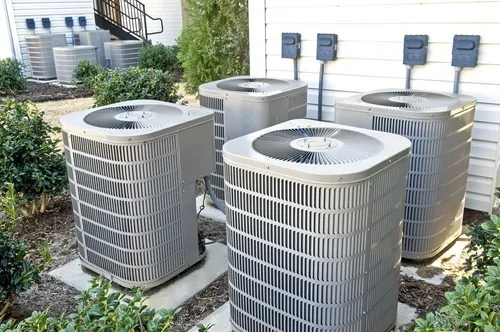
SD Heating and Air Conditioning Pro
San Diego, CA
SD Heating and Air Conditioning Pro is an HVAC company based in San Diego, CA, offering installation and repair services for air conditioning, furnaces, heat pumps, boilers, mini splits, and geothermal heat pumps. Their team of trained technicians handles a wide range of heating and cooling systems to help customers maintain comfort throughout the year.
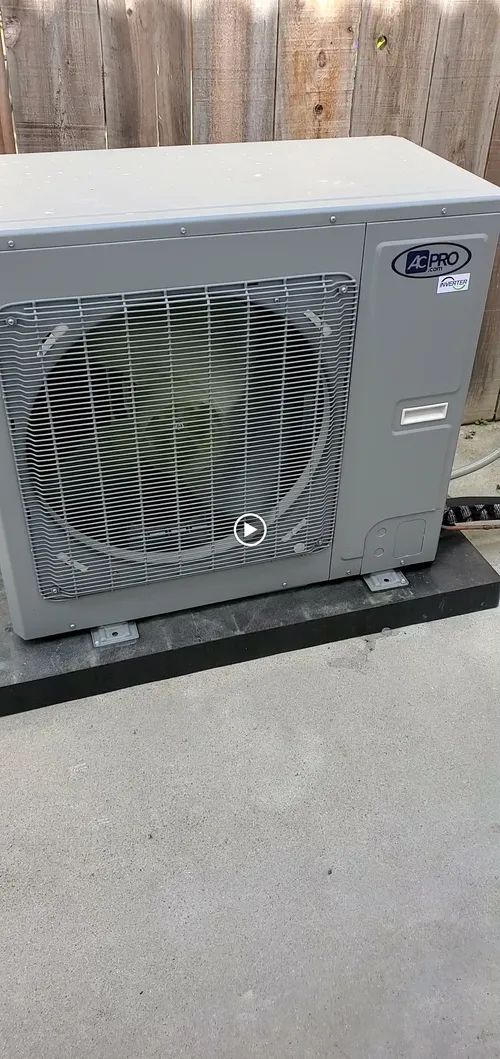
HQ Kisso Air Conditioning
San Diego, CA
HQ Kisso Air Conditioning is an HVAC company based in San Diego, CA, offering a wide range of services including installation, repair, and maintenance of air conditioners, furnaces, heat pumps, boilers, mini splits, and geothermal heat pumps. The team provides personalized HVAC solutions tailored to the specific needs of homes and businesses, ensuring efficient and reliable system operation. Their skilled technicians focus on quality workmanship and use trusted products to deliver dependable service.
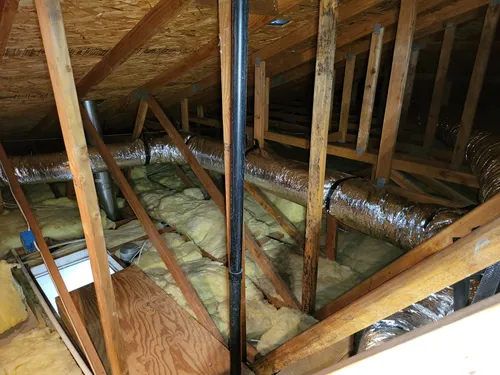
All American Heating and Air (Veteran owned)
Chula Vista, CA
All American Heating and Air (Veteran owned) is an HVAC contractor based in Chula Vista, CA. They provide a range of services including installation, repair, and tune-ups for air conditioning, furnaces, heat pumps, boilers, mini splits, and geothermal heat pumps. The company serves the San Diego and Temecula areas, focusing on quality workmanship and customer satisfaction.
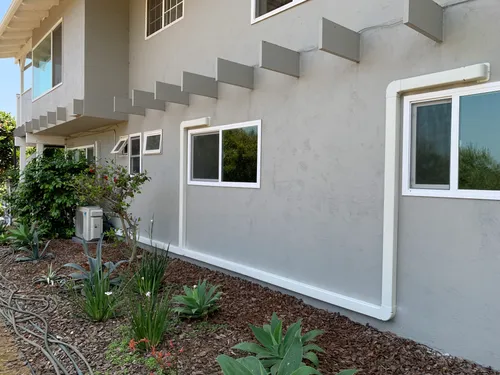
Aireforce Heating & Air Inc.
9316 Abraham Way, Santee, CA 92071
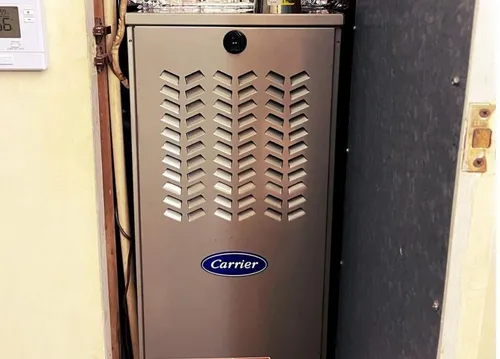
Aireforce Heating & Air Inc. is an HVAC company serving San Diego, CA, and nearby communities. They provide installation, repair, and maintenance services for air conditioners, furnaces, heat pumps, mini splits, geothermal systems, and indoor air quality products. As a Carrier dealer, they offer a range of equipment including programmable thermostats, humidifiers, air cleaners, and zoning products. The company emphasizes customized solutions and has experience installing many systems in the area. Aireforce Heating & Air Inc. offers 24/7 emergency service and service agreements to maintain system performance and reduce emergencies.
Seka Hvac & Appliance Repair, INC
7480 Black Oak Rd, San Diego, CA 92114
Seka Hvac & Appliance Repair, INC provides a range of HVAC services in Chula Vista, CA. They specialize in the installation and repair of air conditioning units, furnaces, heat pumps, boilers, mini splits, and geothermal heat pumps. The company also offers HVAC tune-up services to maintain system efficiency. Seka Hvac & Appliance Repair, INC operates from San Diego, serving the surrounding area with professional HVAC solutions.
How Geothermal Systems Work in Chula Vista
The core principle behind a geothermal heating and cooling system is remarkably simple: it exchanges heat with the ground, which maintains a nearly constant temperature of 60-70°F just a few feet below the surface year-round. This stability is the system's superpower, especially in a climate like ours.
Here's the basic process:
- Heat Exchange: A fluid (usually water mixed with antifreeze) circulates through a loop of pipes buried in your yard, called a ground loop. In the winter, this fluid absorbs the earth's natural warmth.
- Concentration & Distribution: The warmed fluid returns to an indoor heat pump unit. The heat pump concentrates this low-grade heat and distributes warm air throughout your home via existing ductwork.
- Cooling Cycle: In the summer, the process reverses. The system extracts heat from your home, transfers it to the fluid in the loop, and deposits it into the cooler ground.
This method of heat transfer is far more efficient than traditional air-source heat pumps or furnaces that must work harder against Chula Vista's fluctuating outdoor air temperatures 1.
Types of Ground Loop Systems
The buried pipe system, or ground loop, is the heart of the installation. The right type for your Chula Vista property depends on soil conditions, geology, and available land.
Closed-Loop Systems
This is the most common residential setup, featuring a continuous, sealed loop of pipe. There are two primary configurations:
- Horizontal Loops: Pipes are laid in trenches dug 4 to 6 feet deep. This requires a significant amount of open land-typically 200 to 400 feet of trench per ton of system capacity 2. This can be a cost-effective option for properties with ample yard space.
- Vertical Loops: This is often the preferred method for urban and suburban areas like Chula Vista, where lot sizes can be limited. Contractors drill deep boreholes, typically 150 to 400 feet down, and insert U-shaped loops of pipe into each hole 3 4. While the drilling cost per ton can be higher, vertical loops minimize landscape disruption and are ideal for smaller yards.
Open-Loop Systems
This system uses groundwater from a well or a pond as the heat exchange fluid. After passing through the heat pump, the water is discharged back into a well, recharge basin, or surface body of water 5 6. This option can be highly efficient but is entirely dependent on having a sufficient supply of clean water and complying with local codes regarding water discharge.
The Installation Process: What to Expect
Installing a geothermal HVAC system is a significant project that requires professional expertise. Understanding the steps can help you prepare.
- Site Assessment & Design: A qualified installer will evaluate your property to determine the best loop type (vertical vs. horizontal), calculate the required system size based on your home's heating and cooling loads, and assess soil and rock conditions.
- Loop Installation: This is the major excavation phase. For a vertical system, a drilling rig will create the boreholes. For a horizontal system, a trencher will dig the long, deep ditches. The high-density polyethylene pipe is then placed and the trenches or boreholes are backfilled with a special grout to ensure good thermal conductivity 7.
- Indoor Unit Installation: The geothermal heat pump unit-which is typically about the size of a small refrigerator-is installed in your garage, basement, or utility closet. It is connected to your home's existing ductwork or a new duct system.
- Connection & Commissioning: The underground loops are connected to the indoor unit. The entire system is filled with fluid, pressurized, tested for leaks, and started up. The contractor will ensure it is operating at peak efficiency before handing it over to you.
Find the perfect geothermal heat pump contractors for your needs
Get personalized recommendations and expert advice
Key Benefits for Chula Vista Homeowners
Investing in a ground-source heat pump offers compelling advantages that align perfectly with the goals of many California homeowners.
- Substantial Energy Savings: Geothermal systems are incredibly efficient, often using 25% to 50% less electricity than conventional air-source heat pumps or standard HVAC systems 8. For heating, they can reduce energy consumption by up to 65% compared to electric resistance systems like baseboard heaters 9. This translates directly to lower monthly utility bills.
- Excellent Long-Term Value & Payback: While the upfront installation cost is higher than a traditional system, the operational savings are significant. In California, analyses show a faster payback period (often 8 to 13 years) compared to systems using propane or fuel oil. When you factor in available tax credits and incentives, the financial picture becomes even more attractive. Furthermore, the underground loops have a lifespan of 50+ years, and the indoor heat pump unit typically lasts 20-25 years-much longer than conventional outdoor AC condensers.
- Quiet, Clean, and Low-Maintenance Operation: There's no loud outdoor condenser unit. The system operates very quietly indoors. It also reduces your home's carbon footprint by eliminating on-site fossil fuel combustion for heating. Maintenance is straightforward, primarily involving routine air filter changes and periodic checks of the internal components.
Financial Incentives and Climate Suitability
The economics of geothermal are strengthened by powerful incentives. The federal government offers a 30% tax credit for qualified geothermal heat pump installations through 2034 10 11. This credit directly reduces your federal income tax liability. It's crucial to discuss this and any potential state or local rebates with your installer and tax advisor.
Chula Vista's mild climate is ideally suited for geothermal technology. The moderate heating and cooling demands mean the system operates efficiently year-round, leveraging the consistent 60-70°F ground temperature to provide comfortable, fossil-fuel-free climate control 12. The system efficiently handles both our cool winter nights and warm summer days.
Frequently asked questions
Sources
Footnotes
-
Geothermal (Ground Source) Heat Pumps - NY.gov - https://cleanheat.ny.gov/geothermal-heat-pumps/ ↩
-
Geothermal Heat Pumps | WBDG - https://www.wbdg.org/resources/geothermal-heat-pumps ↩
-
Geothermal Heat Pump Installation: What To Expect For Your Property - https://jomory.com/geothermal-heat-pump-installation-what-to-expect-for-your-property/ ↩
-
All You Need to Know About Home Geothermal Heating & ... - https://dandelionenergy.com/all-you-need-to-know-about-home-geothermal-heating-cooling ↩
-
How Does A Geothermal Heat Pump Work? Complete 2025 Guide - https://solartechonline.com/blog/how-does-geothermal-heat-pump-work/ ↩
-
Geothermal Heat Pump and Ground Loop Technologies - https://efiling.energy.ca.gov/GetDocument.aspx?tn=73451 ↩
-
Geothermal Heating, Cooling, and Hot Water Systems - https://igshpa.org/wp-content/uploads/Homeowners-Guide-to-Geothermal.pdf ↩
-
Geothermal Heat Pumps - Department of Energy - https://www.energy.gov/energysaver/geothermal-heat-pumps ↩
-
Geothermal HVAC Systems: Harnessing the Earth for Sustainable ... - https://www.iccsafe.org/building-safety-journal/bsj-technical/geothermal-hvac-systems-harnessing-the-earth-for-sustainable-comfort/ ↩
-
5 Things You Should Know about Geothermal Heat Pumps - https://www.energy.gov/cmei/articles/5-things-you-should-know-about-geothermal-heat-pumps ↩
-
The California Buyers Guide to Geothermal Heat Pump Systems - https://www.californiageo.org/wp-content/uploads/CA-Buyers-Guide-for-Geothermal-HP-revised-12-13-24.pdf ↩
-
How Does the Performance of Geothermal Heat Pumps Compare in Various Climates? - https://www.miamihp.com/how-does-the-performance-of-geothermal-heat-pumps-compare-in-various-climates/ ↩