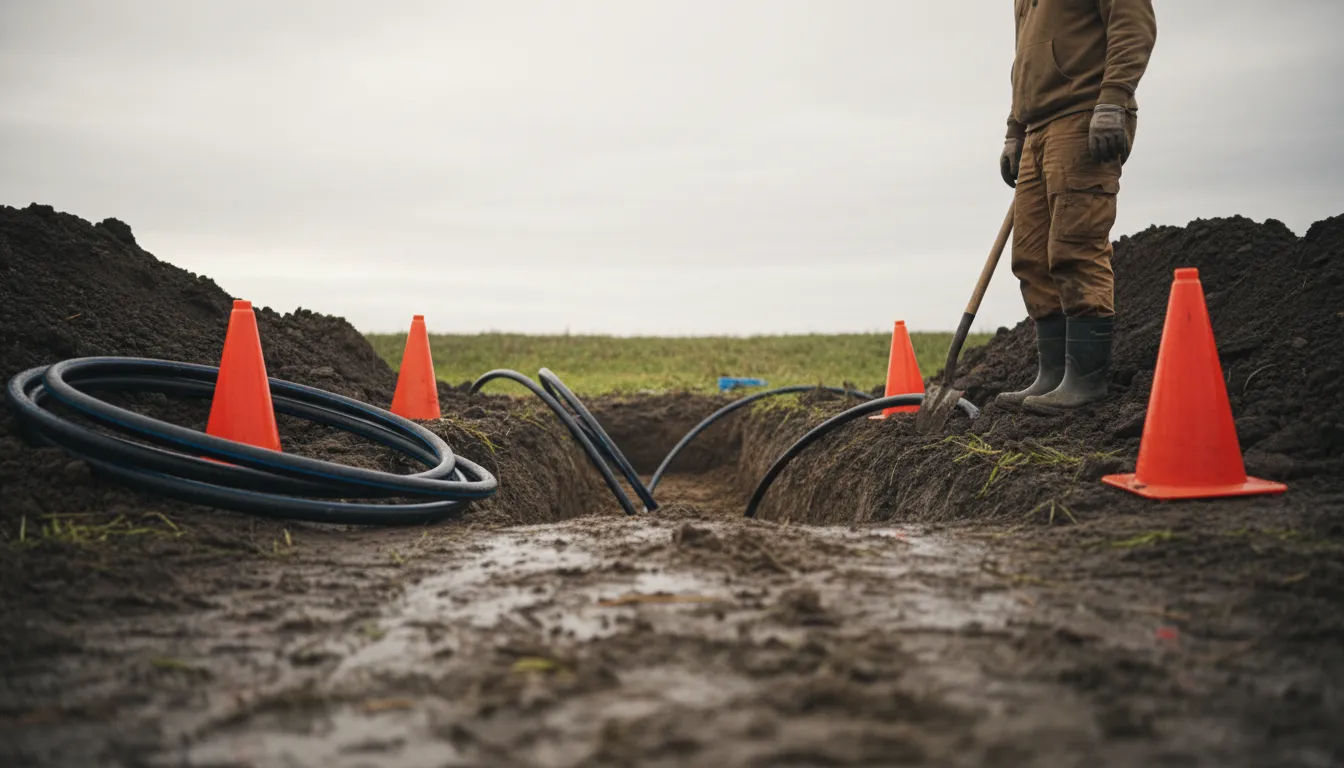
Find the Best Geothermal Heat Pump Contractors for Your Business
No obligation • Fast responses • Nationwide coverage

Why you can trust HVAC Firms
HVAC Firms is a leading United States resource for evaluating HVAC service providers. Our team researches companies, checks credentials, and reviews customer feedback to present clear, unbiased information. Listings and rankings are based on merit, and companies cannot pay to change our editorial content.
Search providers near you
Top Geothermal Heat Pump Contractors in San Francisco, California Ranked
A geothermal heat pump, often called a ground-source heat pump, is a highly efficient heating and cooling system that leverages the earth's stable underground temperature. For San Francisco homeowners and businesses, this technology offers a path to dramatically lower energy bills, reduce carbon footprint, and achieve long-term comfort. This guide explains how these systems work, what installation entails, and how you can connect with qualified local specialists to explore this sustainable solution for your property.
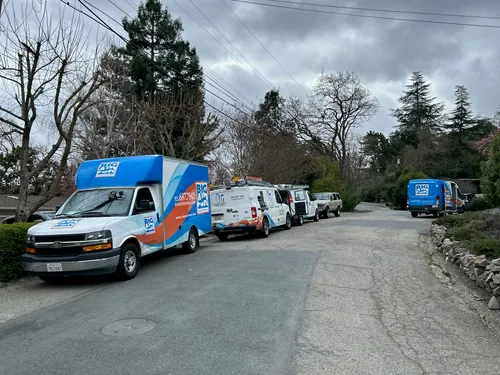
Big Air Heating & Air Conditioning
1000 Detroit Ave, Concord, CA 94518
Big Air Heating & Air Conditioning is an HVAC company serving Oakland, CA, with over 20 years of experience. They provide installation, repair, and tune-up services for air conditioning, furnaces, heat pumps, boilers, mini splits, and geothermal heat pumps. Their technicians are certified, drug screened, and background checked, ensuring professional and knowledgeable service. The company works with both commercial and residential clients, offering clear pricing by the job.
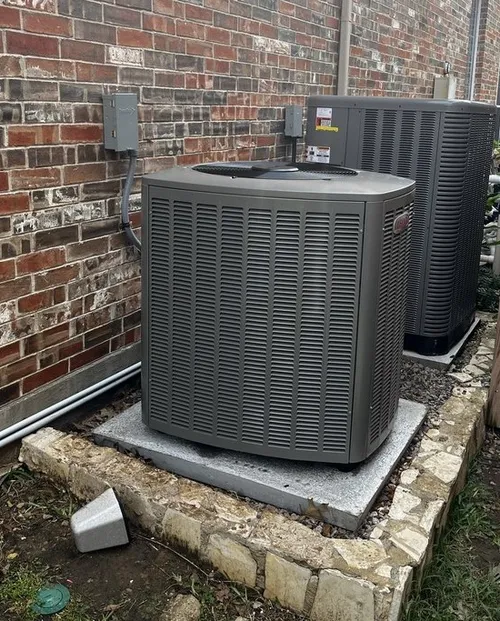
Metro Heating pro
37886 Filbert St, Newark, CA 94560
Metro Heating pro provides heating and air conditioning services in Fremont, CA. They offer repairs, installations, replacements, and maintenance for HVAC systems including furnaces, boilers, heat pumps, mini splits, and geothermal heat pumps. The company serves all brands and models, focusing on clear communication about the work process and timing. Metro Heating pro has built a reputation in the Newark area through years of consistent HVAC service.
Clean Air HVAC INC
428 N Buchanan Cir #1, Pacheco, CA 94553
Clean Air HVAC INC is an HVAC contractor based in Oakland, CA, providing heating and cooling solutions for residential customers. The company offers a wide range of services including installation, repair, and maintenance of furnaces, air conditioners, heat pumps, mini-split systems, and geothermal heat pumps. They also provide indoor air quality services such as air filtration, humidifiers, and ventilation systems. Clean Air HVAC INC serves the East Bay area and is experienced in handling various HVAC systems, including Lennox Healthy Climate Solutions and zoning systems.
Harry Clark Plumbing and Heating Inc
3026 Broadway, Oakland, CA 94611
Harry Clark Plumbing and Heating Inc is an HVAC and plumbing service provider located in San Francisco, CA. The company offers a range of services including air conditioning, furnace, heat pump, boiler repair and installation, as well as mini split and geothermal heat pump installation. With a history dating back to the 1940s, the business has evolved through family ownership and continues to operate with a focus on local service. The company is known for maintaining a strong presence in the Oakland and Berkeley area, operating two separate entities for plumbing and heating/air conditioning services.
East Bay Hydronics
Oakland, CA
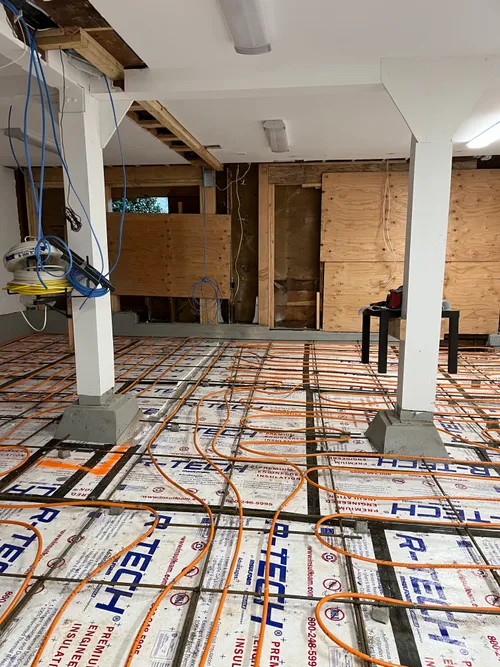
East Bay Hydronics is a heating and cooling contractor based in Oakland, CA, serving the Bay Area. They specialize in hydronic systems for both residential and commercial properties, including radiant heating and cooling, boilers, water heaters, solar thermal, and geothermal heat pumps. With over 17 years of experience, they support new construction and remodeling projects.
How Geothermal Systems Work: Tapping into the Earth's Constant Temperature
The core principle behind a geothermal heating and cooling system is remarkably simple: just a few feet below the surface, the earth maintains a nearly constant temperature year-round, typically between 45°F and 75°F depending on location. A geothermal heat pump, or ground-source heat pump, uses this stable thermal resource as a source of heat in the winter and a place to reject heat in the summer.
The process involves three key components:
- The Ground Loop: A network of high-density polyethylene pipes is buried in the ground, either horizontally in trenches or vertically in deep boreholes. A water-based fluid circulates through this sealed loop.
- The Heat Pump Unit: Located inside the home, this unit contains a compressor and a heat exchanger. It works like a refrigerator in reverse, concentrating the thermal energy collected from the fluid in the loop 1.
- The Distribution System: The concentrated heating or cooling is then distributed throughout your home via existing ductwork, radiant floor pipes, or fan coil units.
In heating mode, the fluid in the ground loop absorbs the earth's warmth and carries it to the heat pump, which extracts and concentrates it for your home. In cooling mode, the system reverses: it extracts heat from your indoor air and transfers it into the cooler fluid in the loop, which then dissipates the heat into the ground 2. This elegant exchange of thermal energy with the ground is what makes geothermal technology so efficient.
Types of Ground Loop Systems for San Francisco Properties
The design of the underground piping, or ground loop, is critical and depends heavily on your property's characteristics. There are two primary configurations, each with advantages suited to different lot sizes and soil conditions common in the Bay Area.
Horizontal Closed Loops are often the most cost-effective option if sufficient land is available. Pipes are laid in trenches that are typically 4 to 6 feet deep and can be 100 to 400 feet long per ton of system capacity 3. This approach requires a larger, unobstructed yard area for the trenching work. For new construction or properties with ample space, horizontal loops can provide an excellent balance of performance and upfront cost.
Vertical Closed Loops are the preferred solution for most urban and suburban San Francisco lots where space is at a premium. In this design, contractors drill deep boreholes-usually 200 to 500 feet deep-and insert U-shaped loop pipes into each hole 4. While the drilling process is more expensive than trenching, vertical loops require minimal surface area, often just a small corner of a yard or even a driveway. They also tend to offer superior performance in dense clay or rock, which can be encountered in parts of the city.
Both systems are "closed-loop," meaning the same fluid continuously circulates in a sealed, pressurized circuit. A less common "open-loop" system uses well or surface water directly, but it requires a reliable water source and has more permitting considerations 5 6. For most local installations, a professionally designed closed-loop system is the standard.
The Installation Process: From Assessment to Startup
Installing a geothermal system is a significant project that requires careful planning and expert execution. Understanding the steps involved can help you prepare and know what to expect from local contractors.
- Comprehensive Site Assessment & Design: A qualified installer will first evaluate your property. This includes assessing soil composition, available space, existing ductwork or heating distribution, and your home's heating/cooling load. This data is used to design the optimal loop field and select the correctly sized heat pump unit.
- Ground Loop Installation: This is the major excavation phase. For a horizontal system, a backhoe or trencher will dig the necessary network of trenches. For a vertical system, a drilling rig will be brought in to create the boreholes. The pipes are then laid or inserted, connected into a manifold, and pressure-tested 7.
- Pipe Burial & Connection: The trenches are carefully backfilled, or the boreholes are grouted, to ensure good thermal contact with the earth and protect the pipes. The loop pipes are then run into the home, typically through the foundation wall, to connect to the heat pump.
- Indoor Unit Installation: The geothermal heat pump unit is installed in your basement, garage, or mechanical closet. It is connected to the ground loop on one side and to your home's ductwork or hydronic distribution system on the other 8.
- System Startup & Commissioning: The loop is filled with fluid, the system is purged of air, and the heat pump is powered on. The installer will test and calibrate all components, ensuring the system operates at peak efficiency before handing it over to you.
Find the perfect geothermal heat pump contractors for your needs
Get personalized recommendations and expert advice
Benefits and Financial Considerations for Bay Area Residents
The decision to invest in a geothermal system is driven by its compelling long-term benefits, which are particularly attractive in a climate-conscious and high-utility-cost region like San Francisco.
Exceptional Efficiency and Savings: Geothermal heat pumps are the most efficient heating and cooling technology available, operating at 300% to 600% efficiency 9 10. This means they move three to five units of thermal energy for every one unit of electrical energy they consume. For homeowners, this translates into substantial savings on utility bills-often up to 65% compared to traditional systems like furnaces and standard air conditioners 9.
Longevity and Reliability: The underground loop system is incredibly durable, with a lifespan often exceeding 50 years. The indoor heat pump unit typically lasts 20 years or more, which is comparable to or longer than conventional HVAC equipment. This results in a system with lower long-term maintenance and replacement costs.
Upfront Costs and Payback Period: The initial investment for a geothermal system is higher than for a conventional system, primarily due to the cost of drilling or trenching and installing the ground loop 11. However, the dramatically lower operating costs create a payback period. Nationally, this period is often cited as 5 to 10 years, but in the San Francisco Bay Area with its specific climate and utility rates, a more detailed analysis might indicate a payback in the 15 to 20 year range. This timeline can be significantly shortened by available financial incentives.
Leveraging Incentives and Credits: The federal government offers a Residential Clean Energy Tax Credit, which can cover 30% of the total installed cost of a qualifying geothermal heat pump system, with no upper limit 12 13. This powerful incentive applies to both existing homes and new construction. It's essential to discuss current federal, state, and even local utility rebates with your installer, as they can drastically reduce the net project cost and accelerate your return on investment.
Is Geothermal Right for Your San Francisco Home?
When evaluating a ground-source heat pump, consider your property's specific attributes:
- Available Space: Do you have a yard suitable for horizontal trenches, or will your installation require vertical drilling?
- Soil Conditions: The thermal conductivity of your soil and rock affects loop design and efficiency. A professional assessment is key.
- Existing Infrastructure: The condition of your ductwork or the type of your current heating system (e.g., forced air vs. radiant) will influence installation complexity and cost.
- Long-Term Plans: The maximum financial and environmental benefits of geothermal are realized over many years, making it an ideal investment if you plan to stay in your home long-term.
By partnering with an experienced local installer who understands San Francisco's unique geology, climate, and permitting landscape, you can navigate these considerations confidently. A well-designed and installed geothermal system provides quiet, fossil-fuel-free comfort and positions your property at the forefront of sustainable home technology.
Frequently asked questions
Sources
Footnotes
-
Comprehensive Guide to Heat Pumps for California ... - https://www.calljazz.com/blog/comprehensive-guide-to-heat-pumps-for-california-homeowners/ ↩
-
5 Things You Should Know about Geothermal Heat Pumps - https://www.energy.gov/cmei/articles/5-things-you-should-know-about-geothermal-heat-pumps ↩
-
All You Need to Know About Home Geothermal Heating & ... - https://dandelionenergy.com/all-you-need-to-know-about-home-geothermal-heating-cooling ↩
-
Ground Source Heat Pump Installation and Design Guideline - https://www.saltlakecounty.gov/globalassets/1-site-files/health/programs/construction--contractors/guidelines_gshp.pdf ↩
-
Geothermal Installer | San Jose, CA | Coldcraft Inc. - https://coldcraft.com/renewable-hvac/geothermal-residential/ ↩
-
Heat Pumps Explained - How Heat Pumps Work HVAC - https://www.youtube.com/watch?v=QykwWs3L1W8 ↩
-
Ground source heat pumps: horizontal collectors Vs. vertical boreholes - https://www.mesh-energy.com/insights/ground-source-heat-pumps-horizontal-collectors-vs-vertical-boreholes ↩
-
Geothermal Heat Pumps | WBDG - https://www.wbdg.org/resources/geothermal-heat-pumps ↩
-
Geothermal Heat Pumps - EnergySmart CNY - https://www.energysmartcny.org/heat-pumps/geothermal/ ↩ ↩2
-
Guide to Geothermal Heat Pumps - https://www.energy.gov/sites/prod/files/guide_to_geothermal_heat_pumps.pdf ↩
-
Geothermal Systems - Wally Falke's Heating & Air Conditioning - https://wallyfalkes.com/geothermal-heat-pumps/ ↩
-
Geothermal Heat Pumps - Department of Energy - https://www.energy.gov/energysaver/geothermal-heat-pumps ↩
-
The California Buyers Guide to Geothermal Heat Pump Systems - https://www.californiageo.org/wp-content/uploads/CA-Buyers-Guide-for-Geothermal-HP-revised-12-13-24.pdf ↩