
Find the Best Geothermal Heat Pump Contractors for Your Business
No obligation • Fast responses • Nationwide coverage

Why you can trust HVAC Firms
HVAC Firms is a leading United States resource for evaluating HVAC service providers. Our team researches companies, checks credentials, and reviews customer feedback to present clear, unbiased information. Listings and rankings are based on merit, and companies cannot pay to change our editorial content.
Search providers near you
Top Geothermal Heat Pump Contractors in Fremont, California Ranked
A geothermal heat pump, also known as a ground-source heat pump, is one of the most efficient and sustainable ways to heat and cool your Fremont home. By leveraging the earth's stable underground temperature, these systems move heat rather than create it, offering significant long-term energy savings and comfort. This guide explains how geothermal technology works, what installation entails, and how you can connect with qualified local experts to explore this smart investment for your property.
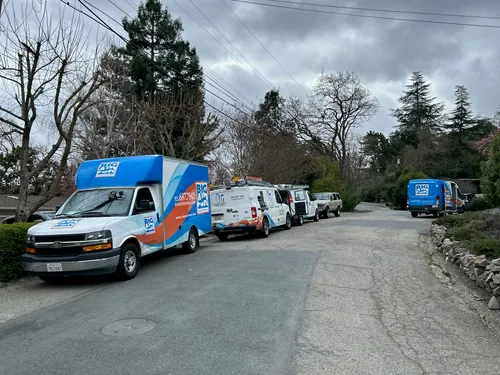
Big Air Heating & Air Conditioning
1000 Detroit Ave, Concord, CA 94518
Big Air Heating & Air Conditioning is an HVAC company serving Oakland, CA, with over 20 years of experience. They provide installation, repair, and tune-up services for air conditioning, furnaces, heat pumps, boilers, mini splits, and geothermal heat pumps. Their technicians are certified, drug screened, and background checked, ensuring professional and knowledgeable service. The company works with both commercial and residential clients, offering clear pricing by the job.
Metro Heating pro
37886 Filbert St, Newark, CA 94560
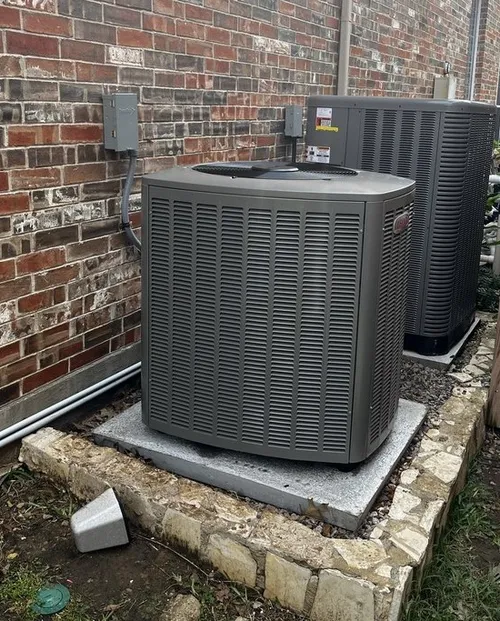
Metro Heating pro provides heating and air conditioning services in Fremont, CA. They offer repairs, installations, replacements, and maintenance for HVAC systems including furnaces, boilers, heat pumps, mini splits, and geothermal heat pumps. The company serves all brands and models, focusing on clear communication about the work process and timing. Metro Heating pro has built a reputation in the Newark area through years of consistent HVAC service.
Best HVAC
Stockton, CA
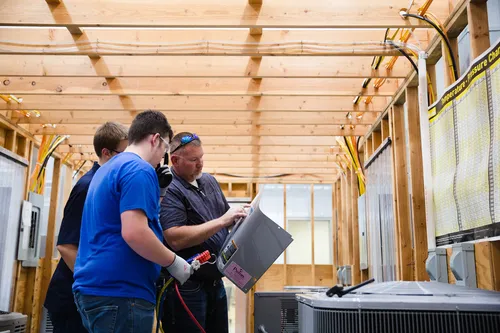
Best HVAC is an HVAC company serving Stockton, CA, and the surrounding areas, including Modesto. They provide a wide range of services such as air conditioning installation, repair, and maintenance, heating system services including furnaces, heat pumps, ductless mini splits, and geothermal systems, as well as indoor air quality solutions like duct cleaning and air purifier installation. The company also offers commercial HVAC services, including new system installation and maintenance programs. With over 25 years of experience, Best HVAC emphasizes problem-solving and offers a lifetime warranty on new system installations.
Air Heating Masters San Jose
313 Piercy Rd, San Jose, CA 95138
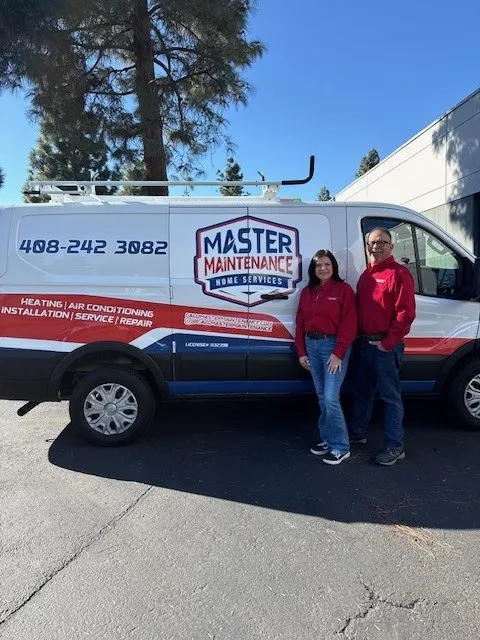
Air Heating Masters San Jose is a geothermal heat pump and HVAC installation contractor based in San Jose, CA. They specialize in home temperature control systems that offer energy efficiency and low maintenance by using geothermal technology. Their services include installation, maintenance, and repair of heating and cooling systems that transfer energy between the home and the earth through an underground loop system. With over fifty years of experience in geothermal technology, they provide systems that operate quietly and reliably. The company also offers 24-hour emergency service for urgent needs.
Kailey Air Systems
3633 Norwood Ave, San Jose, CA 95148
Kailey Air Systems is an HVAC company based in San Jose, CA, offering installation, repair, and maintenance services for a wide range of heating and cooling systems. They service major HVAC equipment including air conditioners, furnaces, heat pumps, boilers, mini splits, and geothermal heat pumps. Their certified technicians work throughout San Jose and nearby cities such as Santa Clara, Sunnyvale, Mountain View, and others, providing comprehensive HVAC solutions.
How Geothermal Systems Work: Harnessing the Earth's Energy
Unlike traditional air-source heat pumps or furnaces that battle Fremont's variable air temperatures, a ground-source heat pump exchanges heat with the earth. Just a few feet below the surface, the ground maintains a remarkably stable temperature year-round, typically between 50-60°F in this region. This constant temperature is the key to the system's exceptional efficiency.
The core process involves a closed loop of pipes, called a ground loop, buried in your yard. A water-based fluid circulates through these pipes. In the winter, this fluid absorbs the earth's natural warmth. The heat pump inside your home then concentrates this low-grade heat and distributes warm air through your ducts or as hot water through a radiant system 1 2. In the summer, the process simply reverses: the system extracts heat from your home and transfers it into the cooler ground, providing air conditioning 3. Because it's moving existing heat rather than generating it through combustion or intense electrical resistance, a geothermal system can deliver up to four units of heating or cooling for every one unit of electricity it uses.
Types of Ground Loops for Fremont Properties
The design of the underground piping is the most critical site-specific component of a geothermal installation. The right loop for your home depends on your lot size, soil composition, and local geology. The main configurations are:
Closed-Loop Systems This is the most common type of geothermal installation. A sealed loop of high-density polyethylene pipe is buried and filled with a heat-transfer fluid. There are two primary designs:
- Horizontal Loop: Pipes are laid in trenches dug 4 to 8 feet deep. This requires a larger, open area of land but is often less expensive than vertical drilling if the space is available 4 5.
- Vertical Loop: For homes with smaller lots, pipes are inserted into boreholes drilled 200 to 500 feet deep. While the drilling cost is higher, a vertical loop has a smaller surface footprint and can be more efficient due to deeper, more stable ground temperatures 6 7.
Open-Loop Systems This configuration uses groundwater from a well or a nearby pond or lake as the direct heat exchange fluid. After circulating through the heat pump, the water is returned to a second well or discharged back to the water body. While highly efficient, open-loop systems require an adequate, sustainable water source and must comply with local water use regulations.
Hybrid Systems Also known as combination systems, these pair a geothermal ground loop with a supplemental heat source, such as a traditional outdoor air condenser. This can be a cost-effective solution for properties where installing a full-sized ground loop is challenging, allowing for a smaller loop that handles the bulk of the heating and cooling load 8.
The Installation Process: What to Expect
Installing a geothermal heating and cooling system is a significant project that requires careful planning and expert execution. Here's a general overview of the steps involved:
- Site Evaluation and Design: A qualified installer will assess your property to determine the best loop type and size. This involves evaluating soil conditions, available land, and your home's heating and cooling loads. Proper sizing is crucial for efficiency and longevity 9.
- Ground Loop Installation: This is the most substantial phase. For a horizontal system, excavation equipment will dig the necessary trenches. For a vertical system, a drilling rig will create the boreholes. The pipe is then placed, connected, and pressure-tested to ensure there are no leaks 10.
- Heat Pump Unit Installation: The indoor heat pump unit, which is about the size of a small refrigerator, is installed in a basement, utility closet, or garage. It connects to the ground loop and to your home's existing ductwork or hydronic piping system 11.
- System Startup and Commissioning: Once everything is connected, the system is filled, purged of air, and started. The contractor will test all components, verify refrigerant charge, and ensure the system is operating at peak efficiency before handing it over to you.
A major benefit homeowners notice immediately is the quiet operation. Since there is no loud outdoor condenser unit fighting with ambient air temperatures, the system runs very quietly, with most of the mechanical noise contained within the indoor unit 12.
Find the perfect geothermal heat pump contractors for your needs
Get personalized recommendations and expert advice
Understanding Costs, Savings, and Incentives
The decision to install a geothermal system is a long-term investment in your home's comfort, value, and energy independence. While the upfront cost is higher than a conventional system, the financial picture over time is compelling.
Upfront Investment For a typical Fremont home, a complete geothermal heat pump system installation can range from $12,000 to over $45,00013 14. The final cost depends heavily on the loop type (vertical drilling is more expensive than horizontal trenching), the size and capacity of the heat pump needed for your home, and the specific conditions of your property.
Long-Term Energy Savings This is where geothermal systems shine. By leveraging the earth's consistent temperature, they operate with remarkable efficiency. Homeowners can see reductions of up to 65% on their heating and cooling energy bills compared to standard systems 15 16. Over the 20- to 50-year lifespan of the ground loop, these savings add up significantly, often leading to a payback period on the initial investment within 5 to 8 years17.
Available Financial Incentives To encourage the adoption of clean energy, substantial incentives are available:
- Federal Tax Credits: The Inflation Reduction Act offers a tax credit for qualified geothermal heat pump installations, which can cover a significant percentage of the project cost, including labor.
- Local Utility Rebates: Always check with your local Fremont-area utility providers. Many offer rebates for installing high-efficiency geothermal systems, which can further reduce your net cost.
When evaluating quotes, consider the total cost of ownership, not just the installation price. The combination of lower monthly bills, minimal maintenance, high durability, and available incentives makes a ground-source heat pump a financially savvy choice for many homeowners in the area.
Choosing a Qualified Geothermal Installer in Fremont
Selecting the right contractor is the most important step in your geothermal journey. This is a specialized field that requires specific expertise in geology, hydrology, drilling, and high-performance HVAC. Look for installers with certifications from organizations like the International Ground Source Heat Pump Association (IGSHPA). They should conduct a detailed Manual J load calculation for your home and provide a comprehensive proposal that includes loop design, equipment specifications, and a clear breakdown of costs and projected savings. A reputable professional will also help you navigate the available federal and local incentives.
Frequently asked questions
Sources
Footnotes
-
Geothermal Heat Pumps | WBDG - Whole Building Design Guide - https://www.wbdg.org/resources/geothermal-heat-pumps ↩
-
Geothermal (Ground Source) Heat Pumps - NY.gov - https://cleanheat.ny.gov/geothermal-heat-pumps/ ↩
-
Cold Climate Ground Source Heat Pumps: Ultimate Guide - https://igshpa.org/igshpa-blog/cold-climate-ground-source-heat-pumps-ultimate-guide/ ↩
-
Geothermal Heat Pump and Ground Loop Technologies - https://efiling.energy.ca.gov/GetDocument.aspx?tn=73451 ↩
-
Ground source heat pumps: horizontal collectors Vs. vertical boreholes - https://www.mesh-energy.com/insights/ground-source-heat-pumps-horizontal-collectors-vs-vertical-boreholes ↩
-
All You Need to Know About Home Geothermal Heating & ... - https://dandelionenergy.com/all-you-need-to-know-about-home-geothermal-heating-cooling ↩
-
Geothermal Heat Pumps - Department of Energy - https://www.energy.gov/energysaver/geothermal-heat-pumps ↩
-
Installing a Geothermal Heat Pump: A Step-by-Step Guide - Oreate AI - https://www.oreateai.com/blog/installing-a-geothermal-heat-pump-a-stepbystep-guide/cc40f3e6f94e7650273ecbd9332b7668 ↩
-
Geothermal Heating, Cooling, and Hot Water Systems - https://igshpa.org/wp-content/uploads/Homeowners-Guide-to-Geothermal.pdf ↩
-
What You Need To Know About Ground-Source Heat Pump Systems - https://www.drilcorp.com/what-you-need-to-know-about-ground-source-heat-pump-systems/ ↩
-
How a Geothermal Heat Pump Works | This Old House - https://www.youtube.com/watch?v=d5Tbsx3R2T8 ↩
-
FAQs • What types of ground-source heat pumps and configurat - https://concordma.gov/FAQ.aspx?QID=484 ↩
-
How Does A Geothermal Heat Pump Work? Complete 2025 Guide - https://solartechonline.com/blog/how-does-geothermal-heat-pump-work/ ↩
-
The California Buyers Guide to Geothermal Heat Pump Systems - https://www.californiageo.org/wp-content/uploads/CA-Buyers-Guide-for-Geothermal-HP-revised-12-13-24.pdf ↩
-
5 Things You Should Know about Geothermal Heat Pumps - https://www.energy.gov/cmei/articles/5-things-you-should-know-about-geothermal-heat-pumps ↩
-
Guide to Geothermal Heat Pumps - https://www.energy.gov/sites/prod/files/guide_to_geothermal_heat_pumps.pdf ↩
-
Civil Engineering - https://engineering.fresnostate.edu/civil-geomatics/documents/Groundsource%20Heat%20Pumps%20in%20the%20Central%20Valley.pdf ↩