Find the Best Geothermal Heat Pump Contractors for Your Business
No obligation • Fast responses • Nationwide coverage

Why you can trust HVAC Firms
HVAC Firms is a leading United States resource for evaluating HVAC service providers. Our team researches companies, checks credentials, and reviews customer feedback to present clear, unbiased information. Listings and rankings are based on merit, and companies cannot pay to change our editorial content.
Search providers near you
Best Geothermal Heat Pump Contractors in California Ranked
A geothermal heat pump (GHP) is a highly efficient heating and cooling system that uses the stable temperature of the earth to regulate your home's climate. For California homeowners and businesses, this technology offers a path to significant long-term energy savings and reduced carbon emissions, despite a higher initial investment. This guide explains the key considerations for installing a geothermal system in California, from state-specific incentives and regulations to site suitability and costs, helping you connect with qualified local professionals for your project.
Just Rite Air Heating & Cooling Santa Clarita
25030 Avenue Stanford suite 70, Santa Clarita, CA 91355
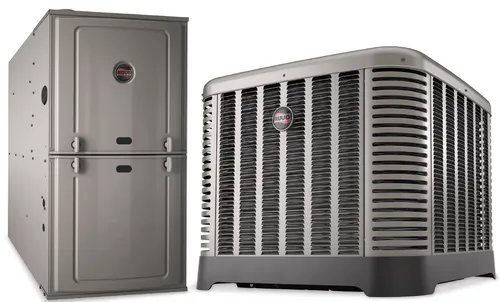
Just Rite Air Heating & Cooling Santa Clarita provides comprehensive HVAC services in Santa Clarita, CA. They specialize in the installation, repair, and maintenance of heating and cooling systems including furnaces, air conditioners, heat pumps, boilers, ductless mini-splits, and geothermal heat pumps. Their services also cover indoor air quality solutions such as air purifiers, humidifiers, and duct cleaning. The company handles diagnostics and repairs for various HVAC components and offers system tune-ups to maintain efficiency. They serve the entire Santa Clarita Valley including Valencia, Saugus, Canyon Country, and Newhall.
Huft Home Services Elk Grove
10103 Iron Rock Way, Elk Grove, CA 95624
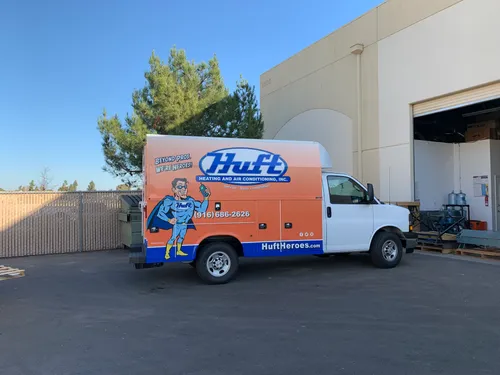
Huft Home Services Elk Grove provides heating and cooling solutions in Sacramento, CA. They offer repair, installation, replacement, and maintenance services for a wide range of HVAC equipment including air conditioners, furnaces, heat pumps, boilers, mini splits, and geothermal heat pumps. The company is known for clear pricing and experienced technicians who provide advice tailored to each home's needs. Huft Home Services has been a preferred provider in the area for many years.
Huft Home Services Sacramento
Sacramento, CA
Huft Home Services Sacramento provides heating and cooling solutions in Sacramento, CA. Their team handles repairs, installations, replacements, and maintenance for a wide range of HVAC equipment including air conditioners, furnaces, heat pumps, boilers, mini splits, and geothermal heat pumps. The company is known for responding quickly to comfort needs and offers transparent pricing without hidden fees. With years of experience, Huft Home Services combines skilled technicians, plumbers, and comfort advisors to deliver knowledgeable and reliable service tailored to each home.
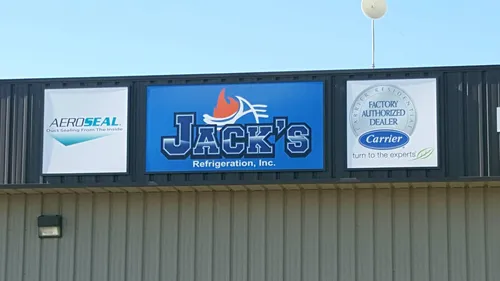
Jack's Refrigeration
2539 Simpson St, Kingsburg, CA 93631
Jack's Refrigeration is an HVAC company serving Fresno, CA, and the surrounding Central Valley communities. They provide a range of services including air conditioning and furnace repair, installation of HVAC and geothermal heat pump systems, duct cleaning, and indoor air quality improvements. With over 60 years of experience, Jack's Refrigeration offers expertise in duct sealing using Aeroseal technology to enhance comfort and energy efficiency. They serve both residential and commercial customers and have a long history of supporting local homes and businesses.
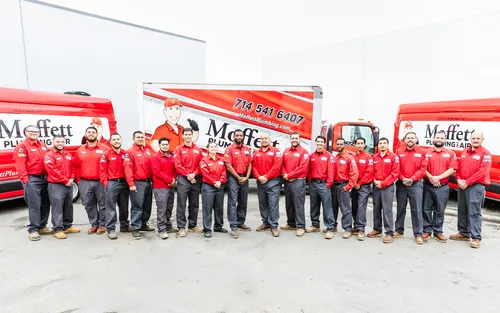
Moffett Plumbing & Air
13950 Milton Ave, Westminster, CA 92683
Moffett Plumbing & Air is a plumbing and HVAC company serving Long Beach, CA, and the surrounding Orange County area. They offer a wide range of services including air conditioning, furnace, heat pump, and boiler repair and installation, as well as duct cleaning, thermostat installation, indoor air quality services, and geothermal heat pump work. Established in 1969, Moffett Plumbing & Air has built a reputation for dependable service and community focus, treating customers with respect and care. Their team is known for professional workmanship and efficiency.
Understanding Geothermal Heat Pump Technology
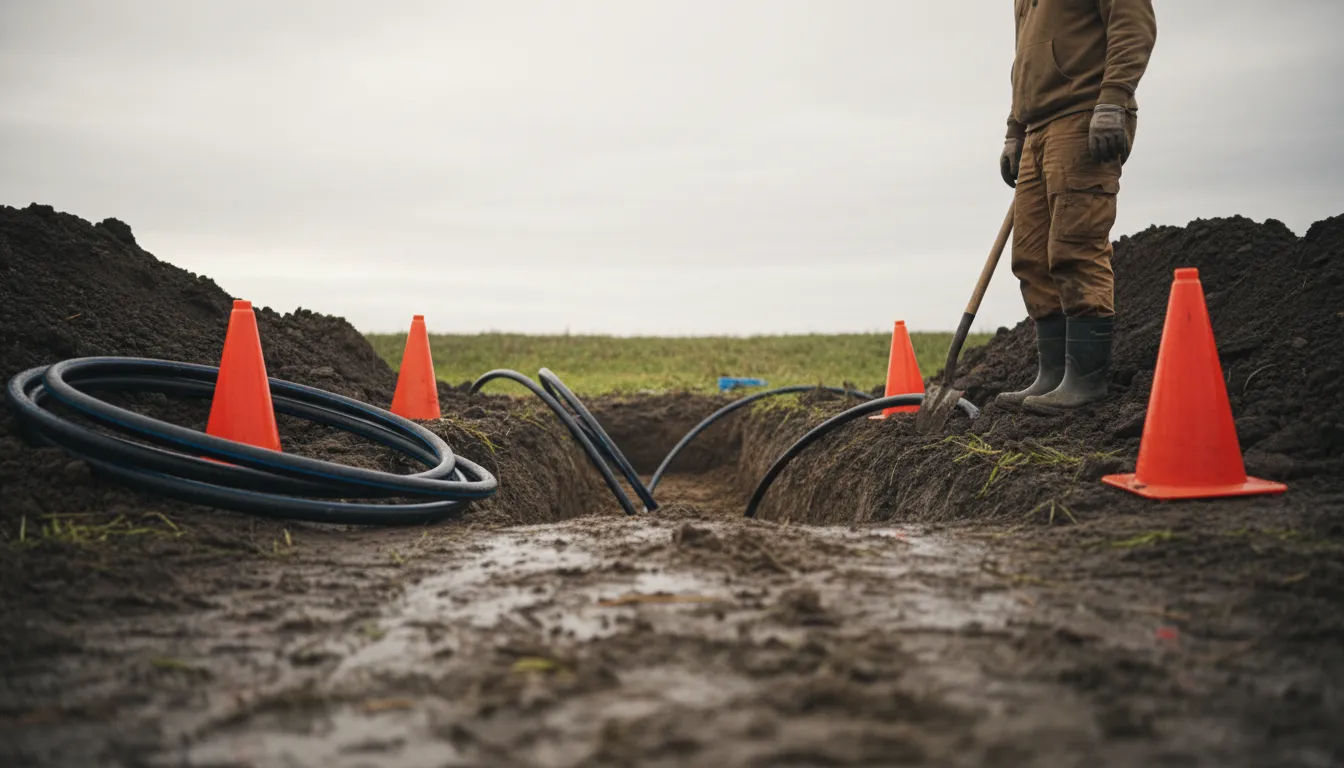
Often called ground-source heat pumps, these systems work by exchanging heat with the ground through a network of buried pipes, known as a ground loop. In the winter, fluid circulating in the loop absorbs the earth's natural warmth and carries it to the heat pump inside your home. In the summer, the process reverses, pulling heat from your building and depositing it into the cooler ground. This process is far more efficient than conventional systems that battle extreme outdoor air temperatures, leading to energy savings of 25% to 50%.
The core components are the indoor heat pump unit and the outdoor ground loop. The loop can be installed horizontally in trenches if space allows, or vertically in deep boreholes for smaller lots, which is more common in many parts of California. The efficiency and longevity of a geothermal system-often 20+ years for the indoor unit and 50+ years for the ground loop-make it a durable, long-term investment for your property.
California's Landscape for Geothermal Systems
California's diverse climate and progressive energy policies create a unique environment for geothermal heat pump adoption. While the state's mild coastal climates reduce heating and cooling loads, the efficiency of GHPs still provides substantial savings, especially in inland areas with greater temperature swings. State and local governments actively support the transition to clean energy technologies, making geothermal a strategic choice for meeting sustainability goals.
However, the high upfront cost remains the primary barrier. A complete geothermal installation in California typically costs two to three times more than a conventional high-efficiency HVAC system. This cost is largely driven by the expense of drilling and installing the ground loop, which can vary dramatically based on your property's geology and the type of loop system required.
Financial Incentives and Rebates
To offset the initial investment, a robust combination of federal and state incentives is available to California residents.
Federal Tax Credits: The federal Residential Clean Energy Credit (part of the Inflation Reduction Act) provides a tax credit of 30% of the total installed cost of a qualifying geothermal heat pump system, with no upper limit through 2032 1. This can translate to a credit of several thousand dollars on an average installation.
State and Local Programs:
- TECH Clean California: This initiative offers rebates for installing clean heating and cooling technologies, including heat pumps, for income-qualified homeowners and multifamily property owners.
- Local Utility Rebates: Many California utility companies, such as PG&E, SCE, and SDG&E, offer additional rebates for high-efficiency heat pumps. It's essential to check with your specific provider for available offers.
- Property Assessed Clean Energy (PACE) Financing: Available in many California counties, PACE financing allows homeowners to pay for energy improvements through a special assessment on their property tax bill over a longer term.
Combining these incentives can reduce the net cost of a system by 30% to 50%, dramatically improving the return on investment.
Regulations, Permits, and Installation Standards
Installing a geothermal system in California involves navigating specific regulations designed to ensure safety and environmental protection.
State Standards: The California Energy Commission (CEC) sets guidelines for ground loop installation, including standards for drilling, grouting, and well logging to protect groundwater resources 2. Reputable installers are familiar with these requirements.
Local Permitting: The most variable part of the process is local permitting. You will need permits from your city or county building department, which typically cover:
- Drilling/Excavation Permit: Required for the ground loop installation.
- Mechanical Permit: For the heat pump unit and associated ductwork or piping.
- Electrical Permit: For the system's electrical connections.
Permit costs, requirements, and review timelines can vary significantly between jurisdictions, especially in areas with strict groundwater management rules. This variability can impact both the project timeline and total cost 3 4.
The Installation Process:
- Site Assessment: A qualified installer or geologist evaluates your property's soil composition, rock content, water table, and available space to determine the optimal loop type and design 5.
- System Design: A Manual J load calculation is performed to size the system correctly, followed by detailed loop field design.
- Permitting: Your installer submits plans and secures the necessary local permits.
- Loop Installation: Drilling rigs or excavation equipment install the ground loop. For vertical systems, this involves drilling boreholes typically 150 to 400 feet deep.
- Indoor Unit Installation: The heat pump unit is installed and connected to the ground loop and your home's ductwork or hydronic system.
- Inspections & Commissioning: Local inspectors verify the drilling and mechanical work. The installer then commissions the system, ensuring it operates efficiently.
The entire process from start to finish usually takes between one and two weeks.
Find the perfect geothermal heat pump contractors for your needs
Get personalized recommendations and expert advice
Cost Breakdown for California Homeowners
Understanding the cost components is crucial for budgeting. Prices can vary widely based on system size, loop type, and site conditions.
- Total Installed Cost: For a typical residential system, total costs in California generally range from $12,000 to over $40,000. The wide range is due to the ground loop, which is the single largest expense.
- Ground Loop Cost: This can start around $9,000 for a basic horizontal loop and increase to $20,000 or more for deep vertical boreholes required for a 3- to 5-ton system on a small lot 6 7.
- Heat Pump Unit & Installation: The indoor heat pump unit itself may cost between $2,200 and $4,400, with additional costs for installation labor, ductwork modifications, and electrical work 8.
While these figures are substantial, the operational savings are significant. Homeowners often see a 30-70% reduction in heating and cooling energy use, which can lead to a payback period of 5 to 15 years when incentives are factored in 9.
Soil, Geology, and Site Suitability
Your property's physical characteristics are the most important factor in determining feasibility and cost.
- Soil and Rock: Soft, easy-to-drill soil is ideal and less expensive. Rocky subsurface conditions or hard bedrock can significantly increase drilling time and costs for vertical loops.
- Water Table: A high water table can be beneficial for "groundwater" or "pond" loop systems, but it also introduces complexity regarding permits and potential water rights.
- Space Availability: Horizontal loop systems require a large, open area of land (often several thousand square feet) for trenching. Vertical loops are the solution for smaller urban or suburban lots but come at a higher drilling cost.
- Landscaping and Access: The installation process requires heavy equipment access to the yard for drilling or excavation, which may affect existing landscaping, driveways, or fences.
A professional site evaluation is non-negotiable to accurately assess these factors and provide a reliable quote.
Choosing a Qualified Installer in California
Given the complexity and long-term nature of a geothermal installation, selecting the right professional is critical. Look for a contractor with specific, proven experience in geothermal or ground-source heat pump systems, not just general HVAC.
Key credentials include:
- Certifications: Look for installers certified by the International Ground Source Heat Pump Association (IGSHPA) or who have manufacturer-specific training.
- Licensing: Ensure they hold a valid California contractor's license (C-20 for warm-air heating, ventilation and air-conditioning, or C-36 for plumbing, which may cover ground loops).
- References & Portfolio: Ask for references from past geothermal projects and, if possible, visit a completed installation.
- Comprehensive Service: The best providers handle the entire process: site assessment, system design, permitting, installation, and post-installation service.
A proper design that correctly sizes both the heat pump and the ground loop is essential for efficiency, comfort, and system longevity. An undersized loop will lead to poor performance, while an oversized system increases costs without benefit.
Long-Term Benefits and Considerations
Beyond monthly utility savings, geothermal heat pumps offer distinct advantages:
- Durability: The protected, underground loop has a lifespan of 50+ years, and the indoor unit often lasts 20 years or more with minimal maintenance 10 11.
- Comfort: These systems provide consistent, even heating and cooling without the drafts or temperature swings common with forced-air systems.
- Quiet Operation: With no loud outdoor condenser unit, GHPs operate very quietly.
- Low Maintenance: Routine maintenance primarily involves checking the indoor unit, filters, and fluid levels, similar to a conventional system.
- Environmental Impact: By using renewable thermal energy from the ground and electricity, GHPs drastically reduce your home's carbon footprint compared to fossil fuel systems.
For California homeowners committed to energy independence, long-term savings, and environmental stewardship, a geothermal heat pump represents a forward-thinking investment that aligns with the state's clean energy future.
Frequently asked questions
Sources
Footnotes
-
California Heat Pump Incentives: 2024 Guide - EnergySage - https://www.energysage.com/heat-pumps/california-heat-pump-incentives/ ↩
-
Complete Guide to Heat Pump Installation in CA - https://www.calveyheatingandair.com/blog/heat-pump-installation-california-guide/ ↩
-
Geothermal Heat Pump and Ground Loop Technologies - https://efiling.energy.ca.gov/GetDocument.aspx?tn=73451 ↩
-
The Complete Guide To Geothermal Heat Pump Installation - https://ultrageothermal.com/the-complete-guide-to-geothermal-heat-pump-installation/ ↩
-
How It Works: The Geothermal Installation Process - https://www.awheatingandcooling.com/blog/geothermal-service/how-it-works-the-geothermal-installation-process/ ↩
-
Low-Cost, Large-Diameter Shallow Ground Loops for ... - https://www.energy.ca.gov/sites/default/files/2021-05/CEC-500-2021-009.pdf ↩
-
The California Buyers Guide to Geothermal Heat Pump Systems - https://www.californiageo.org/wp-content/uploads/CA-Buyers-Guide-for-Geothermal-HP-revised-12-13-24.pdf ↩
-
Geothermal Energy Installers in California - Environment Co - https://environment.co/geothermal-energy-installers/california/ ↩
-
Ground Source Heat Pump Cost: How Much Will You Pay in 2025? - https://www.energysage.com/heat-pumps/costs-benefits-geothermal-heat-pumps/ ↩
-
geothermal heat pump installations in California - https://www.californiageo.org/geothermal-heat-pump-installations-in-california/ ↩
-
Installation ... - Geothermal Heat Pump Repair California (CA) - https://geothermalheatpumprepairs.netlify.app/ca/ ↩