Find the Best Geothermal Heat Pump Contractors for Your Business
No obligation • Fast responses • Nationwide coverage

Why you can trust HVAC Firms
HVAC Firms is a leading United States resource for evaluating HVAC service providers. Our team researches companies, checks credentials, and reviews customer feedback to present clear, unbiased information. Listings and rankings are based on merit, and companies cannot pay to change our editorial content.
Search providers near you
Top Geothermal Heat Pump Contractors in West Covina, California Ranked
Geothermal heat pumps, also known as ground-source heat pumps, are a highly efficient method for heating and cooling your home by leveraging the earth's stable underground temperature. For West Covina residents, this technology offers a path to significant energy savings and reduced environmental impact. This guide explains how these systems work, the installation process, and how you can connect with qualified local professionals to explore options for your property.
Moffett Plumbing & Air
13950 Milton Ave, Westminster, CA 92683
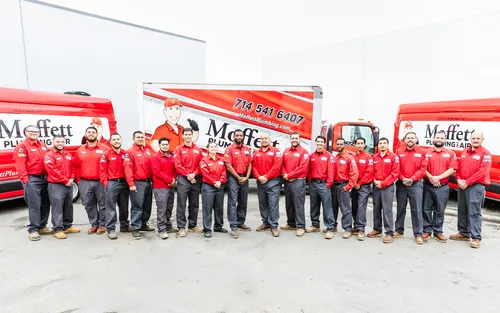
Moffett Plumbing & Air is a plumbing and HVAC company serving Long Beach, CA, and the surrounding Orange County area. They offer a wide range of services including air conditioning, furnace, heat pump, and boiler repair and installation, as well as duct cleaning, thermostat installation, indoor air quality services, and geothermal heat pump work. Established in 1969, Moffett Plumbing & Air has built a reputation for dependable service and community focus, treating customers with respect and care. Their team is known for professional workmanship and efficiency.
NexGen HVAC & Plumbing
10820 Mulberry Ave, Fontana, CA 92337
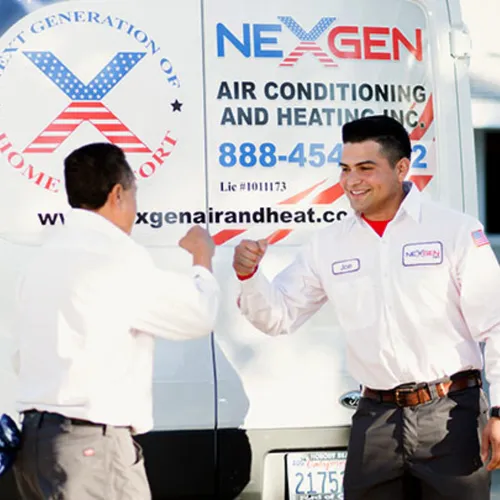
NexGen HVAC & Plumbing is a full-service contractor based in Riverside, CA, offering a wide range of heating, cooling, and plumbing services. They handle installation, repair, and maintenance of air conditioners, heat pumps, furnaces, ductless mini-splits, and geothermal systems. Their plumbing services include leak detection, drain cleaning, sewer repair, and gas line inspection. NexGen is equipped to service both residential and commercial properties and uses advanced technology such as high-tech camera inspections for plumbing diagnostics. They provide 24/7 emergency service to address urgent HVAC and plumbing issues promptly.
Nelson Air Heating & Air Conditioning
5062 Casa Oro Dr, Yorba Linda, CA 92886
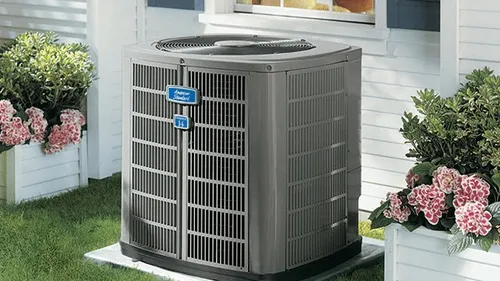
Nelson Air Heating & Air Conditioning provides HVAC installation services in Anaheim, CA. They handle installation for a variety of systems including air conditioners, furnaces, heat pumps, boilers, mini splits, and geothermal heat pumps for both residential and commercial clients. The company installs all major HVAC brands and emphasizes quality materials, efficiency, and workmanship.
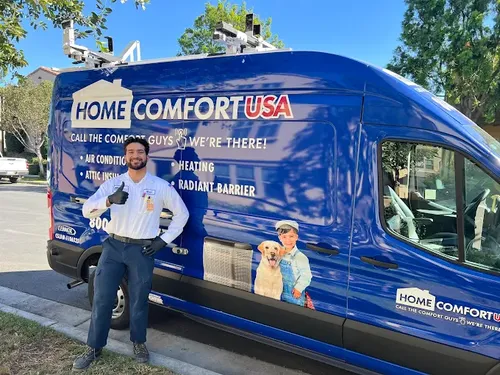
Comfort Elite HVAC
1080 N Batavia St Ste N, Orange, CA 92867
Comfort Elite HVAC provides a wide range of heating, air conditioning, and indoor air quality services in Los Angeles, CA. With over 10 years of experience, they handle installation, repair, and maintenance for systems including heat pumps, furnaces, mini splits, and geothermal heating. Their services cover air duct cleaning, air purification, and refrigerant recharge, aiming to improve home comfort and air quality. Comfort Elite HVAC offers 24/7 emergency repair services and same-day responses to HVAC issues, ensuring timely assistance for heating and cooling needs.
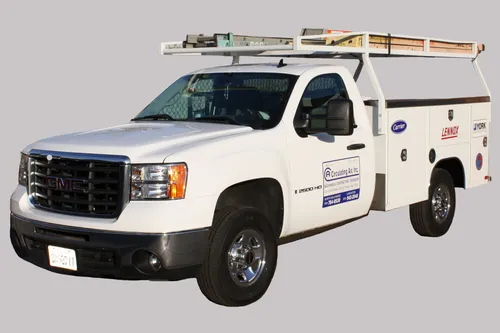
Circulating Air, Inc.
7337 Varna Ave, North Hollywood, CA 91605
Circulating Air, Inc. is an HVAC company based in Los Angeles, CA, providing a wide range of heating and cooling services. They handle air conditioning and furnace installation, repair, and maintenance, including ducted central systems, ductless mini splits, and geothermal heat pumps. The company also offers indoor air quality services to improve home comfort beyond temperature control. Circulating Air, Inc. serves residential, commercial, and industrial clients with experienced technicians equipped to manage complex HVAC systems. Their planned maintenance service helps ensure reliable operation of heating and cooling equipment when needed most.
How Geothermal Heating and Cooling Works
Unlike traditional air-source systems that exchange heat with the outside air, a geothermal system uses the consistent temperature of the earth just below the surface. In many areas, including much of California, the ground a few feet down maintains a relatively constant temperature of 50-60°F year-round. This thermal stability is the key to the system's remarkable efficiency.
In heating mode, a fluid circulating through a buried loop of pipes absorbs the earth's natural warmth. The geothermal heat pump then compresses this low-grade heat, raising its temperature, and distributes the resulting warm air throughout your home via your existing ductwork 1 2. For cooling, the process simply reverses: the system extracts heat from your indoor air and transfers it into the cooler ground loop, effectively air conditioning your home 3 4. This elegant exchange of thermal energy with the ground allows the system to operate with far less electricity than conventional HVAC units.
Types of Ground Loop Systems
The core of any geothermal installation is the ground loop, and the right configuration depends entirely on your property's characteristics. There are four primary types of loops used in residential settings 5.
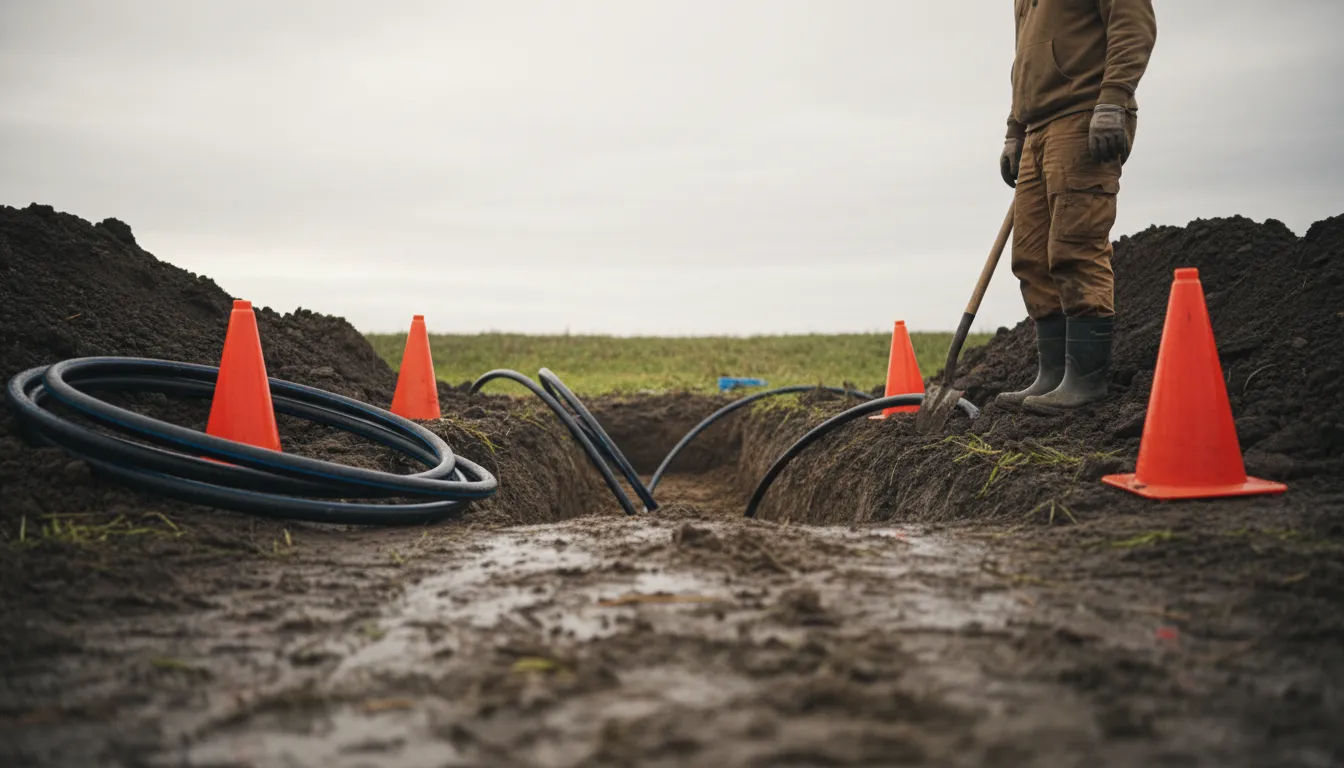
Horizontal Closed Loops are often the most cost-effective option for new construction. They involve digging trenches 4 to 6 feet deep over a large area of land, laying pipes in a series of parallel runs or slinky coils 6 7. This method requires a significant amount of open space but typically has lower installation costs than drilling.
Vertical Closed Loops are the preferred solution for properties with limited land area, which is common in many West Covina neighborhoods. Contractors drill boreholes, typically 150 to 400 feet deep for a residential system, and insert U-shaped pipes into each hole 8 9. While the drilling cost per foot is higher, vertical loops minimize disruption to your yard and landscaping.
Pond/Lake Loops can be a lower-cost alternative if you have a suitable body of water on your property. Coils of pipe are submerged at an adequate depth, where the water's temperature remains stable, to facilitate the heat exchange 10 11.
Open Loop Systems use groundwater directly from a well as the heat exchange fluid. After passing through the heat pump, the water is returned to a second well (a "return well") or discharged to a pond or stream in accordance with local regulations. This option requires an abundant, high-quality water source and strict adherence to environmental codes.
The Geothermal Installation Process in West Covina
Installing a ground-source heat pump is a significant project that requires careful planning and certified professionals. The process generally follows these key steps:
- Site Evaluation and Design: A qualified installer will assess your property's soil composition, rock content, available land, and groundwater. This evaluation is critical for determining the most effective and economical loop type and sizing the entire system correctly for your home's heating and cooling loads.
- Ground Loop Installation: This is the most intensive phase. For a horizontal system, trenching equipment will dig the necessary network. For a vertical system, a drilling rig will create the boreholes. The high-density polyethylene piping is then placed, connected, and pressure-tested to ensure integrity before the trenches or boreholes are backfilled 12.
- Indoor Unit Installation: The geothermal heat pump unit itself is installed inside your home, typically in a basement, utility room, or garage. It is connected to the ground loop piping and to your home's existing ductwork or hydronic (radiant) distribution system 13.
- Final Connections and Commissioning: The system is connected to your electrical panel, the refrigerant circuit is charged, and all components are tested. The contractor will start up the system, balance the airflow, and ensure it is operating at peak efficiency before handing it over to you 14 15.
Local Considerations for Trenching and Drilling
West Covina's specific geology will influence the installation. The soil and rock conditions affect how easily trenches can be dug or boreholes drilled, which in turn impacts the project's timeline and cost 16. A reputable installer will be familiar with local conditions and permitting requirements. They must adhere to California's well standards and local ordinances to protect groundwater and ensure a safe, long-lasting installation 17 18.
Find the perfect geothermal heat pump contractors for your needs
Get personalized recommendations and expert advice
Understanding Costs and Long-Term Savings
The upfront investment for a residential geothermal system is higher than for a conventional air conditioner and furnace. A typical whole-home installation can range from $12,000 to $45,000, with the ground loop work representing a substantial portion of that cost 19. However, the operational savings are where geothermal technology truly shines.
Homeowners in West Covina who switch to a geothermal heat pump can expect significant reductions in their energy bills. Savings typically range from 30% to 70% on heating costs and 20% to 50% on cooling costs compared to conventional systems 20 21 22. Annually, this can translate to $400 to $1,500 or more in energy savings 23 24. The U.S. Environmental Protection Agency (EPA) notes that geothermal systems use 25% to 50% less electricity than standard systems 25. For many homeowners, the payback period-the time it takes for energy savings to equal the initial investment-can be as short as five to ten years 26 27.
Financial Incentives and Home Value
A powerful incentive is the federal residential energy tax credit, which can cover a significant percentage of the total installed cost, including the ground loop and new heat pump unit. This credit makes the investment more accessible and improves the financial return. Furthermore, installing a geothermal system can increase your property's value. Studies and appraisers often recognize the permanent reduction in utility costs and the premium, durable nature of the equipment, which can be reflected in your home's market value.
Benefits Beyond Savings
The advantages of geothermal heating and cooling extend well beyond your monthly bill.
- Quiet Operation: The main heat pump unit is located indoors, and there is no loud outdoor condenser unit, leading to a much quieter home environment.
- Durability and Longevity: The indoor components of a geothermal system often last 20-25 years, and the underground polyethylene piping can have a lifespan of 50+ years.
- Improved Comfort: These systems provide exceptionally even heating and cooling without the drafts or temperature swings associated with some forced-air systems.
- Reduced Carbon Footprint: By drastically cutting electricity or natural gas consumption for climate control, you are directly reducing your household's greenhouse gas emissions.
- Low Maintenance: With fewer mechanical parts exposed to the elements and no outdoor unit to clean, geothermal systems generally require less routine maintenance than traditional HVAC systems.
To get a precise estimate of potential savings for your specific West Covina home, the best step is to request a detailed home energy assessment and proposal from an experienced geothermal contractor.
Frequently asked questions
Sources
Footnotes
-
Geothermal Heat Pumps | WBDG - https://www.wbdg.org/resources/geothermal-heat-pumps ↩
-
How Geothermal Heating and Cooling Systems Work | Belle Air - https://www.belleairservices.com/how-geothermal-heating-and-cooling-systems-work/ ↩
-
How Does A Geothermal Heat Pump Work? Complete 2025 Guide - https://solartechonline.com/blog/how-does-geothermal-heat-pump-work/ ↩
-
Geothermal Systems - https://packtimco.com/geothermal-systems/ ↩
-
Guide to Geothermal Heat Pumps - https://www.energy.gov/sites/prod/files/guide_to_geothermal_heat_pumps.pdf ↩
-
Geothermal Installation Steps for Homes | HVAC Experts - https://www.airmechanical.com/blog/geothermal-installation-steps-for-andover-homes/ ↩
-
Geothermal Ground Loop Design | Comfortworks, Inc. - https://comfort.works/ground-loop-design/ ↩
-
Geothermal Heat Pump Installation (Steps, Benefits...) - Panther HVAC - https://pantherhvac.com/blog/geothermal-heat-pump-installation/ ↩
-
Geothermal Well Drilling: 7 Powerful Benefits in 2025 - https://www.crabtreedrilling.com/geothermal-well-drilling/ ↩
-
Geothermal Heat Pumps - Department of Energy - https://www.energy.gov/energysaver/geothermal-heat-pumps ↩
-
Geoexchange - Air Connection - https://acconnections.com/geoexchange/ ↩
-
Geothermal Heat Pump Installation Overview - EnergySage - https://www.energysage.com/heat-pumps/installing-geothermal-heat-pump/ ↩
-
Geothermal Heat - https://www.janescompany.com/products-geothermal/ ↩
-
Ground Source Heat Pump Installation Guide - https://www.sl-energy.co.uk/ground-source-heat-pump/ ↩
-
AC Installation: What Does the Process Include? | Fox Heating - https://www.foxmechllc.com/ac-installation-what-does-the-process-include/ ↩
-
Geothermal Heat Pump and Ground Loop Technologies - https://efiling.energy.ca.gov/GetDocument.aspx?tn=73451 ↩
-
Ground Source Heat Pump Installation and Design Guideline - https://www.saltlakecounty.gov/globalassets/1-site-files/health/programs/construction--contractors/guidelines_gshp.pdf ↩
-
Understanding Earth Loops for Geothermal Systems - https://www.tchvac.net/news/understanding-earth-loops ↩
-
Geothermal Heat Pumps - Carrier - https://www.carrier.com/us/en/residential/geothermal-heat-pumps/ ↩
-
The California Buyers Guide to Geothermal Heat Pump Systems - https://www.californiageo.org/wp-content/uploads/CA-Buyers-Guide-for-Geothermal-HP-revised-12-13-24.pdf ↩
-
What Is The Value Of A Geothermal Heat Pump To My Home? - https://www.comfortzoneweiser.com/what-is-the-value-of-a-geothermal-heat-pump-to-my-home/ ↩
-
Geothermal Heat Pumps - EnergySmart CNY - https://www.energysmartcny.org/heat-pumps/geothermal/ ↩
-
Geothermal Savings Calculator - https://www.geothermhvac.com/geothermal-heating/savings-calculator/ ↩
-
Geothermal Heat Pump Cost Savings - https://earthrivergeothermal.com/geothermal-heat-pump-cost-savings/ ↩
-
Can A Geothermal System Really Save You Money? Here's the Math - https://www.boehmerheating.com/blog/geothermal/can-a-geothermal-system-really-save-you-money-heres-the-math/ ↩
-
Geothermal for Consumers - CaliforniaGeoCaliforniaGeo - https://www.californiageo.org/geothermal-for-consumers/ ↩
-
Geothermal heat pump systems allow homeowners and businesses to use the heat under their feet for cooling and heating their homes and buildings. Even though the installation price of a geothermal system can be several times that of an air-source system of the same heating and cooling capacity, the additional costs are returned to you in energy savings in 5 to 10 years. Learn more about this increasingly affordable and accessible energy source in our Energy 101 video. | Energy Saver - https://www.facebook.com/energysavergov/videos/energy-101-geothermal-heat-pumps/10156088277118057/ ↩