
Find the Best Geothermal Heat Pump Contractors for Your Business
No obligation • Fast responses • Nationwide coverage

Why you can trust HVAC Firms
HVAC Firms is a leading United States resource for evaluating HVAC service providers. Our team researches companies, checks credentials, and reviews customer feedback to present clear, unbiased information. Listings and rankings are based on merit, and companies cannot pay to change our editorial content.
Search providers near you
Top Geothermal Heat Pump Contractors in Santee, California Ranked
A geothermal heat pump is a highly efficient heating and cooling system that leverages the earth's stable underground temperature to regulate your home's climate. For Santee homeowners, this technology offers a powerful way to reduce energy bills and environmental impact while ensuring year-round comfort. This guide explains how these ground-source systems work, what installation entails, and how you can connect with qualified local experts to explore your options.
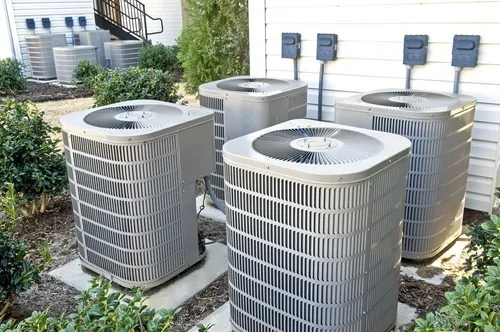
SD Heating and Air Conditioning Pro
San Diego, CA
SD Heating and Air Conditioning Pro is an HVAC company based in San Diego, CA, offering installation and repair services for air conditioning, furnaces, heat pumps, boilers, mini splits, and geothermal heat pumps. Their team of trained technicians handles a wide range of heating and cooling systems to help customers maintain comfort throughout the year.
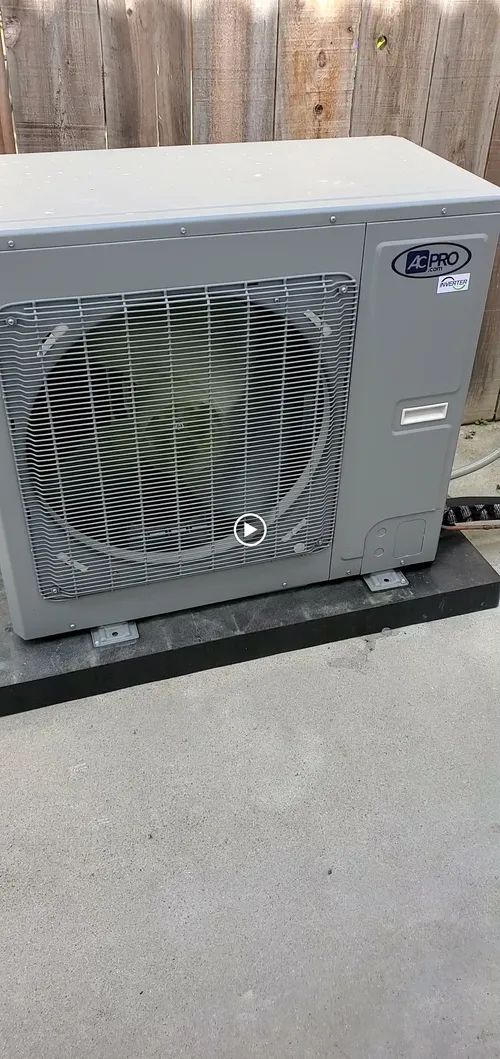
HQ Kisso Air Conditioning
San Diego, CA
HQ Kisso Air Conditioning is an HVAC company based in San Diego, CA, offering a wide range of services including installation, repair, and maintenance of air conditioners, furnaces, heat pumps, boilers, mini splits, and geothermal heat pumps. The team provides personalized HVAC solutions tailored to the specific needs of homes and businesses, ensuring efficient and reliable system operation. Their skilled technicians focus on quality workmanship and use trusted products to deliver dependable service.
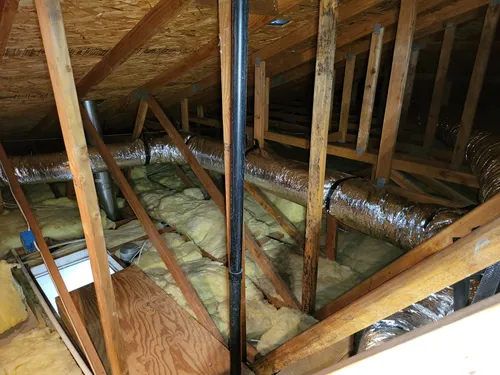
All American Heating and Air (Veteran owned)
Chula Vista, CA
All American Heating and Air (Veteran owned) is an HVAC contractor based in Chula Vista, CA. They provide a range of services including installation, repair, and tune-ups for air conditioning, furnaces, heat pumps, boilers, mini splits, and geothermal heat pumps. The company serves the San Diego and Temecula areas, focusing on quality workmanship and customer satisfaction.
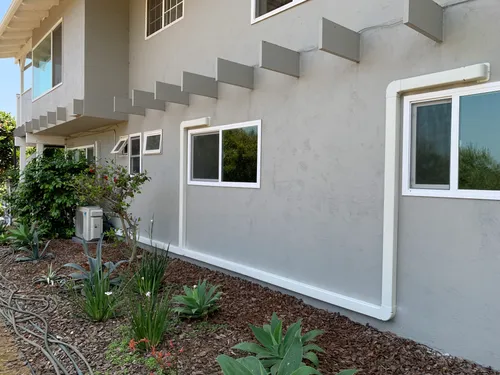
Aireforce Heating & Air Inc.
9316 Abraham Way, Santee, CA 92071
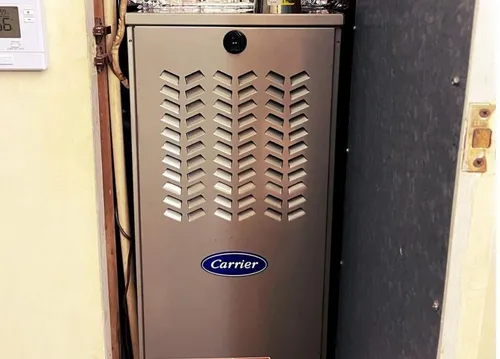
Aireforce Heating & Air Inc. is an HVAC company serving San Diego, CA, and nearby communities. They provide installation, repair, and maintenance services for air conditioners, furnaces, heat pumps, mini splits, geothermal systems, and indoor air quality products. As a Carrier dealer, they offer a range of equipment including programmable thermostats, humidifiers, air cleaners, and zoning products. The company emphasizes customized solutions and has experience installing many systems in the area. Aireforce Heating & Air Inc. offers 24/7 emergency service and service agreements to maintain system performance and reduce emergencies.
Seka Hvac & Appliance Repair, INC
7480 Black Oak Rd, San Diego, CA 92114
Seka Hvac & Appliance Repair, INC provides a range of HVAC services in Chula Vista, CA. They specialize in the installation and repair of air conditioning units, furnaces, heat pumps, boilers, mini splits, and geothermal heat pumps. The company also offers HVAC tune-up services to maintain system efficiency. Seka Hvac & Appliance Repair, INC operates from San Diego, serving the surrounding area with professional HVAC solutions.
How a Geothermal System Works: Tapping into Earth's Constant Energy
Unlike conventional air conditioners and furnaces that fight against Santee's seasonal temperature swings, a geothermal heating and cooling system uses the ground as a thermal battery. Just a few feet below the surface, the earth maintains a remarkably stable temperature of approximately 50-60°F year-round. A geothermal, or ground-source, heat pump capitalizes on this consistency.
The process involves two main components: an underground loop field and an indoor heat pump unit. A water-based solution circulates through pipes buried in your yard, absorbing the earth's gentle warmth in the winter. This warmed fluid is brought inside where the heat pump concentrates the thermal energy and distributes it through your home's ductwork. In the summer, the system reverses, pulling heat from your house and depositing it into the cooler ground 1. This exchange with the stable ground source is what makes geothermal technology vastly more efficient than standard air-source heat pumps1.
Types of Ground Loop Systems for Santee Properties
The underground piping, or loop, is the heart of the system. The right configuration for your Santee home depends on your lot size, soil composition, and local geology. There are three primary types of geothermal loops:
- Horizontal Closed-Loop: This is often the most cost-effective option if space allows. Polyethylene pipes are laid in trenches dug 4 to 6 feet deep. While it requires a significant amount of land, it typically avoids the need for specialized drilling rigs.
- Vertical Closed-Loop: Ideal for smaller residential lots common in many Santee neighborhoods, this system uses boreholes drilled 150 to 200 feet deep. U-shaped loops of pipe are inserted into each hole. Vertical installation minimizes landscape disruption and is less dependent on available surface area, though drilling costs can be higher 2 3.
- Open-Loop System: This method uses groundwater from a well as the direct heat exchange fluid. After passing through the heat pump, the water is returned to the ground via a second well or a suitable discharge point. Open-loop systems can be extremely efficient but require an adequate supply of clean water and must comply with local regulations regarding groundwater use.
A professional installer will assess your property to recommend the most effective and feasible loop design.
The Geothermal Installation Process: What to Expect
Installing a residential geothermal system is a significant project that requires careful planning and expert execution. Understanding the steps can help Santee homeowners prepare.
- Site Evaluation and Load Calculation: A certified technician will first perform a detailed analysis of your home's heating and cooling needs (the "load calculation"). They will also assess your property's soil conditions, rock content, available space, and accessibility to determine the best loop type and size.
- Loop Field Installation: This is the major outdoor phase. For a horizontal system, trenches are excavated. For a vertical system, a drilling rig will create the necessary boreholes. The high-density polyethylene pipe is then placed, connected, and pressure-tested to ensure there are no leaks before the trenches or holes are backfilled.
- Indoor Unit and Connection: The geothermal heat pump unit-which is compact and quiet-is installed inside your garage, basement, or mechanical closet. It is connected to the underground loop on one side and to your home's existing ductwork or hydronic distribution system on the other 4.
- System Startup and Commissioning: Once everything is connected, the system is charged with fluid, powered up, and meticulously tested. The installer will verify all components are operating correctly and efficiently before providing you with instructions on how to use and maintain your new system.
Find the perfect geothermal heat pump contractors for your needs
Get personalized recommendations and expert advice
Financial Considerations: Cost, Savings, and Incentives
The upfront investment for a geothermal heat pump system is higher than for a conventional HVAC system, but the long-term financial benefits are substantial.
- Installation Costs: For a typical Santee single-family home, a complete geothermal system installation can range from $20,000 to over $40,000 5. The final price is influenced by the loop type (vertical drilling is more expensive than horizontal trenching), your home's size, the existing ductwork, and the equipment's capacity.
- Operational Savings: This is where geothermal shines. By using significantly less electricity to move heat rather than create it, these systems can reduce energy bills for heating and cooling by 30% to 70% compared to traditional systems6 7 8. Many homeowners see a payback on their investment through utility savings in 5 to 10 years9 10.
- Rebates and Tax Credits: The federal government offers a tax credit for the installation of qualified geothermal heat pump systems, which can directly reduce your income tax liability. It's crucial to discuss current federal and any potential local or utility incentives with your installer, as these can dramatically lower the net project cost.
Benefits Beyond Bill Savings
The advantages of installing a ground-source heat pump extend well beyond monthly utility statements:
- Superior Comfort: Geothermal systems provide steady, even heating and cooling without the drafts and temperature swings associated with fossil fuel furnaces and standard air conditioners.
- Quiet Operation: With no noisy outdoor condenser unit, the system operates very quietly. The main components are indoors, and the loop field is silently working underground.
- Longevity and Reliability: The underground piping often carries warranties of 25 to 50 years and can last for generations. The indoor heat pump unit typically has a lifespan of 20 years or more, significantly longer than conventional equipment.
- Environmental Impact: By drastically reducing electricity consumption and eliminating on-site fossil fuel combustion (like natural gas), a geothermal system significantly lowers your household's carbon footprint.
- Low Maintenance: With fewer mechanical parts exposed to the elements and no outdoor unit to clean, geothermal systems require relatively simple annual check-ups to ensure peak performance.
Is Geothermal Right for Your Santee Home?
Geothermal technology is a fantastic fit for many homes, but it's not a one-size-fits-all solution. It is an excellent choice if you are building a new home, planning a major renovation, or replacing an aging, inefficient HVAC system. Homeowners with sufficient yard space for a horizontal loop or the budget for vertical drilling are ideal candidates. The best way to determine suitability is to schedule a consultation with a reputable local installer who can provide a detailed assessment and quote specific to your property.
Frequently asked questions
Sources
Footnotes
-
Geothermal Heat Pumps - EnergySmart CNY - https://www.energysmartcny.org/heat-pumps/geothermal/ ↩ ↩2
-
Geothermal Installation Steps Explained - https://ultrageothermal.com/geothermal-installation-steps-explained/ ↩
-
The California Buyers Guide to Geothermal Heat Pump Systems - https://www.californiageo.org/wp-content/uploads/CA-Buyers-Guide-for-Geothermal-HP-revised-12-13-24.pdf ↩
-
Understanding and Evaluating Geothermal Heat Pump Systems - https://www.nyserda.ny.gov/-/media/Project/Nyserda/Files/EERP/Residential/Geothermal/geothermal-manual.pdf ↩
-
Geothermal Heat Pump Guide: Installation Costs, Types And Benefits - https://modernize.com/hvac/heating-repair-installation/heat-pump/geothermal ↩
-
5 Things You Should Know about Geothermal Heat Pumps - https://www.energy.gov/cmei/articles/5-things-you-should-know-about-geothermal-heat-pumps ↩
-
Geothermal Heat Pumps - Department of Energy - https://www.energy.gov/energysaver/geothermal-heat-pumps ↩
-
Guide to Geothermal Heat Pumps - https://www.energy.gov/sites/prod/files/guide_to_geothermal_heat_pumps.pdf ↩
-
How Does A Geothermal Heat Pump Work? Complete 2025 ... - https://solartechonline.com/blog/how-does-geothermal-heat-pump-work/ ↩
-
How Geothermal Heating and Cooling Systems Work | Belle Air - https://www.belleairservices.com/how-geothermal-heating-and-cooling-systems-work/ ↩