
Find the Best Geothermal Heat Pump Contractors for Your Business
No obligation • Fast responses • Nationwide coverage

Why you can trust HVAC Firms
HVAC Firms is a leading United States resource for evaluating HVAC service providers. Our team researches companies, checks credentials, and reviews customer feedback to present clear, unbiased information. Listings and rankings are based on merit, and companies cannot pay to change our editorial content.
Search providers near you
Top Geothermal Heat Pump Contractors in San Rafael, California Ranked
A geothermal heat pump is a highly efficient, year-round heating and cooling system that leverages the stable temperatures found underground. For San Rafael homeowners, this technology offers a powerful way to reduce energy bills and environmental impact by moving heat to and from the earth, rather than generating it through combustion. This guide explains how ground-source heat pump systems work, what installation entails, and how you can find qualified local experts to evaluate your property for this sustainable upgrade.
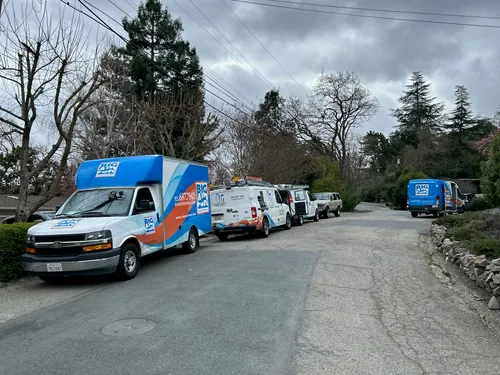
Big Air Heating & Air Conditioning
1000 Detroit Ave, Concord, CA 94518
Big Air Heating & Air Conditioning is an HVAC company serving Oakland, CA, with over 20 years of experience. They provide installation, repair, and tune-up services for air conditioning, furnaces, heat pumps, boilers, mini splits, and geothermal heat pumps. Their technicians are certified, drug screened, and background checked, ensuring professional and knowledgeable service. The company works with both commercial and residential clients, offering clear pricing by the job.
Clean Air HVAC INC
428 N Buchanan Cir #1, Pacheco, CA 94553
Clean Air HVAC INC is an HVAC contractor based in Oakland, CA, providing heating and cooling solutions for residential customers. The company offers a wide range of services including installation, repair, and maintenance of furnaces, air conditioners, heat pumps, mini-split systems, and geothermal heat pumps. They also provide indoor air quality services such as air filtration, humidifiers, and ventilation systems. Clean Air HVAC INC serves the East Bay area and is experienced in handling various HVAC systems, including Lennox Healthy Climate Solutions and zoning systems.
Harry Clark Plumbing and Heating Inc
3026 Broadway, Oakland, CA 94611
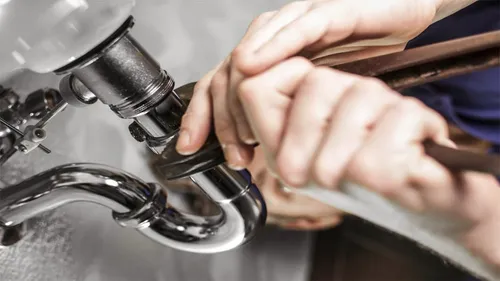
Harry Clark Plumbing and Heating Inc is an HVAC and plumbing service provider located in San Francisco, CA. The company offers a range of services including air conditioning, furnace, heat pump, boiler repair and installation, as well as mini split and geothermal heat pump installation. With a history dating back to the 1940s, the business has evolved through family ownership and continues to operate with a focus on local service. The company is known for maintaining a strong presence in the Oakland and Berkeley area, operating two separate entities for plumbing and heating/air conditioning services.
East Bay Hydronics
Oakland, CA
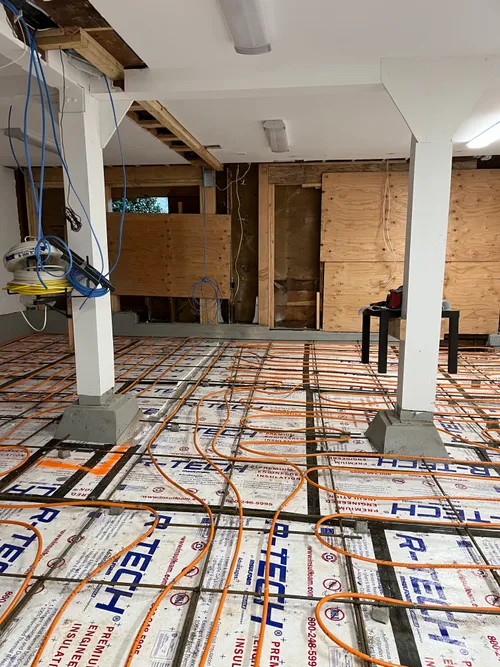
East Bay Hydronics is a heating and cooling contractor based in Oakland, CA, serving the Bay Area. They specialize in hydronic systems for both residential and commercial properties, including radiant heating and cooling, boilers, water heaters, solar thermal, and geothermal heat pumps. With over 17 years of experience, they support new construction and remodeling projects.
MCL Heating & Air Conditioning, Inc.
San Francisco, CA
MCL Heating & Air Conditioning, Inc. is an HVAC contractor serving San Francisco, CA. They provide a full range of heating, ventilation, air conditioning, and refrigeration repair and installation services. Their expertise includes working with furnaces, heat pumps, boilers, mini splits, geothermal heat pumps, and HVAC tune-ups. The company has built a reputation over many years for professionalism and quality work.
How Geothermal Systems Work: Tapping into the Earth's Constant Energy
The core principle behind a geothermal heating and cooling system is remarkably simple: the earth beneath your property maintains a nearly constant temperature, typically between 55°F and 60°F, regardless of the season above ground. This thermal stability is the system's powerhouse. A geothermal heat pump, also known as a ground-source heat pump, uses a network of buried pipes (a ground loop) filled with a water-based fluid to exchange heat with this stable mass.
In the winter, the fluid circulating through the underground loops absorbs the earth's stored warmth. This slightly warmed fluid is brought back to the heat pump unit inside your home, where the system concentrates the thermal energy and distributes it as warm air through your ductwork. The process reverses in the summer. The system extracts heat and humidity from your indoor air, transfers it to the fluid in the loop, and then deposits that heat into the cooler earth. This elegant heat exchange process is what makes geothermal technology so efficient, as it moves existing heat rather than creating it through fuel combustion or intense electrical resistance 1.
Types of Ground Loop Systems for San Rafael Properties
The design of the underground piping is a critical component of any geothermal installation. The right loop configuration depends heavily on your lot size, soil composition, and local geology. There are three primary types of ground loops considered for residential properties.
Horizontal Closed Loops: This is often the most cost-effective option if sufficient land is available. Installers dig a series of parallel trenches, typically four to six feet deep, and lay coils of durable plastic piping inside before backfilling. A horizontal loop field requires a significant amount of open yard space, often cleared of large trees, making it a common choice for new construction or homes with ample, undeveloped land.
Vertical Closed Loops: For homes in San Rafael with smaller lots or rocky soil, vertical loops are the standard solution. Contractors use a drilling rig to bore holes 100 to 400 feet deep 2. A pair of pipes connected at the bottom in a U-shape is inserted into each borehole, which is then grouted to ensure good thermal conductivity. Vertical loops have a smaller surface footprint but can involve higher drilling costs, though they are excellent for transferring heat due to the stable temperatures at depth 3 4.
Open Loop Systems: Less common for residential use, an open loop system uses groundwater from a well or a pond as the direct heat exchange fluid. The water is pumped through the heat pump and then returned to a second well or discharged to a suitable location on the property. This system can be highly efficient but requires an adequate, consistent supply of clean water and compliance with local regulations regarding water discharge.
The Geothermal Installation Process: What to Expect
Installing a geothermal HVAC system is a significant project that requires careful planning and expert execution. The process typically follows these key stages:
- Site Evaluation and Design: A qualified installer will conduct a thorough assessment of your property. This includes evaluating soil conditions (which affect heat transfer), available space for trenches or drilling rig access, your home's existing ductwork, and heating/cooling load requirements. This information is used to design a properly sized ground loop and select the correct indoor heat pump unit 5.
- Ground Loop Installation: This is the most substantial phase of the project. For a horizontal system, it involves excavation with heavy machinery. For a vertical system, a drilling rig will be brought on-site to create the boreholes. The high-density polyethylene pipe is then placed, connected, and pressure-tested to ensure there are no leaks before the trenches are backfilled or the boreholes are grouted.
- Indoor Unit and Connection: The indoor heat pump unit, which is typically compact and quiet, is installed and connected to your home's existing ductwork or a new air distribution system. The refrigerant lines and controls that link the indoor unit to the ground loop manifold are carefully fitted.
- Permitting and Inspection: Throughout the process, your contractor will handle obtaining the necessary local permits for drilling, excavation, and electrical work. The completed system will be inspected to meet all building and safety codes before being activated 6.
Find the perfect geothermal heat pump contractors for your needs
Get personalized recommendations and expert advice
Understanding Costs, Savings, and Incentives
The decision to invest in a geothermal system involves weighing higher upfront costs against long-term operational savings and environmental benefits.
Upfront Investment: The installation cost for a residential geothermal heat pump system is higher than that of a conventional furnace and air conditioner. Prices vary widely based on system size, loop type, and site-specific challenges, but typically range from $20,000 to $45,000 or more for a complete installation in a single-family home 7. The ground loop excavation or drilling constitutes a major portion of this cost.
Long-Term Energy Savings: This is where geothermal systems shine. By leveraging the earth's free thermal energy, they operate with exceptional efficiency. Homeowners can typically expect a 30% to 65% reduction in their heating and cooling energy bills compared to conventional systems 8 9. For example, a study in California's Central Valley estimated annual savings of over $1,100 for a 2,000-square-foot home 10. These savings translate into a payback period on the initial investment, often cited in the range of 5 to 8 years, after which the ongoing savings contribute directly to household finances 11 10.
Durability and Value: The components of a geothermal system are built to last. The underground piping often carries warranties of 25 to 50 years and can last for generations, while the indoor heat pump unit typically has a lifespan of 20 years or more 12. Furthermore, installing a geothermal system can increase the resale value of your home by adding a permanent, low-cost heating and cooling solution.
Rebates and Incentives: To encourage the adoption of clean energy technologies, federal, state, and sometimes local utility incentives are available. These can substantially reduce the net installed cost. It's essential to consult with your installer about current tax credits, rebates from programs like TECH Clean California, or other local incentives that can make geothermal more affordable 13.
Is Geothermal Right for Your San Rafael Home?
Geothermal heat pumps offer a compelling solution for homeowners seeking ultimate efficiency, long-term savings, and a reduced carbon footprint. They provide silent, consistent, and draft-free comfort year-round. The ideal candidate for geothermal is a homeowner planning to stay in their home long enough to realize the financial payback, has a suitable property for loop installation, and is motivated by both economic and environmental benefits.
While the initial cost is a consideration, the combination of dramatic utility savings, incredible system longevity, and available financial incentives makes ground-source heat pump technology a wise investment for many in the San Rafael area. The next step is to connect with a seasoned local installer who can provide a detailed site assessment and a customized proposal.
Frequently asked questions
Sources
Footnotes
-
Hybrid solar thermal and heat pump systems in industry: Model based development of globally applicable design guidelines - https://www.sciencedirect.com/science/article/pii/S2667113123000025 ↩
-
How Do Geothermal Systems Work for Residential Homes? - https://www.davisheat.com/blog/how-do-geothermal-systems-work-for-residential-homes/ ↩
-
Geothermal Heat Pump and Ground Loop Technologies - https://efiling.energy.ca.gov/GetDocument.aspx?tn=73451 ↩
-
Geothermal Installation Steps Explained - https://ultrageothermal.com/geothermal-installation-steps-explained/ ↩
-
Geothermal Heat Pumps - EnergySmart CNY - https://www.energysmartcny.org/heat-pumps/geothermal/ ↩
-
All You Need to Know About Home Geothermal Heating & Cooling - Dandelion Energy - https://dandelionenergy.com/all-you-need-to-know-about-home-geothermal-heating-cooling ↩
-
Geothermal Heat Pump Guide: Installation Costs, Types And Benefits - https://modernize.com/hvac/heating-repair-installation/heat-pump/geothermal ↩
-
5 Things You Should Know about Geothermal Heat Pumps - https://www.energy.gov/cmei/articles/5-things-you-should-know-about-geothermal-heat-pumps ↩
-
Geothermal Heat Pumps - Department of Energy - https://www.energy.gov/energysaver/geothermal-heat-pumps ↩
-
Civil Engineering - https://engineering.fresnostate.edu/civil-geomatics/documents/Groundsource%20Heat%20Pumps%20in%20the%20Central%20Valley.pdf ↩ ↩2
-
The California Buyers Guide to Geothermal Heat Pump Systems - https://www.californiageo.org/wp-content/uploads/CA-Buyers-Guide-for-Geothermal-HP-revised-12-13-24.pdf ↩
-
Geothermal heat pumps: The ultimate guide to ground-source ... - https://termo-plus.com/blog/geothermal-ultimate-guide-to-ground-source-heat-pumps/ ↩
-
Guide to Geothermal Heat Pumps - https://www.energy.gov/sites/prod/files/guide_to_geothermal_heat_pumps.pdf ↩