Find the Best Geothermal Heat Pump Contractors for Your Business
No obligation • Fast responses • Nationwide coverage

Why you can trust HVAC Firms
HVAC Firms is a leading United States resource for evaluating HVAC service providers. Our team researches companies, checks credentials, and reviews customer feedback to present clear, unbiased information. Listings and rankings are based on merit, and companies cannot pay to change our editorial content.
Search providers near you
Top Geothermal Heat Pump Contractors in Redwood City, California Ranked
Geothermal heat pumps, also known as ground-source heat pumps or geoexchange systems, are a highly efficient method for heating and cooling your home by leveraging the Earth's stable underground temperature. For Redwood City residents, this technology offers a powerful way to reduce energy bills, increase home comfort, and lower environmental impact. This guide explains how geothermal systems work, the installation process, and how you can find qualified local experts to evaluate your property for this sustainable upgrade.
Metro Heating pro
37886 Filbert St, Newark, CA 94560
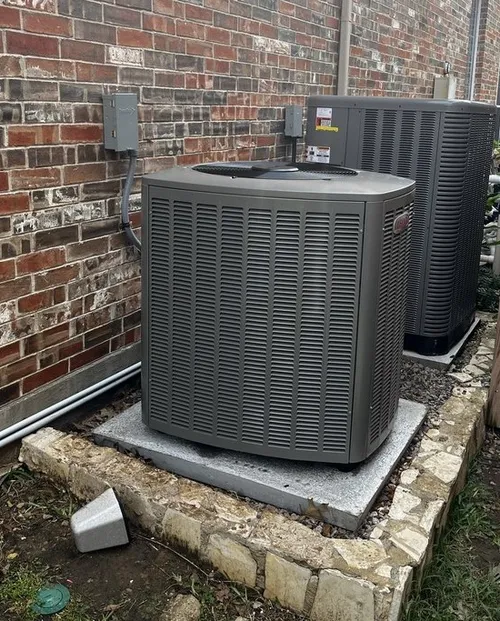
Metro Heating pro provides heating and air conditioning services in Fremont, CA. They offer repairs, installations, replacements, and maintenance for HVAC systems including furnaces, boilers, heat pumps, mini splits, and geothermal heat pumps. The company serves all brands and models, focusing on clear communication about the work process and timing. Metro Heating pro has built a reputation in the Newark area through years of consistent HVAC service.
Best HVAC
Stockton, CA
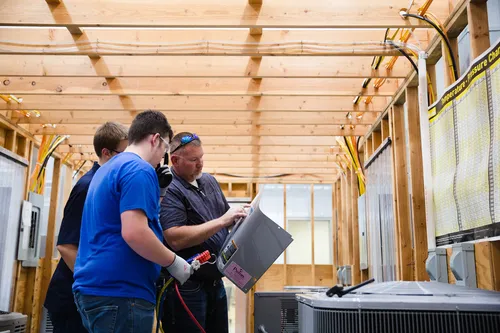
Best HVAC is an HVAC company serving Stockton, CA, and the surrounding areas, including Modesto. They provide a wide range of services such as air conditioning installation, repair, and maintenance, heating system services including furnaces, heat pumps, ductless mini splits, and geothermal systems, as well as indoor air quality solutions like duct cleaning and air purifier installation. The company also offers commercial HVAC services, including new system installation and maintenance programs. With over 25 years of experience, Best HVAC emphasizes problem-solving and offers a lifetime warranty on new system installations.
Air Heating Masters San Jose
313 Piercy Rd, San Jose, CA 95138
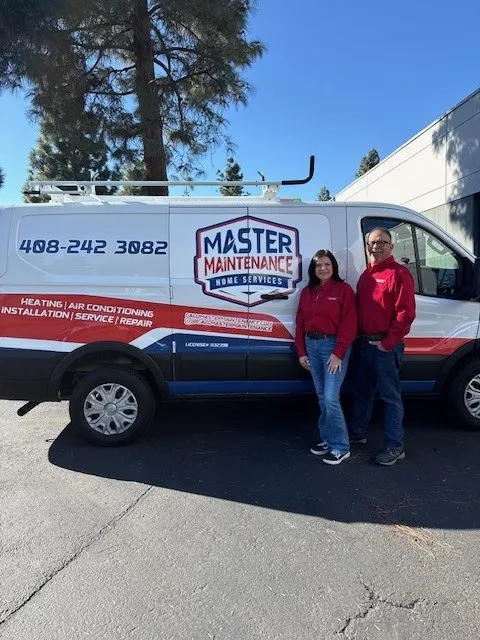
Air Heating Masters San Jose is a geothermal heat pump and HVAC installation contractor based in San Jose, CA. They specialize in home temperature control systems that offer energy efficiency and low maintenance by using geothermal technology. Their services include installation, maintenance, and repair of heating and cooling systems that transfer energy between the home and the earth through an underground loop system. With over fifty years of experience in geothermal technology, they provide systems that operate quietly and reliably. The company also offers 24-hour emergency service for urgent needs.
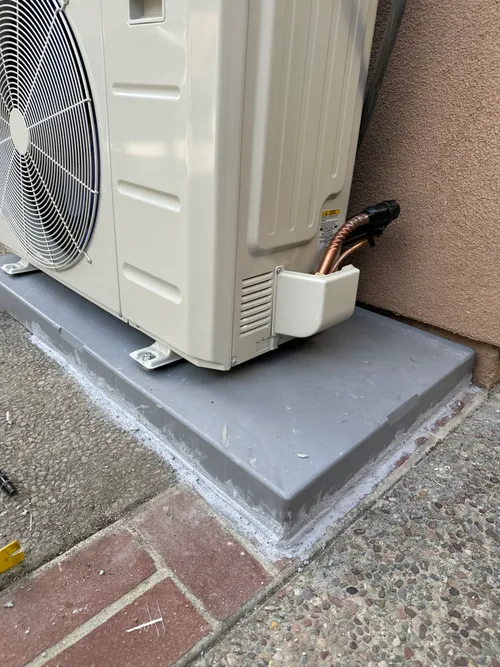
Kailey Air Systems
3633 Norwood Ave, San Jose, CA 95148
Kailey Air Systems is an HVAC company based in San Jose, CA, offering installation, repair, and maintenance services for a wide range of heating and cooling systems. They service major HVAC equipment including air conditioners, furnaces, heat pumps, boilers, mini splits, and geothermal heat pumps. Their certified technicians work throughout San Jose and nearby cities such as Santa Clara, Sunnyvale, Mountain View, and others, providing comprehensive HVAC solutions.
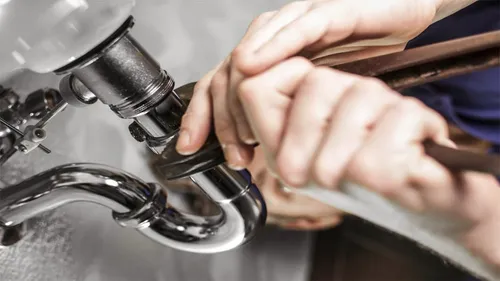
Harry Clark Plumbing and Heating Inc
3026 Broadway, Oakland, CA 94611
Harry Clark Plumbing and Heating Inc is an HVAC and plumbing service provider located in San Francisco, CA. The company offers a range of services including air conditioning, furnace, heat pump, boiler repair and installation, as well as mini split and geothermal heat pump installation. With a history dating back to the 1940s, the business has evolved through family ownership and continues to operate with a focus on local service. The company is known for maintaining a strong presence in the Oakland and Berkeley area, operating two separate entities for plumbing and heating/air conditioning services.
How Geothermal Heating and Cooling Works
A geothermal system doesn't create heat by burning fuel; instead, it moves existing heat. The process relies on a simple but brilliant principle: just a few feet below the surface, the Earth maintains a nearly constant temperature, warmer than the outside air in winter and cooler in summer. A geothermal heat pump taps into this reliable thermal resource.
The system has two main components: the ground loop and the heat pump unit. A water-based fluid circulates through a network of pipes (the ground loop) buried in your yard. In the winter, this fluid absorbs heat from the relatively warm ground and carries it to the heat pump inside your home. The heat pump concentrates this thermal energy and transfers it to your home's air, which is then distributed through your existing ductwork. In the summer, the process reverses: the system extracts heat from your home's air and deposits it into the cooler ground, providing efficient air conditioning 1 2. This "heat exchange" process is what makes geothermal systems three to five times more energy efficient than conventional systems.
Types of Ground Loop Systems for Redwood City Properties
The design of the underground loop field is critical and depends heavily on your property's characteristics. There are three primary types of ground loops, each with different space and site requirements.
Closed-Loop Systems: These are the most common for residential installations. A sealed mixture of water and antifreeze circulates continuously through the buried pipes.
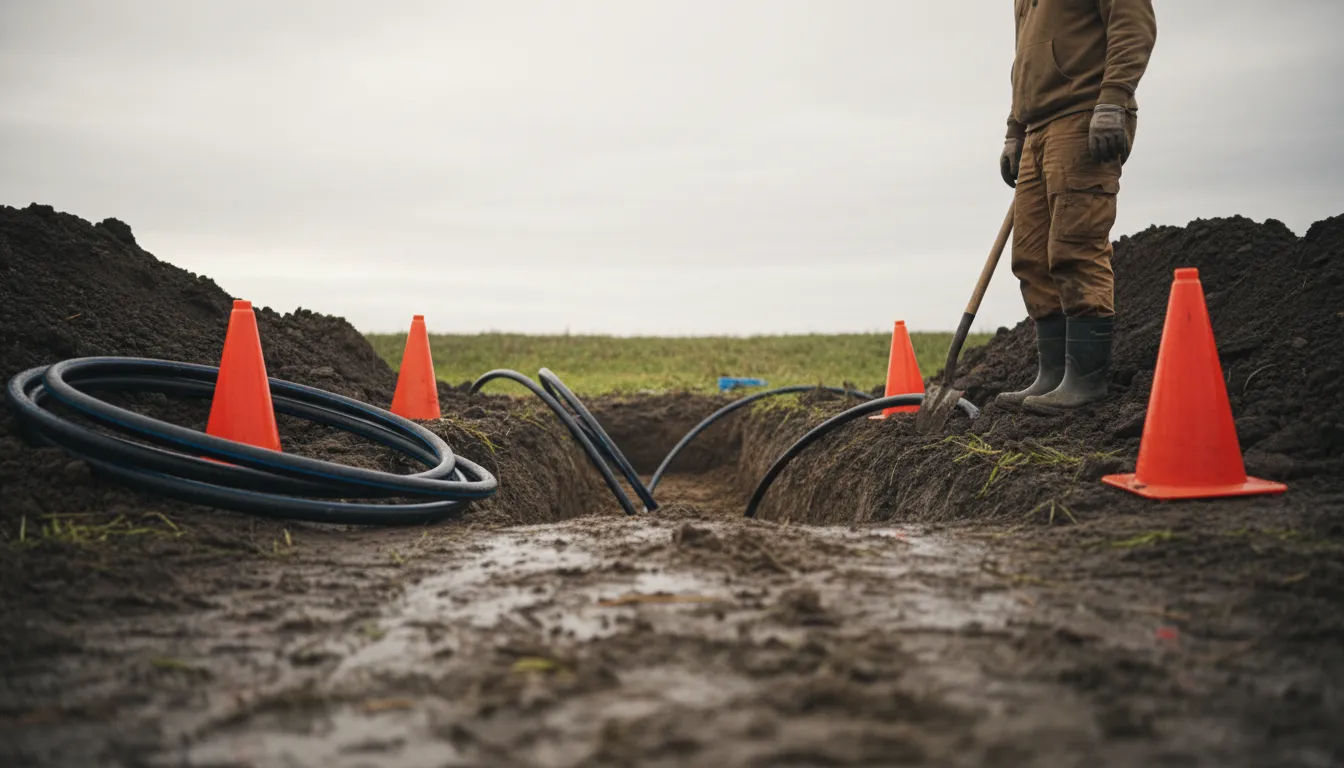
- Horizontal Loops: Pipes are laid in trenches that are typically 4 to 6 feet deep. This configuration requires a significant amount of land-often between a quarter to three-quarters of an acre-making it a good fit for new construction projects on larger lots where trenching can be easily incorporated into site work.
- Vertical Loops: For properties with limited yard space, like many in established Redwood City neighborhoods, vertical loops are often the ideal solution. Pipes are inserted into boreholes drilled 150 to 200 feet deep. While this method requires specialized drilling equipment and expertise, it minimizes surface disruption and is perfect for smaller lots 3.
Open-Loop Systems: This configuration uses groundwater from a well or a nearby pond or lake as the heat exchange fluid. After passing through the heat pump, the water is returned to a second well or the original water body. Open-loop systems can be extremely efficient but are entirely dependent on having a sufficient quantity and quality of water available, which can be a limiting factor 4.
The Installation Process: What Redwood City Homeowners Can Expect
Installing a geothermal system is a significant project that involves both indoor and outdoor work. Understanding the steps can help you prepare.
- Site Evaluation and Design: A qualified installer will assess your property's soil conditions, lot size, and landscape. They will also evaluate your home's heating and cooling loads to design a system that is correctly sized for optimal efficiency and comfort.
- Ground Loop Installation: This is the most invasive phase. For a horizontal system, trenches will be dug across your yard. For a vertical system, a drilling rig will be used to create the necessary boreholes. The high-density polyethylene pipes are then placed and connected into a continuous loop 5.
- Heat Pump and Ductwork Connection: The indoor heat pump unit is installed, typically in place of your old furnace or in a basement or utility closet. The ground loop is connected to this unit, which is then integrated with your home's existing ductwork or a new air distribution system.
- System Charging and Startup: The loop is filled and pressurized with fluid, and the entire system is tested for leaks and proper operation. The contractor will then commission the system, ensuring it heats and cools your home effectively.
Find the perfect geothermal heat pump contractors for your needs
Get personalized recommendations and expert advice
Benefits and Financial Considerations
The decision to install a geothermal system is a long-term investment in your home's efficiency and comfort.
Upfront Costs and Long-Term Savings: The initial investment for a geothermal heat pump system in Redwood City typically ranges from $15,000 to over $40,000, which is higher than a standard air-source system 6 7. However, the operational savings are substantial. By moving heat instead of generating it, these systems can reduce your energy bills for heating and cooling by up to 65% 8 9. For many homeowners, the payback period-the time it takes for energy savings to equal the initial cost-falls between 5 and 10 years, especially when incentives are factored in 10 7. After that, you enjoy decades of significantly lower operating costs.
Environmental Impact and Climate Suitability: Geothermal systems run on electricity and have no on-site emissions. By drastically reducing your home's energy consumption, you also shrink its carbon footprint. The Bay Area's mild climate is particularly well-suited for geothermal technology, as the moderate temperature difference between the ground and the desired indoor temperature allows the system to operate at peak efficiency year-round 11. This aligns perfectly with California's strong focus on renewable energy and green building initiatives.
Durability and Low Maintenance: The underground piping often comes with warranties of 25 to 50 years and can last for generations. The indoor heat pump unit typically has a lifespan of 20 years or more, which is longer than conventional HVAC equipment. Maintenance requirements are generally minimal, involving routine checks of the pump and filters.
Finding the Right Local Expertise
Given the technical nature of the installation-particularly the drilling or trenching-selecting an experienced, certified contractor is paramount. Look for professionals with specific training in geothermal system design and installation. They should conduct a detailed Manual J load calculation for your home and provide a clear proposal outlining the loop type, equipment specifications, and projected energy savings. A reputable installer will also be knowledgeable about all applicable local permits and available rebates or tax credits.
Frequently asked questions
Sources
Footnotes
-
All You Need to Know About Home Geothermal Heating & Cooling - Dandelion Energy - https://dandelionenergy.com/all-you-need-to-know-about-home-geothermal-heating-cooling ↩
-
Geothermal Heat Pumps | WBDG - https://www.wbdg.org/resources/geothermal-heat-pumps ↩
-
Geothermal Heat Pump and Ground Loop Technologies - https://efiling.energy.ca.gov/GetDocument.aspx?tn=73451 ↩
-
How Does A Geothermal Heat Pump Work? Complete 2025 Guide - https://solartechonline.com/blog/how-does-geothermal-heat-pump-work/ ↩
-
Geothermal Installation Steps Explained - https://ultrageothermal.com/geothermal-installation-steps-explained/ ↩
-
How Geothermal Heating and Cooling Systems Work | Belle Air - https://www.belleairservices.com/how-geothermal-heating-and-cooling-systems-work/ ↩
-
Geothermal Heat Pump Guide: Installation Costs, Types And Benefits - https://modernize.com/hvac/heating-repair-installation/heat-pump/geothermal ↩ ↩2
-
Geothermal Heat Pumps - EnergySmart CNY - https://www.energysmartcny.org/heat-pumps/geothermal/ ↩
-
5 Things You Should Know about Geothermal Heat Pumps - https://www.energy.gov/cmei/articles/5-things-you-should-know-about-geothermal-heat-pumps ↩
-
Geothermal Heat Pumps - Department of Energy - https://www.energy.gov/energysaver/geothermal-heat-pumps ↩
-
The California Buyers Guide to Geothermal Heat Pump Systems - https://www.californiageo.org/wp-content/uploads/CA-Buyers-Guide-for-Geothermal-HP-revised-12-13-24.pdf ↩