Find the Best Geothermal Heat Pump Contractors for Your Business
No obligation • Fast responses • Nationwide coverage

Why you can trust HVAC Firms
HVAC Firms is a leading United States resource for evaluating HVAC service providers. Our team researches companies, checks credentials, and reviews customer feedback to present clear, unbiased information. Listings and rankings are based on merit, and companies cannot pay to change our editorial content.
Search providers near you
Top Geothermal Heat Pump Contractors in Lodi, California Ranked
Geothermal heat pumps, also known as ground-source heat pumps, are a highly efficient method for heating and cooling your home by leveraging the Earth's stable underground temperature. This technology matters because it can dramatically reduce energy bills and your carbon footprint, offering a sustainable solution for year-round comfort. For Lodi residents, finding a qualified local installer is key to navigating the site-specific requirements and maximizing the benefits of this advanced system.
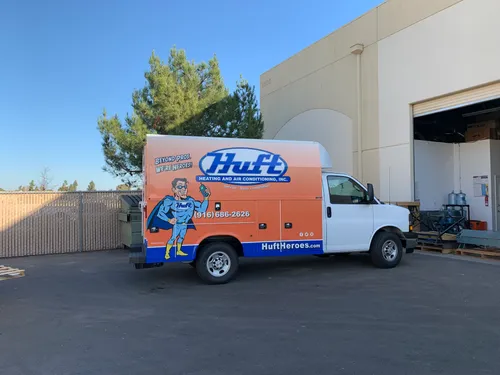
Huft Home Services Elk Grove
10103 Iron Rock Way, Elk Grove, CA 95624
Huft Home Services Elk Grove provides heating and cooling solutions in Sacramento, CA. They offer repair, installation, replacement, and maintenance services for a wide range of HVAC equipment including air conditioners, furnaces, heat pumps, boilers, mini splits, and geothermal heat pumps. The company is known for clear pricing and experienced technicians who provide advice tailored to each home's needs. Huft Home Services has been a preferred provider in the area for many years.
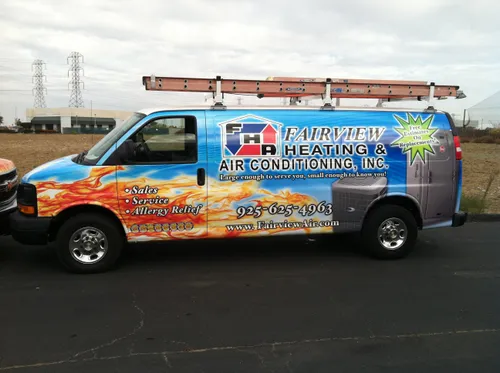
Fairview Heating & Air Conditioning Inc.
100 Brownstone Rd, Oakley, CA 94561
Fairview Heating & Air Conditioning Inc. is an HVAC contractor based in Oakland, CA, offering a range of services including air conditioning repair and installation, furnace and heat pump services, indoor air quality improvements, and ductless mini-split system installations. They provide solutions tailored to the local climate, including American-made equipment designed for East County conditions. With over 30 years of experience maintaining and installing HVAC systems, Fairview also addresses new energy efficiency standards affecting heating equipment in California. Their services include advanced capabilities such as air scrubbers and ultraviolet lights to enhance indoor air quality.
How Geothermal Systems Work: Harnessing the Earth's Energy
Unlike traditional air-source heat pumps or furnaces that exchange heat with the outside air, a geothermal system uses a network of buried pipes, called a ground loop, to exchange heat with the ground. Just a few feet below the surface, the Earth maintains a nearly constant temperature year-round, typically between 50°F and 60°F in our region. This provides a much more efficient and stable heat source in winter and a heat sink in summer.
The process is elegant in its simplicity:
- Winter Heating: A water-based fluid circulates through the underground loop, absorbing the Earth's natural warmth. This warmed fluid travels to the heat pump unit inside your home. The unit concentrates this low-grade heat and transfers it to the air in your ductwork or to a hydronic (water-based) system for distribution.
- Summer Cooling: The cycle reverses. The indoor heat pump extracts heat and humidity from your home's air. This heat is transferred to the loop fluid, which then carries it underground where it is dissipated into the cooler earth 1.
This closed-loop exchange is what allows geothermal heating and cooling systems to achieve remarkable efficiencies, often moving three to five units of energy for every one unit of electricity they consume.
Types of Ground Loop Systems for Lodi Properties
The design of the underground loop is the most critical site-specific aspect of a geothermal installation. The right choice depends on your property's soil composition, geology, and available space. Here are the common configurations:
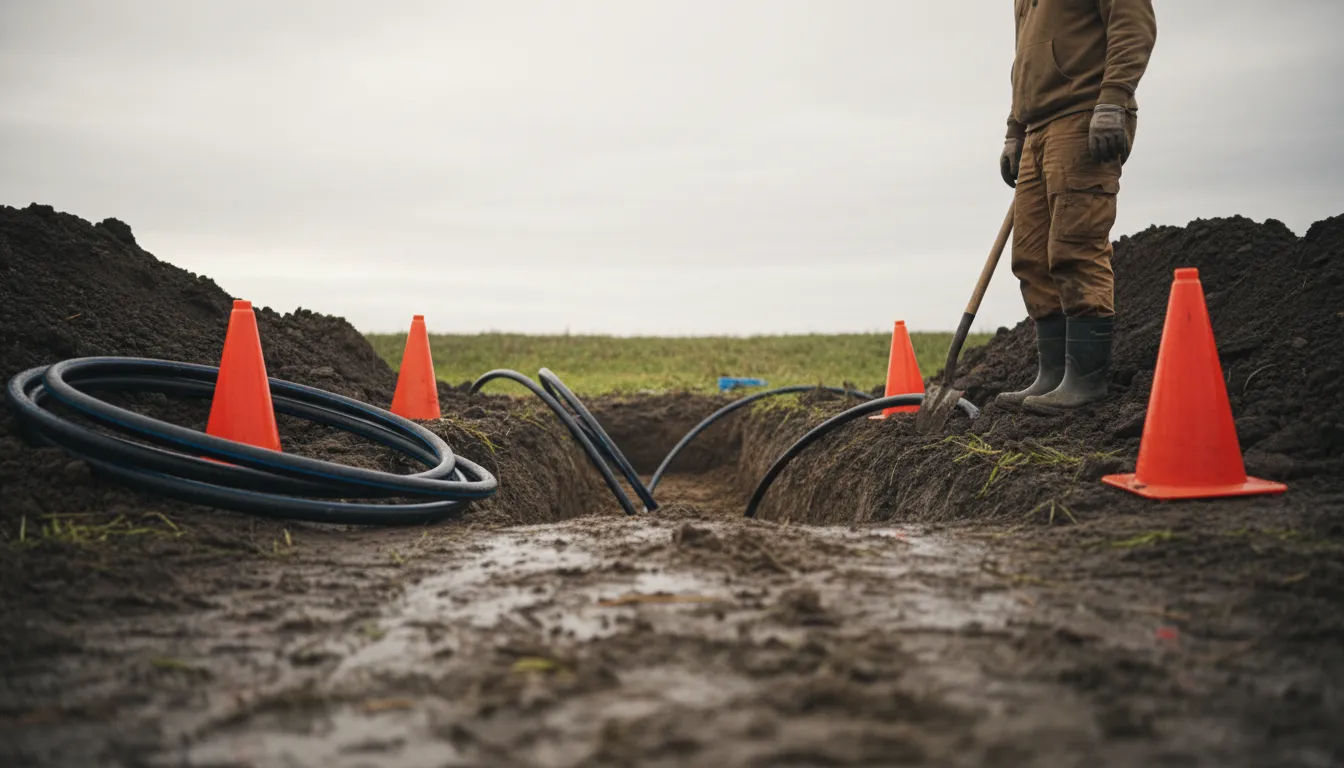
Horizontal Closed Loops This is often the most cost-effective installation method if space allows. Trenches are dug four to six feet deep across a large area of your yard. Pipes are laid in these trenches in a slinky-coil or straight-run configuration before being backfilled. A horizontal system typically requires a significant amount of clear land, often between a quarter to three-quarters of an acre, making it a common choice for new construction on larger lots.
Vertical Closed Loops For properties with limited yard space, such as many existing homes in Lodi, vertical loops are the ideal solution. Contractors drill boreholes 150 to 450 feet deep (60-140m) and insert U-shaped loops of pipe into each hole 2 3 4. The holes are then grouted. While drilling costs can be higher, this system requires minimal surface area and is less disruptive to existing landscaping.
Pond or Lake Loops If you have a suitable, deep pond or lake on your property, this can be the lowest-cost option. Coils of pipe are submerged at the bottom of the water body, which acts as a consistent heat exchange medium 5 6. This option is highly efficient but entirely dependent on having an adequate water source nearby.
The Installation Process: What to Expect
Installing a geothermal heat pump is a significant project that requires specialized expertise. Understanding the steps can help you prepare.
- Site Assessment & Design: A qualified installer will evaluate your property's soil conditions, available space, and heating/cooling load requirements. This assessment determines the optimal loop type and size for maximum efficiency.
- Excavation or Drilling: For horizontal systems, trenching equipment digs the necessary network of trenches. For vertical systems, a drilling rig creates the deep boreholes. This is the most invasive phase of the project.
- Loop Installation: High-density polyethylene (HDPE) pipe, renowned for its durability and corrosion resistance, is placed in the trenches or boreholes. The pipes are connected into a continuous loop, pressure-tested for leaks, and filled with a water and environmentally safe antifreeze solution.
- Indoor Unit Installation: The geothermal heat pump unit-which is compact and quiet-is installed in your basement, utility closet, or garage. It is connected to your home's existing ductwork or to a new hydronic distribution system 7.
- System Connection & Testing: The ground loop is connected to the heat pump, and the entire system is charged and commissioned. The contractor will test all components and ensure the system is operating at peak performance 8.
- Backfill & Restoration: Finally, the trenches are backfilled, and the contractor will restore your yard as closely as possible to its original condition.
Benefits and Financial Considerations for Lodi Homeowners
The decision to invest in a geothermal system involves weighing higher upfront costs against substantial long-term gains.
Upfront Investment Installation for a residential geothermal heat pump system in Lodi typically ranges from $20,000 to over $40,000 9. This is significantly higher than a standard air-source HVAC system due to the cost of excavation, drilling, and loop materials. However, this investment buys a system with a very long lifespan: the underground loops often last 50 years or more, while the indoor heat pump unit may last 20-25 years 9.
Operational Savings & Efficiency This is where geothermal systems shine. By using the Earth's stable temperature, they can reduce energy consumption for heating and cooling by 30% to 65% compared to conventional systems 10 11. For Lodi homeowners facing both hot summers and cool winters, these savings accumulate quickly, often paying back the initial premium over time through drastically lower utility bills.
Incentives and Rebates To help offset the initial cost, significant financial incentives are often available:
- Federal Tax Credits: Homeowners may be eligible for a federal tax credit for installing a qualified geothermal heat pump 12. It's crucial to consult the latest IRS guidelines or a tax professional for current percentages and details.
- Local Utility Rebates: California utilities and energy efficiency programs sometimes offer additional rebates or incentives for installing high-efficiency geothermal systems 13. Checking with your local Lodi utility provider is a recommended step.
Find the perfect geothermal heat pump contractors for your needs
Get personalized recommendations and expert advice
Why Choose a Local Lodi Installer for Your Geothermal Project
Selecting the right contractor is paramount for a successful geothermal installation. A local expert brings invaluable advantages.
Knowledge of Local Conditions An installer familiar with Lodi and the broader Central Valley understands our specific climate demands, soil types (which affect heat transfer rates), and local water table conditions 14. This expertise is critical for designing a correctly sized and efficient loop system. Lodi's climate, with its warm, dry summers and mild, wet winters, is actually ideal for geothermal technology, as the ground temperature provides an excellent baseline for both heating and cooling modes.
Navigating Regulations and Permits A reputable local installer will be well-versed in the necessary building permits, environmental regulations, and drilling requirements specific to San Joaquin County and the state of California. They handle this paperwork, ensuring your installation is fully compliant.
Certification and Experience Look for installers certified by organizations like the International Ground Source Heat Pump Association (IGSHPA). Certification indicates training in proper design and installation practices. Don't hesitate to ask for references and examples of previous geothermal projects completed in the area 15 16.
Long-Term Value and Environmental Impact
Beyond monthly savings, a geothermal heat pump adds to your home's comfort and value. The systems provide exceptionally even heating and cooling, superior humidity control, and operate very quietly since there's no noisy outdoor condenser unit. From an environmental perspective, by drastically reducing electricity or natural gas consumption for climate control, you are directly lowering your household's carbon emissions, making it one of the cleanest heating and cooling technologies available for residential use.
Frequently asked questions
Sources
Footnotes
-
Geothermal (Ground Source) Heat Pumps - NY.gov - https://cleanheat.ny.gov/geothermal-heat-pumps/ ↩
-
How Does A Geothermal Heat Pump Work? Complete 2025 Guide - https://solartechonline.com/blog/how-does-geothermal-heat-pump-work/ ↩
-
Geothermal heat pumps: The ultimate guide to ground-source ... - https://termo-plus.com/blog/geothermal-ultimate-guide-to-ground-source-heat-pumps/ ↩
-
Geothermal Heat Pumps: How They Work | AHRI - https://www.ahrinet.org/scholarships-education/education/homeowners/how-things-work/geothermal-heat-pumps-how-they-work ↩
-
Geothermal Heat Pumps - Department of Energy - https://www.energy.gov/energysaver/geothermal-heat-pumps ↩
-
How Do Geothermal Systems Work for Residential Homes? - https://www.davisheat.com/blog/how-do-geothermal-systems-work-for-residential-homes/ ↩
-
FAQs • What types of ground-source heat pumps and configurat - https://concordma.gov/FAQ.aspx?QID=484 ↩
-
How Does a Geothermal System Work? - ClimateMaster - https://www.climatemaster.com/homeowner/side-links/how-it-works ↩
-
Geothermal Heat Pump Guide: Installation Costs, Types And Benefits - https://modernize.com/hvac/heating-repair-installation/heat-pump/geothermal ↩ ↩2
-
Geothermal Heat Pumps - EnergySmart CNY - https://www.energysmartcny.org/heat-pumps/geothermal/ ↩
-
5 Things You Should Know about Geothermal Heat Pumps - https://www.energy.gov/cmei/articles/5-things-you-should-know-about-geothermal-heat-pumps ↩
-
Guide to Geothermal Heat Pumps - https://www.energy.gov/sites/prod/files/guide_to_geothermal_heat_pumps.pdf ↩
-
The California Buyers Guide to Geothermal Heat Pump Systems - https://www.californiageo.org/wp-content/uploads/CA-Buyers-Guide-for-Geothermal-HP-revised-12-13-24.pdf ↩
-
Addressing Common Misconceptions about Ground Coil Systems - Quality Heating & Cooling - https://qualityheating.com/misconceptions-about-ground-coil-systems/ ↩
-
How Geothermal Heating and Cooling Systems Work | Belle Air - https://www.belleairservices.com/how-geothermal-heating-and-cooling-systems-work/ ↩
-
Geothermal Heating - https://bluevalleyheatingcooling.com/understanding-geothermal-hvac-systems/ ↩