Find the Best Geothermal Heat Pump Contractors for Your Business
No obligation • Fast responses • Nationwide coverage

Why you can trust HVAC Firms
HVAC Firms is a leading United States resource for evaluating HVAC service providers. Our team researches companies, checks credentials, and reviews customer feedback to present clear, unbiased information. Listings and rankings are based on merit, and companies cannot pay to change our editorial content.
Search providers near you
Top Geothermal Heat Pump Contractors in La Mirada, California Ranked
Geothermal heat pump systems offer La Mirada homeowners an exceptionally efficient, all-electric solution for year-round comfort. By tapping into the stable temperature of the earth, these ground-source systems provide significant energy savings and environmental benefits compared to conventional air conditioners and furnaces. This guide explains how geothermal technology works, what installation involves, and how you can connect with qualified local specialists for a site assessment.
Moffett Plumbing & Air
13950 Milton Ave, Westminster, CA 92683
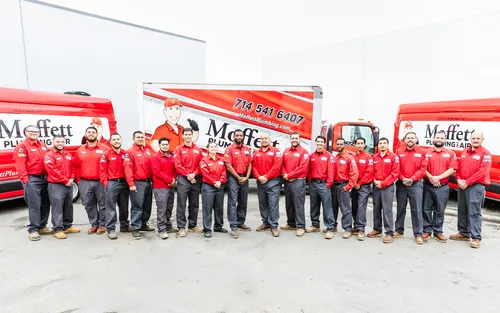
Moffett Plumbing & Air is a plumbing and HVAC company serving Long Beach, CA, and the surrounding Orange County area. They offer a wide range of services including air conditioning, furnace, heat pump, and boiler repair and installation, as well as duct cleaning, thermostat installation, indoor air quality services, and geothermal heat pump work. Established in 1969, Moffett Plumbing & Air has built a reputation for dependable service and community focus, treating customers with respect and care. Their team is known for professional workmanship and efficiency.
NexGen HVAC & Plumbing
23221 Peralta Dr Ste C, Laguna Hills, CA 92653
NexGen HVAC & Plumbing is a full-service heating and cooling company based in Irvine, CA. They provide installation, repair, and maintenance for a wide range of HVAC systems including traditional, electric, ductless, rooftop units, heat pumps, and geothermal systems. Their services also include air duct cleaning, thermostat installation, and HVAC tune-ups to improve system performance. NexGen HVAC & Plumbing offers insulation services for air ducts, walls, attics, and crawlspaces to enhance comfort and address issues such as mold and water leaks.
Nelson Air Heating & Air Conditioning
5062 Casa Oro Dr, Yorba Linda, CA 92886
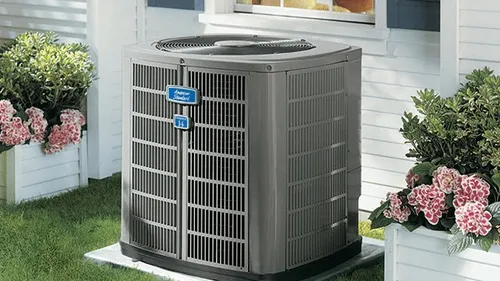
Nelson Air Heating & Air Conditioning provides HVAC installation services in Anaheim, CA. They handle installation for a variety of systems including air conditioners, furnaces, heat pumps, boilers, mini splits, and geothermal heat pumps for both residential and commercial clients. The company installs all major HVAC brands and emphasizes quality materials, efficiency, and workmanship.
Rancho Palos Verdes AC and Heating Pro
28120 Peacock Ridge Dr, Rancho Palos Verdes, CA 90275
Rancho Palos Verdes AC and Heating Pro provides heating and air conditioning services in Long Beach, CA. They offer repair, installation, and maintenance for furnaces, air conditioners, heat pumps, and geothermal systems. The company is equipped to handle HVAC tune-ups and replacements, tailoring systems to meet customer needs and budgets. Since 1997, they have served the area with a focus on quality workmanship and integrity. They also provide 24/7 emergency service with a manager available at all times for support.
Comfort Elite HVAC
1080 N Batavia St Ste N, Orange, CA 92867
Comfort Elite HVAC provides a wide range of heating, air conditioning, and indoor air quality services in Los Angeles, CA. With over 10 years of experience, they handle installation, repair, and maintenance for systems including heat pumps, furnaces, mini splits, and geothermal heating. Their services cover air duct cleaning, air purification, and refrigerant recharge, aiming to improve home comfort and air quality. Comfort Elite HVAC offers 24/7 emergency repair services and same-day responses to HVAC issues, ensuring timely assistance for heating and cooling needs.
How Geothermal Systems Work: Harnessing the Earth's Energy
A geothermal heat pump, often called a ground-source heat pump, operates on a simple principle: it uses the earth as a giant thermal battery. While air temperatures in La Mirada can swing from cool nights to hot days, the ground just a few feet below the surface maintains a remarkably stable temperature, typically between 55°F and 70°F year-round. This constant temperature is the system's key to efficiency.
In the winter, the system acts as a heater. A fluid (usually water mixed with an eco-friendly antifreeze) circulates through a loop of pipes buried underground, absorbing the earth's natural warmth. This slightly warmed fluid is brought to an indoor heat pump unit, which uses a refrigeration cycle to concentrate the heat and distribute it throughout your home via your existing ductwork or a hydronic system 1. In the summer, the process elegantly reverses: the pump extracts heat and humidity from your indoor air and transfers it into the cooler ground loop, effectively using the earth as a heat sink to provide air conditioning 2. This exchange with the stable ground, rather than the volatile outside air, is why geothermal systems are so much more efficient than standard air-source heat pumps.
Types of Ground Loop Systems for La Mirada Homes
The underground pipe network, or ground loop, is the heart of the system. The right type for your property depends on your lot size, soil composition, and local geology. There are three primary configurations.
Vertical Closed-Loop Systems This is the most common installation method for suburban homes in Southern California, where yard space is often limited. Contractors drill vertical boreholes, typically 100 to 400 feet deep, and insert U-shaped loops of high-density polyethylene pipe 3. Multiple boreholes are connected in parallel to form the complete loop field. While the drilling requires specialized equipment, this method causes minimal disruption to your landscaping and is ideal for smaller lots common in established La Mirada neighborhoods.
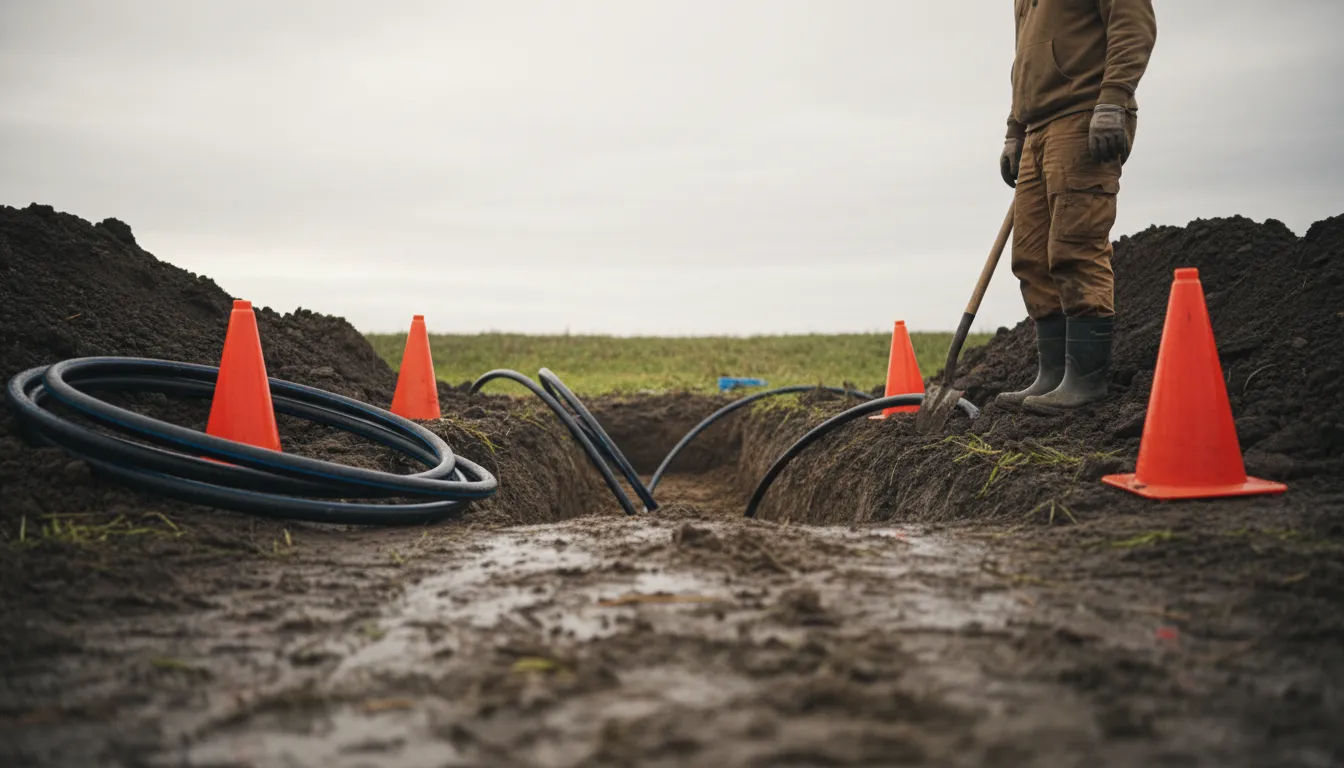
Horizontal Closed-Loop Systems If your property has sufficient open land, a horizontal loop can be a cost-effective option. Trenches are dug 4 to 6 feet deep, and pipes are laid in a series of long, straight runs or coiled slinky patterns 4 5. This method generally requires more square footage of land than a vertical system but can reduce installation costs by avoiding deep drilling. It's a practical choice for homes with larger, undeveloped yards.
Open-Loop Systems An open-loop system uses groundwater directly as the heat exchange fluid. It requires a reliable source of clean, abundant water, such as a well. Water is pumped from the aquifer, run through the heat pump, and then discharged back into a second well or a suitable surface body of water 6. This system can be highly efficient but is entirely dependent on local water quality, availability, and regulations, making it less common in residential applications.
The Installation Process: From Assessment to Activation
Installing a geothermal heating and cooling system is a significant project that requires careful planning and expert execution. Understanding the steps involved can help you prepare.
- Site Assessment and Design: A qualified installer will begin with a thorough evaluation of your property. This includes assessing soil and rock composition through test borings, evaluating available space for the loop field, and checking for underground utilities 7. This data is used to design a system sized precisely for your home's heating and cooling loads.
- Permitting and Planning: In La Mirada, installing a ground loop requires permits for drilling or major excavation. Your contractor will handle securing these permits, ensuring the project complies with all local building codes and environmental regulations 8.
- Loop Field Installation: This is the major earthwork phase. For a vertical system, a drilling rig will create the boreholes, the pipes are inserted, and the holes are grouted with a special thermally enhanced material to ensure good heat transfer 9. For a horizontal system, trenches are dug and the piping is laid and backfilled.
- Heat Pump and Distribution Installation: The indoor heat pump unit is installed, typically in a garage, basement, or utility closet. It is connected to the ground loop and to your home's existing ductwork or radiant floor system. For optimal efficiency, your ductwork may need to be inspected and sealed 10.
- System Charging, Testing, and Startup: The loop is pressure-tested, flushed, and filled with the heat transfer fluid. The entire system is then started, calibrated, and tested to ensure it operates at peak performance. Your installer should provide a full walkthrough of system controls and maintenance requirements 11.
Find the perfect geothermal heat pump contractors for your needs
Get personalized recommendations and expert advice
Key Considerations for Southern California Properties
When exploring geothermal for your La Mirada home, several local factors come into play.
- Space and Landscaping: Vertical boreholes are often the preferred solution to preserve mature landscaping, patios, and pools. The drill rig needs access, but the surface footprint is small once completed 12.
- Soil and Geology: The thermal conductivity of your soil and rock affects system design. Dense clay or dry sand transfers heat differently than damp soil or bedrock, influencing the required loop length 13. A proper site assessment is non-negotiable.
- Long-Term Value and Durability: The underground piping is designed to last 50 years or more, and the indoor heat pump unit typically lasts over 20 years-much longer than conventional outdoor AC condensers. This longevity, combined with massive energy savings, contributes to the system's long-term value and appeal for home resale.
Understanding Costs, Savings, and Incentives
The upfront investment for a geothermal system is higher than for a standard high-efficiency furnace and air conditioner. This cost primarily reflects the ground loop installation. However, the operational savings are substantial.
Operational Savings and Efficiency Geothermal heat pumps are the most efficient heating and cooling technology available. They can achieve efficiencies of 300% to 600%, meaning they move three to six units of heat for every unit of electricity used 14. For a homeowner in La Mirada, this can translate to a reduction of 20% to 50% on heating costs compared to an air-source heat pump, and savings of up to 65% when replacing an older natural gas furnace or standard AC 15 16. Cooling costs are also significantly lower due to the system's efficiency.
Financial Incentives A major federal tax credit is available for residential geothermal heat pump installations, which can offset a significant portion of the installed cost 17. This incentive makes the payback period-the time it takes for energy savings to equal the initial investment-much more attractive, often ranging from 5 to 10 years. After the payback period, the ongoing savings go directly into your pocket for the life of the system.
Finding a Qualified Geothermal Installer in La Mirada
Success with a ground-source system hinges on proper design and installation. Seek out HVAC contractors who specialize in high-efficiency systems and have specific experience with geothermal technology 18 19. Look for certifications from organizations like the International Ground Source Heat Pump Association (IGSHPA). A reputable provider will always start with a detailed load calculation and site survey before providing a quote. They should be able to explain your loop options, provide references, and guide you through the available incentives. Taking the time to find the right expert is the most important step toward enjoying decades of efficient, comfortable, and sustainable home climate control.
Frequently asked questions
Sources
Footnotes
-
How Geothermal Heating and Cooling Systems Work | Belle Air - https://www.belleairservices.com/how-geothermal-heating-and-cooling-systems-work/ ↩
-
How Does Geothermal Heating Work? A Step-By-Step Guide - https://www.a1mechanical.com/blog/heating-service/how-does-geothermal-heating-work-a-step-by-step-guide/ ↩
-
Exploring Geothermal Systems: Advantages and Considerations - https://dilandroandrews.com/understanding-geothermal-systems/ ↩
-
4 Types of Geothermal HVAC Systems - https://wallerhvac.com/article/types-geothermal-hvac-systems ↩
-
Geothermal Systems - What You Need to Know - https://www.theseverngroup.com/geothermal-systems-what-you-need-to-know/ ↩
-
How Geothermal Heat Pumps Work - https://earthrivergeothermal.com/how-geothermal-heat-pumps-work/ ↩
-
Geothermal Heat Pumps - Department of Energy - https://www.energy.gov/energysaver/geothermal-heat-pumps ↩
-
Best Heat Pumps in Canada 2025: Types, Costs & Savings Guide - https://superiorplumbing.ca/hvac/the-ultimate-guide-to-heat-pump-types/ ↩
-
Geothermal Heat Pump Installation & Repair in Tulsa, OK - https://www.callairsolutions.com/geothermal-heat-pump-installation-repair-the-tulsa-metro-area-ok/ ↩
-
How Do Geothermal Heat Pumps Work? - https://docrusk.com/blog/how-do-geothermal-heat-pumps-work/ ↩
-
Fix Heating and Cooling (FHC) - https://www.google.com/viewer/place?mid=/g/11gy4ksb01 ↩
-
Ground Source Heat Pump Installer | Thermodynamics South Yorkshire - https://www.heating-installations.co.uk/ground-source-heat-pumps ↩
-
Thermal interactions among vertical geothermal borehole fields - https://www.sciencedirect.com/science/article/pii/S0960148122008059 ↩
-
Guide to Geothermal Heat Pumps - https://www.energy.gov/sites/prod/files/guide_to_geothermal_heat_pumps.pdf ↩
-
Geothermal for Consumers - CaliforniaGeo - https://www.californiageo.org/geothermal-for-consumers/ ↩
-
Is Geothermal Heating a Viable Option for Mild Climates? - https://whitemechanical.com/is-geothermal-heating-and-cooling-a-viable-option-for-homes-in-mild-climates/ ↩
-
The California Buyers Guide to Geothermal Heat Pump Systems - https://www.californiageo.org/wp-content/uploads/CA-Buyers-Guide-for-Geothermal-HP-revised-12-13-24.pdf ↩
-
GC Heating and Cooling Inc. - https://www.google.com/viewer/place?mid=/g/11ffw95g4b ↩
-
Genlui Heating & Air Conditioning llc - https://www.google.com/viewer/place?mid=/g/11qn86g_8c ↩