
Find the Best Geothermal Heat Pump Contractors for Your Business
No obligation • Fast responses • Nationwide coverage

Why you can trust HVAC Firms
HVAC Firms is a leading United States resource for evaluating HVAC service providers. Our team researches companies, checks credentials, and reviews customer feedback to present clear, unbiased information. Listings and rankings are based on merit, and companies cannot pay to change our editorial content.
Search providers near you
Top Geothermal Heat Pump Contractors in Hayward, California Ranked
Geothermal heat pumps, also known as ground-source heat pumps, are a highly efficient technology for heating and cooling your home by leveraging the Earth's stable underground temperature. For Hayward residents, this means tapping into a consistent, renewable energy source just beneath your feet to significantly reduce energy bills and environmental impact. This guide explains how these systems work, what installation entails, and how you can connect with qualified local professionals to explore if a geothermal system is right for your property.
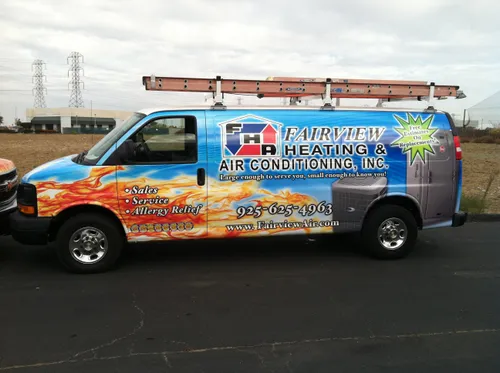
Fairview Heating & Air Conditioning Inc.
100 Brownstone Rd, Oakley, CA 94561
Fairview Heating & Air Conditioning Inc. is an HVAC contractor based in Oakland, CA, offering a range of services including air conditioning repair and installation, furnace and heat pump services, indoor air quality improvements, and ductless mini-split system installations. They provide solutions tailored to the local climate, including American-made equipment designed for East County conditions. With over 30 years of experience maintaining and installing HVAC systems, Fairview also addresses new energy efficiency standards affecting heating equipment in California. Their services include advanced capabilities such as air scrubbers and ultraviolet lights to enhance indoor air quality.
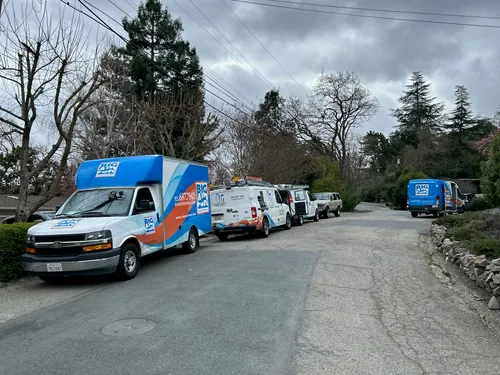
Big Air Heating & Air Conditioning
1000 Detroit Ave, Concord, CA 94518
Big Air Heating & Air Conditioning is an HVAC company serving Oakland, CA, with over 20 years of experience. They provide installation, repair, and tune-up services for air conditioning, furnaces, heat pumps, boilers, mini splits, and geothermal heat pumps. Their technicians are certified, drug screened, and background checked, ensuring professional and knowledgeable service. The company works with both commercial and residential clients, offering clear pricing by the job.
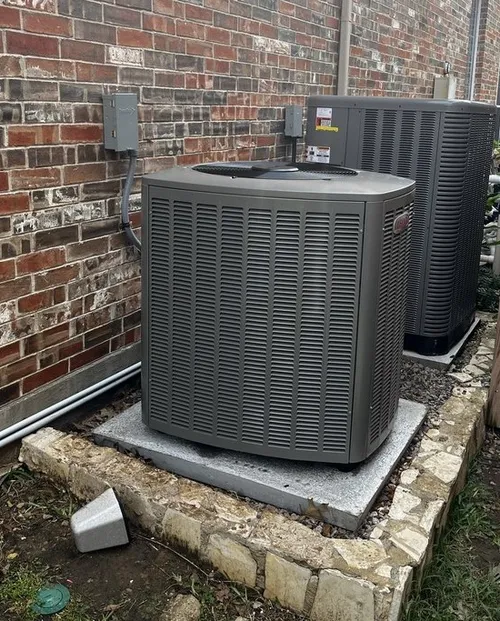
Metro Heating pro
37886 Filbert St, Newark, CA 94560
Metro Heating pro provides heating and air conditioning services in Fremont, CA. They offer repairs, installations, replacements, and maintenance for HVAC systems including furnaces, boilers, heat pumps, mini splits, and geothermal heat pumps. The company serves all brands and models, focusing on clear communication about the work process and timing. Metro Heating pro has built a reputation in the Newark area through years of consistent HVAC service.
Clean Air HVAC INC
428 N Buchanan Cir #1, Pacheco, CA 94553
Clean Air HVAC INC is an HVAC contractor based in Oakland, CA, providing heating and cooling solutions for residential customers. The company offers a wide range of services including installation, repair, and maintenance of furnaces, air conditioners, heat pumps, mini-split systems, and geothermal heat pumps. They also provide indoor air quality services such as air filtration, humidifiers, and ventilation systems. Clean Air HVAC INC serves the East Bay area and is experienced in handling various HVAC systems, including Lennox Healthy Climate Solutions and zoning systems.
Best HVAC
Stockton, CA
Best HVAC is an HVAC company serving Stockton, CA, and the surrounding areas, including Modesto. They provide a wide range of services such as air conditioning installation, repair, and maintenance, heating system services including furnaces, heat pumps, ductless mini splits, and geothermal systems, as well as indoor air quality solutions like duct cleaning and air purifier installation. The company also offers commercial HVAC services, including new system installation and maintenance programs. With over 25 years of experience, Best HVAC emphasizes problem-solving and offers a lifetime warranty on new system installations.
How Geothermal Systems Work: Harnessing the Earth's Energy
A geothermal heating and cooling system operates on a simple, elegant principle: it uses the ground as a heat source in winter and a heat sink in summer. Unlike air temperatures that swing dramatically with the seasons, the Earth just a few feet below the surface maintains a nearly constant temperature of about 55°F year-round in the Hayward area. A ground-source heat pump exploits this stability.
The process involves three key components:
- The Ground Loop: A network of high-density polyethylene pipes is buried in the ground, either horizontally in trenches or vertically in deep boreholes. A water-based solution circulates through this closed loop, absorbing heat from the earth in winter and depositing excess heat from your home into the earth in summer.
- The Heat Pump Unit: Located inside your home, this unit concentrates the thermal energy collected from the ground loop. In heating mode, it uses a refrigeration cycle to amplify the 55°F fluid to temperatures suitable for warming your home. In cooling mode, it works in reverse, removing heat from your indoor air and transferring it into the ground loop 1.
- The Distribution System: The conditioned air is then distributed throughout your home, typically using existing ductwork or a ductless mini-split system.
This method of heat exchange is incredibly efficient because moving heat is far less energy-intensive than generating it through combustion, as with a furnace 2.
Why Geothermal is a Smart Choice for Hayward Homes
Hayward's climate is particularly well-suited for geothermal heat pump technology. Our mild winters and moderate summers mean the temperature difference between the ground and your desired indoor temperature is relatively small. This allows the system to operate at peak efficiency with minimal strain, leading to even greater energy savings and system longevity compared to regions with more extreme weather 3.
The primary benefits for local homeowners include:
- Substantial Energy Savings: By leveraging the Earth's consistent temperature, geothermal systems can reduce energy consumption for heating and cooling by 40% to 70% compared to conventional systems like standard air-source heat pumps or furnaces 4.
- Lower Utility Bills: The dramatic increase in efficiency translates directly into lower monthly energy costs, providing financial relief that grows over the system's long lifespan.
- Environmental Friendliness: These systems use renewable thermal energy from the ground and run on electricity. When paired with a green energy source, they can provide nearly carbon-neutral home comfort, reducing your household's environmental footprint.
- Quiet Operation and Longevity: With no noisy outdoor condenser unit (like traditional AC has), operation is very quiet. The underground loop system is designed to last for more than 50 years, and the indoor heat pump unit often lasts 20 to 25 years-significantly longer than conventional HVAC equipment.
Types of Ground Loop Systems
The design of the underground loop field is critical and depends on your property's characteristics. Local installers will conduct a detailed site assessment to recommend the best option.
- Horizontal Closed Loop: This is often the most cost-effective option if space allows. Contractors dig trenches four to six feet deep and several hundred feet long in your yard. Pipes are laid in these trenches in a slinky-coil or straight-run configuration. This approach requires a larger, clear plot of land 5 6 7.
- Vertical Closed Loop: For properties with limited yard space, such as many urban lots in Hayward, vertical loops are the ideal solution. Drillers bore holes 150 to 450 feet deep, and U-shaped loop pipes are inserted into each hole. The holes are then grouted. While drilling costs can be higher, this system minimizes landscape disruption and is effective for most lot sizes 8.
- Pond/Lake Loop (Open Loop): If you have access to a sufficient, year-round body of water, this can be an efficient option. Coils of pipe are submerged at the bottom of the pond or lake, where the water acts as a heat exchange medium. This system requires specific water quality and volume conditions.
Understanding Installation and Costs
Installing a geothermal system is a significant home improvement project that involves excavation, drilling, and integrating new equipment with your home's infrastructure. It's most straightforward during new construction or a major remodel, but retrofits are common.
The installation process typically follows these steps:
- Site Evaluation & Design: A professional assesses your land, soil conditions, and home's heating/cooling loads to design an optimal system.
- Loop Field Installation: This is the most invasive phase, involving trenching or drilling in the yard.
- Heat Pump & Ductwork Integration: The indoor unit is installed and connected to the ground loop and your home's air distribution system.
- System Charging & Commissioning: The loop is filled and pressurized, and the entire system is tested for optimal performance.
The upfront cost for a complete geothermal system in Hayward is higher than for a traditional HVAC system. For a typical 2,000-square-foot home, homeowners might invest between $25,000 and $35,000 or more, depending on the loop type, soil conditions, and home specifics 9 10. However, this investment must be viewed in the context of long-term savings.
Find the perfect geothermal heat pump contractors for your needs
Get personalized recommendations and expert advice
Financial Incentives and Long-Term Value
The higher initial cost of a ground-source heat pump is offset by substantial operating savings and available financial incentives. The system often pays for itself over time through reduced energy bills.
- Federal Tax Credits: The federal Residential Clean Energy Credit provides a significant tax credit for qualifying geothermal heat pump installations, covering a percentage of the total cost, including labor 11.
- State and Local Rebates: California and local utilities often offer additional rebates and incentive programs to promote energy efficiency and renewable technology adoption. These can substantially lower the net installed cost 12.
- Increased Home Value: Studies have shown that homes with geothermal systems can have higher resale values due to their low operating costs and modern, efficient technology.
- Payback Period: While varying by home, system, and energy use, many homeowners see a payback on their investment through utility savings within 5 to 10 years. With a system life exceeding 20 years, this means over a decade of virtually free heating and cooling 13 14.
Choosing a Qualified Local Installer
Selecting the right contractor is the most important step in your geothermal project. Look for a company with specific, proven experience in designing and installing ground-source heat pump systems, not just general HVAC work. They should be able to provide references from local projects, conduct a detailed Manual J load calculation for your home, and guide you through the incentive application process. A reputable installer will also handle all necessary permits for Hayward and Alameda County.
Maintenance and Reliability
One of the advantages of a geothermal system is its relatively low maintenance requirements. The protected, underground loop has no moving parts and is not exposed to the elements. Annual maintenance typically involves checking the heat pump unit's filters, coils, and refrigerant charge, similar to maintaining a standard HVAC system. This routine service helps ensure the system continues to operate at its advertised high efficiency for decades.
Frequently asked questions
Sources
Footnotes
-
How Do Geothermal Systems Work for Residential Homes? - https://www.davisheat.com/blog/how-do-geothermal-systems-work-for-residential-homes/ ↩
-
5 Things You Should Know about Geothermal Heat Pumps - https://www.energy.gov/cmei/articles/5-things-you-should-know-about-geothermal-heat-pumps ↩
-
Geothermal Heat Pumps | WBDG - https://www.wbdg.org/resources/geothermal-heat-pumps ↩
-
Guide to Geothermal Heat Pumps - https://www.energy.gov/sites/prod/files/guide_to_geothermal_heat_pumps.pdf ↩
-
Geothermal heat pumps: The ultimate guide to ground-source ... - https://termo-plus.com/blog/geothermal-ultimate-guide-to-ground-source-heat-pumps/ ↩
-
How Does A Geothermal Heat Pump Work? Complete 2025 Guide - https://solartechonline.com/blog/how-does-geothermal-heat-pump-work/ ↩
-
Geothermal Heat Pumps - Department of Energy - https://www.energy.gov/energysaver/geothermal-heat-pumps ↩
-
Geothermal heating & cooling, heat pumps, heat exchange ... - https://aztechgeo.com/residential-geothermal/how-it-works/ ↩
-
How Geothermal Heating and Cooling Systems Work | Belle Air - https://www.belleairservices.com/how-geothermal-heating-and-cooling-systems-work/ ↩
-
Geothermal Heat Pump Guide: Installation Costs, Types And Benefits - https://modernize.com/hvac/heating-repair-installation/heat-pump/geothermal ↩
-
Geothermal Heating & Cooling - Department of Energy - https://www.energy.gov/eere/geothermal/geothermal-heating-cooling ↩
-
The California Buyers Guide to Geothermal Heat Pump Systems - https://www.californiageo.org/wp-content/uploads/CA-Buyers-Guide-for-Geothermal-HP-revised-12-13-24.pdf ↩
-
Geothermal Heat Pumps - EnergySmart CNY - https://www.energysmartcny.org/heat-pumps/geothermal/ ↩
-
Geothermal Heat Pump Environmental Impact & Benefits - https://arronco.com/blog/heat-pump-environmental-impact/ ↩