Find the Best Geothermal Heat Pump Contractors for Your Business
No obligation • Fast responses • Nationwide coverage

Why you can trust HVAC Firms
HVAC Firms is a leading United States resource for evaluating HVAC service providers. Our team researches companies, checks credentials, and reviews customer feedback to present clear, unbiased information. Listings and rankings are based on merit, and companies cannot pay to change our editorial content.
Search providers near you
Top Geothermal Heat Pump Contractors in Escondido, California Ranked
A geothermal heat pump, also known as a ground-source heat pump, is a highly efficient system for heating and cooling your home by leveraging the earth's stable underground temperature. For Escondido residents, this technology offers a powerful way to reduce energy bills and environmental impact, especially given California's focus on clean energy and efficiency. This guide explains how these systems work, their benefits, and how you can find qualified local professionals to assess your property for a potential installation.
SD Heating and Air Conditioning Pro
San Diego, CA
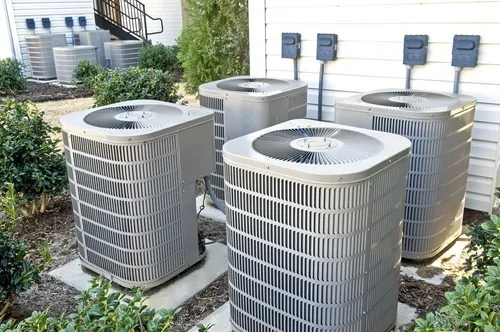
SD Heating and Air Conditioning Pro is an HVAC company based in San Diego, CA, offering installation and repair services for air conditioning, furnaces, heat pumps, boilers, mini splits, and geothermal heat pumps. Their team of trained technicians handles a wide range of heating and cooling systems to help customers maintain comfort throughout the year.
HQ Kisso Air Conditioning
San Diego, CA
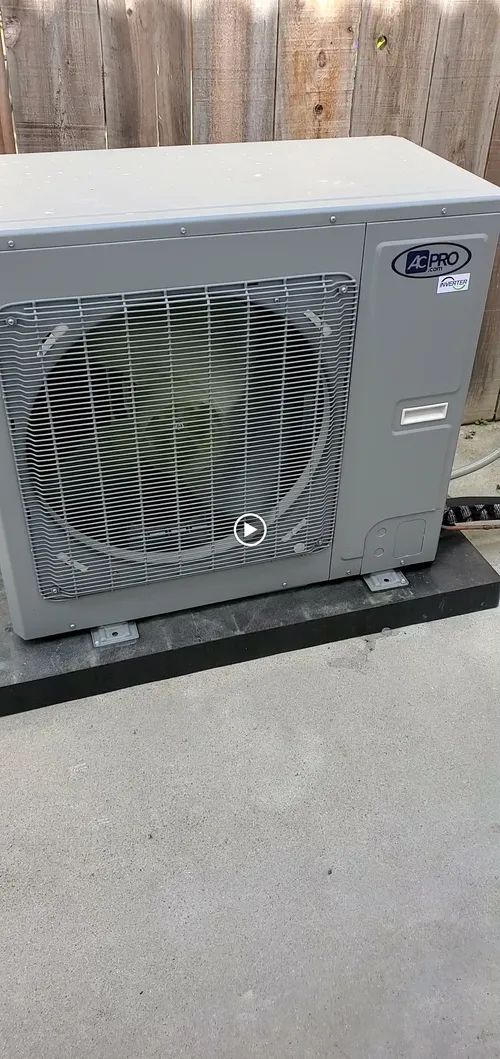
HQ Kisso Air Conditioning is an HVAC company based in San Diego, CA, offering a wide range of services including installation, repair, and maintenance of air conditioners, furnaces, heat pumps, boilers, mini splits, and geothermal heat pumps. The team provides personalized HVAC solutions tailored to the specific needs of homes and businesses, ensuring efficient and reliable system operation. Their skilled technicians focus on quality workmanship and use trusted products to deliver dependable service.
All American Heating and Air (Veteran owned)
Chula Vista, CA
All American Heating and Air (Veteran owned) is an HVAC contractor based in Chula Vista, CA. They provide a range of services including installation, repair, and tune-ups for air conditioning, furnaces, heat pumps, boilers, mini splits, and geothermal heat pumps. The company serves the San Diego and Temecula areas, focusing on quality workmanship and customer satisfaction.
Aireforce Heating & Air Inc.
9316 Abraham Way, Santee, CA 92071
Aireforce Heating & Air Inc. is an HVAC company serving San Diego, CA, and nearby communities. They provide installation, repair, and maintenance services for air conditioners, furnaces, heat pumps, mini splits, geothermal systems, and indoor air quality products. As a Carrier dealer, they offer a range of equipment including programmable thermostats, humidifiers, air cleaners, and zoning products. The company emphasizes customized solutions and has experience installing many systems in the area. Aireforce Heating & Air Inc. offers 24/7 emergency service and service agreements to maintain system performance and reduce emergencies.
Seka Hvac & Appliance Repair, INC
7480 Black Oak Rd, San Diego, CA 92114
Seka Hvac & Appliance Repair, INC provides a range of HVAC services in Chula Vista, CA. They specialize in the installation and repair of air conditioning units, furnaces, heat pumps, boilers, mini splits, and geothermal heat pumps. The company also offers HVAC tune-up services to maintain system efficiency. Seka Hvac & Appliance Repair, INC operates from San Diego, serving the surrounding area with professional HVAC solutions.
How Geothermal Heating and Cooling Works
The core principle behind a ground-source heat pump is simple yet brilliant. While air temperatures in Escondido can swing from chilly winter nights to hot summer days, the temperature just a few feet below the ground remains remarkably constant, typically between 50°F and 70°F year-round 1. A geothermal system uses this stable thermal resource as a source of heat in the winter and a place to dump excess heat in the summer.
The process involves three key components:
- The Ground Loop: This is a network of pipes buried in your yard or drilled deep underground. A water-based solution (often mixed with antifreeze) circulates through these pipes.
- The Heat Exchange: In the winter, the fluid in the pipes absorbs the earth's warmth. In the summer, the system reverses, pulling heat from your home and transferring it into the cooler ground 2.
- The Heat Pump Unit: Located inside your home, this unit concentrates the thermal energy gathered from the ground loop. It then distributes comfortable, conditioned air throughout your house via your existing ductwork or a ductless system, and can often provide domestic hot water as a bonus 3.
This method of exchanging heat with the earth is far more efficient than battling the outside air temperature, which is why geothermal systems are considered a top-tier HVAC technology.
Types of Geothermal Ground Loop Systems
Not every property is suited for the same type of installation. The right ground loop configuration depends on your lot size, soil composition, and local geology. Here are the primary types used in Escondido and surrounding areas.
Closed-Loop Systems
This is the most common installation type, where the pipes form a continuous, sealed loop. The fluid inside never touches the ground; it only exchanges heat through the pipe walls.
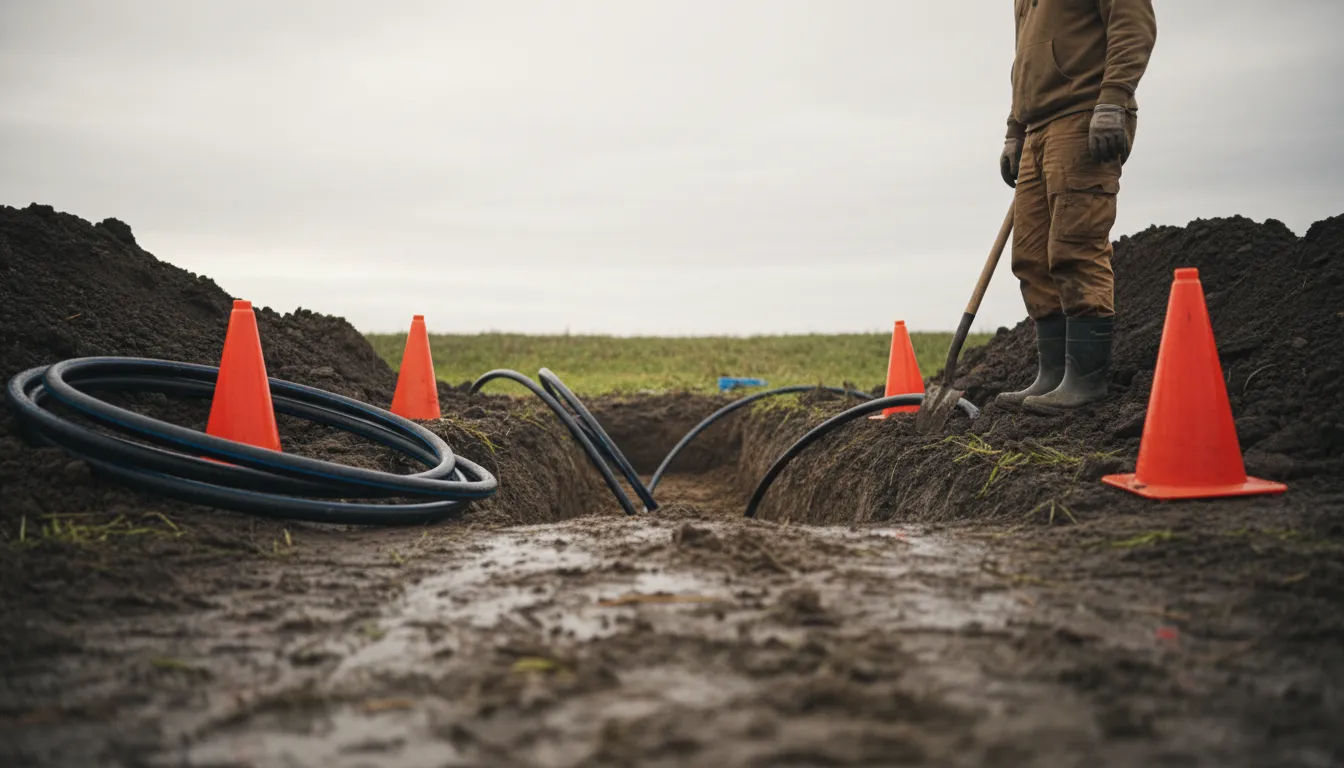
- Horizontal Closed-Loop: Pipes are laid in trenches dug 4 to 6 feet deep. This configuration requires a significant amount of available land area but is often less expensive to install than vertical systems where soil conditions allow.
- Vertical Closed-Loop: For homes with smaller yards, vertical loops are the ideal solution. Contractors drill boreholes typically 150 to 400 feet deep and insert U-shaped loop pipes. While the drilling cost is higher, this method minimizes land use and can be more efficient due to deeper, more stable ground temperatures 4 5.
Open-Loop Systems
This system uses groundwater from a well or a surface body of water like a pond or lake as the direct heat exchange fluid. After circulating through the heat pump, the water is returned to the ground via a second well or discharged back to the source. This option can be highly efficient but is entirely dependent on having an adequate supply of clean water and complying with local groundwater regulations 6 7.
Hybrid Systems
Also known as "combination" systems, these pair a geothermal ground loop with a supplemental heat source, such as a standard air-source heat pump or a solar thermal array. This design can optimize efficiency and cost, particularly for homes with extreme cooling or heating loads 8.
The Installation Process for Escondido Homes
Installing a geothermal system is a significant project that involves excavation or drilling. It's often most seamlessly integrated during new home construction or a major renovation, though retrofits are certainly possible.
- Site Evaluation and Design: A qualified installer will assess your property's soil, rock, land availability, and existing HVAC layout. This critical step determines the best loop type and system size for optimal performance.
- Permitting: Your contractor will handle securing the necessary permits from local Escondido authorities, which will include reviews for drilling, trenching, and electrical work.
- Loop Installation: This is the major earth-moving phase. For a horizontal system, trenches are dug. For a vertical system, a drilling rig creates the boreholes. The high-density polyethylene pipe is then placed and the trenches are backfilled or the boreholes are grouted 9.
- Indoor Unit and Connection: The geothermal heat pump unit is installed inside your garage, basement, or mechanical closet. The refrigerant and water lines are connected to the ground loop, and the system is integrated with your ductwork or air handlers.
- System Startup and Testing: The installer fills the loop, purges air, and starts the system. They will test and calibrate all components to ensure everything operates efficiently and safely.
Find the perfect geothermal heat pump contractors for your needs
Get personalized recommendations and expert advice
Energy Efficiency and Cost Savings
The primary advantage of a geothermal heat pump is its extraordinary efficiency. While the best conventional furnaces might operate at 95% efficiency, a geothermal system can deliver 300% to 500% efficiency10. This means for every unit of electrical energy it consumes, it moves three to five units of thermal energy from the ground to your home.
This translates directly to lower utility bills. Homeowners typically see a reduction of 30% to 65% on heating and cooling costs compared to traditional systems like air-source heat pumps or standard electric furnaces and air conditioners 11. In a climate like Escondido's with both heating and cooling needs, these savings accumulate significantly over time.
It's important to address the upfront investment. A complete geothermal system installation, including the ground loop and heat pump unit, typically ranges from $20,000 to over $40,00012 13. The final cost depends heavily on the loop type, system size, and site-specific challenges. However, this cost must be viewed as a long-term investment. With drastically lower operating costs and a system lifespan that often exceeds 20 to 50 years (the underground loops can last generations), the payback period becomes very attractive, especially when combined with available incentives 14 15.
Environmental Benefits and Incentives
Choosing a geothermal system is one of the most impactful decisions a homeowner can make for reducing their carbon footprint. By using the renewable thermal energy of the earth and electricity (which is increasingly green in California), these systems eliminate on-site fossil fuel combustion for heating. This significantly reduces greenhouse gas emissions associated with home comfort 16.
To encourage this clean technology, financial incentives are available:
- Federal Tax Credits: The federal government offers a significant tax credit for qualifying geothermal heat pump installations, which can directly reduce your income tax liability.
- State and Local Programs: California and sometimes local utilities offer rebates, special financing, or other incentives for installing high-efficiency geothermal systems. A knowledgeable local installer will be up-to-date on the latest programs available to Escondido residents.
Is a Geothermal System Right for Your Home?
Geothermal heat pumps are an excellent choice for many, but not all, properties. They are ideal for:
- Homeowners planning new construction or a major remodel.
- Those with sufficient land for horizontal trenches or suitable geology for vertical drilling.
- Owners who plan to stay in their home long enough to realize the long-term energy savings.
- Anyone motivated by maximizing comfort, reducing energy bills, and minimizing environmental impact.
The key to a successful project is working with an experienced, certified geothermal contractor. They can conduct a detailed feasibility study for your specific Escondido property and provide a clear analysis of costs, expected savings, and return on investment.
Frequently asked questions
Sources
Footnotes
-
Geothermal Heat Pumps - EnergySmart CNY - https://www.energysmartcny.org/heat-pumps/geothermal/ ↩
-
Comprehensive Guide to Heat Pumps for California ... - https://www.calljazz.com/blog/comprehensive-guide-to-heat-pumps-for-california-homeowners/ ↩
-
What Is a Geothermal System | Geothermal Heat Installation Indianapolis - https://chapmanheating.com/blog/what-is-a-geothermal-system/ ↩
-
Geothermal heat pumps: The ultimate guide to ground-source ... - https://termo-plus.com/blog/geothermal-ultimate-guide-to-ground-source-heat-pumps/ ↩
-
Geothermal Installation Steps Explained - https://ultrageothermal.com/geothermal-installation-steps-explained/ ↩
-
Geothermal Heat Pump and Ground Loop Technologies - https://efiling.energy.ca.gov/GetDocument.aspx?tn=73451 ↩
-
Geothermal heating & cooling, heat pumps, heat exchange ... - https://aztechgeo.com/residential-geothermal/how-it-works/ ↩
-
Geothermal Heat Pumps - Department of Energy - https://www.energy.gov/energysaver/geothermal-heat-pumps ↩
-
How Does A Geothermal Heat Pump Work? Complete 2025 Guide - https://solartechonline.com/blog/how-does-geothermal-heat-pump-work/ ↩
-
5 Things You Should Know about Geothermal Heat Pumps - https://www.energy.gov/cmei/articles/5-things-you-should-know-about-geothermal-heat-pumps ↩
-
Guide to Geothermal Heat Pumps - https://www.energy.gov/sites/prod/files/guide_to_geothermal_heat_pumps.pdf ↩
-
The California Buyers Guide to Geothermal Heat Pump Systems - https://www.californiageo.org/wp-content/uploads/CA-Buyers-Guide-for-Geothermal-HP-revised-12-13-24.pdf ↩
-
Geothermal Heat Pump Guide: Installation Costs, Types And Benefits - https://modernize.com/hvac/heating-repair-installation/heat-pump/geothermal ↩
-
How Geothermal Heating and Cooling Systems Work | Belle Air - https://www.belleairservices.com/how-geothermal-heating-and-cooling-systems-work/ ↩
-
How it Works: Ground Source (Geothermal) Heat Pumps (GSHP) - https://www.youtube.com/watch?v=uhXUV2Xm5fQ ↩
-
Geothermal Heating & Cooling - Department of Energy - https://www.energy.gov/eere/geothermal/geothermal-heating-cooling ↩