
Find the Best Geothermal Heat Pump Contractors for Your Business
No obligation • Fast responses • Nationwide coverage

Why you can trust HVAC Firms
HVAC Firms is a leading United States resource for evaluating HVAC service providers. Our team researches companies, checks credentials, and reviews customer feedback to present clear, unbiased information. Listings and rankings are based on merit, and companies cannot pay to change our editorial content.
Search providers near you
Top Geothermal Heat Pump Contractors in Cupertino, California Ranked
A geothermal heat pump, also known as a ground-source heat pump, is a highly efficient heating and cooling system that leverages the earth's stable underground temperature. For Cupertino homeowners, this technology offers a path to significant energy savings, enhanced comfort, and a reduced environmental footprint. This guide explains how these systems work, the options available locally, and how you can connect with qualified installers to explore if a geothermal system is right for your property.
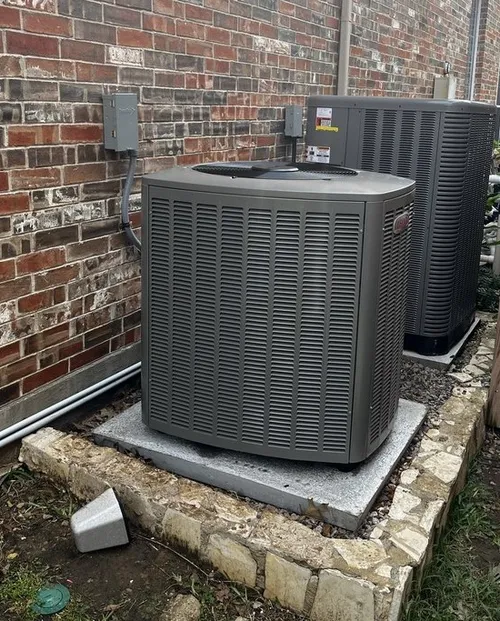
Metro Heating pro
37886 Filbert St, Newark, CA 94560
Metro Heating pro provides heating and air conditioning services in Fremont, CA. They offer repairs, installations, replacements, and maintenance for HVAC systems including furnaces, boilers, heat pumps, mini splits, and geothermal heat pumps. The company serves all brands and models, focusing on clear communication about the work process and timing. Metro Heating pro has built a reputation in the Newark area through years of consistent HVAC service.
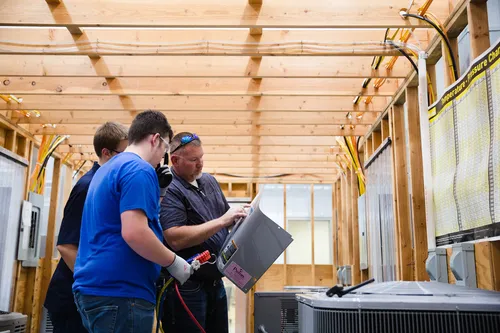
Best HVAC
Stockton, CA
Best HVAC is an HVAC company serving Stockton, CA, and the surrounding areas, including Modesto. They provide a wide range of services such as air conditioning installation, repair, and maintenance, heating system services including furnaces, heat pumps, ductless mini splits, and geothermal systems, as well as indoor air quality solutions like duct cleaning and air purifier installation. The company also offers commercial HVAC services, including new system installation and maintenance programs. With over 25 years of experience, Best HVAC emphasizes problem-solving and offers a lifetime warranty on new system installations.
Air Heating Masters San Jose
313 Piercy Rd, San Jose, CA 95138
Air Heating Masters San Jose is a geothermal heat pump and HVAC installation contractor based in San Jose, CA. They specialize in home temperature control systems that offer energy efficiency and low maintenance by using geothermal technology. Their services include installation, maintenance, and repair of heating and cooling systems that transfer energy between the home and the earth through an underground loop system. With over fifty years of experience in geothermal technology, they provide systems that operate quietly and reliably. The company also offers 24-hour emergency service for urgent needs.
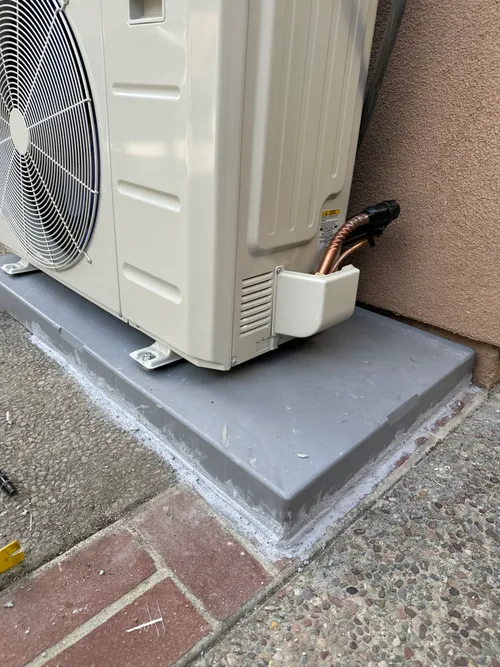
Kailey Air Systems
3633 Norwood Ave, San Jose, CA 95148
Kailey Air Systems is an HVAC company based in San Jose, CA, offering installation, repair, and maintenance services for a wide range of heating and cooling systems. They service major HVAC equipment including air conditioners, furnaces, heat pumps, boilers, mini splits, and geothermal heat pumps. Their certified technicians work throughout San Jose and nearby cities such as Santa Clara, Sunnyvale, Mountain View, and others, providing comprehensive HVAC solutions.

Cold Craft, Inc.
181 Lost Lake Ln, Campbell, CA 95008
Cold Craft, Inc. is a full-service HVAC company serving San Jose, CA, and the surrounding Silicon Valley area. Established in 1991, the company offers residential and commercial heating, ventilation, air conditioning, and refrigeration services, including installation, repair, and maintenance of furnaces, air conditioners, heat pumps, mini splits, geothermal systems, and wine cellar refrigeration. They also provide indoor air quality solutions and have an onsite sheet metal fabrication shop. Cold Craft specializes in complex systems like geothermal heating and wine cellar refrigeration, leveraging decades of experience to meet specialized needs.
How Geothermal Heating and Cooling Works
The principle behind a geothermal system is elegant in its simplicity. Just a few feet below the surface, the earth maintains a nearly constant temperature year-round, typically between 50°F and 60°F in our region. A geothermal system uses this stable thermal resource as a source of heat in the winter and a place to dump excess heat in the summer.
The process involves three key components:
- The Ground Loop: A network of durable, high-density polyethylene pipes buried in your yard. A water-based solution circulates through this closed loop, absorbing or dissipating heat from the surrounding earth.
- The Heat Pump Unit: Located inside your home, this unit contains a compressor and a heat exchanger. It concentrates the low-grade heat from the ground loop to warm your home in winter. In summer, it works in reverse, extracting heat from your indoor air and transferring it into the cooler ground loop 1.
- The Distribution System: The conditioned air is delivered through your existing ductwork. Some systems can also be integrated with hydronic (water-based) radiant floor heating for ultimate comfort 2 3.
This "heat exchange" process is far more efficient than generating heat by burning fuel. By moving existing heat, a geothermal heat pump can deliver over four units of heating or cooling for every one unit of electricity it consumes.
Types of Ground Loop Systems for Cupertino Homes
The design of the underground piping, or ground loop, is the most critical site-specific aspect of a geothermal installation. The right choice depends heavily on your property's soil conditions, lot size, and geology.
Closed-Loop Systems
This is the most common residential configuration, where the fluid is permanently sealed within the piping.
- Vertical Closed-Loop: This is often the ideal solution for Cupertino's typically smaller residential lots. Contractors drill boreholes, typically 150 to 450 feet deep, and insert U-shaped loop pipes into each one 4 5. The holes are then grouted. While drilling costs are higher, a vertical field requires minimal surface area, causing less disruption to your landscaping.
- Horizontal Closed-Loop: If you have ample yard space, pipes can be laid in trenches dug 4 to 6 feet deep. This method generally has a lower installation cost than vertical drilling but requires a significant amount of open land 6 7.
Open-Loop Systems
This system uses groundwater from a well or a surface water body like a pond as the heat exchange fluid. After passing through the heat pump, the water is returned to a second well or discharged back to the source. While potentially very efficient, open-loop systems are less common due to strict local regulations concerning water use and discharge, and they require an adequate, consistent water source 8 9.
Find the perfect geothermal heat pump contractors for your needs
Get personalized recommendations and expert advice
Benefits of Installing a Geothermal System in Cupertino
Choosing a ground-source heat pump for your home offers a compelling array of advantages that align perfectly with the values of many Bay Area residents.
- Exceptional Energy Efficiency & Savings: This is the standout benefit. By tapping into the earth's consistent temperature, geothermal systems can reduce your heating and cooling energy consumption by 25% to 65% compared to conventional systems. Homeowners often see a dramatic drop in their monthly utility bills, with savings that can amount to hundreds of dollars annually.
- Long-Term Reliability and Lifespan: The indoor heat pump unit typically lasts 20 years or more, which is comparable to high-end traditional systems. The real longevity champion is the underground loop, which is often warranted for 50 years and can last for generations with no maintenance 10. This durability provides incredible long-term value.
- Environmental Leadership: Geothermal systems run on electricity and produce no on-site emissions. By drastically reducing your home's fossil fuel consumption for heating, you significantly lower its carbon footprint. When paired with a renewable electricity source like solar panels, you can achieve a near-zero-emissions home.
- Quiet, Consistent Comfort: With no noisy outdoor condenser unit (like an air-source heat pump or AC has), operation is very quiet. The system provides steady, even heating and cooling without the drafts or temperature swings associated with forced-air systems that rely on outside air temperatures.
- All-in-One Solution: A single geothermal system provides highly efficient space heating, cooling, and can even be configured to supply a significant portion of your home's domestic hot water, simplifying your home's mechanical systems.
Understanding Costs, Incentives, and Payback
The primary barrier to geothermal adoption is the significant upfront investment. However, a complete financial picture must include long-term savings and available incentives.
Installation Costs: For a typical Cupertino single-family home, a complete geothermal heating and cooling system installation generally ranges from $20,000 to over $50,000. The final price is highly variable and depends on:
- Loop type (vertical drilling is more expensive than horizontal trenching).
- Home size and heating/cooling load.
- The condition of existing ductwork or the need for a new distribution system.
- Soil and rock conditions that affect drilling difficulty.
Financial Payback & Savings: The "payback period"-the time it takes for energy savings to equal the initial investment-typically falls between 5 and 10 years for many homeowners 11 12. After that, the ongoing savings go directly into your pocket. With potential savings of up to 65% on heating and cooling bills, the lifetime savings can be substantial, often totaling tens of thousands of dollars over the system's life 13.
Available Incentives: To encourage these clean energy upgrades, significant financial incentives are available:
- Federal Tax Credit: The federal Residential Clean Energy Credit offers a 30% tax credit on the total cost of a qualifying geothermal heat pump system, including installation. This can directly reduce your federal income tax liability by thousands of dollars 14.
- State & Local Programs: California and local utilities often offer additional rebates or incentive programs. It's essential to consult with your installer about current offerings from providers like PG&E or statewide initiatives.
The Installation Process: What to Expect
Installing a geothermal system is a major project that requires careful planning and expert execution.
- Site Evaluation & Design: A qualified installer will assess your property, evaluate soil conditions, calculate your home's heating and cooling loads, and design the optimal loop field and system size.
- Permitting: Your contractor will handle securing the necessary permits from the City of Cupertino, which are required for the drilling and electrical work.
- Loop Field Installation: For a vertical system, a drilling rig will create the boreholes. For horizontal, a backhoe will dig the trenches. The pipe loops are then placed and connected into a manifold.
- Heat Pump & Ductwork Installation: The indoor unit is installed and connected to your home's ductwork. If needed, duct modifications are made at this stage.
- System Charging & Testing: The loop is filled and pressurized, the system is charged with refrigerant, and everything is thoroughly tested for performance and efficiency.
- Commissioning & Orientation: The installer will start up the system, balance the airflow, and walk you through its operation and basic maintenance.
Frequently asked questions
Sources
Footnotes
-
Geothermal (Ground Source) Heat Pumps - NY.gov - https://cleanheat.ny.gov/geothermal-heat-pumps/ ↩
-
How a Geothermal Heat Pump Works | This Old House - https://www.youtube.com/watch?v=d5Tbsx3R2T8 ↩
-
How Geothermal Heat Pumps Work - https://www.youtube.com/watch?v=XxlTnBukweI&t=37 ↩
-
All You Need to Know About Home Geothermal Heating & ... - https://dandelionenergy.com/all-you-need-to-know-about-home-geothermal-heating-cooling ↩
-
How Does A Geothermal Heat Pump Work? Complete 2025 Guide - https://solartechonline.com/blog/how-does-geothermal-heat-pump-work/ ↩
-
Geothermal heat pumps: The ultimate guide to ground-source ... - https://termo-plus.com/blog/geothermal-ultimate-guide-to-ground-source-heat-pumps/ ↩
-
Geothermal Heat Pump and Ground Loop Technologies - https://efiling.energy.ca.gov/GetDocument.aspx?tn=73451 ↩
-
FAQs • What types of ground-source heat pumps and configurat - https://concordma.gov/FAQ.aspx?QID=484 ↩
-
Geothermal heating & cooling, heat pumps, heat exchange ... - https://aztechgeo.com/residential-geothermal/how-it-works/ ↩
-
Guide to Geothermal Heat Pumps - https://www.energy.gov/sites/prod/files/guide_to_geothermal_heat_pumps.pdf ↩
-
Geothermal Heat Pumps - Department of Energy - https://www.energy.gov/energysaver/geothermal-heat-pumps ↩
-
Geothermal Heat Pump Guide: Installation Costs, Types And Benefits - https://modernize.com/hvac/heating-repair-installation/heat-pump/geothermal ↩
-
5 Things You Should Know about Geothermal Heat Pumps - https://www.energy.gov/cmei/articles/5-things-you-should-know-about-geothermal-heat-pumps ↩
-
The California Buyers Guide to Geothermal Heat Pump Systems - https://www.californiageo.org/wp-content/uploads/CA-Buyers-Guide-for-Geothermal-HP-revised-12-13-24.pdf ↩