
Find the Best Geothermal Heat Pump Contractors for Your Business
No obligation • Fast responses • Nationwide coverage

Why you can trust HVAC Firms
HVAC Firms is a leading United States resource for evaluating HVAC service providers. Our team researches companies, checks credentials, and reviews customer feedback to present clear, unbiased information. Listings and rankings are based on merit, and companies cannot pay to change our editorial content.
Search providers near you
Top Geothermal Heat Pump Contractors in Aliso Viejo, California Ranked
A geothermal heat pump, also known as a ground-source heat pump, is a highly efficient system that uses the earth's stable temperature to heat and cool your home. For Aliso Viejo residents, this technology offers a path to significant energy savings and year-round comfort by leveraging the constant temperature just below the surface. This guide explains how these systems work, their benefits, and how you can connect with qualified local professionals to explore if a geothermal installation is right for your property.
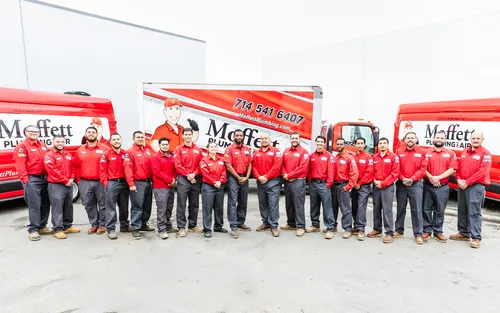
Moffett Plumbing & Air
13950 Milton Ave, Westminster, CA 92683
Moffett Plumbing & Air is a plumbing and HVAC company serving Long Beach, CA, and the surrounding Orange County area. They offer a wide range of services including air conditioning, furnace, heat pump, and boiler repair and installation, as well as duct cleaning, thermostat installation, indoor air quality services, and geothermal heat pump work. Established in 1969, Moffett Plumbing & Air has built a reputation for dependable service and community focus, treating customers with respect and care. Their team is known for professional workmanship and efficiency.
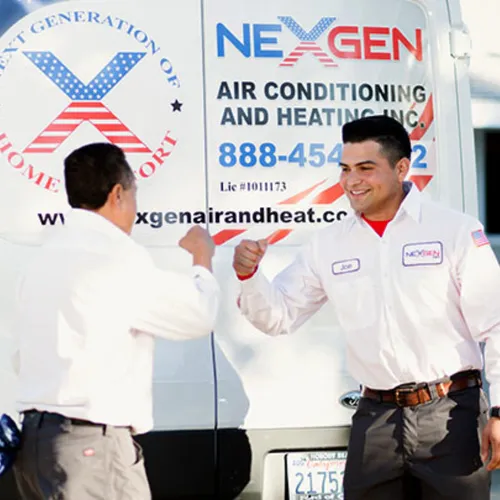
NexGen HVAC & Plumbing
23221 Peralta Dr Ste C, Laguna Hills, CA 92653
NexGen HVAC & Plumbing is a full-service heating and cooling company based in Irvine, CA. They provide installation, repair, and maintenance for a wide range of HVAC systems including traditional, electric, ductless, rooftop units, heat pumps, and geothermal systems. Their services also include air duct cleaning, thermostat installation, and HVAC tune-ups to improve system performance. NexGen HVAC & Plumbing offers insulation services for air ducts, walls, attics, and crawlspaces to enhance comfort and address issues such as mold and water leaks.
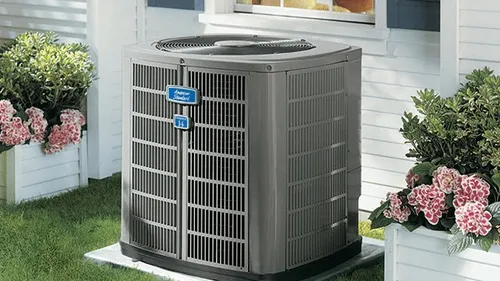
Nelson Air Heating & Air Conditioning
5062 Casa Oro Dr, Yorba Linda, CA 92886
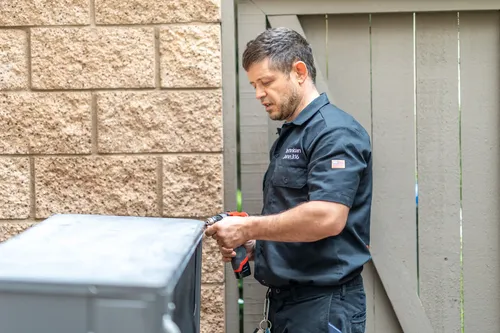
Nelson Air Heating & Air Conditioning provides HVAC installation services in Anaheim, CA. They handle installation for a variety of systems including air conditioners, furnaces, heat pumps, boilers, mini splits, and geothermal heat pumps for both residential and commercial clients. The company installs all major HVAC brands and emphasizes quality materials, efficiency, and workmanship.
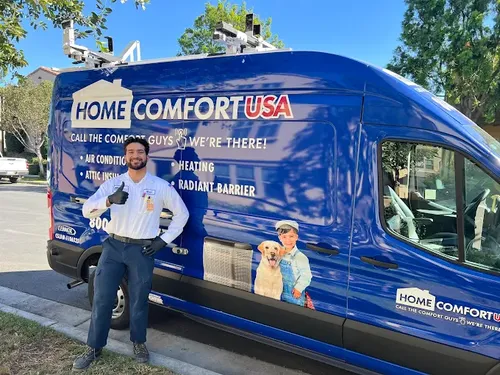
Comfort Elite HVAC
1080 N Batavia St Ste N, Orange, CA 92867
Comfort Elite HVAC provides a wide range of heating, air conditioning, and indoor air quality services in Los Angeles, CA. With over 10 years of experience, they handle installation, repair, and maintenance for systems including heat pumps, furnaces, mini splits, and geothermal heating. Their services cover air duct cleaning, air purification, and refrigerant recharge, aiming to improve home comfort and air quality. Comfort Elite HVAC offers 24/7 emergency repair services and same-day responses to HVAC issues, ensuring timely assistance for heating and cooling needs.
Cooling & Heating Repair
Long Beach, CA
Cooling & Heating Repair is an HVAC company serving Long Beach, CA, offering a wide range of services including air conditioning and furnace repair, heat pump and boiler maintenance, and installation of mini splits and geothermal systems. They provide emergency heating and AC services, central system installations, and HVAC tune-ups. The company has maintained a 5-star customer rating for 11 years, reflecting their experience in the local climate control industry. Their technicians are skilled in diagnosing and repairing common HVAC issues such as faulty thermostats, refrigerant leaks, and compressor problems, ensuring systems operate efficiently and safely.
How a Ground-Source Heat Pump Works
The core principle behind a geothermal system is remarkably simple: it moves heat rather than creating it. A few feet below the surface, the earth maintains a nearly constant temperature of around 50-60°F year-round, regardless of the weather above ground. A geothermal heat pump taps into this stable thermal resource through a network of buried pipes, called a ground loop.
A water-based fluid circulates through this sealed loop, absorbing the earth's consistent warmth in the winter and its relative coolness in the summer 1 2. This fluid then travels to an indoor heat pump unit. In heating mode, the system extracts the low-grade heat from the fluid, concentrates it using a refrigeration cycle, and distributes warm air through your home's ductwork. In cooling mode, the process reverses: heat and humidity from your home are absorbed by the fluid and rejected into the cooler ground 3. This efficient exchange is what allows geothermal systems to provide heating, cooling, and even a portion of your hot water with exceptional efficiency.
Types of Ground Loop Systems
The design of the underground loop field is a critical decision in any geothermal installation. The right choice depends heavily on your property's characteristics, such as lot size, soil composition, and landscape.
- Horizontal Closed Loops: This is often the most cost-effective method if space allows. Trenches are dug about four to six feet deep across a sizable area of your yard, and pipes are laid in a series of parallel runs or slinky coils 4 5. While trenching is generally less expensive than drilling, it requires a significant amount of unobstructed land.
- Vertical Closed Loops: This is the preferred solution for smaller lots, which are common in Aliso Viejo. Boreholes are drilled straight down, typically 100 to 400 feet deep, and U-shaped loop pipes are inserted into each hole 6. Vertical systems cause minimal disruption to existing landscaping and are excellent for rocky soil, but they require specialized drilling equipment.
- Open-Loop Systems: Less common in residential settings, this system uses groundwater from a well or a pond as the direct heat exchange fluid. After passing through the heat pump, the water is returned to a second well or discharged to the surface 7. This option depends entirely on having a sufficient supply of suitable water and complying with local groundwater regulations.
The Installation Process: What to Expect
Installing a geothermal system is a significant project that involves both indoor and outdoor work. Understanding the process can help you plan effectively.
1. Site Evaluation and Design: A qualified installer will first assess your property to determine the best loop type and size. This involves evaluating soil conditions, available space, and your home's heating and cooling loads. Proper sizing is crucial for efficiency and longevity.
2. Loop Field Installation: This is the most invasive phase. For a horizontal system, a backhoe will dig the necessary trenches. For a vertical system, a drilling rig will be brought in to create the boreholes. The high-density polyethylene pipes are then placed, connected into a manifold, and pressure-tested to ensure there are no leaks before the trenches or boreholes are backfilled.
3. Indoor Unit and Connection: Inside your home, the geothermal heat pump unit-which is typically about the size of a traditional furnace-is installed. It is connected to the ground loop, your home's electrical system, and the existing ductwork or a new air distribution system. The refrigerant lines and controls are also set up at this stage.
4. System Startup and Commissioning: Once everything is connected, the system is filled with the heat transfer fluid, purged of air, and started. The installer will test and calibrate all components to ensure optimal performance. While the yard work is disruptive, a professional crew can complete the excavation and restoration efficiently, especially on new construction projects where it can be coordinated with other site work.
Find the perfect geothermal heat pump contractors for your needs
Get personalized recommendations and expert advice
The Compelling Benefits for Aliso Viejo Homeowners
The upfront investment in a geothermal system is offset by a powerful combination of financial and comfort benefits that accumulate over the life of the system.
- Substantial Energy Savings: This is the most significant advantage. By moving existing heat with remarkable efficiency, geothermal heat pumps can reduce energy consumption for heating and cooling by 25% to 70% compared to conventional systems 8 9. This translates directly into lower monthly utility bills.
- High Efficiency and Environmental Impact: Geothermal systems are rated by their Coefficient of Performance (COP) for heating and Energy Efficiency Ratio (EER) for cooling. It's not uncommon for these systems to achieve COPs of 3.0 to 5.0, meaning they deliver three to five units of heat energy for every one unit of electrical energy consumed-an efficiency of 300% to 500% 10. This drastically reduces your home's carbon footprint.
- Long-Term Payback and Value: Although installation costs can range from $15,000 to $35,000 or more, the dramatic reduction in energy bills typically allows homeowners to recoup their investment through savings within 5 to 10 years 11 12. Furthermore, a geothermal system is a durable, long-life upgrade that can enhance your property's value.
- Superior Comfort and Quiet Operation: These systems provide exceptionally even, draft-free heating and cooling. They also dehumidify more effectively than standard air conditioners in the summer. Because the noisiest component-the compressor-is located indoors, outdoor noise is virtually eliminated.
Financial Incentives and Rebates in California
California offers some of the strongest financial incentives in the nation to adopt clean energy technologies like geothermal heat pumps, making the economics even more attractive.
- Federal Tax Credits: Homeowners can claim a federal tax credit for a percentage of the total installed cost of a qualifying geothermal heat pump system. It's essential to consult the latest IRS guidelines or a tax professional for current credit rates and eligibility 13.
- State and Local Rebates: Various utility companies and state programs may offer additional rebates or performance-based incentives. Your local installer should be well-versed in the current landscape of available incentives, which can significantly reduce your net project cost 14 15.
- Increased Home Value: Studies have shown that homes with geothermal systems often sell for a premium, as buyers recognize the value of low operating costs and modern, efficient technology.
Is a Geothermal System Right for Your Home?
Geothermal heat pumps are an excellent choice for many, but they are particularly well-suited for certain scenarios:
- New Construction: Integrating the ground loop during the initial building phase is the most straightforward and cost-effective approach.
- Homes with Adequate Land or Access for Drilling: Even smaller lots can often accommodate vertical boreholes.
- Homeowners Planning to Stay Long-Term: You'll maximize the financial return by enjoying the energy savings for many years after the payback period.
- Those Seeking the Ultimate in Efficiency and Comfort: If reducing your environmental impact and achieving consistent indoor comfort are top priorities, geothermal is a premier solution.
The key to a successful project is working with an experienced, certified installer who can conduct a thorough site evaluation, design a correctly sized system, navigate local permitting, and expertly manage the installation.
Frequently asked questions
Sources
Footnotes
-
Geothermal Heat Pumps | WBDG - https://www.wbdg.org/resources/geothermal-heat-pumps ↩
-
Geothermal (Ground Source) Heat Pumps - NY.gov - https://cleanheat.ny.gov/geothermal-heat-pumps/ ↩
-
How a Geothermal Heat Pump Works | This Old House - https://www.youtube.com/watch?v=d5Tbsx3R2T8 ↩
-
Geothermal heat pumps: The ultimate guide to ground-source ... - https://termo-plus.com/blog/geothermal-ultimate-guide-to-ground-source-heat-pumps/ ↩
-
Geothermal Heat Pumps - Home Energy - https://home-energy.extension.org/geothermal-heat-pumps/ ↩
-
Geothermal Heat Pump and Ground Loop Technologies - https://efiling.energy.ca.gov/GetDocument.aspx?tn=73451 ↩
-
All You Need to Know About Home Geothermal Heating & ... - https://dandelionenergy.com/all-you-need-to-know-about-home-geothermal-heating-cooling ↩
-
How Geothermal Heating and Cooling Systems Work | Belle Air - https://www.belleairservices.com/how-geothermal-heating-and-cooling-systems-work/ ↩
-
How Does a Geothermal System Work? - ClimateMaster - https://www.climatemaster.com/homeowner/side-links/how-it-works ↩
-
Guide to Geothermal Heat Pumps - https://www.energy.gov/sites/prod/files/guide_to_geothermal_heat_pumps.pdf ↩
-
5 Things You Should Know about Geothermal Heat Pumps - https://www.energy.gov/cmei/articles/5-things-you-should-know-about-geothermal-heat-pumps ↩
-
Geothermal Heat Pumps - Department of Energy - https://www.energy.gov/energysaver/geothermal-heat-pumps ↩
-
The California Buyers Guide to Geothermal Heat Pump Systems - https://www.californiageo.org/wp-content/uploads/CA-Buyers-Guide-for-Geothermal-HP-revised-12-13-24.pdf ↩
-
About Geothermal - https://igshpa.org/about-geothermal/ ↩
-
Geothermal Heat Pumps | AHRI - https://www.ahrinet.org/scholarships-education/education/contractors-and-specifiers/hvacr-equipmentcomponents/geothermal-heat-pumps ↩