
Find the Best Geothermal Heat Pump Contractors for Your Business
No obligation • Fast responses • Nationwide coverage

Why you can trust HVAC Firms
HVAC Firms is a leading United States resource for evaluating HVAC service providers. Our team researches companies, checks credentials, and reviews customer feedback to present clear, unbiased information. Listings and rankings are based on merit, and companies cannot pay to change our editorial content.
Search providers near you
Top Geothermal Heat Pump Contractors in Alameda, California Ranked
A geothermal heat pump is a highly efficient home comfort system that uses the stable temperature of the earth to provide heating and cooling. For Alameda homeowners, this technology offers a way to significantly reduce energy bills and environmental impact while ensuring year-round comfort. This guide explains how ground-source heat pumps work, what installation involves, and how you can find qualified local experts to evaluate your property.
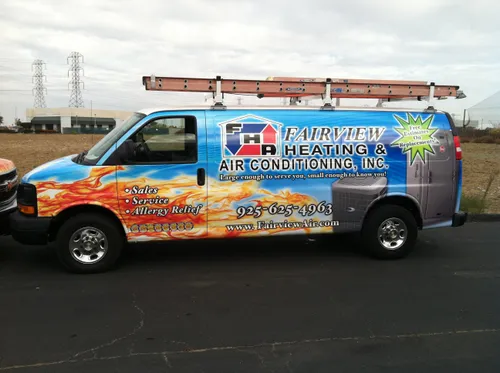
Fairview Heating & Air Conditioning Inc.
100 Brownstone Rd, Oakley, CA 94561
Fairview Heating & Air Conditioning Inc. is an HVAC contractor based in Oakland, CA, offering a range of services including air conditioning repair and installation, furnace and heat pump services, indoor air quality improvements, and ductless mini-split system installations. They provide solutions tailored to the local climate, including American-made equipment designed for East County conditions. With over 30 years of experience maintaining and installing HVAC systems, Fairview also addresses new energy efficiency standards affecting heating equipment in California. Their services include advanced capabilities such as air scrubbers and ultraviolet lights to enhance indoor air quality.
Big Air Heating & Air Conditioning
1000 Detroit Ave, Concord, CA 94518
Big Air Heating & Air Conditioning is an HVAC company serving Oakland, CA, with over 20 years of experience. They provide installation, repair, and tune-up services for air conditioning, furnaces, heat pumps, boilers, mini splits, and geothermal heat pumps. Their technicians are certified, drug screened, and background checked, ensuring professional and knowledgeable service. The company works with both commercial and residential clients, offering clear pricing by the job.
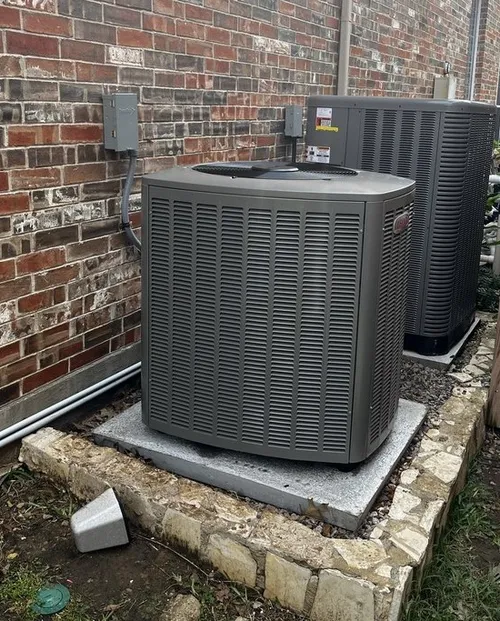
Metro Heating pro
37886 Filbert St, Newark, CA 94560
Metro Heating pro provides heating and air conditioning services in Fremont, CA. They offer repairs, installations, replacements, and maintenance for HVAC systems including furnaces, boilers, heat pumps, mini splits, and geothermal heat pumps. The company serves all brands and models, focusing on clear communication about the work process and timing. Metro Heating pro has built a reputation in the Newark area through years of consistent HVAC service.
Clean Air HVAC INC
428 N Buchanan Cir #1, Pacheco, CA 94553
Clean Air HVAC INC is an HVAC contractor based in Oakland, CA, providing heating and cooling solutions for residential customers. The company offers a wide range of services including installation, repair, and maintenance of furnaces, air conditioners, heat pumps, mini-split systems, and geothermal heat pumps. They also provide indoor air quality services such as air filtration, humidifiers, and ventilation systems. Clean Air HVAC INC serves the East Bay area and is experienced in handling various HVAC systems, including Lennox Healthy Climate Solutions and zoning systems.
Best HVAC
Stockton, CA
Best HVAC is an HVAC company serving Stockton, CA, and the surrounding areas, including Modesto. They provide a wide range of services such as air conditioning installation, repair, and maintenance, heating system services including furnaces, heat pumps, ductless mini splits, and geothermal systems, as well as indoor air quality solutions like duct cleaning and air purifier installation. The company also offers commercial HVAC services, including new system installation and maintenance programs. With over 25 years of experience, Best HVAC emphasizes problem-solving and offers a lifetime warranty on new system installations.
How Geothermal Systems Work: The Earth as Your Energy Source
At its core, a geothermal or ground-source heat pump is a marvel of simple physics. It leverages the fact that just a few feet below the surface, the earth maintains a nearly constant temperature of about 55°F year-round, regardless of the weather above ground. This stable thermal resource is the system's powerhouse.
For Heating: A fluid (usually water mixed with antifreeze) circulates through a loop of pipes buried in your yard. This fluid absorbs the mild heat from the ground. It then returns to a heat pump unit inside your home, where the system concentrates that low-grade heat and transfers it as warm air through your ducts or as hot water for radiant floor systems 1.
For Cooling: The process reverses in the summer. The system extracts heat and humidity from your indoor air. Instead of dumping this heat into the hot outdoor air like a standard air conditioner, a geothermal system transfers it into the cooler earth via the same underground loop 2. This reversal of the refrigeration cycle makes it incredibly efficient for both seasons.
The local advantage in Alameda and the broader Bay Area is significant. While our climate is milder than many regions, summer cooling is still essential. A geothermal system doesn't have to work as hard to reject heat into the 55°F ground compared to an air-source heat pump struggling against 90°F air, giving it a substantial efficiency edge.
Types of Ground Loop Systems
The underground portion, or "ground loop," is the defining component of a geothermal installation. The right type for your Alameda property depends on your lot size, soil conditions, and budget. Local contractors will perform a detailed site assessment to determine the best option.
Horizontal Closed Loops This is often the most cost-effective method, especially for new construction where the yard is already being excavated. Trenches are dug about four to six feet deep across a large area of the property. Pipes are laid in these trenches in a slinky-like configuration to maximize surface area, then backfilled. This approach requires a substantial amount of available land-typically a quarter to three-quarters of an acre-which can be a constraint on smaller Alameda lots 3 4.
Vertical Borehole Loops When yard space is limited, vertical loops are the ideal solution. A drilling rig bores narrow holes straight down, typically between 100 and 400 feet deep 5 6. U-shaped pipes are inserted into each borehole, which are then filled with a special grout to ensure good thermal contact. This method is common for retrofits on existing homes with smaller yards and often has a higher installation cost due to the specialized drilling equipment required 7.
Pond or Lake Loops If your property has access to a suitable body of water, this can be an excellent option. Coils of pipe are submerged at the bottom of the pond or lake, using the water as a heat exchange medium. This system avoids extensive digging or drilling and can be very efficient, but it requires a water source of sufficient depth and volume that won't freeze solid.
The Installation Process: What to Expect
Installing a geothermal heating and cooling system is a significant project that requires careful planning and expert execution. Understanding the steps can help you prepare.
- Comprehensive Site Assessment: A qualified installer will evaluate your property's soil composition, lot size, landscaping, and accessibility. They'll also assess your home's existing ductwork or hydronic distribution system to ensure compatibility. This step is crucial for designing an efficient and effective loop field.
- Loop Field Installation: This is the major outdoor work. For a horizontal system, excavators will dig the trench network. For a vertical system, a drilling rig will be brought in. The high-density polyethylene pipes are carefully placed, connected, and pressure-tested to ensure there are no leaks before being buried or grouted.
- Indoor Unit Installation: The geothermal heat pump unit itself is typically installed indoors, often in a basement, garage, or utility closet. It's about the size of a traditional furnace. The installer will connect it to the underground loop and to your home's electrical system.
- Distribution System Connection: Finally, the heat pump is connected to your home's method of distributing air or water. If you have forced-air ducts, the unit will tie into the existing ductwork. For homes with radiant floor heating, the unit will connect to the hydronic piping manifold 8.
Find the perfect geothermal heat pump contractors for your needs
Get personalized recommendations and expert advice
Efficiency, Savings, and Payback Analysis
The primary appeal of a geothermal heat pump is its remarkable efficiency and the resulting long-term savings on utility bills.
Unmatched Efficiency: While the best gas furnaces might be 95-98% efficient, and air-source heat pumps can achieve 200-300% efficiency (measured as Coefficient of Performance or COP), geothermal systems regularly achieve efficiencies of 300% to 500% 9 10. This means for every unit of electricity used to run the compressor and fan, the system moves three to five units of heating or cooling energy from the ground into your home.
Substantial Utility Savings: Homeowners can typically expect a reduction of 30% to 60% on their heating and cooling energy bills compared to conventional systems like standard electric furnaces or air conditioners 11. In Alameda, where many homes use natural gas for heat and electricity for cooling, the savings on summer cooling costs are particularly dramatic. For homes currently using expensive propane or electric resistance heat, the savings are even more pronounced 12.
Understanding Payback Period: The upfront cost is higher than a standard HVAC system. A typical installation for a 2,000-square-foot home in the Bay Area might range from $20,000 to $40,000, heavily influenced by the loop type and site conditions 13. However, financial incentives dramatically improve the economics.
- Federal Tax Credit: A significant federal tax credit for geothermal heat pumps is available, which can cover 30% of the total installed cost 14. This incentive directly reduces the net investment.
- Calculating Payback: With the tax credit, the payback period-the time it takes for energy savings to equal the net installation cost-shortens considerably. In the Alameda area, compared to a high-efficiency natural gas system, the payback might be in the 15-20 year range. If you're replacing an old propane system or electric baseboards, the payback period can be as short as 8 to 13 years due to the massive fuel cost savings. It's a long-term investment that adds value to your home while locking in low operating costs for decades.
Is a Geothermal System Right for Your Alameda Home?
Geothermal technology isn't a one-size-fits-all solution, but it's an excellent fit for many properties. It's ideal for homeowners planning to stay in their homes long enough to realize the financial payback, those interested in maximizing home efficiency and sustainability, and anyone looking to eliminate their dependence on fossil fuels for comfort. It pairs exceptionally well with solar panels, creating a near-zero-energy home for heating, cooling, and electricity.
The first and most critical step is to consult with a local, experienced geothermal contractor. They can provide a detailed analysis of your property's suitability, provide accurate cost estimates, model your potential energy savings, and guide you through the available incentives. Their expertise is invaluable in turning the constant temperature beneath your yard into a source of reliable, affordable comfort for your home.
Frequently asked questions
Sources
Footnotes
-
Geothermal (Ground Source) Heat Pumps - NY.gov - https://cleanheat.ny.gov/geothermal-heat-pumps/ ↩
-
How Geothermal Heating and Cooling Systems Work | Belle Air - https://www.belleairservices.com/how-geothermal-heating-and-cooling-systems-work/ ↩
-
FAQs • What types of ground-source heat pumps and configurat - https://concordma.gov/FAQ.aspx?QID=484 ↩
-
Geothermal heating & cooling, heat pumps, heat exchange ... - https://aztechgeo.com/residential-geothermal/how-it-works/ ↩
-
Ground source heat pumps: horizontal collectors Vs. vertical boreholes - https://www.mesh-energy.com/insights/ground-source-heat-pumps-horizontal-collectors-vs-vertical-boreholes ↩
-
Geothermal Heat Pumps - Department of Energy - https://www.energy.gov/energysaver/geothermal-heat-pumps ↩
-
How Does A Geothermal Heat Pump Work? Complete 2025 Guide - https://solartechonline.com/blog/how-does-geothermal-heat-pump-work/ ↩
-
How a Geothermal Heat Pump Works | This Old House - https://www.youtube.com/watch?v=d5Tbsx3R2T8 ↩
-
5 Things You Should Know about Geothermal Heat Pumps - https://www.energy.gov/cmei/articles/5-things-you-should-know-about-geothermal-heat-pumps ↩
-
Guide to Geothermal Heat Pumps - https://www.energy.gov/sites/prod/files/guide_to_geothermal_heat_pumps.pdf ↩
-
All You Need to Know About Home Geothermal Heating & ... - https://dandelionenergy.com/all-you-need-to-know-about-home-geothermal-heating-cooling ↩
-
Geothermal Heat Pumps - EnergySmart CNY - https://www.energysmartcny.org/heat-pumps/geothermal/ ↩
-
Everything You Need to Know About Geothermal Heat Pumps - https://www.familyhandyman.com/article/everything-you-need-to-know-about-geothermal-heat-pumps/ ↩
-
The California Buyers Guide to Geothermal Heat Pump Systems - https://www.californiageo.org/wp-content/uploads/CA-Buyers-Guide-for-Geothermal-HP-revised-12-13-24.pdf ↩