Find the Best Mini-Split Installers for Your Business
No obligation • Fast responses • Nationwide coverage

Why you can trust HVAC Firms
HVAC Firms is a leading United States resource for evaluating HVAC service providers. Our team researches companies, checks credentials, and reviews customer feedback to present clear, unbiased information. Listings and rankings are based on merit, and companies cannot pay to change our editorial content.
Search providers near you
Top Mini-Split Installers in Santa Clarita, California Ranked
For Santa Clarita homeowners seeking efficient, zoned comfort without the need for extensive ductwork, mini-split installation is a transformative solution. These ductless systems are perfectly suited to the area's hot summers and mild winters, offering precise temperature control for individual rooms, home additions, or entire residences. This guide will help you understand the process, benefits, and key considerations for finding a qualified professional to handle your ductless HVAC project.
Hilo Aire
28220 Ave Crocker # 407, Valencia, CA 91355
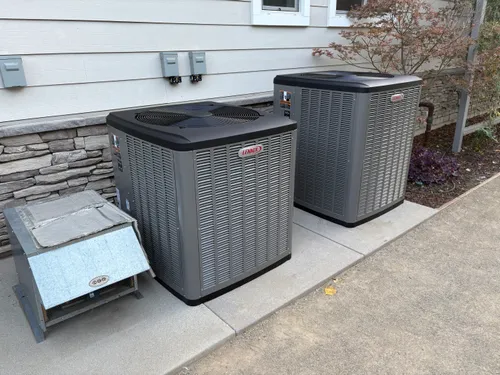
Hilo Aire is an HVAC company serving Santa Clarita, CA, and surrounding areas including Ventura and Los Angeles counties. They provide a range of heating and cooling services such as air conditioning, furnace, heat pump, and ductless mini-split installation, maintenance, and repair. The company also offers indoor air quality services and customized system design focused on energy efficiency. With over 30 years of combined industry experience, Hilo Aire emphasizes transparent pricing and customer-centered service. They provide same-day, weekend, and emergency service options.

Fast Cool & Heat Inc.
7417 Woodman Ave, Van Nuys, CA 91405
Fast Cool & Heat Inc. offers comprehensive HVAC installation and repair services in Los Angeles, CA. They specialize in heating, ventilation, and air conditioning solutions, including furnace, heat pump, central AC, and ductless mini-split systems. Their certified technicians provide custom installations and maintenance designed for efficiency and long-term performance. The company focuses on energy-efficient systems suited for the local climate and supports both residential and commercial properties.

All City Plumbing, Air & Electrical
221 Allen Ave, Glendale, CA 91201
All City Plumbing, Air & Electrical is a family-owned business serving Los Angeles, CA, and nearby areas with plumbing, heating, air conditioning, and electrical services. Their team handles a wide range of HVAC needs including furnace, heat pump, boiler, and mini split installation and repair, as well as indoor air quality and thermostat services. The company is known for its ACE-certified technicians and offers comprehensive capabilities such as hydro-jetting and whole house filtration system installation. With over 13 years of experience, All City Plumbing, Air & Electrical emphasizes quality workmanship and customer satisfaction.
Just Rite Air Heating & Cooling Santa Clarita
25030 Avenue Stanford suite 70, Santa Clarita, CA 91355
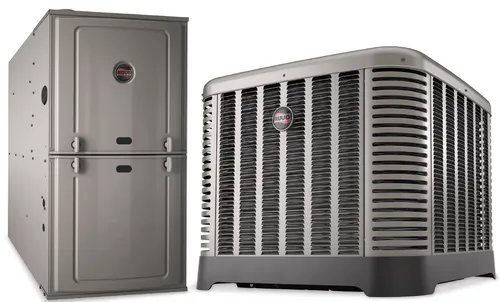
Just Rite Air Heating & Cooling Santa Clarita provides comprehensive HVAC services in Santa Clarita, CA. They specialize in the installation, repair, and maintenance of heating and cooling systems including furnaces, air conditioners, heat pumps, boilers, ductless mini-splits, and geothermal heat pumps. Their services also cover indoor air quality solutions such as air purifiers, humidifiers, and duct cleaning. The company handles diagnostics and repairs for various HVAC components and offers system tune-ups to maintain efficiency. They serve the entire Santa Clarita Valley including Valencia, Saugus, Canyon Country, and Newhall.
Alpha Air Conditioning & Heating
7965 Foothill Blvd, Sunland, CA 91040
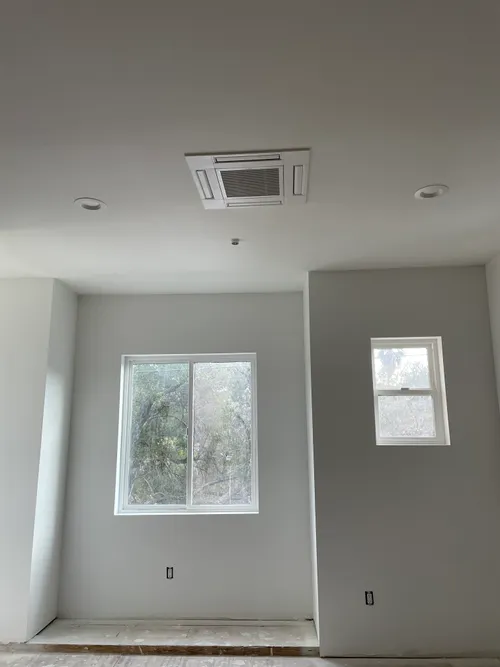
Alpha Air Conditioning & Heating is an HVAC company serving Los Angeles, CA, specializing in heating and cooling system installation, repair, and maintenance. They offer services for air conditioners, furnaces, heat pumps, and ductless mini-split systems, with expertise in indoor air quality solutions. As a Mitsubishi Electric Ductless Pro Elite Contractor, they provide skilled installation and servicing of ductless mini-split systems. Established in 2005, Alpha Air Conditioning & Heating has over 15 years of experience and offers same-day and weekend service appointments for heating and cooling emergencies.
Why Choose a Ductless Mini-Split for Your Santa Clarita Home?
Santa Clarita's climate, characterized by dry heat and significant temperature swings between day and night, demands a flexible and efficient cooling and heating system. Traditional central air can be inefficient, especially in homes without existing ducts or in rooms that are difficult to condition. A ductless mini-split system addresses these challenges head-on by providing targeted, zoned comfort. Each indoor unit operates independently, allowing you to cool or heat only the spaces you're using, which can lead to substantial energy savings-a perfect complement for homes with solar panel installations common in Southern California.
Beyond efficiency, these systems are ideal for home renovations and additions. Whether you've converted a garage into a living space, added a sunroom, or built a new master suite, running new ductwork is often costly and disruptive. A mini-split offers a clean, streamlined solution with minimal construction impact, making it a popular choice for modernizing older Santa Clarita homes or enhancing newer ones.
Understanding Mini-Split System Types and Configurations
Not all ductless systems are the same. The right configuration depends entirely on your home's layout and your comfort goals. The two primary categories are single-zone and multi-zone systems.
- Single-Zone Systems: This setup consists of one outdoor condenser unit connected to one indoor air-handling unit. It's an excellent and cost-effective choice for conditioning a single room, such as a primary bedroom, home office, or living room that needs supplemental cooling and heating 1.
- Multi-Zone Systems: A single outdoor unit can connect to multiple indoor units (typically 2 to 5+). This configuration allows you to create custom climate zones throughout your home. You can set different temperatures for the kitchen, bedrooms, and living areas simultaneously, all from one efficient outdoor system 2 3. This is often chosen for whole-home comfort in properties without ductwork.
Choosing between these options is a key decision that affects project scope, cost, and long-term satisfaction. A qualified installer will assess your home's layout, insulation, and your family's habits to recommend the ideal system type and capacity.
Critical Installation Considerations: Indoor Unit Placement
Proper placement of the indoor air handler is crucial for performance, comfort, and aesthetics. It's not just about finding an empty spot on the wall.
- Height and Clearance: For optimal air distribution, indoor units are typically mounted high on an interior wall, about 6 to 8 feet from the floor. It's vital to maintain at least 6 inches of clearance from the ceiling and side walls to ensure proper airflow intake and exhaust. Equally important is keeping a 3-foot open space directly in front of the unit, free of large furniture, curtains, or decor that could obstruct airflow 4.
- Strategic Location: Avoid placing the unit in direct sunlight from a window or near other heat sources like televisions or lamps. The location should also facilitate easy drainage of condensation; a spot near an exterior wall simplifies running the drain line outside. The goal is to place it where it can circulate air evenly throughout the room without creating drafts or hot/cold spots.
Outdoor Unit Placement and Requirements
The outdoor condenser is the heart of the system, and its placement requires careful planning for efficiency, longevity, and neighborly consideration.
- Airflow and Access: The condenser needs space to breathe. Installers recommend allowing 12 to 24 inches of clearance on all sides of the unit. This ensures adequate airflow for heat exchange and provides necessary space for future maintenance and repairs 5.
- Stable Foundation and Environment: The unit must be placed on a stable, level surface, such as a concrete pad or specialized mounting brackets. It should be situated away from sources of excessive heat or debris, such as barbecue grills, dryer vents, or under dense foliage. In Santa Clarita, considering sun exposure is also wise; some afternoon shade can help the unit run more efficiently during peak summer heat 6.
Find the perfect mini-split installers for your needs
Get personalized recommendations and expert advice
Breaking Down the Costs of Ductless Installation
Investing in a mini-split system involves several cost factors beyond the price of the equipment itself. Understanding this breakdown helps in budgeting and comparing proposals. Costs can vary based on system complexity, brand, and the specific requirements of your Santa Clarita home.
- Equipment and Primary Labor: This forms the base cost and is largely determined by the number of zones. For a single-zone system, homeowners can expect a range, while multi-zone systems scale in price with added indoor units.
- Additional Labor and Materials: Complex installations can incur extra costs. This includes "fishing" linesets through walls and ceilings ($500-$3,500+), installing a dedicated electrical circuit, and handling the condensate drain line. If a gravity drain isn't possible, a condensate pump will be needed.
- Electrical Work: Most systems require a new, dedicated electrical circuit from your home's main panel. If your panel is at capacity, an upgrade or sub-panel installation may be necessary, adding $500 to $2,000 to the project cost 7 8.
- Permits: In Santa Clarita, a permit is typically required for this type of HVAC work. Permit fees generally range from $100 to $500 and ensure the installation meets local building and safety codes 9.
The Professional Installation Process: What to Expect
A professional installation by a licensed and insured contractor is non-negotiable for system performance and warranty validity. The process generally follows these steps:
- Consultation and Load Calculation: A technician will visit your home to assess your needs, measure rooms, and perform a Manual J load calculation. This determines the precise heating and cooling capacity (in BTUs) required for each space, preventing under- or over-sizing.
- System Design and Proposal: Based on the assessment, the contractor will design a system layout, specifying the ideal locations for indoor and outdoor units. You'll receive a detailed proposal outlining equipment choices, labor, timeline, and total cost.
- Installation Day: The crew will mount the indoor and outdoor units, drill a small hole (typically 3 inches) for the connecting lineset, and connect the refrigerant, electrical, and drain lines. This work requires expertise in HVAC, electrical, and sometimes carpentry.
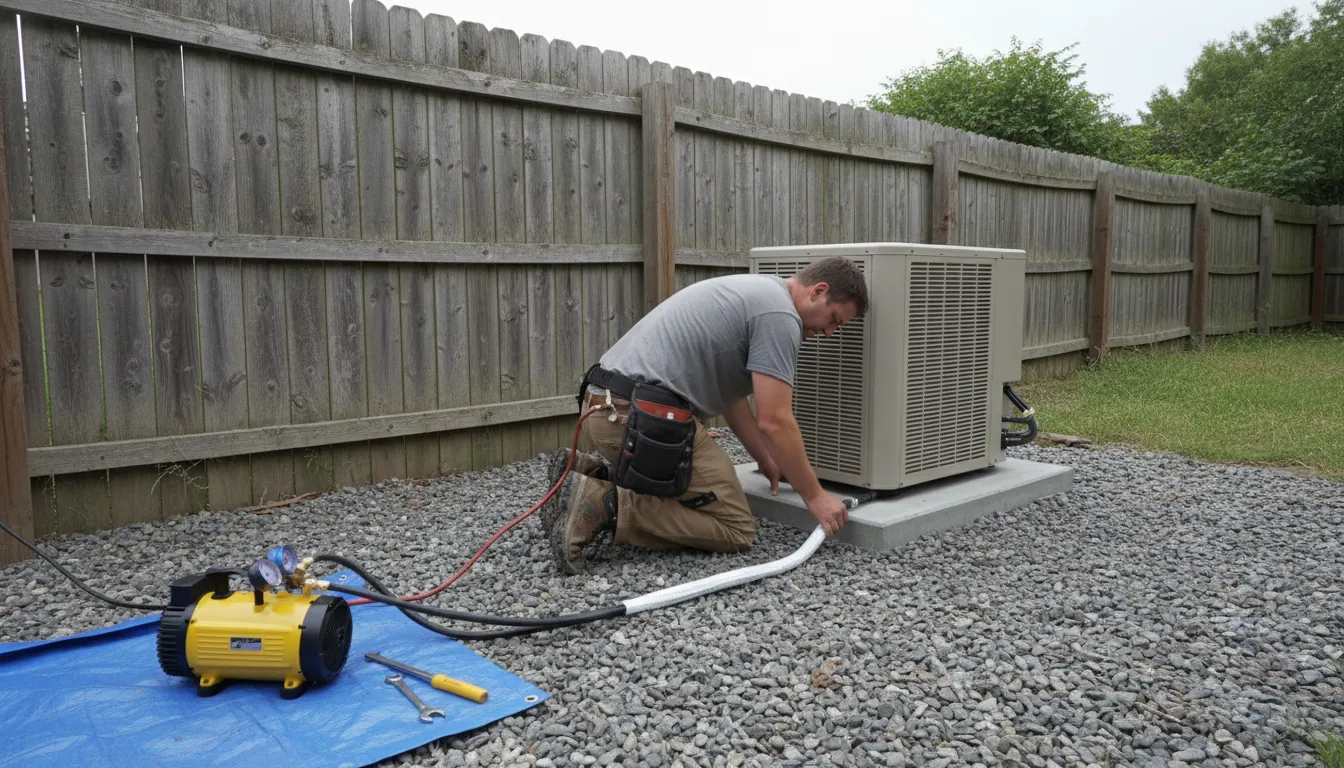
- Vacuum, Charge, and Test: Once connected, the system is evacuated of air and moisture using a vacuum pump before the precise amount of refrigerant is charged. The technician will then test all functions, including cooling, heating, and each mode on the remote control.
- Final Walkthrough: A good installer will review the system's operation with you, explain basic maintenance, and provide all warranty information and manuals.
Frequently asked questions
Sources
Footnotes
-
Mini-Split Systems - Easy System Selector | HVACDirect.com - https://hvacdirect.com/easy-system-selector/mini-split-systems.html ↩
-
Ductless Mini Splits in Santa Clarita | JC Heating & AC - https://www.jcrefrigerationheatingandair.com/air-conditioning/mini-splits/ ↩
-
What is a Mini Split Air Conditioner? - Carrier - https://www.carrier.com/residential/en/us/products/ductless-mini-splits/what-is-mini-split-air-conditioner/ ↩
-
Aircon Mini Split Installation: Save $ in 3 Steps - Comfort Temp - https://comforttemp.com/aircon-mini-split-installation/ ↩
-
Mini-Split AC Installation In LA | 30% Energy Savings - https://affordableairla.com/ductless-mini-split-ac-installation/ ↩
-
Ductless Mini Split Setup: An Ultimate Guide - Airflow Heating & Air - https://www.goairflow.com/blog/ductless-mini-split-installation/ ↩
-
Cost to Install Mini Split AC System in 2025 - https://dellahome.com/blogs/della-blog/cost-to-install-mini-split-ac-system ↩
-
Ductless Mini-Splits: A Comprehensive Cost Breakdown - https://www.myfivestarhomeservices.com/ductless-mini-splits-a-comprehensive-cost-breakdown/ ↩
-
Ductless Mini-Split Installation Cost in 2025: Full Breakdown - https://osborneheatingncooling.com/ductless-mini-split-installation-cost/ ↩