Find the Best Mini-Split Installers for Your Business
No obligation • Fast responses • Nationwide coverage

Why you can trust HVAC Firms
HVAC Firms is a leading United States resource for evaluating HVAC service providers. Our team researches companies, checks credentials, and reviews customer feedback to present clear, unbiased information. Listings and rankings are based on merit, and companies cannot pay to change our editorial content.
Search providers near you
Top Mini-Split Installers in Oakland, California Ranked
A ductless mini-split system is a versatile heating and cooling solution that provides targeted comfort without the need for extensive ductwork. For Oakland homes, from historic bungalows to modern additions, these systems offer an efficient way to create independent climate zones, reduce energy waste, and improve indoor air quality. This guide will help you understand the process, costs, and key considerations for installing a mini-split in your home, connecting you with the information needed to find qualified local professionals.
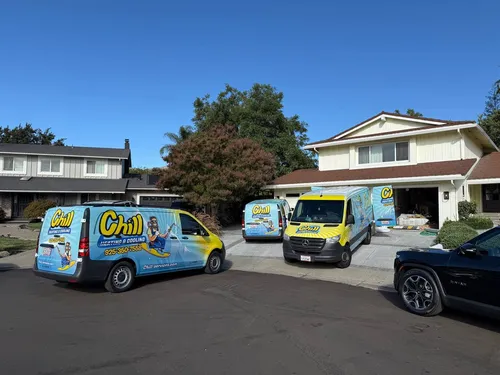
Chill Heating and Cooling
23 Beta Ct suite f, San Ramon, CA 94583
Chill Heating and Cooling is a full-service HVAC company based in Oakland, CA, offering heating and cooling repairs, maintenance, and installations for residential and commercial clients. They provide services including air conditioning, furnace, heat pump, mini split, and thermostat installation and repair. The company is an authorized Carrier dealer and serves the Oakland area with expertise in diagnosing and repairing HVAC systems, as well as installing new units tailored to home or business needs. Chill Heating and Cooling is available for emergency calls and offers same-day service to address urgent heating and cooling issues.
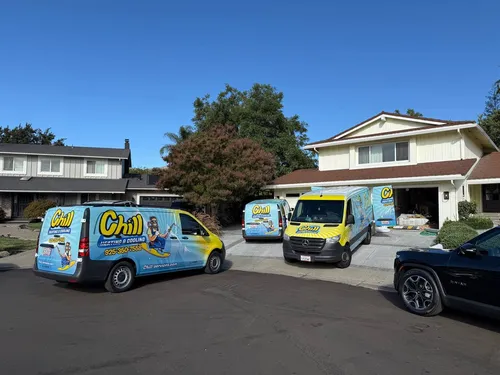
Chill Heating and Cooling
11 Cll Este, Walnut Creek, CA 94597
Chill Heating and Cooling is a full-service HVAC company serving Oakland, CA. They provide expert heating and cooling repairs, maintenance, and installations for residential and commercial customers. Their services include air conditioning, furnace, heat pump, mini split, and thermostat installation and repair. The company is an authorized Carrier dealer and works with major brands such as American Standard and Lennox. They offer emergency service availability and support new construction projects with fast and reliable HVAC system installations. Chill Heating and Cooling emphasizes customer satisfaction and provides professional diagnostics and repairs to maintain comfortable indoor environments year-round.
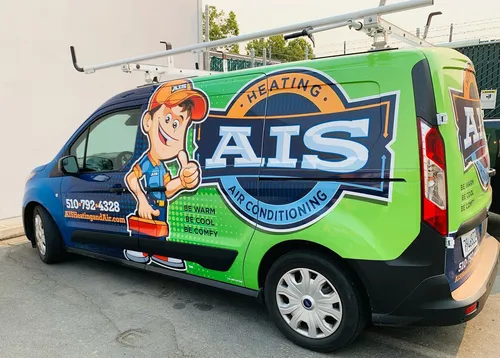
AIS Heating & Air Conditioning
76 Wright Brothers Ave, Livermore, CA 94551
AIS Heating & Air Conditioning is an HVAC contractor serving Oakland, CA, and nearby areas including Fremont and Livermore. Since 2008, they have provided a full range of heating and cooling services such as air conditioning repair and installation, furnace and heat pump services, and indoor air quality solutions. Their capabilities include ductwork installation and air duct sealing to improve home air quality. The company offers comprehensive HVAC maintenance and repair to keep homes comfortable throughout the year.
3rdGen Heating & Cooling
1230 Fourth St Unit A, Berkeley, CA 94710
3rdGen Heating & Cooling is an HVAC contractor based in Berkeley, serving Oakland, CA, and the broader San Francisco Bay Area. They specialize in the design and installation of high-efficiency, fully electric HVAC systems including heat pumps, ductless mini-splits, and mechanical systems for custom homes, multifamily developments, and commercial projects. Their services include integrated HVAC system design and mechanical design-build, with a focus on energy-efficient and precision-engineered comfort solutions. 3rdGen is a certified Mitsubishi Electric Diamond Contractor, offering factory-trained technicians and extended warranties on Mitsubishi heat pump installations.

Perfect Star Heating, Cooling, & Electrical
2595 W 10th St, Antioch, CA 94509
Perfect Star Heating, Cooling, & Electrical is a family-owned business serving Oakland, CA, and the surrounding Alameda and Contra Costa counties. With over 30 years of experience, they provide installation, repair, and maintenance services for heating, air conditioning, ductless mini-splits, and central HVAC systems. Their expertise also includes ductwork, indoor air quality solutions, electrical repair and installation, and solar installation. As a Lennox Premier Dealer and Daikin Comfort Pro, they offer recognized capabilities in HVAC and solar services.
What is a Ductless Mini-Split System?
A ductless mini-split, or simply a ductless system, consists of a single outdoor compressor/condenser unit connected to one or more indoor air-handling units. Small refrigerant lines, a drain line, and electrical wiring run through a small hole in the wall, eliminating the need for the bulky ductwork required by traditional central HVAC systems. This design makes them an ideal retrofit solution for many Oakland residences.
These systems are particularly well-suited for:
- Room additions or converted spaces where extending existing ductwork is impractical or prohibitively expensive.
- Homes without any central air conditioning, such as many older Oakland properties.
- Creating separate temperature zones for specific rooms like home offices, master bedrooms, or sunrooms.
- Supplemental heating and cooling in spaces like garages, workshops, or finished basements.
Key Components and Zoning Options
Understanding the parts of a ductless installation is the first step in planning your project.
Outdoor Condenser: This unit houses the compressor and is installed on a stable, level surface outside your home, typically on a concrete pad or wall-mounted brackets. Proper placement is critical for efficient operation and requires adequate clearance for airflow and service access.
Indoor Air Handlers (Heads): These are mounted inside the rooms you wish to condition. The most common types are:
- Wall-mounted units: The popular choice, installed high on an interior wall for optimal air circulation.
- Ceiling cassette units: Recessed into the ceiling for a sleek, unobtrusive look, ideal for rooms with limited wall space.
- Floor-mounted units: Similar in profile to baseboard heaters, these are a good option where wall or ceiling mounting isn't feasible 1.
Zoning refers to the system's ability to control temperatures independently in different areas. A single-zone system uses one outdoor unit connected to one indoor head, perfect for conditioning a single room. A multi-zone system connects one outdoor unit to multiple indoor heads (commonly 2-5+), allowing you to cool or heat several rooms or an entire home independently, which is a major advantage for managing comfort and energy use in Oakland's varied microclimates 2.
The Mini-Split Installation Process in Oakland
Professional installation is crucial for performance, efficiency, and warranty protection. The process generally follows these key steps:
- Site Evaluation and Planning: A technician assesses your home to determine the optimal placement for both indoor and outdoor units, considering factors like room size, layout, sun exposure, and electrical capacity. This is when zoning plans are finalized.
- Mounting the Units: The indoor air handler(s) are securely mounted on the wall, ceiling, or floor. The outdoor condenser is placed on its pad or brackets, ensuring it is level and stable.
- Drilling and Line Running: A small, precise hole (typically 3 inches or less) is drilled through the exterior wall. The refrigerant lineset (containing copper tubing for refrigerant and a drain line for condensation) is run from the outdoor unit, through the wall, and to the indoor unit(s).
- Electrical Connection: A dedicated electrical circuit is run from your home's main panel to the outdoor unit to provide power.
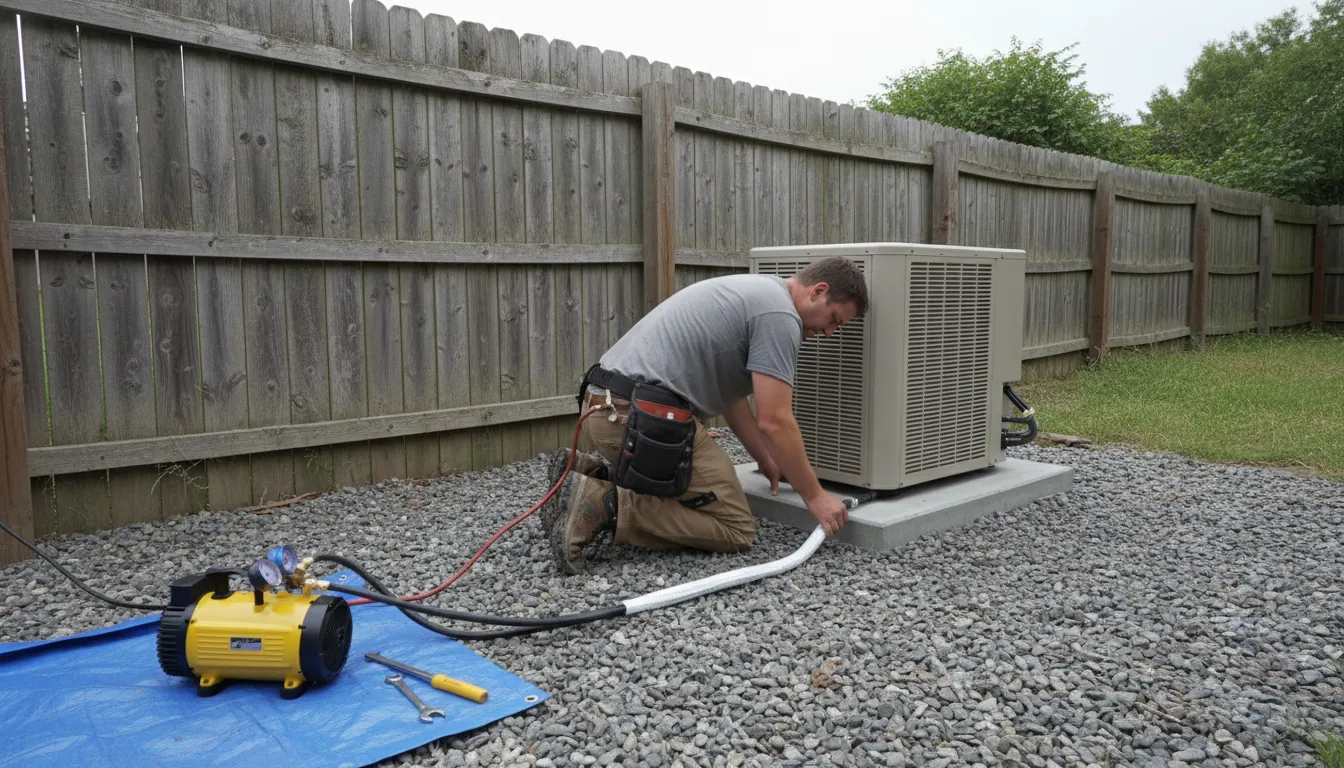
- Making Connections and Vacuuming: The refrigerant lines are connected to both units. A critical step then follows: a vacuum pump is used to remove all air and moisture from the refrigerant lines. This "evacuation" process is essential to prevent system damage and ensure efficiency.
- System Testing and Commissioning: The installer charges the system with refrigerant, tests all functions (heating, cooling, fan modes), verifies drainage, and explains the remote or smart thermostat controls to the homeowner.
Find the perfect mini-split installers for your needs
Get personalized recommendations and expert advice
Factors Influencing Ductless Installation Cost
The total cost for a ductless mini-split installation in Oakland can vary widely based on several factors. Here's a breakdown of what to expect:
System Size and Capacity: Measured in BTUs (British Thermal Units), the capacity needed depends on the room's size, insulation, and window exposure. An undersized unit will struggle, while an oversized one will cycle on and off too frequently, reducing efficiency and comfort.
Number of Zones and Indoor Units: This is the primary cost driver. A single-zone system for one room is the entry point, while multi-zone systems for whole-home comfort represent a larger investment.
- Single-Zone System: Typically ranges from $2,500 to $6,000+ installed 3.
- Multi-Zone System (2-3 zones): Often falls between $4,500 and $11,000+ installed 4.
- Whole-Home System (4-5+ zones): Can range from $10,000 to $30,000+ installed, depending on the home's size and layout 5 6.
Equipment Quality and Efficiency: Higher SEER (Seasonal Energy Efficiency Ratio) ratings indicate better cooling efficiency, which can lead to lower energy bills. Brands like Mitsubishi and Daikin are known for high-quality, efficient systems but may come at a premium compared to standard models.
Installation Complexity: Labor costs increase with:
- The number of zones and indoor units.
- Longer refrigerant line runs between the outdoor and indoor units.
- Difficult access for outdoor unit placement (e.g., steep yards, rooftops).
- The need for significant electrical upgrades to support the new system 7 8 9.
Permits and Incentives: Most Oakland installations require a local building permit, which adds to the cost but ensures the work is inspected for safety and code compliance. Importantly, homeowners should investigate available rebates from Bay Area utilities and the federal tax credit for energy-efficient home improvements, which can significantly offset the upfront cost.
Benefits of Choosing a Ductless System for Your Oakland Home
Opting for a ductless heat pump installation offers distinct advantages for local homeowners:
- Energy Efficiency: Without the energy losses associated with leaky ductwork (which can be 30% or more), ductless systems deliver conditioned air directly into the room. High SEER-rated models operate very efficiently, potentially lowering utility bills 10.
- Design Flexibility: The small, discreet indoor units and simple line routing offer installation options that central systems cannot, preserving aesthetics and space.
- Improved Indoor Air Quality: Standard forced-air systems can circulate dust and allergens through ducts. Ductless systems feature multi-stage filtration that can trap pollen, dust, and other particles, and since there are no ducts, there's no place for contaminants to accumulate.
- Zoned Comfort: Family members can set different temperatures in different rooms, eliminating arguments over the thermostat and preventing wasted energy on empty spaces.
Finding the Right Professional for Your Installation
Given the technical nature of the installation-especially the critical refrigerant handling and electrical work-selecting a qualified, licensed, and insured contractor is paramount. Look for professionals with specific experience in ductless mini-split systems, positive local references, and a commitment to pulling proper permits. They should conduct a thorough load calculation (like a Manual J) to correctly size your system, not just estimate based on square footage. A detailed written proposal outlining equipment models, labor scope, warranty information, and a clear total cost is a sign of a reputable provider.
Frequently asked questions
Sources
Footnotes
-
How to Install a Ductless Mini Split - https://www.youtube.com/watch?v=_9znmIendu8&t=130 ↩
-
How Much Does a Mini-Split Installation Cost? - Taskrabbit Blog - https://www.taskrabbit.com/blog/mini-split-installation-cost/ ↩
-
Mini-Split AC Installation in California - Bonney: Plumbing - https://www.bonney.com/blog/mini-split-ac-cost-california/ ↩
-
Ductless Mini-Splits: A Comprehensive Cost Breakdown - https://www.myfivestarhomeservices.com/ductless-mini-splits-a-comprehensive-cost-breakdown/ ↩
-
Mini Split Installation | Galaxy Heating & Air Conditioning - https://galaxyservices.com/mini-split-installation/ ↩
-
Mini-Split Installation Near You-Hayward, Oakland & Bay Area - https://bayareaclimatecontrol.com/mini-split-installation/ ↩
-
Ductless Mini Split Setup: An Ultimate Guide - Airflow Heating & Air - https://www.goairflow.com/blog/ductless-mini-split-installation/ ↩
-
Ductless Mini-Split Installation Cost in 2025: Full Breakdown - https://osborneheatingncooling.com/ductless-mini-split-installation-cost/ ↩
-
Ductless Mini Split Installation Costs: What to Expect - https://iwae.com/resources/articles/ductless-mini-split-installation-costs-expect.html ↩
-
Ductless mini-split installation: Cool 2025 Guide - Southern Air - https://www.southern-air.com/blog/ductless-mini-split-installation ↩