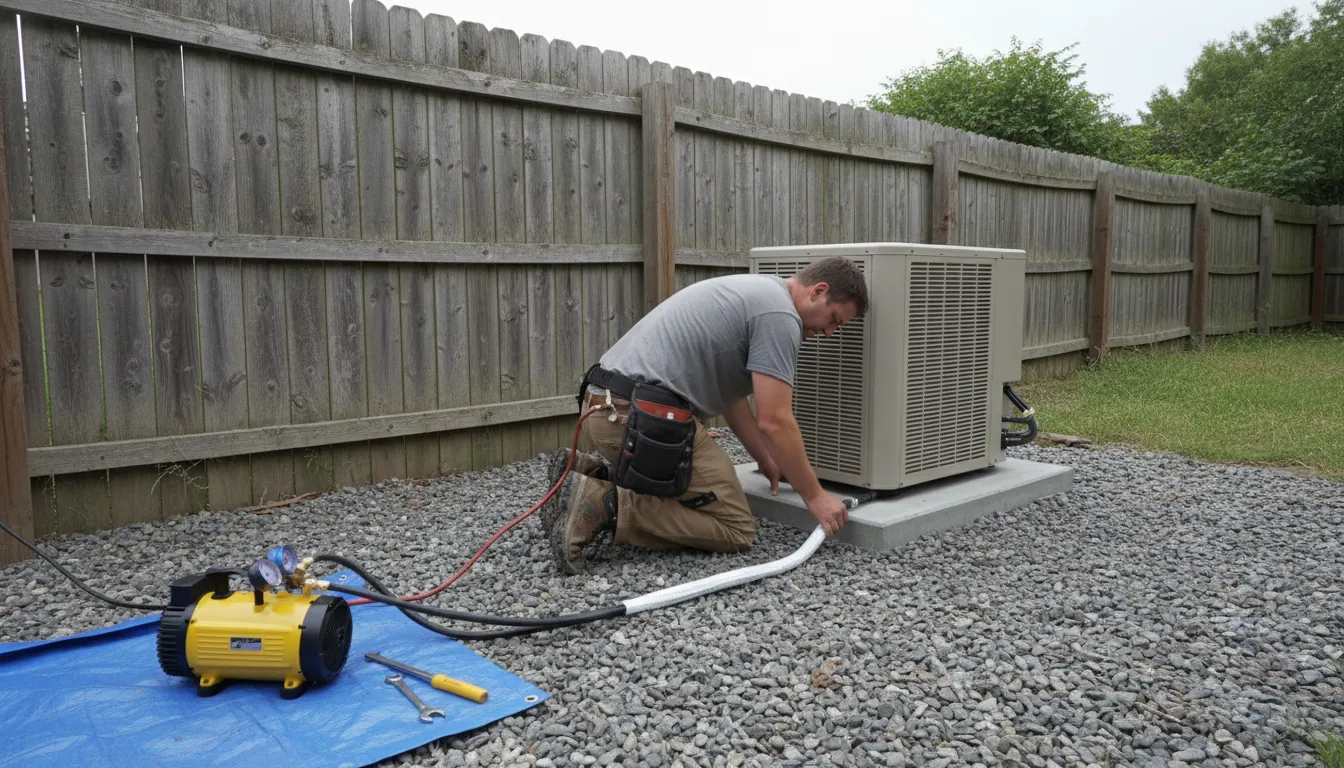
Find the Best Mini-Split Installers for Your Business
No obligation • Fast responses • Nationwide coverage

Why you can trust HVAC Firms
HVAC Firms is a leading United States resource for evaluating HVAC service providers. Our team researches companies, checks credentials, and reviews customer feedback to present clear, unbiased information. Listings and rankings are based on merit, and companies cannot pay to change our editorial content.
Search providers near you
Top Mini-Split Installers in Riverside, California Ranked
A ductless mini-split system is a versatile heating and cooling solution perfect for modernizing comfort in Riverside homes and businesses. These systems provide efficient, zoned climate control without the need for extensive ductwork, making them ideal for room additions, older homes, or creating personalized temperature zones. This guide will help you understand the options, costs, and key considerations for installing a mini-split in Riverside, empowering you to find the right local expertise for your project.
Air Care
30211 Avenida de las Banderas #200, Rancho Santa Margarita, CA 92688
Air Care is a veteran-owned heating and air conditioning company based in Long Beach, CA. They provide residential HVAC services including air conditioning repair, furnace repair, mini split installation, HVAC tune-ups, and indoor air quality solutions. Serving Long Beach and the surrounding Orange County areas, Air Care offers 24/7 emergency services to address heating and cooling issues promptly. Their technicians are licensed, trained, and certified, ensuring professional and reliable workmanship. The company emphasizes quality and integrity in all their services and partners with top brands like Trane to deliver high-quality products.
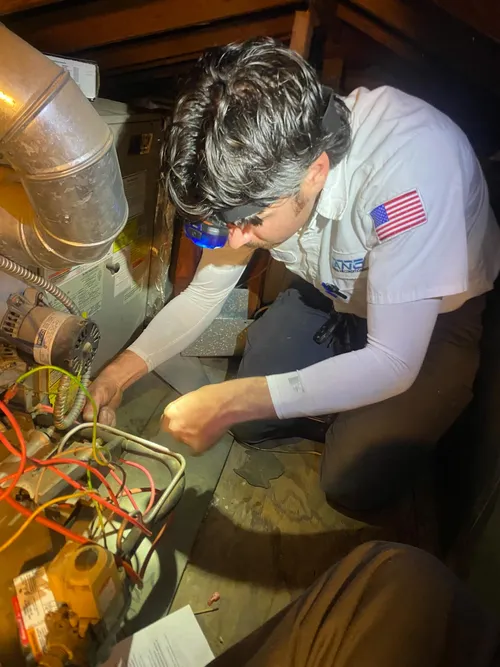
Sano Heating & Air Conditioning
5546 E La Palma Ave, Anaheim, CA 92807
Sano Heating & Air Conditioning is an HVAC company based in Anaheim, CA, providing a range of heating and cooling services. They offer repair and installation for air conditioners, furnaces, heat pumps, mini splits, and perform HVAC tune-ups. The company also specializes in indoor air quality solutions and energy-efficient options like ductless and zoned systems. Serving Anaheim and the surrounding Orange County area, they handle new construction projects and have sheet metal capabilities to support their HVAC services.
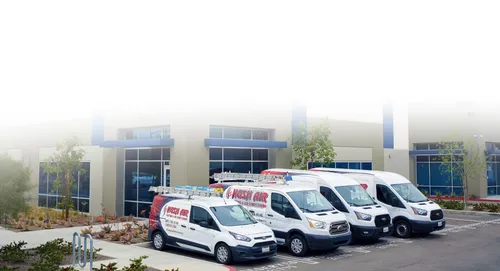
Hush Air Heating & Air Conditioning
21790 Van Buren Boulevard Ste 104, Riverside, CA 92518
Hush Air Heating & Air Conditioning is a full-service HVAC company based in Riverside, CA. They offer a range of services including air conditioning and heat pump repair, installation of central AC systems, ductless mini splits, and heat pumps. The company also provides indoor air quality evaluations and installs whole-house air filtration and purification systems to improve home environments. Additionally, they service tankless water heaters and offer routine HVAC maintenance to ensure system efficiency and reliability.
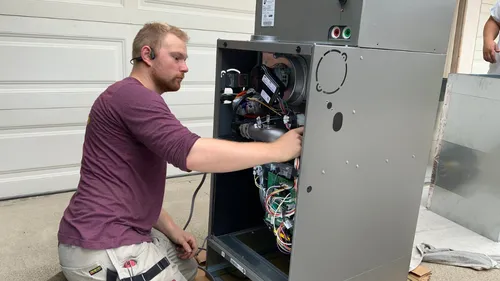
Haven Air Conditioning
1450 N Lakeview Ave, Anaheim, CA 92807
Haven Air Conditioning is an HVAC company based in Anaheim, CA, offering a range of services including air conditioning, furnace, heat pump, and mini split installation and repair. They also provide HVAC tune-ups, duct cleaning, and thermostat installation. The company is experienced in handling complex HVAC systems and offers detailed inspections and maintenance advice to improve system efficiency. Customers appreciate their thoroughness and clear communication throughout the service process. Haven Air Conditioning has built a reputation for professional installations and repairs in the Anaheim area.

AC Plus Heating & Air
8351 Rochester Ave ste 103b, Rancho Cucamonga, CA 91730
AC Plus Heating & Air provides heating and air conditioning services in Los Angeles, CA. They offer a range of HVAC solutions including AC repair, installation, mini split system installation, and routine maintenance. Their team helps with system sizing and energy efficiency to ensure optimal home comfort. Based in Rancho Cucamonga, they serve the local area with experienced technicians skilled in emergency repairs and preventative maintenance. The company emphasizes proper system assessment and component care to extend equipment life and reduce energy costs.
Why Choose a Ductless Mini-Split for Your Riverside Home?
Ductless mini-split air conditioners and heat pumps are increasingly popular in Southern California for their energy efficiency and flexible installation. Unlike traditional central HVAC that pushes air through a network of ducts, a ductless system uses a small outdoor unit connected to one or more indoor air handlers via a narrow refrigerant line. This setup eliminates duct losses, which can account for more than 30% of energy consumption in a central system, especially if ducts are in an unconditioned attic like many in Riverside 1. The result is targeted, zoned comfort where you need it most, allowing you to cool or heat specific rooms independently-a major advantage for managing Riverside's warm summers and mild winters efficiently.
Common Applications for Ductless Systems
Understanding where a ductless mini-split shines can help you decide if it's the right fit for your property.
- Single-Room Solutions: This is the most straightforward application. Installing a single-zone system is perfect for a home addition, a converted garage, a sunroom, or any room that lacks duct access or suffers from poor airflow from the main system. It provides dedicated, powerful climate control exactly where it's needed.
- Multi-Zone Comfort: A multi-zone ductless installation uses one outdoor condenser to power two, three, or more indoor units. This allows you to control the temperature in separate areas-like the living room, master bedroom, and a home office-individually. Families can set different temperatures for different preferences, saving energy by not conditioning empty spaces.
- Whole-Home Coverage: For larger homes or those without any existing ductwork, a comprehensive multi-zone system can provide complete home comfort. This approach can replace an old, inefficient central system or serve as a primary solution in a new build, offering superior efficiency and zoning benefits compared to a standard forced-air system 2.
Choosing the Right Indoor Unit Style
The indoor unit, or air handler, is the visible component in your room. Selecting the right style depends on your space, aesthetics, and performance needs.
- High-Wall Mounted: This is the most common and cost-effective type. The unit is mounted high on an interior wall, similar to a hotel room AC. It's efficient for cooling and heating open spaces and should be placed away from direct sunlight, large furniture, or curtains that could obstruct airflow for optimal performance 3 4.
- Ceiling Cassette: Offering a sleek, recessed look, a ceiling cassette is installed flush with the drywall in a dropped ceiling. It distributes air in four directions for very even room coverage and is a popular choice for commercial spaces or homes where a discreet appearance is desired. Installation is more complex, as it requires adequate ceiling cavity space 5.
- Floor-Mounted: Ideal for rooms with sloped ceilings, limited upper wall space, or large window walls, a floor-mounted unit sits low on the wall like a traditional radiator or baseboard heater. It's a great solution for providing comfort in rooms like sunrooms, additions with lots of glass, or finished basements.
Best Practices for Placement: Regardless of style, professional installers will ensure the indoor unit is placed in a central location within the zone it serves, high on a wall for optimal air throw, and away from heat sources or direct airflow obstructions. Common effective locations include bedrooms, home offices, and open-concept living areas 6.
Outdoor Unit Placement and Installation Requirements
The outdoor condenser is the heart of the system and its placement is critical for efficiency, longevity, and noise control.
- Clear Space for Airflow: The condenser needs ample unobstructed space around it-typically at least 1-2 feet on all sides-to allow its coils to intake and exhaust air properly. Placing it in a cramped alcove, too close to shrubs, or against a wall can severely reduce efficiency and cause the system to overheat.
- Secure Mounting Options: In Riverside, the outdoor unit can be mounted on a sturdy exterior wall using a bracket kit or placed on a stable, level concrete pad at ground level. Roof mounting is also possible but requires careful structural assessment and sealing to prevent leaks. The location should also consider noise, aiming to minimize disturbance for you and your neighbors.
- Electrical and Permits: A proper ductless mini-split installation is not a simple plug-in job. It requires a dedicated electrical circuit run from your main panel to the outdoor unit. In Riverside, this work almost always requires an electrical permit. Additionally, a mechanical permit is typically needed for the refrigerant line work. Hiring a licensed professional ensures all work meets local building codes, which is essential for safety, system warranty, and if you ever sell your home 7.
Find the perfect mini-split installers for your needs
Get personalized recommendations and expert advice
Understanding Mini-Split Installation Costs in Riverside
Investing in a ductless system involves several variables that influence the final price. Being aware of these factors will help you budget effectively and compare quotes.
-
Cost Ranges by System Size:
- Single-Zone System: For cooling and heating one room or area, you can expect costs to range from $2,000 to $6,000 in Riverside. The wide range accounts for the unit's capacity (BTUs), efficiency rating, brand, and the complexity of the installation run 8 9.
- Multi-Zone System: Adding zones increases capability and cost. A system with 2-3 indoor zones typically ranges from $4,500 to $11,000 or more. The price includes the more powerful outdoor condenser and the additional labor and materials for each indoor unit 10 11.
-
Key Factors Affecting Price:
-
System Capacity and Efficiency: Larger capacity units (measured in BTUs) cost more. High-efficiency models with superior SEER2 (Seasonal Energy Efficiency Ratio) and HSPF2 (Heating Seasonal Performance Factor) ratings for heat pumps have a higher upfront cost but offer significant long-term savings on utility bills, especially important in California's climate.
- Equipment Brand: Premium brands like Mitsubishi, Daikin, and Fujitsu often command a higher price than value-oriented brands, reflecting advanced technology, reliability, and warranty support.
-
Installation Complexity: The final cost is heavily influenced by labor. Factors include the length of the refrigerant line set (the tubing between indoor and outdoor units), the difficulty of running lines through walls or attics, the need for new electrical circuits, and whether structural modifications are needed.
-
Permits and Inspections: The cost for required city of Riverside permits and any necessary inspections will be included in a professional installer's quote.
Benefits of Professional Installation
While DIY kits exist, professional installation is strongly recommended for ductless systems. A certified technician ensures the refrigerant circuit is properly vacuumed and charged, which is critical for efficiency and compressor lifespan. They handle all electrical connections safely, secure the units correctly to prevent vibration and noise, and ensure the entire system is balanced for optimal airflow and temperature control. Most importantly, professional installation is required to maintain the manufacturer's equipment warranty. Many installers also offer labor warranties for added peace of mind.
Frequently asked questions
Sources
Footnotes
-
Ductless mini-split installation: Cool 2025 Guide - Southern Air - https://www.southern-air.com/blog/ductless-mini-split-installation ↩
-
DIY MULTI-ZONE Ductless MINI SPLIT Installation in New ... - https://www.youtube.com/watch?v=KD2GM0fg8eU ↩
-
How Much Does a Mini Split Installation Cost? (2026) - HomeGuide - https://homeguide.com/costs/ductless-mini-split-ac-cost ↩
-
Mini-Split Placement Guide: Best and Worst Spots for Installation - https://gulfshorecooling.com/mini-split-placement-guide/ ↩
-
How Much Does a Mini-Split Installation Cost? - Taskrabbit Blog - https://www.taskrabbit.com/blog/mini-split-installation-cost/ ↩
-
Ductless Mini-Splits: A Comprehensive Cost Breakdown - https://www.myfivestarhomeservices.com/ductless-mini-splits-a-comprehensive-cost-breakdown/ ↩
-
Mini Split Installation Riverside CA - Service - https://www.jerrysheatingandairconditioning.com/mini-split/mini-split-installation-riverside-ca ↩
-
Mini-Split AC Installation in California - Bonney: Plumbing - https://www.bonney.com/blog/mini-split-ac-cost-california/ ↩
-
Mini-Split Installation Redlands, CA - Burgeson's - https://www.burgesons.com/mini-split-installation ↩
-
Mini Split Heater Installation in Riverside, CA - Airight Services - https://www.airightservices.com/ductless/mini-split-heater-installation-riverside-ca ↩
-
Ductless Mini-Split Installation Cost in 2025: Full Breakdown - https://osborneheatingncooling.com/ductless-mini-split-installation-cost/ ↩