Find the Best Mini-Split Installers for Your Business
No obligation • Fast responses • Nationwide coverage

Why you can trust HVAC Firms
HVAC Firms is a leading United States resource for evaluating HVAC service providers. Our team researches companies, checks credentials, and reviews customer feedback to present clear, unbiased information. Listings and rankings are based on merit, and companies cannot pay to change our editorial content.
Search providers near you
Top Mini-Split Installers in San Francisco, California Ranked
Ductless mini-split systems provide a versatile and efficient solution for heating and cooling homes in San Francisco. These systems are ideal for creating zoned comfort in spaces without existing ductwork, such as room additions, converted garages, or older homes where installing traditional ducts is impractical. This guide will help you understand the options, process, and considerations for a ductless installation, empowering you to find the right local expertise for your project.
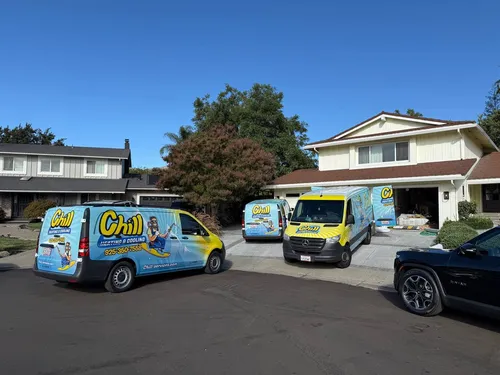
Chill Heating and Cooling
23 Beta Ct suite f, San Ramon, CA 94583
Chill Heating and Cooling is a full-service HVAC company based in Oakland, CA, offering heating and cooling repairs, maintenance, and installations for residential and commercial clients. They provide services including air conditioning, furnace, heat pump, mini split, and thermostat installation and repair. The company is an authorized Carrier dealer and serves the Oakland area with expertise in diagnosing and repairing HVAC systems, as well as installing new units tailored to home or business needs. Chill Heating and Cooling is available for emergency calls and offers same-day service to address urgent heating and cooling issues.
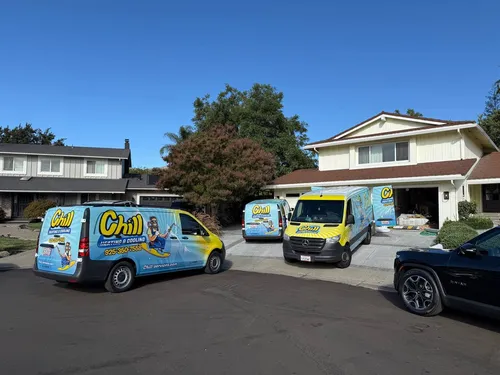
Chill Heating and Cooling
11 Cll Este, Walnut Creek, CA 94597
Chill Heating and Cooling is a full-service HVAC company serving Oakland, CA. They provide expert heating and cooling repairs, maintenance, and installations for residential and commercial customers. Their services include air conditioning, furnace, heat pump, mini split, and thermostat installation and repair. The company is an authorized Carrier dealer and works with major brands such as American Standard and Lennox. They offer emergency service availability and support new construction projects with fast and reliable HVAC system installations. Chill Heating and Cooling emphasizes customer satisfaction and provides professional diagnostics and repairs to maintain comfortable indoor environments year-round.
3rdGen Heating & Cooling
1230 Fourth St Unit A, Berkeley, CA 94710
3rdGen Heating & Cooling is an HVAC contractor based in Berkeley, serving Oakland, CA, and the broader San Francisco Bay Area. They specialize in the design and installation of high-efficiency, fully electric HVAC systems including heat pumps, ductless mini-splits, and mechanical systems for custom homes, multifamily developments, and commercial projects. Their services include integrated HVAC system design and mechanical design-build, with a focus on energy-efficient and precision-engineered comfort solutions. 3rdGen is a certified Mitsubishi Electric Diamond Contractor, offering factory-trained technicians and extended warranties on Mitsubishi heat pump installations.

Perfect Star Heating, Cooling, & Electrical
4415 Cowell Rd, Concord, CA 94518
Perfect Star Heating, Cooling, & Electrical is a family-owned business serving Oakland, CA, and nearby areas with over 30 years of experience. They provide installation, repair, and maintenance for furnaces, air conditioning systems, ductless mini-splits, and central HVAC units. Their services also include duct cleaning, indoor air quality solutions, electrical repair and installation, and solar installation. As a Lennox Premier Dealer and Daikin Comfort Pro, they offer recognized expertise in HVAC and related electrical services.
All About Air
2415 Radley Ct Suite 8, Hayward, CA 94545
All About Air is a family-owned HVAC company serving Oakland, CA, and the broader San Francisco Bay Area since 2007. They provide a range of services including air conditioning and furnace repair, installation of HVAC systems and mini splits, thermostat installation, and routine maintenance. As a Bryant dealer, they install and service Bryant heating and cooling units, ensuring systems meet manufacturer specifications. With over 14 years of experience, All About Air emphasizes tailored solutions for local climate needs and offers financing options for larger projects.
Why Choose a Ductless Mini-Split in San Francisco?
San Francisco's unique housing stock and climate make ductless mini-splits an exceptionally smart choice. Many homes, especially Victorians and other historic properties, were built without central air ducts. Retrofitting traditional forced-air systems into these homes can be incredibly invasive and expensive. A ductless system bypasses this issue entirely, requiring only a small hole for the refrigerant lines. Furthermore, the ability to create independent temperature zones means you can efficiently heat or cool only the rooms you're using, which is perfect for managing the city's microclimates and cool evenings. This targeted approach can lead to significant energy savings, with some homeowners seeing a reduction in energy use for heating and cooling by up to 30%.
Ideal Applications for Ductless Systems
- Room Additions and Converted Spaces: Adding a sunroom, converting a garage into an office, or finishing an attic? Mini-splits are the perfect answer for bringing comfort to these new areas without extending your existing ductwork.
- Whole-Home Comfort: For older homes where installing ducts is cost-prohibitive or structurally challenging, a multi-zone ductless system can provide complete, efficient climate control.
- Solving Problem Rooms: Does your kitchen get stifling while your living room is chilly? A single-zone mini-split can eliminate these hot or cold spots that your central system struggles to manage 1.
Understanding System Types: Single-Zone vs. Multi-Zone
The first major decision is choosing between a single-zone or multi-zone system. A single-zone system consists of one outdoor condenser unit connected to one indoor air handler. It's designed to condition a single room or open area, like a master bedroom, home office, or studio apartment. This is the most straightforward and often most cost-effective option for targeted comfort 2.
A multi-zone system uses a single, more powerful outdoor unit that connects to two, three, or even eight separate indoor units 3. This setup allows you to set different temperatures in each room independently-perfect for a whole-house solution or for a multi-level home. While the upfront cost is higher, a multi-zone system maximizes energy efficiency by allowing you to condition only the spaces in use and can be more cost-effective than installing multiple single-zone systems 3.
Choosing Your Indoor Unit Style
The indoor unit, or air handler, comes in several styles to suit different room layouts and aesthetic preferences.
- Wall-Mounted: This is the most common and cost-effective type. It's mounted high on an exterior wall, providing excellent air circulation across the room. Installation is relatively straightforward 4.
- Ceiling Cassette: These units are recessed into the ceiling, with only a sleek vent panel visible. They offer a very discreet appearance and distribute air in four directions for even coverage. Installation is more complex and typically costs more, as it requires space between ceiling joists 5 6.
- Floor-Mounted: Ideal for rooms with limited wall space (like rooms with extensive windows) or with sloped ceilings (like in an attic conversion). These units are installed low on the wall, near the floor.
Find the perfect mini-split installers for your needs
Get personalized recommendations and expert advice
The Professional Installation Process
A proper ductless mini-split installation is not a DIY project. It requires specialized skills in refrigeration, electrical work, and often, local building codes. Professional installation is mandatory to maintain the manufacturer's warranty and ensure safe, efficient operation.
A standard installation involves several key steps:
- Site Evaluation and Planning: A technician will assess your home to determine the optimal placement for both indoor and outdoor units, plan the routing for the refrigerant line set and electrical wiring, and check for any necessary electrical upgrades.
- Mounting the Units: The indoor unit is securely mounted on the chosen wall, ceiling, or floor. The outdoor unit is placed on a stable, level pad or wall-mounted brackets, with careful attention to required clearances for airflow and future maintenance.
- Drilling and Line Set Connection: A small, precise hole (typically 3 inches or less) is drilled through the exterior wall. The refrigerant lines, drain tube, and electrical wiring are run through this hole and connected between the indoor and outdoor units.
- Electrical Connection: A dedicated electrical circuit is run from your home's main panel to the outdoor unit.
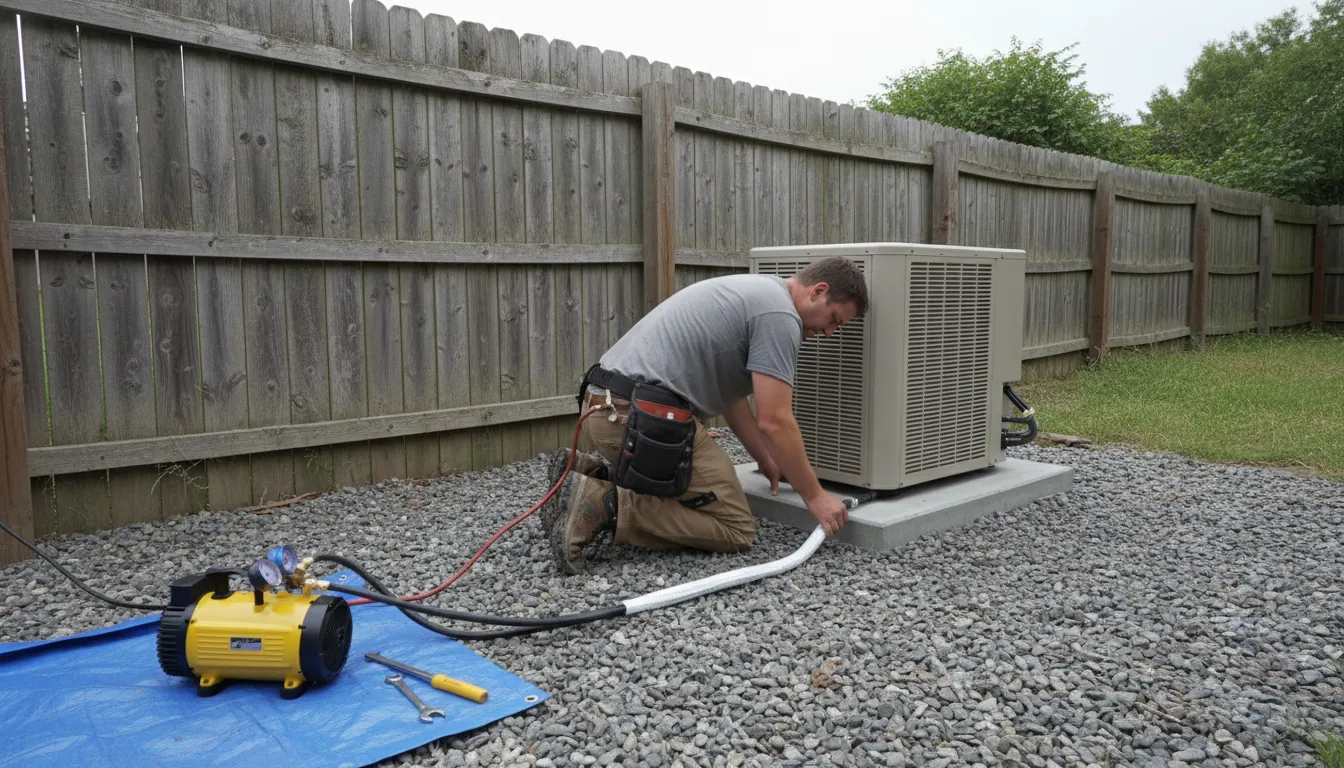
- System Evacuation and Testing: The refrigerant lines are vacuumed to remove all moisture and air, which is critical for system longevity and performance. The system is then charged with refrigerant, activated, and thoroughly tested for proper operation and leaks.
In San Francisco, the process often includes securing local permits and ensuring compliance with California's Title 24 energy efficiency standards, which a licensed professional will manage.
Cost Considerations for San Francisco Homes
Installation costs in San Francisco can vary widely based on system complexity, equipment quality, and property-specific challenges. Here is a general breakdown:
- Single-Zone System: Typically ranges from $2,000 to $8,000. The higher end covers premium, high-efficiency (SEER2) units or complex installations requiring significant electrical work or creative line-set routing.
- Multi-Zone System (2-3 zones): Costs generally fall between $4,500 and $11,000+, depending on the brands and models selected 7.
- Whole-Home Solution (4+ zones): For comprehensive coverage, expect investments from $10,000 to $20,000 or more8 9.
The final price is influenced by the brand and efficiency rating of the equipment, the number of indoor units, the complexity of the labor (e.g., running lines through finished walls or multiple stories), any necessary electrical panel upgrades, local permit fees, and the cost of living in the Bay Area. It's important to ask providers for a detailed, line-item estimate.
Potential Savings and Rebates
While the initial investment is significant, long-term energy savings help offset the cost. Additionally, you may qualify for financial incentives. Federal tax credits for energy-efficient home improvements can apply, and there are often local Bay Area rebates offered through programs like BayREN. A qualified installer should be informed about current available incentives 10.
Key Installation Factors for a Successful Project
- Outdoor Unit Placement: The condenser needs a stable foundation (concrete pad or mounting brackets) and adequate clearance on all sides-usually 12-24 inches or more as specified by the manufacturer-for proper airflow and service access. Wall-mounted options are popular in space-constrained SF yards 11 12.
- Line Set Routing: For a clean look, the copper refrigerant lines can be concealed inside walls, run through attics or crawl spaces, or hidden with decorative tubing covers. Planning this routing is a key part of the initial consultation.
- Professional Expertise: Always choose a licensed, bonded, and insured contractor with specific experience in ductless technology. They will ensure the system is correctly sized, installed, and commissioned, protecting your investment.
Frequently asked questions
Sources
Footnotes
-
Ductless Mini-Split Installation in San Francisco, CA - Magic Plumbing - https://www.magicplumbing.com/air-conditioning/ductless-mini-split-installation/ ↩
-
A/C Mini Split System: Efficient Cooling Solutions for Any Space - https://www.leokobco.com/post/a-c-mini-split-system ↩
-
A Guide to LG's Mini-Split and Multi-Split Systems for Optimal Comfort | LG Global Business - https://www.lg.com/global/business/insights/hvac/blog/a-guide-to-lgs-mini-split-and-multi-split-systems-for-optimal-comfort/ ↩ ↩2
-
How Much Does a Mini Split Installation Cost? (2026) - HomeGuide - https://homeguide.com/costs/ductless-mini-split-ac-cost ↩
-
Ductless Mini Split Setup: An Ultimate Guide - Airflow Heating & Air - https://www.goairflow.com/blog/ductless-mini-split-installation/ ↩
-
Guide to Best Three Zone Mini Split Systems - https://www.alpinehomeair.com/learning-center/ductless-mini-split-systems/three-zone-mini-split-systems ↩
-
Ductless Mini-Splits: A Complete Guide To Cost, Benefits, And ... - https://petermanhvac.com/about-us/blog/mini-splits-complete-guide/ ↩
-
Mini Split Installation | Galaxy Heating & Air Conditioning - https://galaxyservices.com/mini-split-installation/ ↩
-
Ductless Mini-Split Installation Cost in 2025: Full Breakdown - https://osborneheatingncooling.com/ductless-mini-split-installation-cost/ ↩
-
Mini-Split AC Installation in California - Bonney: Plumbing - https://www.bonney.com/blog/mini-split-ac-cost-california/ ↩
-
Whole House Ductless Mini Split Walk Through - https://www.youtube.com/watch?v=lDwutt_ywsA&t=2 ↩
-
Ductless mini-split installation: Cool 2025 Guide - Southern Air - https://www.southern-air.com/blog/ductless-mini-split-installation ↩