Find the Best Mini-Split Installers for Your Business
No obligation • Fast responses • Nationwide coverage

Why you can trust HVAC Firms
HVAC Firms is a leading United States resource for evaluating HVAC service providers. Our team researches companies, checks credentials, and reviews customer feedback to present clear, unbiased information. Listings and rankings are based on merit, and companies cannot pay to change our editorial content.
Search providers near you
Top Mini-Split Installers in Los Angeles, California Ranked
A ductless mini-split system is a versatile heating and cooling solution that provides zoned comfort for homes and apartments without existing ductwork. This type of installation is particularly valuable in Los Angeles, where room additions, historic homes, and modern open-plan living can make traditional central air impractical. By allowing you to control the temperature in individual rooms, a mini-split can enhance comfort and improve energy efficiency. This guide will help you understand the process, costs, and key considerations for finding a qualified professional to handle your ductless AC installation in LA.
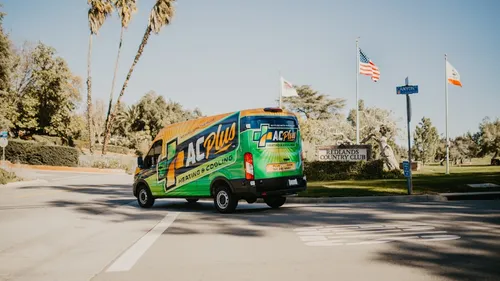
AC Plus Heating & Air Conditioning
14615 Palmdale Rd, Victorville, CA 92392
AC Plus Heating & Air Conditioning serves homeowners in Los Angeles, CA, offering a full range of HVAC services including air conditioning and furnace repair, installation, and maintenance. The company specializes in ductless mini split system installation, providing energy-efficient solutions tailored to home size and climate. Their technicians handle emergency repairs and routine tune-ups to keep systems running smoothly. Based in Victorville, AC Plus Heating & Air Conditioning brings years of experience to the Los Angeles area.
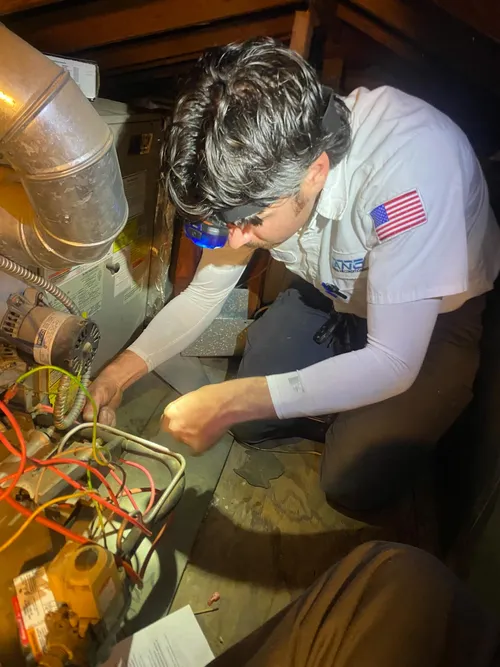
Sano Heating & Air Conditioning
5546 E La Palma Ave, Anaheim, CA 92807
Sano Heating & Air Conditioning is an HVAC company based in Anaheim, CA, providing a range of heating and cooling services. They offer repair and installation for air conditioners, furnaces, heat pumps, mini splits, and perform HVAC tune-ups. The company also specializes in indoor air quality solutions and energy-efficient options like ductless and zoned systems. Serving Anaheim and the surrounding Orange County area, they handle new construction projects and have sheet metal capabilities to support their HVAC services.
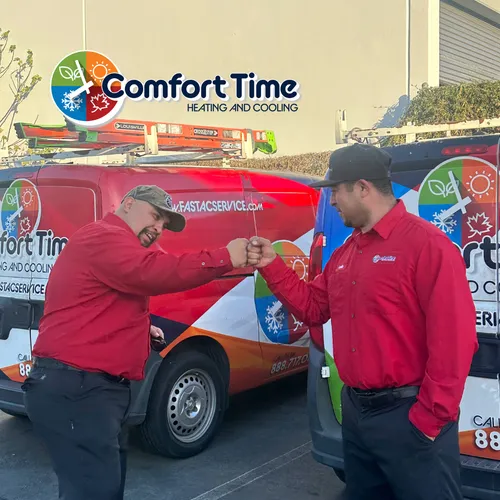
Comfort Time Plumbing Heating & Cooling
8038 Freestone Ave, Santa Fe Springs, CA 90670
Comfort Time Plumbing Heating & Cooling is a family-owned company based in Los Angeles, CA, providing comprehensive HVAC and plumbing services for homes and businesses. They specialize in the repair and installation of air conditioning, furnaces, heat pumps, boilers, mini splits, and commercial refrigeration systems. Comfort Time Plumbing Heating & Cooling offers same-day service and uses advanced techniques such as trenchless sewer line replacement to address plumbing issues efficiently. Since 2008, they have served the local community with trained technicians who maintain up-to-date certifications and prioritize respect for customers' homes.
Haven Air Conditioning
1450 N Lakeview Ave, Anaheim, CA 92807
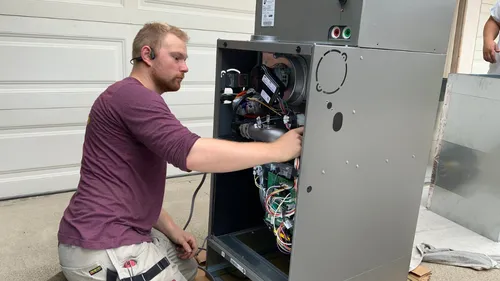
Haven Air Conditioning is an HVAC company based in Anaheim, CA, offering a range of services including air conditioning, furnace, heat pump, and mini split installation and repair. They also provide HVAC tune-ups, duct cleaning, and thermostat installation. The company is experienced in handling complex HVAC systems and offers detailed inspections and maintenance advice to improve system efficiency. Customers appreciate their thoroughness and clear communication throughout the service process. Haven Air Conditioning has built a reputation for professional installations and repairs in the Anaheim area.
Thomson Air Conditioning & Heating
5731 McFadden Ave A, Huntington Beach, CA 92649
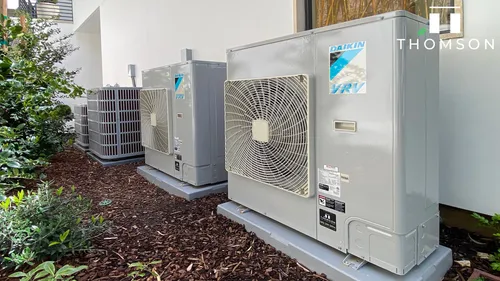
Thomson Air Conditioning & Heating provides HVAC repair, installation, and indoor air quality services in Long Beach, CA. They serve both residential and commercial customers across Southern California, offering solutions for air conditioning, heating, heat pumps, ductless systems, and HVAC tune-ups. Their team includes certified technicians who focus on honest recommendations and reliable workmanship. The company emphasizes transparent service without upselling and guarantees their labor for five years on repairs.
Why Choose a Ductless System in Los Angeles?
Los Angeles presents unique challenges for climate control, from homes built without central air to rooms with excessive sun exposure. A ductless mini-split installation directly addresses these issues by providing targeted, efficient cooling and heating. Unlike window units, they offer a permanent, quiet, and aesthetically pleasing solution. The ability to create independent zones means you can cool a home office during the day without wasting energy on an empty living room, leading to significant utility savings. For many Angelenos, adding a ductless system is the most practical way to achieve whole-home comfort or to solve the problem of hot and cold spots.
Common Applications for Mini-Split Systems
Understanding where a ductless system excels can help you decide if it's the right fit for your property.
- Single Room or Addition: This is the most straightforward application. Installing a single-zone system is ideal for a new bedroom, a converted garage, a sunroom, or a home office. It provides dedicated comfort without the expense and disruption of extending existing ductwork.
- Small Homes and Apartments: For smaller dwellings like bungalows, condos, or apartments, a multi-zone system with 2-3 indoor units can efficiently cover the main living areas and bedrooms. This setup offers whole-property comfort with the efficiency of zoned control 1.
- Whole-Home Comfort: In larger houses, a multi-zone system with four or more indoor units can provide precise, room-by-room temperature control. This approach is often more energy-efficient than a traditional central system, as it allows you to condition only the spaces being used 2.
Types of Indoor Units for Your Installation
The indoor unit, or air handler, is the visible component inside your home. Choosing the right style is crucial for both performance and aesthetics.
- Wall-Mounted: This is the most common and cost-effective type. It's mounted high on an interior wall, providing excellent airflow for open spaces like living rooms and bedrooms. Its installation is generally the least complex 3 4.
- Ceiling Cassette: For a sleek, unobtrusive look, a ceiling cassette is recessed into the ceiling with only a decorative grille showing. This type is more expensive and involves more complex installation work but is perfect for rooms where interior design is a priority.
- Floor-Mounted: Installed low on the wall near the floor, this model is an excellent choice for rooms with sloped ceilings, large window walls, or where wall space is limited. It provides gentle, upward airflow.
The Installation Process: What to Expect
Professional installation is critical for system performance, efficiency, and warranty validation. Here's a general overview of what the process entails.
- Site Evaluation & Planning: A technician will assess your home to determine the optimal placement for the outdoor condenser and indoor air handlers. This includes planning the refrigerant line routing and electrical requirements.
- Mounting the Units: The indoor unit(s) are securely mounted on the chosen wall, ceiling, or floor. The outdoor condenser is placed on a stable, level concrete pad or mounting brackets.
- Drilling the Line Hole: A small hole (approximately 3 inches in diameter) is carefully drilled through the exterior wall to connect the indoor and outdoor units.
- Connecting Refrigerant Lines & Drainage: Copper refrigerant lines and a condensate drain line are run through the wall hole and connected between the units. Proper insulation of these lines is essential.
- Electrical Connection: A dedicated electrical circuit is run to the outdoor unit. This may require the expertise of a licensed electrician.
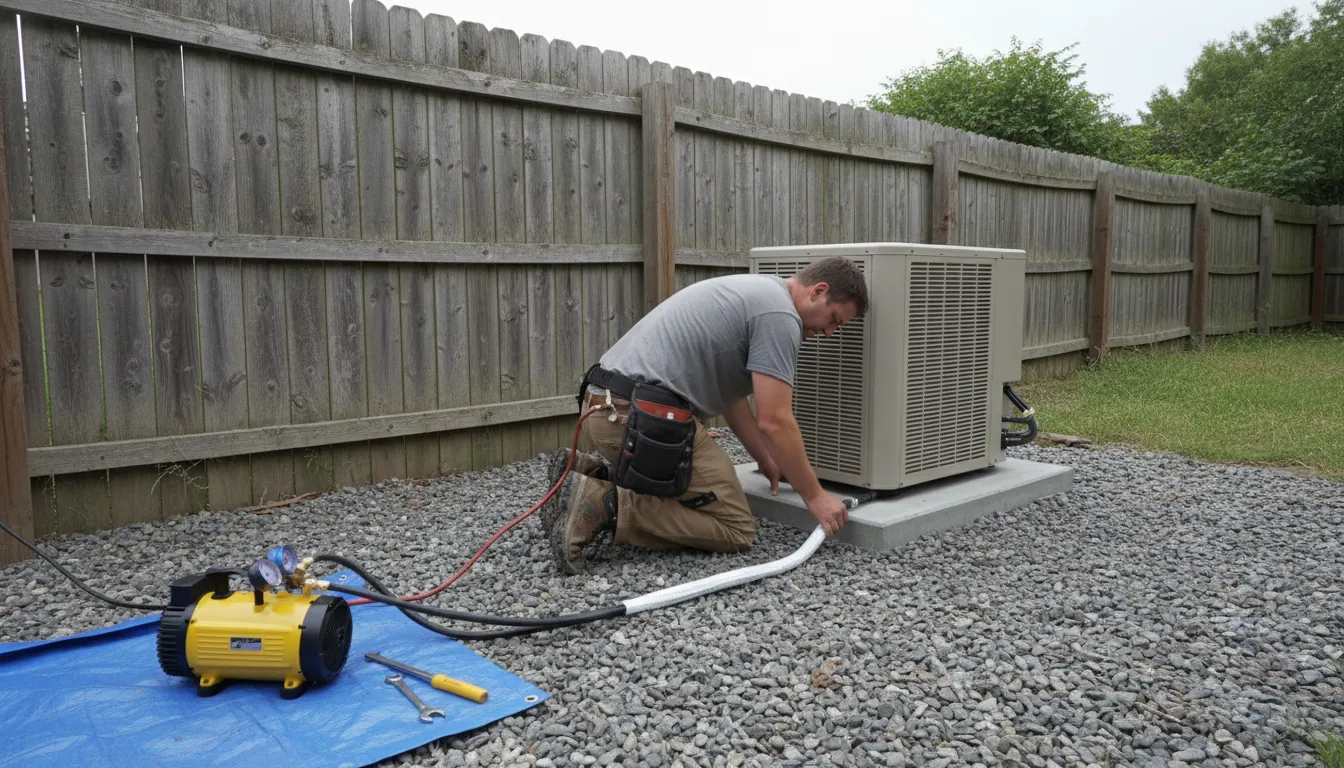
- System Evacuation & Testing: The refrigerant lines are vacuumed to remove any moisture and air, which is a vital step for longevity and efficiency. Finally, the system is charged with refrigerant, activated, and thoroughly tested for proper operation.
Find the perfect mini-split installers for your needs
Get personalized recommendations and expert advice
Key Factors Influencing Installation Cost
The total cost of a ductless mini-split installation in Los Angeles can vary widely based on several factors. Having a clear understanding of these will help you interpret estimates.
- Number of Zones: This is the primary cost driver. A single-zone system for one room is the entry point, while each additional indoor unit adds significant material and labor cost.
- System Efficiency: Units with higher SEER2 (Seasonal Energy Efficiency Ratio) ratings and advanced inverter technology cost more upfront but provide greater long-term energy savings, which is a valuable consideration in Southern California.
- Equipment Type: As mentioned, ceiling cassettes are more expensive than standard wall-mounted units. The brand and specific model series also affect the price.
- Labor Complexity: Installation difficulty significantly impacts cost. Factors include the distance between indoor and outdoor units, the need for new electrical service, the type of wall construction, and whether attic or crawlspace access is required for line routing 5. Multi-story installations often cost more.
Understanding Cost Ranges in Los Angeles
While every project is unique, here are general cost ranges you might encounter for a professionally installed ductless system in the LA area. These figures include both equipment and labor 6 7.
- Single-Zone System: The cost typically ranges from approximately $2,500 to over $6,000. This covers one outdoor condenser and one indoor air handler, perfect for a single room.
- Multi-Zone System (2-3 Zones): For cooling and heating two to three areas, expect costs between $4,500 and $11,000+. This is a popular choice for small homes or targeting key living spaces.
- Multi-Zone System (4+ Zones): A comprehensive whole-home solution with four or more indoor units can range from $8,000 to $15,000 or more, depending on the home's layout and the equipment selected.
Remember, these are installed costs. While the initial investment can be substantial, potential rebates and the ongoing energy savings from zoned, efficient operation can help offset the upfront price over time 8 9.
Critical Placement and Clearance Considerations
Proper placement isn't just about aesthetics; it's essential for performance, efficiency, and system longevity.
- Outdoor Condenser Placement: The outdoor unit must be placed on a stable, level surface with adequate clearances on all sides (as specified by the manufacturer) for airflow and service access. It should be positioned away from bedrooms or patios to minimize noise disruption 10.
- Indoor Unit Placement: Indoor air handlers should be mounted where conditioned air can circulate freely throughout the room. Avoid placing them directly above televisions, furniture, or beds where airflow might be blocked. The location must also allow for practical routing of the condensate drain line.
- Line Set Routing: The path for the refrigerant lines connecting the units should be as direct as possible while remaining concealed. Longer runs increase installation cost and can slightly impact efficiency.
Frequently asked questions
Sources
Footnotes
-
Mini-Split AC Installation In LA | 30% Energy Savings - https://affordableairla.com/ductless-mini-split-ac-installation/ ↩
-
Mini Split Installation | Los Angeles, CA - https://lionshvac.com/mini-split/mini-split-installation/ ↩
-
How Much Does a Mini-Split Installation Cost? - Taskrabbit Blog - https://www.taskrabbit.com/blog/mini-split-installation-cost/ ↩
-
How Much Does a Mini Split Installation Cost? (2026) - HomeGuide - https://homeguide.com/costs/ductless-mini-split-ac-cost ↩
-
How much to install mini split? - Mr. Good Guy HVAC - https://mrgoodguyhvac.com/how-much-to-install-mini-split/ ↩
-
Ductless Mini-Split Installation Cost in 2025: Full Breakdown - https://osborneheatingncooling.com/ductless-mini-split-installation-cost/ ↩
-
Mini-Split AC Installation in California - Bonney: Plumbing - https://www.bonney.com/blog/mini-split-ac-cost-california/ ↩
-
Ductless Mini Split Installation Costs in 2026 - Carrier - https://www.carrier.com/residential/en/us/products/ductless-mini-splits/ductless-mini-split-installation-cost/ ↩
-
Ductless mini-split installation: Cool 2025 Guide - Southern Air - https://www.southern-air.com/blog/ductless-mini-split-installation ↩
-
Ductless Mini Split Setup: An Ultimate Guide - Airflow Heating & Air - https://www.goairflow.com/blog/ductless-mini-split-installation/ ↩