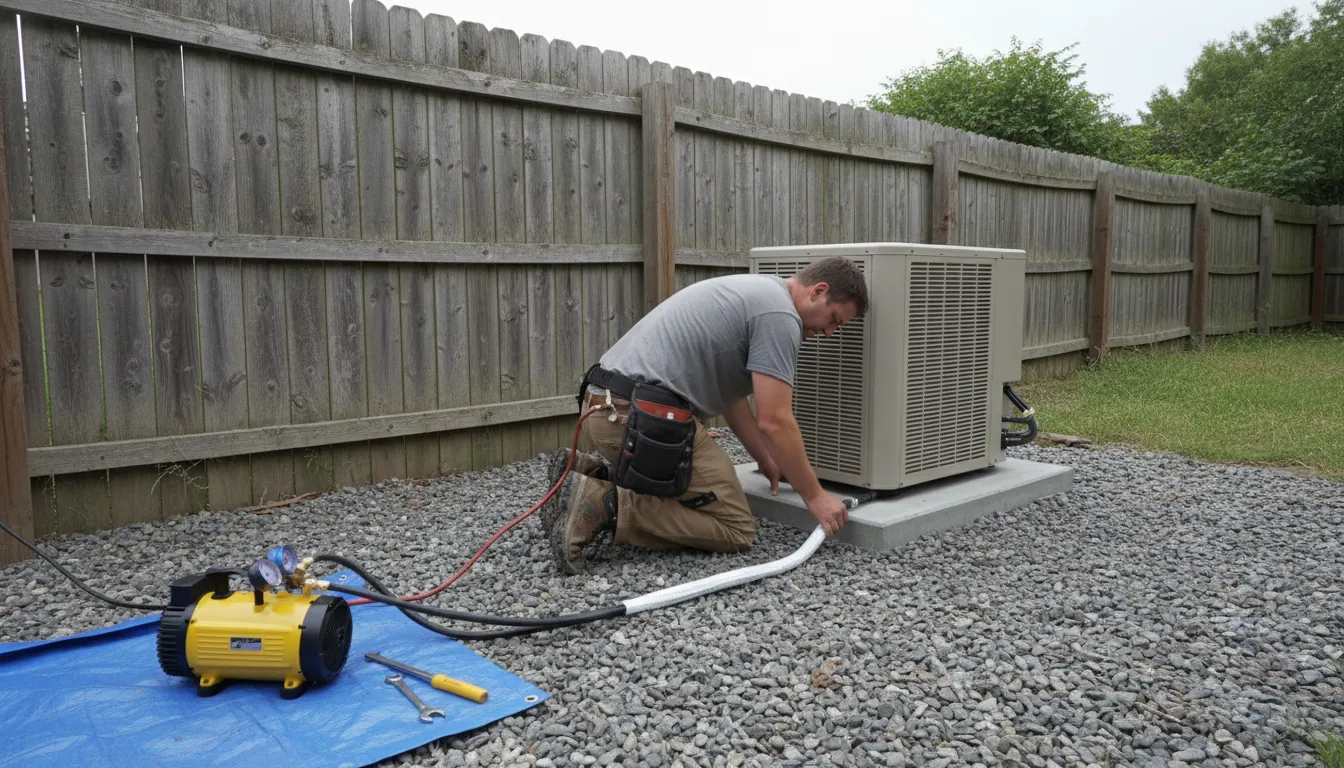
Find the Best Mini-Split Installers for Your Business
No obligation • Fast responses • Nationwide coverage

Why you can trust HVAC Firms
HVAC Firms is a leading United States resource for evaluating HVAC service providers. Our team researches companies, checks credentials, and reviews customer feedback to present clear, unbiased information. Listings and rankings are based on merit, and companies cannot pay to change our editorial content.
Search providers near you
Best Mini-Split Installers in California Ranked
Installing a ductless mini-split system is a smart, energy-efficient way to heat and cool your California home. These systems provide targeted comfort without the need for extensive ductwork, making them ideal for room additions, older homes, or spaces where traditional HVAC is impractical. Navigating the process involves understanding state-specific energy codes, securing the right licensed professional, and accessing available financial incentives. This guide provides the essential information you need to plan a successful mini-split installation in the Golden State.
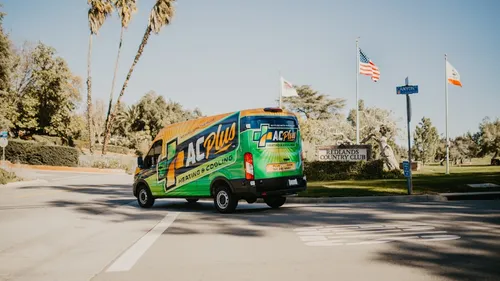
AC Plus Heating & Air Conditioning
14615 Palmdale Rd, Victorville, CA 92392
AC Plus Heating & Air Conditioning serves homeowners in Los Angeles, CA, offering a full range of HVAC services including air conditioning and furnace repair, installation, and maintenance. The company specializes in ductless mini split system installation, providing energy-efficient solutions tailored to home size and climate. Their technicians handle emergency repairs and routine tune-ups to keep systems running smoothly. Based in Victorville, AC Plus Heating & Air Conditioning brings years of experience to the Los Angeles area.
Air Care
30211 Avenida de las Banderas #200, Rancho Santa Margarita, CA 92688
Air Care is a veteran-owned heating and air conditioning company based in Long Beach, CA. They provide residential HVAC services including air conditioning repair, furnace repair, mini split installation, HVAC tune-ups, and indoor air quality solutions. Serving Long Beach and the surrounding Orange County areas, Air Care offers 24/7 emergency services to address heating and cooling issues promptly. Their technicians are licensed, trained, and certified, ensuring professional and reliable workmanship. The company emphasizes quality and integrity in all their services and partners with top brands like Trane to deliver high-quality products.
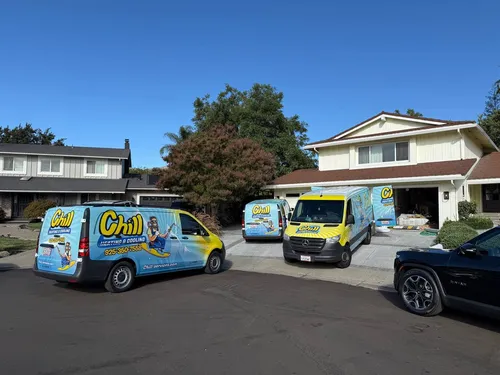
Chill Heating and Cooling
23 Beta Ct suite f, San Ramon, CA 94583
Chill Heating and Cooling is a full-service HVAC company based in Oakland, CA, offering heating and cooling repairs, maintenance, and installations for residential and commercial clients. They provide services including air conditioning, furnace, heat pump, mini split, and thermostat installation and repair. The company is an authorized Carrier dealer and serves the Oakland area with expertise in diagnosing and repairing HVAC systems, as well as installing new units tailored to home or business needs. Chill Heating and Cooling is available for emergency calls and offers same-day service to address urgent heating and cooling issues.
1st Choice Heating & Air Conditioning, Inc.
23372 Madero Suite B, Mission Viejo, CA 92691
1st Choice Heating & Air Conditioning, Inc. provides a wide range of HVAC services in Anaheim, CA. Their offerings include installation, repair, and maintenance of air conditioners, furnaces, heat pumps, mini-split systems, and thermostats, along with indoor air quality solutions. As a Lennox Premier Dealer and recipient of the Centurion Award, they specialize in Lennox products and deliver energy-efficient heating and cooling systems. Their technicians are trained to handle various HVAC needs, from tune-ups to system replacements, ensuring comfort throughout the year.
Sano Heating & Air Conditioning
5546 E La Palma Ave, Anaheim, CA 92807
Sano Heating & Air Conditioning is an HVAC company based in Anaheim, CA, providing a range of heating and cooling services. They offer repair and installation for air conditioners, furnaces, heat pumps, mini splits, and perform HVAC tune-ups. The company also specializes in indoor air quality solutions and energy-efficient options like ductless and zoned systems. Serving Anaheim and the surrounding Orange County area, they handle new construction projects and have sheet metal capabilities to support their HVAC services.
Understanding California's Energy Standards (Title 24)
California's Title 24 Building Energy Efficiency Standards are among the strictest in the nation and directly impact ductless mini-split installations. These regulations are designed to reduce energy consumption and greenhouse gas emissions, favoring high-efficiency electric heat pumps over fossil fuel systems 1.
For any system installed after January 1, 2023, your mini-split must meet specific SEER2 (Seasonal Energy Efficiency Ratio) and EER2 (Energy Efficiency Ratio) minimums. These ratings are more stringent than previous standards, ensuring new installations use less electricity for the same cooling and heating output 2. Proper system sizing is not just a recommendation-it's a code requirement. An oversized unit will short-cycle (turn on and off frequently), leading to poor humidity control, higher energy bills, and reduced equipment lifespan. Contractors must perform a Manual J load calculation to determine the correct capacity for your space.
The Installation Process: Permits and Professionals
A successful installation hinges on proper planning and compliance. Most cities and counties in California require a building permit for HVAC system installations and replacements 3. Your contractor typically pulls this permit, which involves an inspection to ensure the work meets all safety and energy codes.
Crucially, installation must be performed by a contractor licensed by the California Contractors State License Board (CSLB). The appropriate license is typically a C-20 (Warm-Air Heating, Ventilating and Air-Conditioning) or a C-36 (Plumbing) contractor 4 5. Always verify a contractor's license number on the CSLB website before hiring. Using a licensed professional ensures they are bonded, insured, and knowledgeable about current Title 24 requirements, which is essential for both safety and qualifying for rebates.
Key Installation Best Practices
Where and how your mini-split is installed significantly affects its performance and efficiency.
- Indoor Unit Placement: The wall-mounted indoor unit should be placed on an exterior wall, centrally within the zone it's conditioning. Avoid installing it directly above heat-producing appliances like televisions or lamps, or in direct sunlight, as this can trick the temperature sensor.
- Outdoor Unit Setup: The condenser must be placed on a stable, level pad (often concrete) to prevent vibration and noise. It requires adequate clearance-usually at least 1-2 feet on all sides-for proper airflow and future maintenance access 6.
- Zoning Strategy: One of the greatest advantages of ductless technology is zoning. Designing your system with multiple indoor units serving different "zones" (e.g., living room, bedrooms) allows for independent temperature control. This means you only condition the spaces you're using, which can lead to substantial energy savings compared to a central system cooling or heating the entire house 7.
Find the perfect mini-split installers for your needs
Get personalized recommendations and expert advice
Financial Incentives and Rebates
California offers significant financial incentives to encourage the adoption of high-efficiency electric heat pumps, including mini-splits.
The High-Efficiency Electric Home Rebate Act (HEEHRA) provides point-of-sale rebates for qualifying households. Low-income households may be eligible for rebates of up to $8,000, while moderate-income households could receive up to $4,000 for a heat pump system installation 8 9 10.
Additionally, the state's major investor-owned utilities-Pacific Gas & Electric (PG&E), Southern California Edison (SCE), and San Diego Gas & Electric (SDG&E)-often have their own rebate programs for installing high-efficiency, cold-climate heat pumps 11 12. To claim any rebate, you will need documentation from your installer, including proof of purchase, installation certificates, and the system's model numbers 13.
Understanding Installation Costs
Costs for a ductless mini-split installation in California vary based on system complexity, brand, number of zones, and your location. The figures below are 2025/2026 estimates.
- Single-Zone System: Installing a one-head system for a single room or area typically ranges from approximately $1,500 to $3,800 for equipment and professional installation.
- Multi-Zone System: A system with three indoor zones (one outdoor condenser) generally costs between $3,000 and $6,000 in Southern California, and between $3,500 and $7,000 in Northern California and the Bay Area, where labor costs are often higher 14.
- High-End or Concealed Systems: For a more discreet look, concealed duct (cassette) systems that fit into the ceiling or more complex installations can range from $4,000 to $7,500 or more 15.
Disclaimer: All costs and incentive values are estimates and can vary based on your home's specific characteristics, system choice, and the details of active utility programs.
Frequently asked questions
Sources
Footnotes
-
HVAC - California Energy Commission - https://www.energy.ca.gov/programs-and-topics/programs/building-energy-efficiency-standards/energy-code-support-center/hvac ↩
-
Mandatory Requirements (continued) - Ci.benicia.ca.us - https://www.ci.benicia.ca.us/vertical/Sites/%7BF991A639-AAED-4E1A-9735-86EA195E2C8D%7D/uploads/2022_Mini_Split_Systems_Energy_Minimums.pdf ↩
-
Do I Need a Permit to Install an Air Conditioner in California? - https://refreshedhvac.com/2025/05/08/do-i-need-permit-to-install-ac-in-ca/ ↩
-
C-20 Licenses 101: How to Get Them, Costs and Timelines in 2024 - https://billd.com/blog/c-20-licenses/ ↩
-
How to Get a C-20 California HVAC/AC Contractor License - https://suretynow.com/post/how-to-get-a-c-20-california-hvac-ac-contractor-license ↩
-
Ductless Mini Split Setup: An Ultimate Guide - Airflow Heating & Air - https://www.goairflow.com/blog/ductless-mini-split-installation/ ↩
-
Homeowner and Renter Energy Resources - https://www.energy.ca.gov/programs-and-topics/topics/building-decarbonization/building-and-home-energy-resource-hub/homeowner ↩
-
California HEEHRA Mini Split Rebate - Central California - QuitCarbon - https://www.quitcarbon.com/rebates/california-heehra-mini-split-rebate---central-california ↩
-
CALIFORNIA INSTALLATION STANDARDS - SDGE - https://www.sdge.com/sites/default/files/documents/ESAPISv1.2_April21%2C2023_s%20%281%29.pdf ↩
-
California's Home Heat Pump Incentives - https://dalradahome.com/california-heat-pump-incentives/ ↩
-
Cannabis Cultivation - California Energy Design Assistance (CEDA) - https://californiaeda.com/cannabis-cultivation/ ↩
-
Why do some California customers pay twice as much as the rest of the ... - https://www.youtube.com/watch?v=ZXXlowrgbOE ↩
-
California HVAC Rebates in 2025: What You Need to Know - https://www.rhcair.com/hvac/california-hvac-rebates/ ↩
-
Minisplit Heat Pumps: Efficiency and Costs - https://www.title24now.com/blogs.html ↩
-
2026 Ductless Air Conditioner Installation Guide: Costs & Benefits - https://modernize.com/hvac/central-air-conditioner-installation/ductless-ac ↩