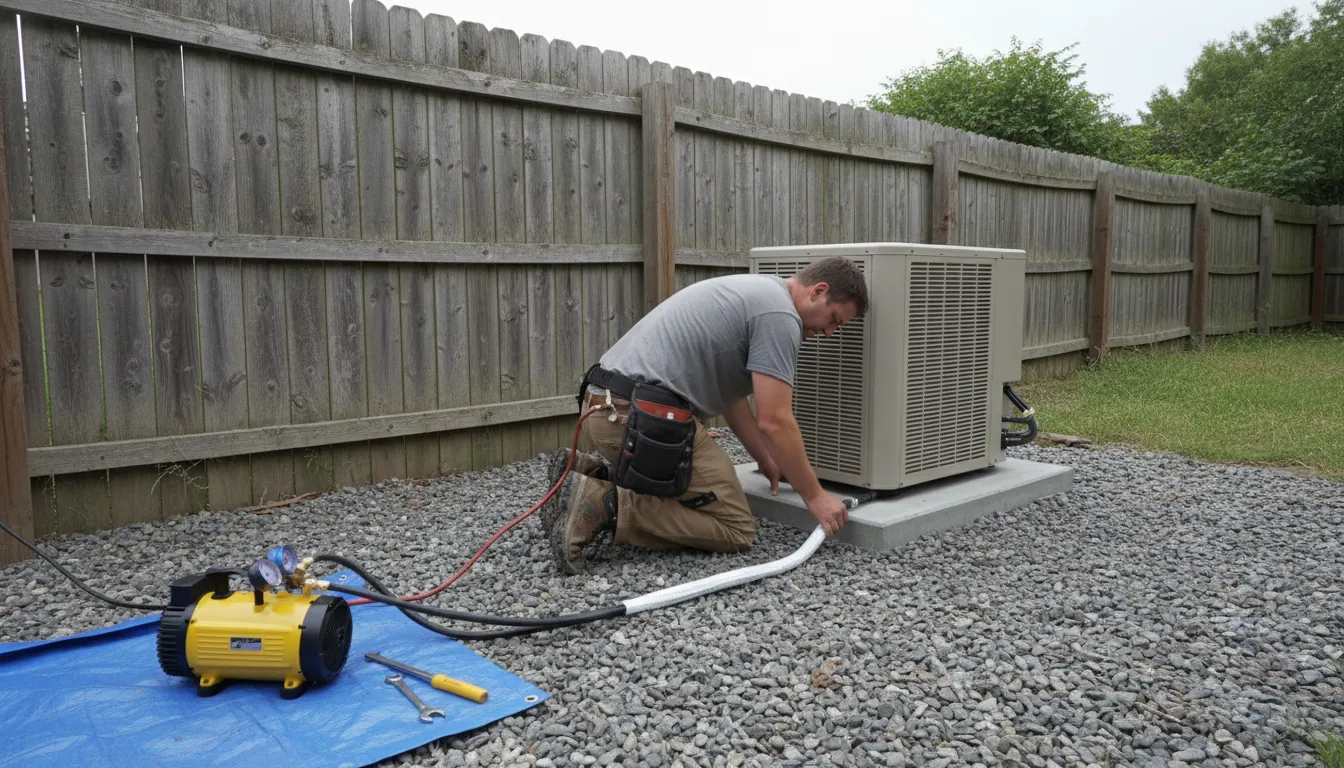
Find the Best Mini-Split Installers for Your Business
No obligation • Fast responses • Nationwide coverage

Why you can trust HVAC Firms
HVAC Firms is a leading United States resource for evaluating HVAC service providers. Our team researches companies, checks credentials, and reviews customer feedback to present clear, unbiased information. Listings and rankings are based on merit, and companies cannot pay to change our editorial content.
Search providers near you
Top Mini-Split Installers in Santa Ana, California Ranked
A ductless mini-split system is a modern, efficient solution for heating and cooling your home without the need for extensive ductwork. This type of installation is particularly valuable in Santa Ana for creating comfortable zones in room additions, sunrooms, or entire homes, offering significant energy savings and personalized temperature control. This guide will help you understand the process, benefits, and key considerations for finding a qualified professional to handle your project.
Air Care
30211 Avenida de las Banderas #200, Rancho Santa Margarita, CA 92688
Air Care is a veteran-owned heating and air conditioning company based in Long Beach, CA. They provide residential HVAC services including air conditioning repair, furnace repair, mini split installation, HVAC tune-ups, and indoor air quality solutions. Serving Long Beach and the surrounding Orange County areas, Air Care offers 24/7 emergency services to address heating and cooling issues promptly. Their technicians are licensed, trained, and certified, ensuring professional and reliable workmanship. The company emphasizes quality and integrity in all their services and partners with top brands like Trane to deliver high-quality products.
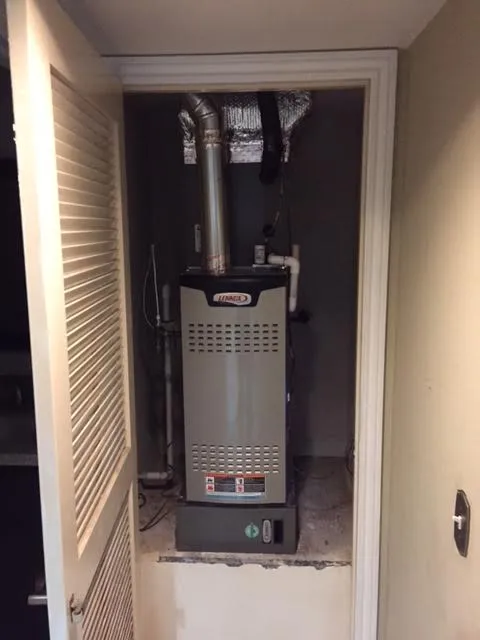
1st Choice Heating & Air Conditioning, Inc.
23372 Madero Suite B, Mission Viejo, CA 92691
1st Choice Heating & Air Conditioning, Inc. provides a wide range of HVAC services in Anaheim, CA. Their offerings include installation, repair, and maintenance of air conditioners, furnaces, heat pumps, mini-split systems, and thermostats, along with indoor air quality solutions. As a Lennox Premier Dealer and recipient of the Centurion Award, they specialize in Lennox products and deliver energy-efficient heating and cooling systems. Their technicians are trained to handle various HVAC needs, from tune-ups to system replacements, ensuring comfort throughout the year.
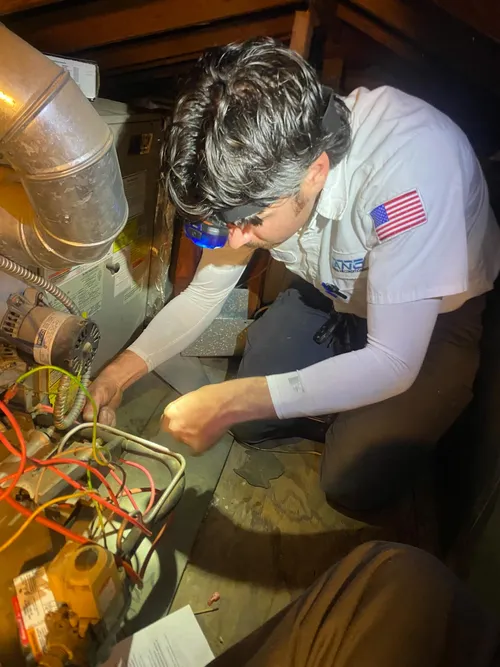
Sano Heating & Air Conditioning
5546 E La Palma Ave, Anaheim, CA 92807
Sano Heating & Air Conditioning is an HVAC company based in Anaheim, CA, providing a range of heating and cooling services. They offer repair and installation for air conditioners, furnaces, heat pumps, mini splits, and perform HVAC tune-ups. The company also specializes in indoor air quality solutions and energy-efficient options like ductless and zoned systems. Serving Anaheim and the surrounding Orange County area, they handle new construction projects and have sheet metal capabilities to support their HVAC services.
Comfort Time Plumbing Heating & Cooling
8038 Freestone Ave, Santa Fe Springs, CA 90670
Comfort Time Plumbing Heating & Cooling is a family-owned company based in Los Angeles, CA, providing comprehensive HVAC and plumbing services for homes and businesses. They specialize in the repair and installation of air conditioning, furnaces, heat pumps, boilers, mini splits, and commercial refrigeration systems. Comfort Time Plumbing Heating & Cooling offers same-day service and uses advanced techniques such as trenchless sewer line replacement to address plumbing issues efficiently. Since 2008, they have served the local community with trained technicians who maintain up-to-date certifications and prioritize respect for customers' homes.
Haven Air Conditioning
1450 N Lakeview Ave, Anaheim, CA 92807
Haven Air Conditioning is an HVAC company based in Anaheim, CA, offering a range of services including air conditioning, furnace, heat pump, and mini split installation and repair. They also provide HVAC tune-ups, duct cleaning, and thermostat installation. The company is experienced in handling complex HVAC systems and offers detailed inspections and maintenance advice to improve system efficiency. Customers appreciate their thoroughness and clear communication throughout the service process. Haven Air Conditioning has built a reputation for professional installations and repairs in the Anaheim area.
What is a Ductless Mini-Split System?
A ductless mini-split, often simply called a mini-split, consists of an outdoor compressor/condenser unit connected to one or more indoor air handlers via a small, flexible conduit. This conduit houses the power cable, refrigerant tubing, and a condensate drain line, eliminating the need for bulky and inefficient ductwork. This setup is perfect for homes without existing ducts, such as older properties, or for extending climate control to new spaces like converted garages, attics, or home additions 1. The core benefit is zoned comfort, allowing you to heat or cool individual rooms independently, which can lead to substantial reductions in energy bills compared to running a central system for the entire house.
Key Benefits of Mini-Split Installation
Choosing a ductless system for your Santa Ana home comes with several compelling advantages:
- High Energy Efficiency: By eliminating ductwork, you also eliminate the energy losses (which can be 30% or more) associated with forcing air through ducts, especially if they are in unconditioned spaces like attics 2. Modern inverter-driven mini-splits are exceptionally efficient, with high SEER2 ratings for cooling.
- Individual Zoning: You can set different temperatures for different rooms or "zones." This means you only cool or heat the spaces you're using, avoiding wasted energy on empty rooms 3.
- Flexible Installation: The small conduit requires only a 3-inch hole in the wall, making installation less invasive than adding ducts. This flexibility allows for creative solutions in challenging spaces.
- Quiet Operation: The noisiest component, the compressor, is located outside. Indoor air handlers operate very quietly, making them ideal for bedrooms, studies, and living areas.
- Improved Air Quality: Ductless systems typically include multi-stage filtration that can reduce dust, bacteria, pollen, and other allergens in the space, as there are no ducts to collect and circulate contaminants 4.
Understanding System Sizing and Zoning
Selecting the right system size, measured in BTUs (British Thermal Units), and the correct number of zones is critical for performance and efficiency. An undersized unit will struggle to maintain temperature, while an oversized unit will short-cycle, leading to humidity issues and wasted energy.
- Single-Zone Systems: Consist of one outdoor unit connected to one indoor unit. Ideal for cooling a single room, such as a home office, garage conversion, or master bedroom addition. Costs typically range from $2,500 to over $6,000, depending on capacity and features 5.
- Multi-Zone Systems: A single outdoor compressor can connect to multiple indoor air handlers (e.g., 2, 3, 4, or 5 zones). This is a cost-effective way to provide zoned comfort for a larger area or whole home without multiple outdoor units 6.
- 2-Zone System: Suitable for a small home or two key rooms. Estimated cost range is $4,500 to $8,000+.
- 3-Zone System: A good fit for a medium-sized home or three distinct spaces. Costs often fall between $6,500 and $11,000 7.
A professional installer will perform a Manual J load calculation, which considers your home's square footage, insulation, window types, ceiling height, and local climate (like Santa Ana's warm summers) to determine the precise BTU requirements for each zone.
Indoor Unit Styles and Placement
The indoor air handler is the visible component inside your home, and several styles are available to suit different aesthetic and functional needs.
- Wall-Mounted: The most common and generally most affordable option. It is mounted high on an interior wall, typically 6-7 feet from the floor, for optimal air distribution 10. Placement should be on a central, unobstructed wall away from direct sunlight or heat sources to ensure accurate temperature sensing and efficient operation.
- Ceiling Cassette: These units are recessed into the ceiling, offering a more discreet look. They distribute air in four directions for even coverage but are more expensive and require sufficient ceiling cavity depth for installation.
- Floor Console: A low-profile unit that sits near the floor, often used in spaces with limited wall space, such as under large windows.
Proper placement is not just about aesthetics; it's crucial for performance. Installers avoid placing units directly above televisions, large furniture, or in corners where airflow would be blocked 11.
Outdoor Unit Considerations
The outdoor condenser unit requires careful placement for longevity and efficiency.
- Stable, Elevated Platform: The unit must be placed on a stable, level pad (often concrete) to prevent vibration and noise. It should be slightly elevated to ensure proper drainage and avoid sitting in water.
- Adequate Clearance: Ample space is required on all sides-usually at least 1-2 feet-to allow for proper airflow and ensure service technicians can access the unit for maintenance and repairs.
- Location: It should be positioned away from heavy foot traffic, planting beds (to avoid debris and leaves), and areas where the exhaust air could be a nuisance to you or your neighbors.
Find the perfect mini-split installers for your needs
Get personalized recommendations and expert advice
Cost Factors for Mini-Split Installation in Santa Ana
The total cost of a ductless mini-split installation is influenced by several variables. While we've provided general zoning price ranges, here's what specifically affects the final quote:
- Number of Zones and BTU Capacity: More indoor heads and higher total cooling capacity increase the cost of both equipment and labor.
- Energy Efficiency (SEER2 Rating): Units with higher SEER2 ratings (18+ is recommended for hot climates like Santa Ana) cost more upfront but provide greater long-term savings on utility bills.
- Brand and Features: Premium brands and models with advanced features (wifi controls, advanced filtration, ultra-quiet operation) command higher prices.
- Installation Complexity: Costs rise if the install requires significant new electrical work (e.g., a new dedicated circuit), complex carpentry to run linesets, or special equipment for difficult access (e.g., second-story installations on a sloped roof).
- Indoor Unit Type: Ceiling cassette units are more expensive than standard wall-mounted models due to the more involved installation process.
- Local Permits: In Santa Ana, a permit is typically required for this type of HVAC work. Reputable installers will handle pulling the necessary permits and scheduling inspections to ensure the work meets all local building and safety codes.
The Importance of Professional Installation
While DIY kits exist, professional installation is strongly recommended and is often required to maintain the manufacturer's warranty. A certified technician ensures:
- Correct Sizing: Prevents future comfort and efficiency issues.
- Proper Refrigerant Handling: Ensures the system is charged correctly, which is vital for performance and efficiency.
- Safe Electrical Work: Connects the system to your home's electrical panel safely and to code.
- Optimal Placement: Positions indoor and outdoor units for maximum performance and minimal disruption.
- Code Compliance: Adheres to Santa Ana's specific regulations for electrical and mechanical work 12.
Investing in a proper installation by a qualified professional protects your investment and ensures your ductless system delivers its promised comfort and savings for years to come.
Frequently asked questions
Sources
Footnotes
-
Aircon Mini Split Installation: Save $ in 3 Steps - Comfort Temp - https://comforttemp.com/aircon-mini-split-installation/ ↩
-
Ductless mini-split installation: Cool 2025 Guide - Southern Air - https://www.southern-air.com/blog/ductless-mini-split-installation ↩
-
How Much Does it Cost to Install a Ductless AC in Irvine? - https://truehomehvac.com/blog/cost-install-ductless-irvine ↩
-
The Basics of Ductless Mini-Split Systems - https://www.santaair.com/blog/the-basics-of-ductless-mini-split-systems ↩
-
How Much Does It Cost to Install a Mini Split System? - https://elementairco.com/how-much-does-it-cost-to-install-a-mini-split-system/ ↩
-
Ductless Mini Split Setup: An Ultimate Guide - Airflow Heating & Air - https://www.goairflow.com/blog/ductless-mini-split-installation/ ↩
-
Ductless Mini-Split Installation Cost in 2025: Full Breakdown - https://osborneheatingncooling.com/ductless-mini-split-installation-cost/ ↩
-
Ductless Mini-Splits: A Comprehensive Cost Breakdown - https://www.myfivestarhomeservices.com/ductless-mini-splits-a-comprehensive-cost-breakdown/ ↩
-
Mini-Split AC Installation in California - Bonney: Plumbing - https://www.bonney.com/blog/mini-split-ac-cost-california/ ↩
-
How Much Does a Mini-Split Installation Cost? - Taskrabbit Blog - https://www.taskrabbit.com/blog/mini-split-installation-cost/ ↩
-
Where Not to Install a Mini Split: Critical Areas to Avoid - https://www.richaircomfort.com/blog/avoid-areas-mini-split-installation-guide/ ↩
-
Mini Split Installation in Santa Ana, CA - https://www.jerrysheatingandairconditioning.com/mini-split/mini-split-installation-santa-ana-ca ↩