Find the Best Mini-Split Installers for Your Business
No obligation • Fast responses • Nationwide coverage

Why you can trust HVAC Firms
HVAC Firms is a leading United States resource for evaluating HVAC service providers. Our team researches companies, checks credentials, and reviews customer feedback to present clear, unbiased information. Listings and rankings are based on merit, and companies cannot pay to change our editorial content.
Search providers near you
Top Mini-Split Installers in Rosemead, California Ranked
A ductless mini-split system is a modern, efficient solution for heating and cooling your Rosemead home. These systems provide targeted comfort by allowing you to control the temperature in individual rooms or "zones," which can lead to significant energy savings compared to traditional central air systems. For homeowners in Rosemead, whether you're adding onto your home, replacing an old system, or simply looking for better climate control, understanding your options for ductless air conditioning and heating is the first step. This guide will help you navigate the key considerations-from system types and placement to costs-so you can find the right local professional for your project.
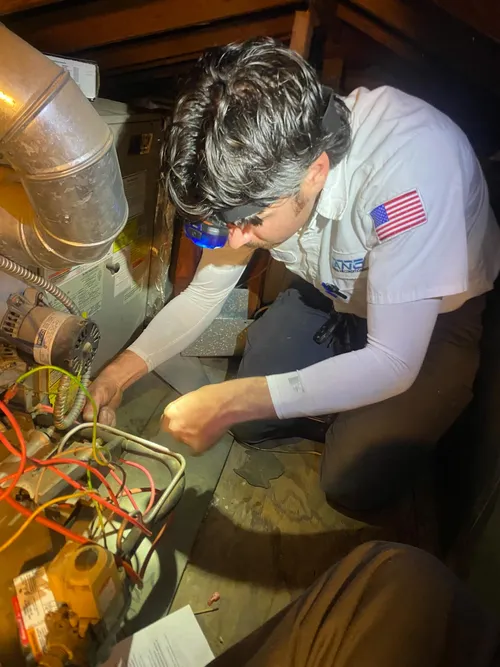
Sano Heating & Air Conditioning
5546 E La Palma Ave, Anaheim, CA 92807
Sano Heating & Air Conditioning is an HVAC company based in Anaheim, CA, providing a range of heating and cooling services. They offer repair and installation for air conditioners, furnaces, heat pumps, mini splits, and perform HVAC tune-ups. The company also specializes in indoor air quality solutions and energy-efficient options like ductless and zoned systems. Serving Anaheim and the surrounding Orange County area, they handle new construction projects and have sheet metal capabilities to support their HVAC services.

Comfort Time Plumbing Heating & Cooling
8038 Freestone Ave, Santa Fe Springs, CA 90670
Comfort Time Plumbing Heating & Cooling is a family-owned company based in Los Angeles, CA, providing comprehensive HVAC and plumbing services for homes and businesses. They specialize in the repair and installation of air conditioning, furnaces, heat pumps, boilers, mini splits, and commercial refrigeration systems. Comfort Time Plumbing Heating & Cooling offers same-day service and uses advanced techniques such as trenchless sewer line replacement to address plumbing issues efficiently. Since 2008, they have served the local community with trained technicians who maintain up-to-date certifications and prioritize respect for customers' homes.
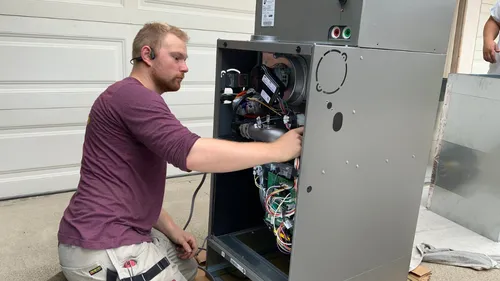
Haven Air Conditioning
1450 N Lakeview Ave, Anaheim, CA 92807
Haven Air Conditioning is an HVAC company based in Anaheim, CA, offering a range of services including air conditioning, furnace, heat pump, and mini split installation and repair. They also provide HVAC tune-ups, duct cleaning, and thermostat installation. The company is experienced in handling complex HVAC systems and offers detailed inspections and maintenance advice to improve system efficiency. Customers appreciate their thoroughness and clear communication throughout the service process. Haven Air Conditioning has built a reputation for professional installations and repairs in the Anaheim area.
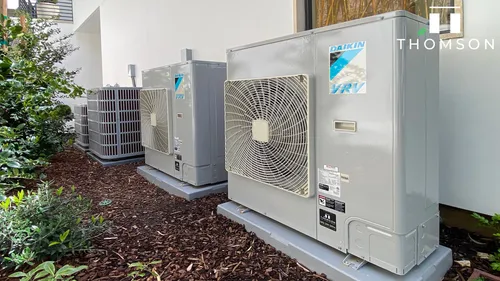
Thomson Air Conditioning & Heating
5731 McFadden Ave A, Huntington Beach, CA 92649
Thomson Air Conditioning & Heating provides HVAC repair, installation, and indoor air quality services in Long Beach, CA. They serve both residential and commercial customers across Southern California, offering solutions for air conditioning, heating, heat pumps, ductless systems, and HVAC tune-ups. Their team includes certified technicians who focus on honest recommendations and reliable workmanship. The company emphasizes transparent service without upselling and guarantees their labor for five years on repairs.
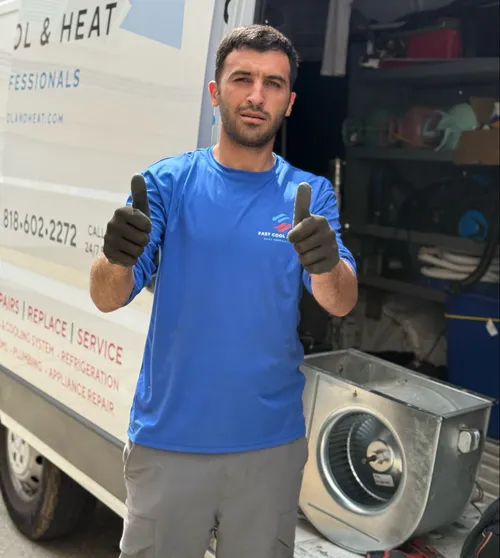
Fast Cool & Heat Inc.
7417 Woodman Ave, Van Nuys, CA 91405
Fast Cool & Heat Inc. offers comprehensive HVAC installation and repair services in Los Angeles, CA. They specialize in heating, ventilation, and air conditioning solutions, including furnace, heat pump, central AC, and ductless mini-split systems. Their certified technicians provide custom installations and maintenance designed for efficiency and long-term performance. The company focuses on energy-efficient systems suited for the local climate and supports both residential and commercial properties.
Understanding Ductless Mini-Split Systems
Ductless mini-splits, often simply called mini-splits or ductless AC, are a versatile type of heat pump. Unlike central HVAC that relies on a network of ducts, a ductless system uses a small outdoor condenser unit connected to one or more indoor air-handling units via a conduit containing refrigerant lines, power cables, and a condensate drain. This setup eliminates the energy losses associated with ductwork, which can be substantial, especially in older homes.
The core appeal of a ductless installation is its zoning capability. You can cool or heat only the rooms you're using, avoiding the waste of conditioning an entire house. This makes them an exceptionally efficient choice for California's climate and energy goals. They are also an ideal solution for homes without existing ductwork, such as many older properties in Rosemead, or for room additions like sunrooms, garages, and converted spaces.
Common Applications for Rosemead Homes
When is a ductless mini-split the right choice? They excel in several specific scenarios common in our community:
- Add-on Zoning: The most frequent use is to add comfort to a room not served by the existing HVAC system. This could be a garage workshop, a sunroom that gets too hot, or a new bedroom addition.
- Whole-Home Replacement: For homes with aging, inefficient furnaces and no ductwork, a multi-zone ductless system can provide efficient, modern heating and cooling for the entire house.
- Targeted Room Comfort: Perfect for creating the perfect temperature in frequently used spaces like master bedrooms, home offices, or living rooms, giving family members individual control over their environment 1.
System Types: Single-Zone vs. Multi-Zone
Your first major decision is between a single-zone and a multi-zone system.
- Single-Zone Systems: This configuration involves one outdoor condenser connected to a single indoor unit. It's a cost-effective solution for conditioning one specific room or area, like a garage or home addition 2.
- Multi-Zone Systems: A single, more powerful outdoor unit can be connected to multiple indoor units (typically 2 to 8+). Each indoor unit operates independently, allowing you to set different temperatures in the bedroom, living room, and kitchen simultaneously. While the upfront cost is higher, the efficiency and whole-home comfort of a multi-zone ductless heat pump are often superior for larger projects 3.
Choosing and Placing Your Indoor Units
The indoor air handlers come in several styles to suit different room layouts and aesthetic preferences. Proper placement is critical for performance, comfort, and efficient condensate drainage.
- Wall-Mounted Units: The most common and generally most affordable option. They are mounted high on an exterior wall for optimal air circulation. Ideal for most bedrooms and living areas.
- Ceiling Cassette Units: These are recessed into the ceiling, with only a sleek vent visible. They provide a more discreet, unobtrusive look and distribute air in four directions for even coverage. Installation is more complex and often more expensive 4.
- Floor-Mounted Units: Installed low on a wall, near baseboard level. These are a good choice for rooms with high ceilings, limited wall space, or where floor-level heating is desired, as heat naturally rises.
Key placement considerations include ensuring a clear path for airflow, minimizing the length of the line-set (the conduit connecting to the outdoor unit), and planning for condensate drainage. Gravity drainage requires the indoor unit to be positioned so the drain line can slope downward. If that's not possible, a condensate pump may be needed.
Outdoor Unit Placement and Clearance
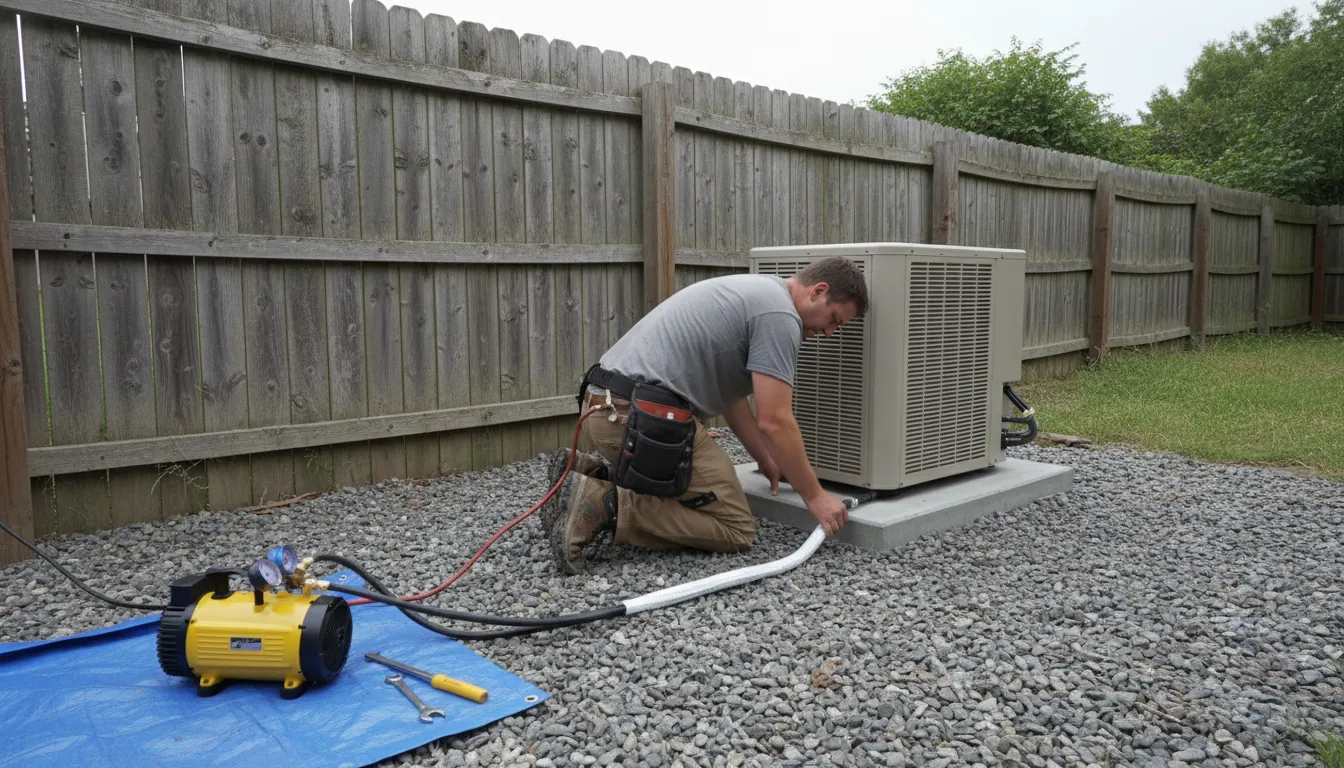
The outdoor condenser must be installed on a stable, level pad (often concrete) with careful attention to clearance. Adequate space around the unit is non-negotiable for proper airflow, system efficiency, and ease of future maintenance and repair. Installers will follow manufacturer specifications, which typically require several feet of clearance from walls, shrubs, fences, and other obstructions to ensure the unit can "breathe" and expel heat effectively.
The Mini-Split Installation Process
A professional installation by a qualified technician is essential for performance, efficiency, and warranty protection. The process generally follows these steps:
- Site Evaluation & Planning: A technician assesses your home, determines the optimal locations for indoor and outdoor units, calculates heating/cooling loads (BTUs), and plans the routing for lines and electrical.
- Mounting Units: The bracket for the indoor air handler is securely mounted to the wall, ceiling, or floor. The outdoor condenser is placed on its pad.
- Drilling the Penetration Hole: A small, precisely drilled hole (typically 3 inches or less) is made in the exterior wall to connect the indoor and outdoor units.
- Connecting the Line-Set: The conduit containing the refrigerant lines, drain line, and communication/power cables is run between the units, sealed at the wall penetration to prevent air and water leaks.
- Electrical Work: A dedicated electrical circuit must be run from your home's main panel to the outdoor unit. Multi-zone systems may require a sub-panel or more complex electrical work 5.
- System Evacuation & Charging: The refrigerant lines are vacuumed to remove all moisture and air-a critical step for system longevity and efficiency. Then, the system is charged with the correct amount of refrigerant.
- Testing & Commissioning: The installer tests all functions, checks for refrigerant leaks, verifies drainage, and demonstrates the system's operation and remote controls to the homeowner.
Find the perfect mini-split installers for your needs
Get personalized recommendations and expert advice
Understanding Installation Costs in Rosemead
Costs for ductless mini-split installation can vary widely based on system complexity, brand, and labor. The following ranges reflect typical costs for the California market in 2025/2026 and provide a useful benchmark for Rosemead homeowners.
- Single-Zone System: $2,500 - $6,000. This covers one indoor unit and one outdoor condenser, ideal for a single room.
- 2-3 Zone System: $5,500 - $11,000+. A popular choice for cooling and heating multiple key areas of a home.
- 4+ Zone System: $8,000 - $15,000+. A comprehensive solution for whole-home comfort in a ductless property.
Several key factors influence the final price:
- Number of Zones & BTU Capacity: More indoor units and a larger outdoor condenser increase material costs.
- Efficiency (SEER2 Rating): Higher-efficiency models (with higher SEER2 ratings) cost more upfront but offer lower operating costs.
- Brand & Features: Premium brands and units with advanced features (like ultra-quiet operation or advanced filtration) command higher prices.
- Installation Complexity: Costs rise with difficult electrical work, the need for condensate pumps, long line-set runs, or challenging mounting situations 6 7 8.
Key Benefits for Your Home
Choosing a ductless system offers tangible advantages:
- High Efficiency & Lower Bills: By eliminating duct losses and enabling zoning, mini-splits are among the most efficient HVAC options available, directly reducing energy consumption 9.
- Flexible Installation: With only a small hole needed, installation is less invasive than adding ductwork and preserves your home's structure and aesthetics.
- Improved Indoor Air Quality: Without ducts that can harbor dust and allergens, and with multi-stage filtration in many indoor units, air quality can improve.
- Year-Round Comfort: As heat pumps, they provide both precise cooling and efficient heating from the same system.
Frequently asked questions
Sources
Footnotes
-
Ductless & Mini Split Systems in Rosemead, CA - https://www.powerproplumbing.com/ductless/ductless-mini-split-systems-rosemead-ca ↩
-
Ductless Mini Split Setup: An Ultimate Guide - Airflow Heating & Air - https://www.goairflow.com/blog/ductless-mini-split-installation/ ↩
-
Ductless & Mini Split Systems in El Monte, CA - Power Pro Plumbing - https://www.powerproplumbing.com/ductless/ductless-mini-split-systems-el-monte-ca ↩
-
How Much Does a Mini-Split Installation Cost? - Taskrabbit Blog - https://www.taskrabbit.com/blog/mini-split-installation-cost/ ↩
-
Whole House Ductless Mini Split Walk Through - https://www.youtube.com/watch?v=lDwutt_ywsA&t=2 ↩
-
Ductless Mini-Split Installation Cost in 2025: Full Breakdown - https://osborneheatingncooling.com/ductless-mini-split-installation-cost/ ↩
-
Mini-Split AC Installation in California - Bonney: Plumbing - https://www.bonney.com/blog/mini-split-ac-cost-california/ ↩
-
Ductless Mini-Splits: A Comprehensive Cost Breakdown - https://www.myfivestarhomeservices.com/ductless-mini-splits-a-comprehensive-cost-breakdown/ ↩
-
Ductless Mini-Split AC: The Pros & Cons in California - Lee's Air - https://leesair.com/ductless-mini-split-ac-the-pros-cons-in-california/ ↩