Find the Best Mini-Split Installers for Your Business
No obligation • Fast responses • Nationwide coverage

Why you can trust HVAC Firms
HVAC Firms is a leading United States resource for evaluating HVAC service providers. Our team researches companies, checks credentials, and reviews customer feedback to present clear, unbiased information. Listings and rankings are based on merit, and companies cannot pay to change our editorial content.
Search providers near you
Top Mini-Split Installers in Rancho Cordova, California Ranked
Ductless mini-split systems provide efficient, zoned heating and cooling, making them an ideal climate control solution for many Rancho Cordova homes. These systems are particularly valuable for older houses, room additions, or any space without existing ductwork, as they avoid the energy losses associated with traditional ducted systems. This guide will help you understand the key considerations for a ductless installation, from system types and costs to the critical importance of professional setup, so you can make an informed decision for your home comfort needs.
A Cool Air, Inc.
140 Shrike Cir, Sacramento, CA 95834
A Cool Air, Inc. is an HVAC company based in Sacramento, CA, offering installation, repair, and maintenance services for air conditioning, heating, heat pumps, mini splits, wall heaters, and whole house fans. They also provide attic insulation, ductwork, and water heater services to improve home comfort and energy efficiency. Their team of certified professionals delivers comprehensive HVAC solutions tailored to residential needs. The company is known for its certified expertise and a customer-focused approach that emphasizes transparent pricing and energy-saving options.
Huft Home Services Elk Grove
10103 Iron Rock Way, Elk Grove, CA 95624
Huft Home Services Elk Grove provides heating and cooling solutions in Sacramento, CA. They offer repair, installation, replacement, and maintenance services for a wide range of HVAC equipment including air conditioners, furnaces, heat pumps, boilers, mini splits, and geothermal heat pumps. The company is known for clear pricing and experienced technicians who provide advice tailored to each home's needs. Huft Home Services has been a preferred provider in the area for many years.
Jaguar Heating & Air
501 W St, Sacramento, CA 95818
Jaguar Heating & Air is a family-owned HVAC company serving Sacramento, CA, and nearby communities. They provide a wide range of heating and cooling services, including repair and installation of air conditioners, furnaces, heat pumps, and ductless mini-split systems. The company is a Trane Comfort Specialist but services all HVAC brands. Jaguar Heating & Air also offers duct cleaning, indoor air quality products, tune-ups, and light commercial HVAC services. Their technicians are NATE-certified and trained to ensure precise installations that optimize system performance and energy efficiency. They emphasize customer satisfaction with a guarantee and offer same-day service without extra weekend charges.
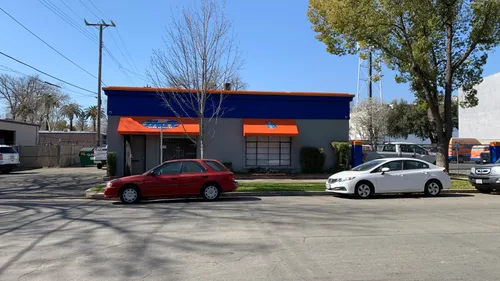
Huft Home Services Sacramento
Sacramento, CA
Huft Home Services Sacramento provides heating and cooling solutions in Sacramento, CA. Their team handles repairs, installations, replacements, and maintenance for a wide range of HVAC equipment including air conditioners, furnaces, heat pumps, boilers, mini splits, and geothermal heat pumps. The company is known for responding quickly to comfort needs and offers transparent pricing without hidden fees. With years of experience, Huft Home Services combines skilled technicians, plumbers, and comfort advisors to deliver knowledgeable and reliable service tailored to each home.

Clarke & Rush Mechanical, HVAC, Plumbing, Windows & Insulation
4411 Auburn Blvd, Sacramento, CA 95841
Clarke & Rush Mechanical, HVAC, Plumbing, Windows & Insulation has been serving Sacramento, CA, for over 60 years. They provide a wide range of residential and commercial HVAC services including AC installation, heat pump and mini split installation, HVAC tune-ups, and repairs. As a certified factory authorized dealer of Carrier and Mitsubishi, they offer expert system selection and maintenance tailored to the local climate. Their team is NATE certified and licensed, with a strong focus on sustainable solutions such as Tech Clean California certified heat pump and water heater installations.
Why Choose a Ductless Mini-Split for Your Rancho Cordova Home?
For residents in Rancho Cordova and across California, ductless mini-splits offer a compelling alternative to traditional central air systems. Their primary advantage is zoned comfort; you can independently control the temperature in different rooms or areas of your home. This eliminates the common problem of hot or cold spots and allows you to save energy by conditioning only the spaces you're using.
These systems are exceptionally well-suited for specific home scenarios. If you're finishing a garage, converting a sunroom, or adding a new master suite, a mini-split is often the most practical and efficient way to add climate control without the major construction required to extend ductwork 1. For older California homes where installing new ducts would be difficult, expensive, or invasive, a ductless system is a perfect fit. By eliminating ducts, you also avoid the 20-30% energy loss that can occur through leaky or uninsulated ductwork in attics or crawl spaces 2 3. Furthermore, a multi-zone mini-split system can serve as a whole-home solution, providing customized comfort for multiple rooms or even an entire house without any ducts at all 1.
Understanding System Types: Single-Zone vs. Multi-Zone
The first major decision in planning your installation is choosing between a single-zone or multi-zone system. This choice dictates the system's scope and flexibility.
- Single-Zone Systems: This is the simplest setup, consisting of one outdoor condenser unit connected to one indoor air-handling unit. It's designed to condition a single room or open area, such as a master bedroom, home office, or great room. It's an excellent and cost-effective choice for targeted comfort 4.
- Multi-Zone Systems: A multi-zone system connects multiple indoor units (two, three, four, five, or more) to a single, more powerful outdoor condenser. Each indoor unit operates independently, allowing you to set different temperatures in the living room, kitchen, and bedrooms simultaneously. This provides whole-house zoned comfort with a smaller outdoor footprint than installing several separate single-zone systems 5 6. Systems are commonly referred to as dual-zone, triple-zone, or quad-zone based on the number of indoor units.
Indoor Unit Styles and Placement Considerations
Ductless indoor units come in several styles to suit different room aesthetics and space constraints. Proper placement is crucial for optimal performance, air circulation, and efficient condensate drainage.
- Wall-Mounted: This is the most common and typically most affordable style. The unit is mounted high on a wall, which is ideal for efficient air distribution in open spaces. Professional installers will ensure it's placed for optimal airflow and that the condensate line has a proper downward slope for gravity drainage.
- Ceiling Cassette: These units are recessed into the ceiling, with only a sleek vent panel visible. They are less intrusive than wall-mounted models and can provide more even, four-way air distribution. Installation is more complex and often more expensive, as it involves cutting into the ceiling and managing drainage, which may require a condensate pump 7.
- Floor-Mounted: Designed to be installed low on a wall or directly on the floor, these units are a good solution for rooms with high ceilings, vaulted spaces, or where wall mounting is not feasible. They are also easier to service 8.
A key part of the installation process is drilling a small, sealed hole (typically about 3 inches) through the exterior wall to connect the indoor and outdoor units with refrigerant lines, electrical wiring, and the condensate drain line.
Outdoor Unit Placement and Installation Logistics
The outdoor condenser unit requires careful placement. It must sit on a stable, level surface, such as a concrete pad or specialized mounting brackets. Critical clearance space is needed around the unit (usually 1-2 feet on all sides and several feet above) to ensure adequate airflow for heat exchange and to allow technicians access for future maintenance and repairs. A qualified installer will assess your property to find a location that meets these requirements, minimizes noise impact on living spaces and neighbors, and allows for the most efficient and shortest possible line set run between the indoor and outdoor units.
Find the perfect mini-split installers for your needs
Get personalized recommendations and expert advice
Cost Factors for Mini-Split Installation
The total cost of a ductless mini-split installation in Rancho Cordova varies significantly based on the project's scope and specifications. Here's a general breakdown of what you might expect 9:
- 1-Zone System: $2,500 - $6,000. Ideal for a single room or small apartment.
- 2-Zone System: $4,500 - $8,000. A good solution for conditioning two primary rooms or a small home.
- 3-Zone System: $6,500 - $11,000. Suitable for a medium-sized home with three distinct zones.
- 5-Zone System: $10,000 - $15,000+. A comprehensive solution for larger homes requiring multiple zones of control.
Several key factors influence where your project falls within these ranges:
- System Capacity and Efficiency: The size of the unit, measured in BTUs, must be correctly calculated for the space. Higher-efficiency models with superior SEER (Seasonal Energy Efficiency Ratio) ratings cost more upfront but offer greater long-term energy savings.
- Installation Complexity: Costs increase if the installation requires significant new electrical work, complex carpentry for ceiling cassettes, or long refrigerant line runs that need additional piping and labor 10 11.
- Equipment and Labor: The brand, features (like Wi-Fi controls), and style of indoor units selected will affect the price. Most importantly, professional labor from a certified technician is a necessary investment for a proper, warrantied installation.
Long-Term Value, Rebates, and Professional Installation
While the initial investment can be substantial, the long-term value of a ductless system is significant. The high energy efficiency translates directly to lower monthly utility bills. The absence of duct loss and the ability to zone your home mean you're not paying to condition unused spaces. Additionally, look for potential rebates and incentives. Energy Star-certified systems may qualify for rebates from local utility companies, and there are often federal tax credits available for high-efficiency home improvements, which can substantially reduce the net cost 12 13.
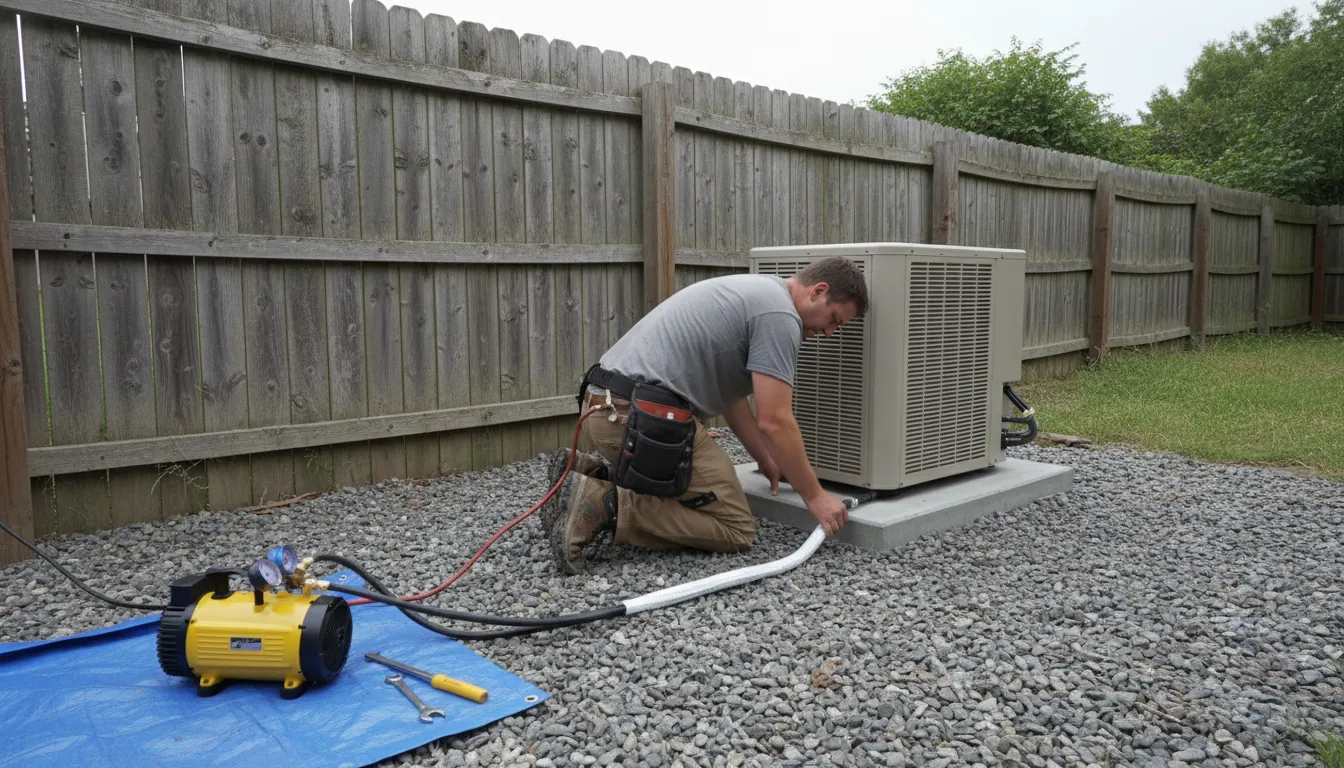
Professional installation is not just a recommendation-it is essential. Proper installation ensures peak efficiency, reliable operation, and protects the manufacturer's warranty. Handling refrigerant requires EPA certification, and a correct installation involves precise vacuuming of the lines, electrical connections, and system testing that only a trained HVAC technician can perform. A well-installed ductless mini-split system is a durable investment, typically providing 15 to 20 years of reliable comfort for your home.
Frequently asked questions
Sources
Footnotes
-
Mini Split Installation in Rancho Cordova, CA - https://www.sierravalleymechanical.com/mini-split-installation-in-rancho-cordova-ca ↩ ↩2
-
Ductless Mini-Split AC: The Pros & Cons in California - Lee's Air - https://leesair.com/ductless-mini-split-ac-the-pros-cons-in-california/ ↩
-
Mini Split Installation Guide: Ultimate Comfort Solutions - https://gotech-hvac.com/mini-split-installation/ ↩
-
What's the Difference Between Single-Zone and Multi-Zone Mini Split Systems? - https://superiormsi.com/whats-the-difference-between-single-zone-and-multi-zone-mini-split-systems/ ↩
-
The Different Types of Mini Splits - https://www.pioneerminisplit.com/blogs/news/the-different-types-of-mini-splits ↩
-
Residential New Construction HVAC Design and Installation - Coast to Coast - https://coasttocoastac.com/services/new-construction-hvac-installation/ ↩
-
How Much Does a Mini-Split Installation Cost? - Taskrabbit Blog - https://www.taskrabbit.com/blog/mini-split-installation-cost/ ↩
-
Ductless Mini-Splits: A Comprehensive Cost Breakdown - https://www.myfivestarhomeservices.com/ductless-mini-splits-a-comprehensive-cost-breakdown/ ↩
-
Cost to Install Mini Split AC System in 2025 - https://dellahome.com/blogs/della-blog/cost-to-install-mini-split-ac-system ↩
-
Ductless mini-split installation: Cool 2025 Guide - Southern Air - https://www.southern-air.com/blog/ductless-mini-split-installation ↩
-
Mini-Split AC Installation in California - Bonney: Plumbing - https://www.bonney.com/blog/mini-split-ac-cost-california/ ↩
-
Ductless Mini-Split Installation Cost in 2025: Full Breakdown - https://osborneheatingncooling.com/ductless-mini-split-installation-cost/ ↩
-
Ductless Mini Split Installation Costs in 2026 - Carrier - https://www.carrier.com/residential/en/us/products/ductless-mini-splits/ductless-mini-split-installation-cost/ ↩