Find the Best Mini-Split Installers for Your Business
No obligation • Fast responses • Nationwide coverage

Why you can trust HVAC Firms
HVAC Firms is a leading United States resource for evaluating HVAC service providers. Our team researches companies, checks credentials, and reviews customer feedback to present clear, unbiased information. Listings and rankings are based on merit, and companies cannot pay to change our editorial content.
Search providers near you
Top Mini-Split Installers in Newport Beach, California Ranked
Ductless mini-split systems are an increasingly popular solution for efficient, zoned heating and cooling in Newport Beach homes. These systems provide targeted comfort for specific rooms or areas without the need for extensive ductwork, making them ideal for coastal properties, home additions, and renovations. This guide explains what ductless mini-split installation involves, why it's a smart choice for the local climate, and how you can find qualified professionals to handle your project.
Air Care
30211 Avenida de las Banderas #200, Rancho Santa Margarita, CA 92688
Air Care is a veteran-owned heating and air conditioning company based in Long Beach, CA. They provide residential HVAC services including air conditioning repair, furnace repair, mini split installation, HVAC tune-ups, and indoor air quality solutions. Serving Long Beach and the surrounding Orange County areas, Air Care offers 24/7 emergency services to address heating and cooling issues promptly. Their technicians are licensed, trained, and certified, ensuring professional and reliable workmanship. The company emphasizes quality and integrity in all their services and partners with top brands like Trane to deliver high-quality products.
1st Choice Heating & Air Conditioning, Inc.
23372 Madero Suite B, Mission Viejo, CA 92691
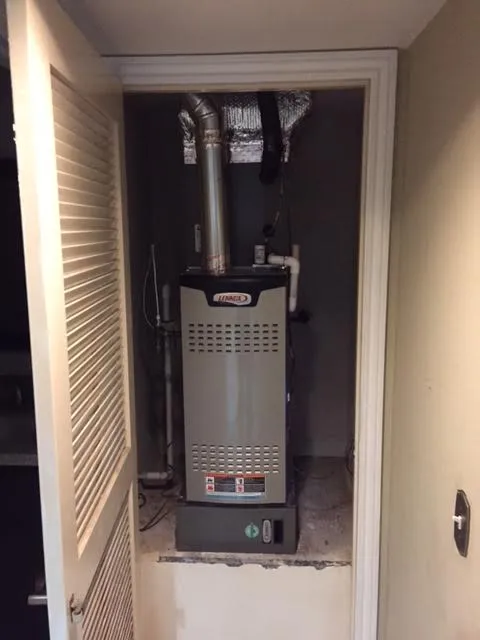
1st Choice Heating & Air Conditioning, Inc. provides a wide range of HVAC services in Anaheim, CA. Their offerings include installation, repair, and maintenance of air conditioners, furnaces, heat pumps, mini-split systems, and thermostats, along with indoor air quality solutions. As a Lennox Premier Dealer and recipient of the Centurion Award, they specialize in Lennox products and deliver energy-efficient heating and cooling systems. Their technicians are trained to handle various HVAC needs, from tune-ups to system replacements, ensuring comfort throughout the year.
Sano Heating & Air Conditioning
5546 E La Palma Ave, Anaheim, CA 92807
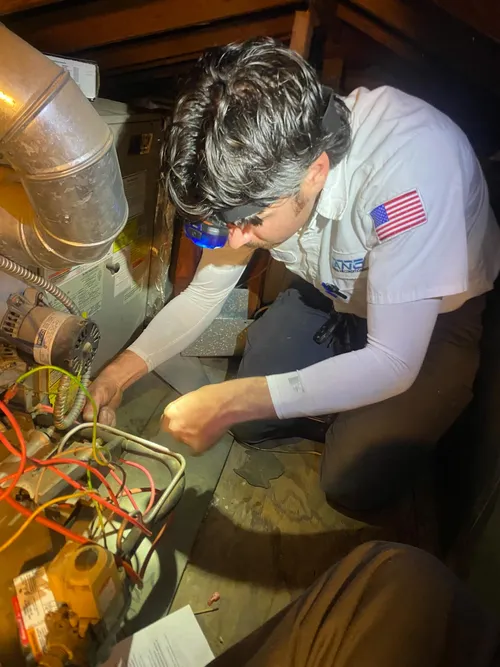
Sano Heating & Air Conditioning is an HVAC company based in Anaheim, CA, providing a range of heating and cooling services. They offer repair and installation for air conditioners, furnaces, heat pumps, mini splits, and perform HVAC tune-ups. The company also specializes in indoor air quality solutions and energy-efficient options like ductless and zoned systems. Serving Anaheim and the surrounding Orange County area, they handle new construction projects and have sheet metal capabilities to support their HVAC services.

Comfort Time Plumbing Heating & Cooling
8038 Freestone Ave, Santa Fe Springs, CA 90670
Comfort Time Plumbing Heating & Cooling is a family-owned company based in Los Angeles, CA, providing comprehensive HVAC and plumbing services for homes and businesses. They specialize in the repair and installation of air conditioning, furnaces, heat pumps, boilers, mini splits, and commercial refrigeration systems. Comfort Time Plumbing Heating & Cooling offers same-day service and uses advanced techniques such as trenchless sewer line replacement to address plumbing issues efficiently. Since 2008, they have served the local community with trained technicians who maintain up-to-date certifications and prioritize respect for customers' homes.
Haven Air Conditioning
1450 N Lakeview Ave, Anaheim, CA 92807
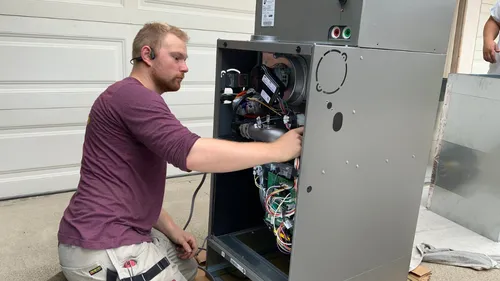
Haven Air Conditioning is an HVAC company based in Anaheim, CA, offering a range of services including air conditioning, furnace, heat pump, and mini split installation and repair. They also provide HVAC tune-ups, duct cleaning, and thermostat installation. The company is experienced in handling complex HVAC systems and offers detailed inspections and maintenance advice to improve system efficiency. Customers appreciate their thoroughness and clear communication throughout the service process. Haven Air Conditioning has built a reputation for professional installations and repairs in the Anaheim area.
Why Choose a Ductless System for Your Newport Beach Home?
Newport Beach's coastal environment and diverse housing stock make ductless mini-splits, often called ductless heat pumps or split-system air conditioners, a particularly fitting upgrade. The primary advantage is zoned comfort, allowing you to cool or heat only the rooms you're using, which leads to significant energy savings. For older homes, historic properties, or new additions where installing ductwork is impractical or prohibitively expensive, a ductless system provides a perfect, efficient solution. Furthermore, by eliminating metal ducts that can corrode in salty coastal air, these systems offer a durable alternative that avoids a common maintenance issue in seaside communities.
Common Applications in Local Homes
Understanding where a ductless air conditioner excels helps in planning your project. In Newport Beach, typical applications include:
- Room Additions & Renovations: Adding a sunroom, converting a garage, or finishing an attic? A mini-split is often the most cost-effective way to add climate control to a new space without extending your existing central HVAC system 1.
- Supplemental Zoning: Do you have a room that's always too hot or too cold? Installing a single-zone system can solve comfort issues in master bedrooms, home offices, or living rooms without overhauling your whole house system.
- Homes Without Ductwork: Many older coastal cottages and certain architectural styles were built without central air. A multi-zone ductless installation can provide whole-home comfort without the major construction required for duct installation.
- Efficiency Upgrades: Replacing inefficient window units or a dated central system with a modern, high-SEER2 ductless heat pump can drastically reduce your energy bills while improving dehumidification and comfort.
Understanding Zoning: Single-Zone vs. Multi-Zone Systems
The core of a ductless system's appeal is its zoning capability. Your choice here fundamentally shapes the project's scope and cost.
- Single-Zone Systems: This configuration involves one outdoor condenser unit connected to one indoor air-handling unit (often called a "head"). It's designed to control the temperature of a single room or open area. This is the most straightforward and typically least expensive option, perfect for targeting one problematic zone.
- Multi-Zone Systems: A single, more powerful outdoor unit can be connected to multiple indoor heads (commonly 2, 3, 4, or more). Each indoor unit operates independently, allowing you to set different temperatures in the bedroom, living room, and home office simultaneously. This provides whole-home comfort with excellent efficiency and a smaller outdoor footprint than multiple single-zone condensers 2 3.
Critical Planning: Indoor and Outdoor Unit Placement
Professional installation starts with meticulous planning of where to place both the indoor and outdoor components. Proper placement is crucial for performance, efficiency, and aesthetics.
Indoor Unit (Head) Placement Guidelines: The most common type is the wall-mounted unit. For optimal performance:
- Install it high on a wall, typically at least 7 feet from the floor, to allow for broad, unobstructed air distribution.
- Choose a central location on the longest wall of the room for even temperature control.
- Avoid placing it directly above heat sources, in tight hallways, or where furniture or cabinetry will block airflow 4.
- Ensure there is adequate clearance (usually several inches) around the unit for maintenance access and airflow.
Outdoor Unit (Condenser) Placement Considerations: The condenser requires careful siting for longevity and efficiency.
- It must be placed on a perfectly level, stable surface, such as a concrete pad or a specially engineered wall bracket.
- Ample clearance is non-negotiable. The unit needs space on all sides (often 1-3 feet) and above to exhaust heat properly. Restricted airflow leads to overheating, reduced efficiency, and premature failure 5.
- In Newport Beach, consider exposure to salty ocean air. While units are built to withstand corrosion, placement that minimizes direct, constant salt spray can extend its life.
- Ensure the location allows easy access for future maintenance and repair.
Find the perfect mini-split installers for your needs
Get personalized recommendations and expert advice
The Professional Installation Process: What to Expect
A proper ductless mini-split installation is a technical job that requires licensed expertise, especially for handling refrigerant. Here's a step-by-step overview of what a professional crew will do:
- Load Calculation & System Design: A technician will perform a Manual J load calculation to determine the precise heating and cooling (BTU) needs for each zone. They will then design the system, planning the placement of all units, the routing of the refrigerant line-sets and electrical wiring, and the location of the condensate drain.
- Mounting & Penetration: The indoor wall brackets are securely mounted. A small, clean hole (typically 3 inches) is drilled through the wall to connect the indoor and outdoor units. For multi-story installations, this may involve more complex routing.
- Outdoor Unit Setup: The condenser is positioned on its prepared pad or bracket, ensuring it is perfectly level 6.
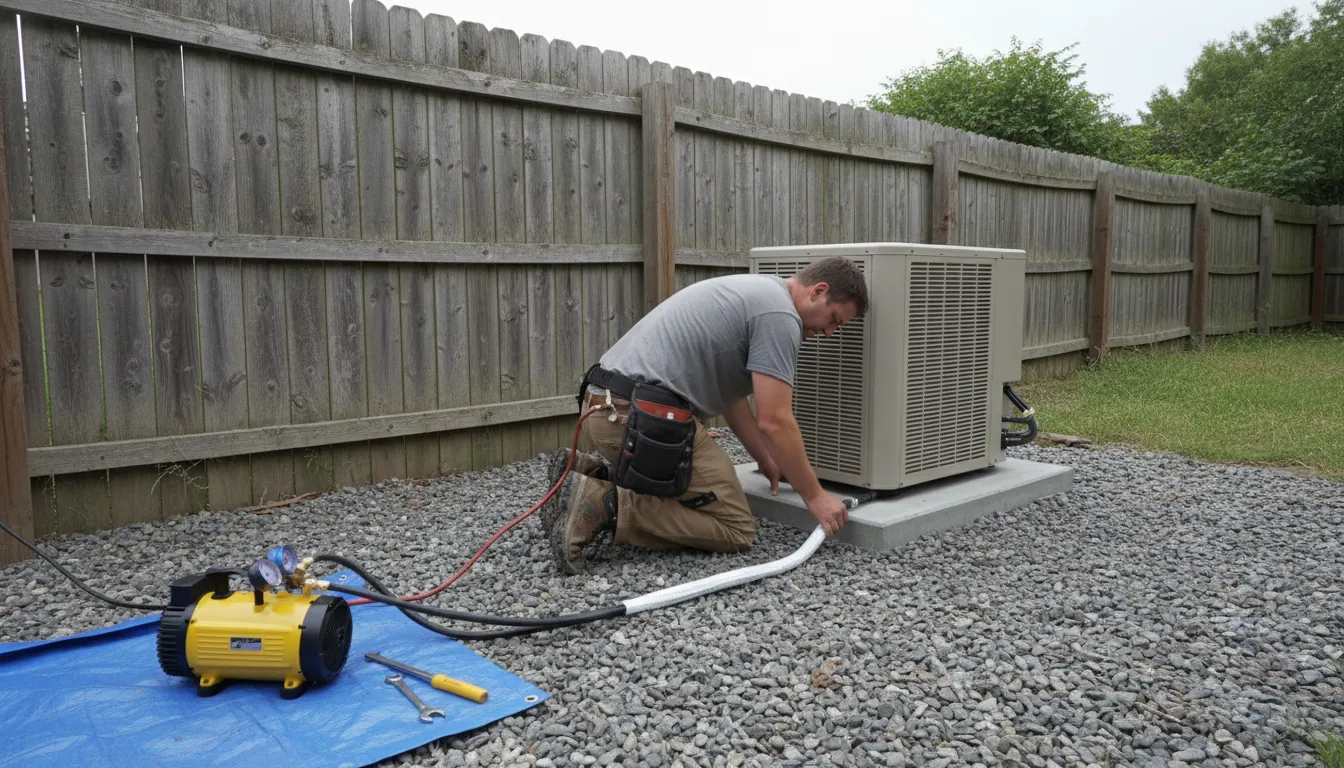
- Line-Set Connection & Evacuation: This is a critical phase. The pre-charged refrigerant lines (copper tubing) are connected between the units. The entire refrigerant circuit is then evacuated with a high-powered vacuum pump to remove all air and moisture. A thorough leak check is performed to ensure integrity. Improper evacuation is a leading cause of system failure.
- Electrical Connections: Wiring is run from the outdoor unit to the indoor heads and connected to a dedicated circuit in your home's electrical panel 7.
- System Commissioning: The system is started up and tested. The technician will verify refrigerant charge, check airflow and temperature differentials, test all modes (heating, cooling, dehumidification), and ensure the remote controls or Wi-Fi thermostats are functioning correctly 8.
Understanding Cost Factors in Newport Beach
Installation costs for ductless systems in California vary widely based on system complexity and specifications. The following ranges are estimates; a local quote will provide exact figures for your home.
- Single-Zone System: $2,500 - $6,000
- 2-3 Zone System: $5,500 - $11,000+
- 4+ Zone System: $8,000 - $15,000+
Key factors influencing your final cost include:
- Number of Zones: The most significant cost driver. Each additional indoor head adds to the equipment and labor cost.
- System Efficiency (SEER2 Rating): Higher-efficiency models (with higher SEER2 ratings) cost more upfront but offer lower operating costs, which is valuable in Newport Beach's climate 9 10.
- Equipment Brand: Premium brands often command a higher price.
- Installation Complexity: Factors like multi-story installation, long refrigerant line runs, difficult electrical access, or the need for custom wall brackets can increase labor costs 11 12.
- Coastal Location: Installations in Newport Beach may involve additional considerations for corrosion resistance and securing components, which can influence the project plan 13.
Frequently asked questions
Sources
Footnotes
-
Ductless mini-split installation: Cool 2025 Guide - Southern Air - https://www.southern-air.com/blog/ductless-mini-split-installation ↩
-
Zoned Home - https://www.mitsubishicomfort.com/articles/zoned-home ↩
-
What you need to know about ductless air conditioning - https://bhild.com/what-you-need-to-know-about-ductless-air-conditioning/ ↩
-
Mini Split Installation: What You're Really Paying For - https://www.callmattioni.com/blog/t-mini-split-installation-guide/ ↩
-
Tips for Proper Ductless Mini-Split Placement - Climate Systems - https://www.climatesystems.net/blog/tips-for-proper-ductless-mini-split-placement/ ↩
-
How to Install a Mini-Split in 4 Steps - https://www.alpinehomeair.com/learning-center/ductless-mini-split-systems/how-to-install-a-mini-split-in-4-steps ↩
-
How to Properly Install a Ductless Mini-Split System - https://www.geappliancesairandwater.com/how-to-properly-install-a-ductless-mini-split-system ↩
-
Inner Workings of Ductless Mini-Split Systems | Hunt's - https://www.huntsservices.com/demystifying-the-inner-workings-of-ductless-mini-split-systems/ ↩
-
Ductless Mini-Split Installation Cost in 2025: Full Breakdown - https://osborneheatingncooling.com/ductless-mini-split-installation-cost/ ↩
-
Mini-Split AC Installation in California - Bonney: Plumbing - https://www.bonney.com/blog/mini-split-ac-cost-california/ ↩
-
Mini Split Installation Guide: Ultimate Comfort Solutions - https://gotech-hvac.com/mini-split-installation/ ↩
-
Understanding mini split installation costs: A quick guide - Homeaglow - https://www.homeaglow.com/hub/content/mini-split-installation-cost ↩
-
The Benefits of Ductless Mini-Split Systems for Coastal Homes ... - https://www.hvacnewportbeach.com/blog/the-benefits-of-ductless-mini-split-systems-for-coastal-homes-in-newport-beach ↩