Find the Best Mini-Split Installers for Your Business
No obligation • Fast responses • Nationwide coverage

Why you can trust HVAC Firms
HVAC Firms is a leading United States resource for evaluating HVAC service providers. Our team researches companies, checks credentials, and reviews customer feedback to present clear, unbiased information. Listings and rankings are based on merit, and companies cannot pay to change our editorial content.
Search providers near you
Top Mini-Split Installers in Lake Elsinore, California Ranked
Installing a ductless mini-split system is a smart solution for achieving zoned comfort and energy efficiency in your Lake Elsinore home. These systems provide targeted heating and cooling to specific rooms or areas, allowing you to control temperatures independently and avoid wasting energy on unoccupied spaces. This guide will help you understand the process, costs, and key considerations for a successful ductless AC installation, connecting you with the information needed to find qualified local professionals for your project.
Air Care
30211 Avenida de las Banderas #200, Rancho Santa Margarita, CA 92688
Air Care is a veteran-owned heating and air conditioning company based in Long Beach, CA. They provide residential HVAC services including air conditioning repair, furnace repair, mini split installation, HVAC tune-ups, and indoor air quality solutions. Serving Long Beach and the surrounding Orange County areas, Air Care offers 24/7 emergency services to address heating and cooling issues promptly. Their technicians are licensed, trained, and certified, ensuring professional and reliable workmanship. The company emphasizes quality and integrity in all their services and partners with top brands like Trane to deliver high-quality products.
1st Choice Heating & Air Conditioning, Inc.
23372 Madero Suite B, Mission Viejo, CA 92691
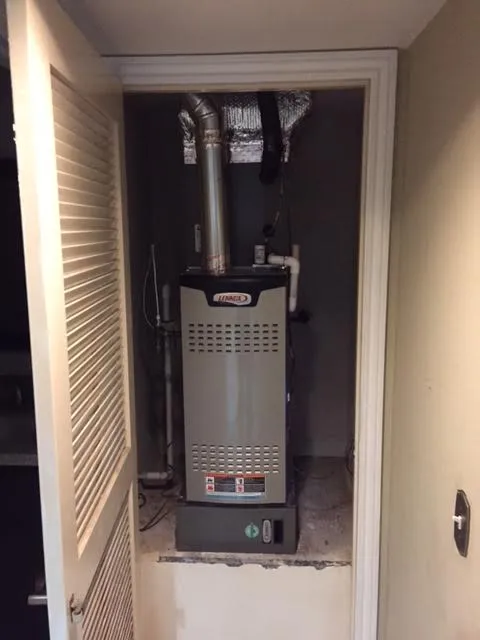
1st Choice Heating & Air Conditioning, Inc. provides a wide range of HVAC services in Anaheim, CA. Their offerings include installation, repair, and maintenance of air conditioners, furnaces, heat pumps, mini-split systems, and thermostats, along with indoor air quality solutions. As a Lennox Premier Dealer and recipient of the Centurion Award, they specialize in Lennox products and deliver energy-efficient heating and cooling systems. Their technicians are trained to handle various HVAC needs, from tune-ups to system replacements, ensuring comfort throughout the year.
Sano Heating & Air Conditioning
5546 E La Palma Ave, Anaheim, CA 92807
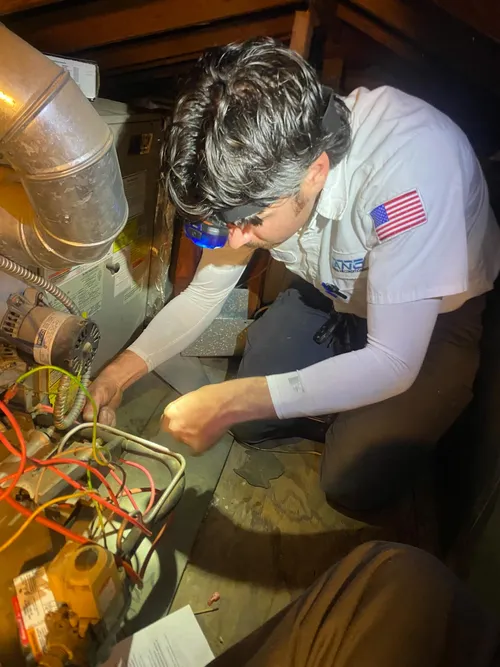
Sano Heating & Air Conditioning is an HVAC company based in Anaheim, CA, providing a range of heating and cooling services. They offer repair and installation for air conditioners, furnaces, heat pumps, mini splits, and perform HVAC tune-ups. The company also specializes in indoor air quality solutions and energy-efficient options like ductless and zoned systems. Serving Anaheim and the surrounding Orange County area, they handle new construction projects and have sheet metal capabilities to support their HVAC services.
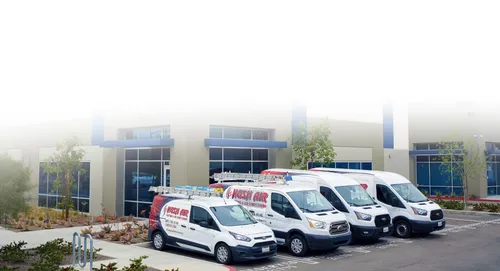
Hush Air Heating & Air Conditioning
21790 Van Buren Boulevard Ste 104, Riverside, CA 92518
Hush Air Heating & Air Conditioning is a full-service HVAC company based in Riverside, CA. They offer a range of services including air conditioning and heat pump repair, installation of central AC systems, ductless mini splits, and heat pumps. The company also provides indoor air quality evaluations and installs whole-house air filtration and purification systems to improve home environments. Additionally, they service tankless water heaters and offer routine HVAC maintenance to ensure system efficiency and reliability.
Irvine Air Conditioning & Refrigeration
3 Petria, Irvine, CA 92606
Irvine Air Conditioning & Refrigeration is a local HVAC company serving Long Beach, CA, and nearby areas. They offer a full range of heating and cooling services including installation, repair, and maintenance for air conditioners, furnaces, heat pumps, mini splits, and thermostats. The company is licensed, insured, and bonded, with over 10 years of experience since its establishment in 2015. They provide a 90-day warranty on parts and labor and have expertise in refrigeration equipment repair as well.
Understanding Ductless Mini-Split Systems
A ductless mini-split system consists of one outdoor condenser unit connected to one or more indoor air handlers. Unlike traditional central HVAC that uses ductwork, these systems use a small conduit containing refrigerant lines, power cables, and a condensate drain line, which requires only a small hole (typically around 3 inches) to pass through a wall. This makes ductless installation ideal for home additions, rooms with poor ductwork, or older homes where installing ducts is impractical or too expensive.
The primary appeal is zoned comfort. You can set different temperatures for your living room, bedrooms, or home office, catering to individual preferences and daily routines. This zoning capability is particularly valuable in California's climate, where cooling needs can vary dramatically from a sun-drenched great room to a shaded bedroom. By conditioning only the spaces you're using, you can realize significant energy savings compared to running a central system for the entire house.
Types of Mini-Split Systems: Single-Zone vs. Multi-Zone
Choosing between a single-zone and a multi-zone system is one of the first and most important decisions.
Single-Zone Systems are designed for one to three rooms or a single open space. They are the most cost-effective option and are perfect for specific applications like:
- A home addition, sunroom, or converted garage.
- A standalone workshop or garage where you need climate control.
- A single room that is consistently too hot or too cold, such as a master bedroom or home office.
Multi-Zone Systems connect one outdoor unit to multiple indoor air handlers (typically 2 to 5+). This setup is ideal for whole-home zoning or for conditioning several key areas of your house independently. For example, you could install air handlers in the main living areas and each bedroom, granting family members individual control. While the upfront cost is higher, a multi-zone installation can be more efficient and aesthetically pleasing than installing multiple single-zone outdoor units 1.
Choosing the Right Indoor Air Handler
The indoor unit, or air handler, comes in different styles to suit various room layouts and aesthetic preferences.
- Wall-Mounted Units: This is the most common and recognizable type. They are installed high on an interior wall, providing excellent airflow for open spaces. Proper placement is crucial for avoiding drafts and ensuring even temperature distribution.
- Floor-Mounted Units: Also known as low-wall units, these are installed close to the floor. They are an excellent choice for rooms with large windows or limited clear wall space higher up, such as in sunrooms or rooms with sloped ceilings. They deliver comfort at the occupant level and can be less obtrusive.
Other, less common types include ceiling cassette units (recessed into the ceiling) and ducted mini-splits (which can serve a small area via short duct runs), but wall and floor mounts are the standard for residential projects in Lake Elsinore.
Critical Installation Considerations: Placement and Planning
A successful mini-split installation hinges on meticulous planning. Two of the most critical factors are outdoor unit placement and a proper load calculation.
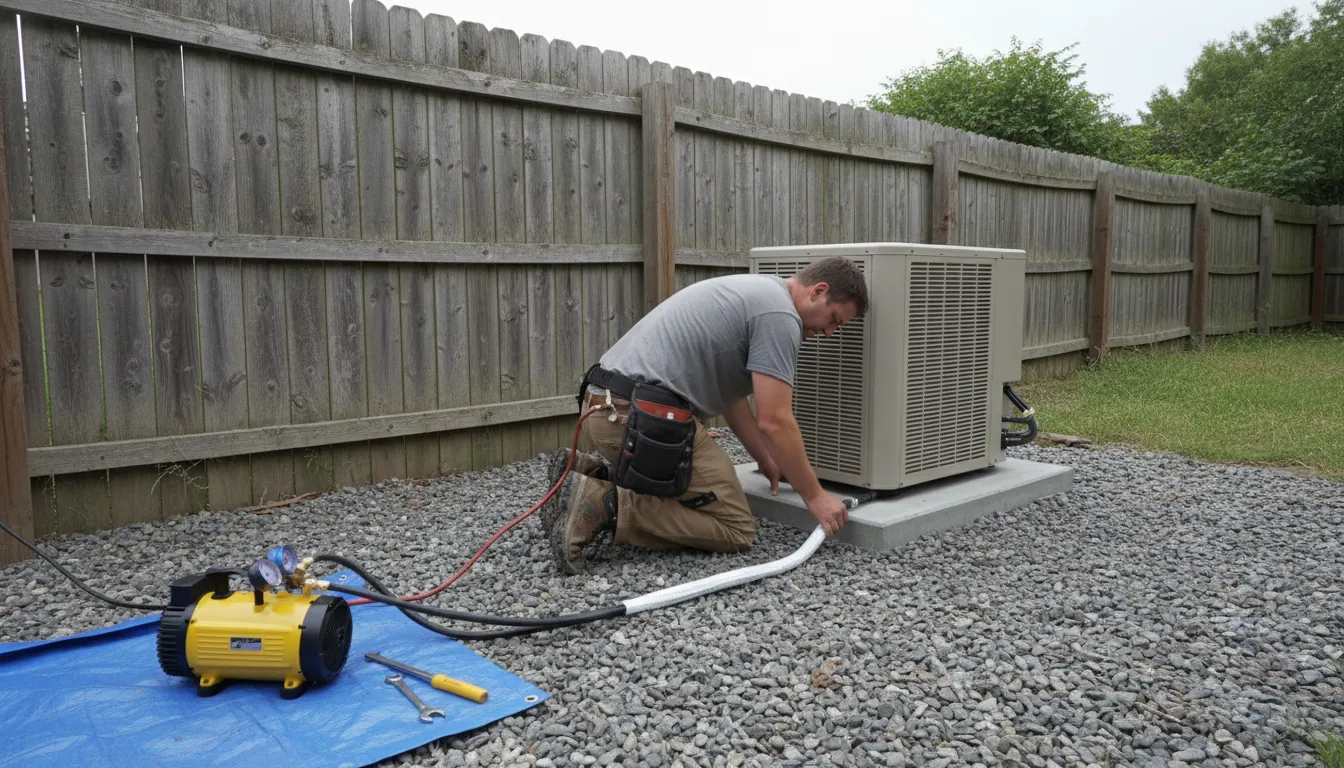
Outdoor Condenser Placement: The outdoor unit requires a stable, level surface, such as a concrete pad or mounting brackets. It must have adequate clearance on all sides (usually 12 to 24 inches) as specified by the manufacturer to ensure proper airflow and heat exchange 2 3. Thoughtful placement minimizes the visual impact on your yard and reduces noise near patios or bedroom windows, while still allowing technicians easy access for future maintenance 4.
Professional Load Calculation: Perhaps the most vital step a professional will perform is a Manual J load calculation. This is not a guess; it's a detailed analysis of your home's size, insulation, window types, orientation, and local climate. An accurate load calculation determines the correct British Thermal Unit (BTU) capacity needed for each zone. An undersized unit will struggle to keep up, while an oversized unit will short-cycle-turning on and off frequently-leading to poor humidity control, uneven temperatures, and higher energy bills.
Find the perfect mini-split installers for your needs
Get personalized recommendations and expert advice
The Professional Installation Process Explained
A proper ductless mini-split installation by a licensed technician follows a systematic process to ensure safety, efficiency, and warranty validity.
- Site Assessment & Planning: A technician will visit your home to perform the load calculation, determine the optimal locations for indoor and outdoor units, and plan the routing for the line-set conduit.
- Mounting the Units: The indoor air handler bracket is securely mounted to a wall stud or other solid framing. The outdoor unit is placed on its prepared pad or brackets.
- Drilling and Running Lines: A small, clean hole is drilled through the exterior wall. The conduit containing the pre-charged refrigerant lines, condensate drain line, and communication/power cables is run between the two units.
- Electrical Connections: A new dedicated electrical circuit is often required from your home's main panel to the outdoor unit. This is specialized work that must meet local Lake Elsinore codes.
- Making Connections & Testing: The refrigerant lines are connected to the units. The system is then pressure-tested for leaks, and the lines are vacuumed to remove any moisture and air-a critical step for longevity and performance. Finally, the system is charged, started, and its operation is verified.
Understanding Mini-Split Installation Costs in Lake Elsinore
Costs for ductless installation can vary widely based on system type, brand, efficiency, and job complexity. Here is a general cost breakdown based on current industry data:
- Single-Zone System (1 indoor unit): $2,500 - $6,000 5 6.
- Multi-Zone System (2-3 indoor units): $4,500 - $8,500+ 7.
- Large Multi-Zone System (4-5+ indoor units): $10,000 - $25,000+ 8 9.
Key factors influencing the final price include:
- Equipment Brand and Quality: Budget-friendly brands differ in cost from premium brands like Mitsubishi, Daikin, or Carrier.
- Efficiency (SEER2 Rating): Higher-efficiency models with a superior SEER2 rating cost more upfront but offer lower long-term operating costs 10.
- Labor Complexity: Installations requiring long refrigerant line runs, difficult wall penetrations (like stucco or stone), or significant electrical upgrades will increase labor costs 11 12 13.
- Number of Zones and Unit Types: Each additional indoor air handler adds cost, and specialty units (like floor mounts) may have different pricing than standard wall mounts 14.
Investing in professional installation is non-negotiable. It ensures the system performs at its rated efficiency, protects the manufacturer's warranty, and provides safe, reliable operation for years to come.
Frequently asked questions
Sources
Footnotes
-
Mini Split AC Services in Lake Elsinore, CA | Ductless AC | - https://www.polarexpresscomfort.com/air-conditioning/ductless-mini-splits/ ↩
-
Whole House Ductless Mini Split Walk Through - https://www.youtube.com/watch?v=lDwutt_ywsA&t=2 ↩
-
Mini-Split Placement Guide: Best & Worst Installation Spots - https://gulfshorecooling.com/mini-split-placement-guide/ ↩
-
Jake Lawson's Guide to 36,000 BTU Mini Split AC Systems: Cooling Power, Costs & Choices - https://thefurnaceoutlet.com/blogs/news/jake-lawsons-guide-to-36-000-btu-mini-split-ac-systems-cooling-power-costs-choices ↩
-
Ductless Mini Split Installation Costs in 2026 - Carrier - https://www.carrier.com/residential/en/us/products/ductless-mini-splits/ductless-mini-split-installation-cost/ ↩
-
How Much Does a Mini Split Installation Cost? (2026) - HomeGuide - https://homeguide.com/costs/ductless-mini-split-ac-cost ↩
-
What Is a 3-Zone Mini Split & Installation Cost Guide For 2026 - https://www.budgetheating.com/what-is-a-3-zone-mini-split-installation-cost-guid/ ↩
-
Mini-Split Installation Redlands, CA - Burgeson's - https://www.burgesons.com/mini-split-installation ↩
-
Ductless Mini-Split Installation Cost in 2025: Full Breakdown - https://osborneheatingncooling.com/ductless-mini-split-installation-cost/ ↩
-
Mini-Split AC Installation in California - Bonney: Plumbing - https://www.bonney.com/blog/mini-split-ac-cost-california/ ↩
-
Ductless mini-split installation: Cool 2025 Guide - Southern Air - https://www.southern-air.com/blog/ductless-mini-split-installation ↩
-
Ductless Mini Split Setup: An Ultimate Guide - Airflow Heating & Air - https://www.goairflow.com/blog/ductless-mini-split-installation/ ↩
-
Expert Mini Split Installation in Lake Elsinore, CA - https://www.jerrysheatingandairconditioning.com/mini-split/mini-split-installation-lake-elsinore-ca ↩
-
How Much Does a Mini-Split Installation Cost? - Taskrabbit Blog - https://www.taskrabbit.com/blog/mini-split-installation-cost/ ↩