Find the Best Mini-Split Installers for Your Business
No obligation • Fast responses • Nationwide coverage

Why you can trust HVAC Firms
HVAC Firms is a leading United States resource for evaluating HVAC service providers. Our team researches companies, checks credentials, and reviews customer feedback to present clear, unbiased information. Listings and rankings are based on merit, and companies cannot pay to change our editorial content.
Search providers near you
Top Mini-Split Installers in Hemet, California Ranked
Ductless mini-split systems provide a modern, efficient solution for heating and cooling homes and businesses in Hemet. These systems are ideal for creating zoned comfort, especially in spaces without existing ductwork like converted garages, sunrooms, or additions. This guide explains what ductless mini-split installation involves, why it's a smart choice for the local climate, and how you can find qualified professionals to assess your needs and complete the project.
Hush Air Heating & Air Conditioning
21790 Van Buren Boulevard Ste 104, Riverside, CA 92518
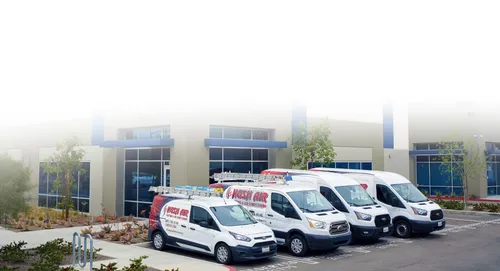
Hush Air Heating & Air Conditioning is a full-service HVAC company based in Riverside, CA. They offer a range of services including air conditioning and heat pump repair, installation of central AC systems, ductless mini splits, and heat pumps. The company also provides indoor air quality evaluations and installs whole-house air filtration and purification systems to improve home environments. Additionally, they service tankless water heaters and offer routine HVAC maintenance to ensure system efficiency and reliability.

Imagine That Heating & Air
6809 Indiana Ave suite 155, Riverside, CA 92506
Imagine That Heating & Air is an HVAC company based in Riverside, CA, providing heating and air conditioning repair, installation, and maintenance services. They serve Riverside and surrounding areas including Victorville, High Desert, and the Inland Empire. Their licensed and NATE-certified technicians offer services such as furnace and air conditioner repairs, duct cleaning, and mini split installations. The company emphasizes quality workmanship and uses best-in-class materials. They also offer a Home Comfort Club Membership for ongoing maintenance. Imagine That Heating & Air is known for clear communication and thorough service, with a focus on customer understanding and customized solutions.
RKM Heating and Air Conditioning
6236 River Crest Dr a, Riverside, CA 92507
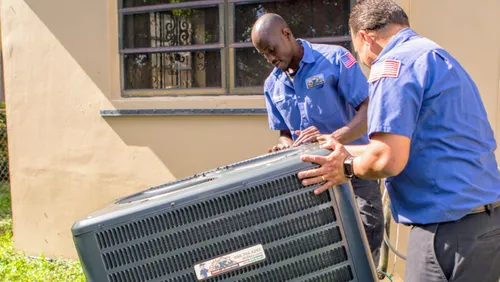
RKM Heating and Air Conditioning is a family-owned HVAC company serving Riverside, CA. They offer a range of services including air conditioning, heating, heat pump, furnace, and mini split installation and repair, as well as indoor air quality solutions. The company also provides commercial HVAC services and routine maintenance programs to help extend equipment life. Founded by two brothers with a vision, RKM has built its reputation on customized solutions and guaranteed work. Their certified technicians handle installations and repairs with a focus on energy efficiency and home comfort.
SoCal Boys Heating & Air
Riverside, CA
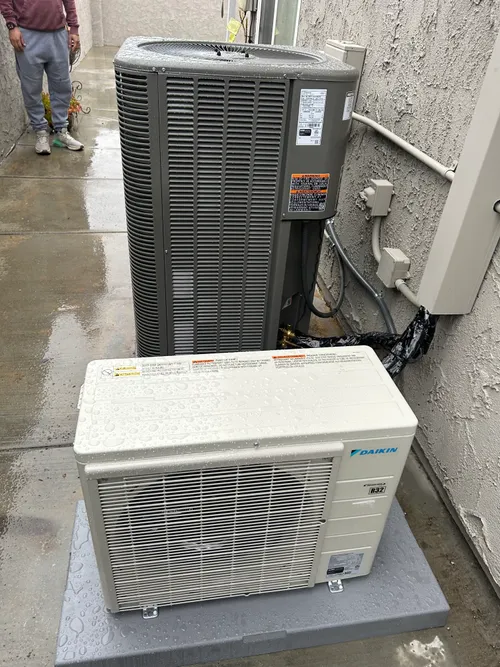
SoCal Boys Heating & Air is a family-owned HVAC company serving Riverside, CA, and the surrounding Inland Empire area. They provide a full range of heating and cooling services including AC, furnace, heat pump, and mini split installation and repair, as well as duct cleaning and thermostat installation. As an authorized Lennox dealer, they offer quality equipment and comprehensive HVAC solutions for both residential and commercial customers. Established in 2022, SoCal Boys offers 24/7 emergency service along with weekend and same-day appointments to address urgent comfort needs promptly.
Fire-N-Ice Air Conditioning • Plumbing
1280 Palmyrita Ave Suites A & B, Riverside, CA 92507
Fire-N-Ice Air Conditioning • Plumbing is an HVAC and plumbing company based in Riverside, CA. They offer services including air conditioning and furnace repair, installation of HVAC systems and mini splits, as well as HVAC tune-ups. The company serves Riverside, Riverside County, Inland Empire, and Orange County, handling both residential and new construction projects. Fire-N-Ice has over 20 years of experience and provides a Comfort Club membership with benefits such as lifetime parts warranty on new systems and discounts on repairs.
Why Choose a Ductless System in Hemet?
Hemet's climate, with its hot, dry summers and mild winters, makes efficient cooling a priority. Traditional central air conditioning relies on extensive ductwork, which can be inefficient due to leaks and heat gain, especially in older homes. A ductless mini-split system offers a targeted alternative. By eliminating ducts entirely, these systems avoid energy losses and provide precise temperature control for individual rooms or "zones." This is perfect for cooling a new master suite, a home office, or a converted living space without the expense and disruption of installing new ducts. For many homes, a multi-zone ductless system can even serve as a whole-home solution, replacing outdated evaporative coolers (swamp coolers) with reliable, year-round comfort.
Understanding Mini-Split System Types
Not all ductless installations are the same. The right system depends on the size of the space and your comfort goals.
- Single-Zone Systems: This is the most straightforward setup, consisting of one indoor air-handling unit connected to one outdoor condenser. It's designed to condition a single room or open area, making it a cost-effective choice for a garage conversion, sunroom, or primary bedroom 1.
- Multi-Zone Systems: A single, more powerful outdoor unit can connect to multiple indoor units (typically 2 to 8 or more). This configuration allows you to independently control the temperature in different rooms or zones. For example, you can keep the living room cool during the day and the bedrooms comfortable at night, all from one efficient system. This is an excellent option for smaller homes without ducts or for supplementing an existing central system in a larger home 2.
Indoor Unit Styles and Placement
The indoor unit is the visible component inside your home, and several styles are available to suit different architectural needs.
- Wall-Mounted: This is the most common and generally most affordable option. The unit is mounted high on a wall, typically 7 to 8 feet from the floor, to allow for optimal air distribution. Professional installers will place it away from direct sunlight and obstructions like tall furniture to ensure even cooling and heating.
- Ceiling Cassette: These units are installed flush within the ceiling, offering a very discreet and sleek appearance. They distribute air in four directions for excellent coverage and are often chosen for main living areas or rooms with contemporary design. Installation is more complex and typically more expensive than a wall-mounted unit 3.
- Floor-Mounted: Designed to sit low on the wall, similar to a baseboard heater, these units are ideal for rooms with sloped ceilings, large windows, or where wall space is limited. They provide gentle, upward airflow and can be a practical solution for certain room layouts 4 5.
The Outdoor Unit: Condenser Setup
The outdoor condenser is the heart of the system. Proper placement and installation are critical for performance, efficiency, and longevity.
- Mounting: The condenser must be placed on a stable, level surface. This is usually a poured concrete pad or specially rated mounting brackets attached to the side of the home. The pad helps reduce vibration and prevents settling.
- Clearance: Adequate space around the unit is non-negotiable for airflow and service access. Most manufacturers require at least 1 to 2 feet of clearance on the sides and back, and 3 to 4 feet above the unit. Installers will also consider local noise ordinances when selecting a location.
- Electrical Connection: Ductless systems require a dedicated electrical circuit, often 240 volts. This work must be performed by a licensed electrician to meet local building codes and ensure safety. The electrical run from your main panel to the outdoor unit is a key part of the installation process.
Find the perfect mini-split installers for your needs
Get personalized recommendations and expert advice
Key Installation Steps and Professional Requirements
A successful ductless mini-split installation is a multi-step process that should always be handled by certified technicians. Here's what a professional job entails:
- Site Evaluation and Load Calculation: A technician will assess your space to determine the correct system size (measured in BTUs), the best locations for indoor and outdoor units, and the route for refrigerant and electrical lines.
- Permitting: Most cities, including Hemet, require permits for HVAC installation to ensure the work meets safety and building codes. A reputable installer will handle this process.
- Mounting and Drilling: The indoor and outdoor units are securely mounted. A small, precise hole (about 3 inches) is drilled through the exterior wall to connect the two units.
- Running Line Sets: The copper refrigerant lines, condensate drain tube, and electrical wiring are run through the wall from the outdoor condenser to the indoor unit. These lines are insulated and sealed to prevent energy loss and moisture issues.
- Electrical Work: A licensed electrician will run the dedicated circuit from your electrical panel to the outdoor unit's disconnect box, then make the final connections 6.
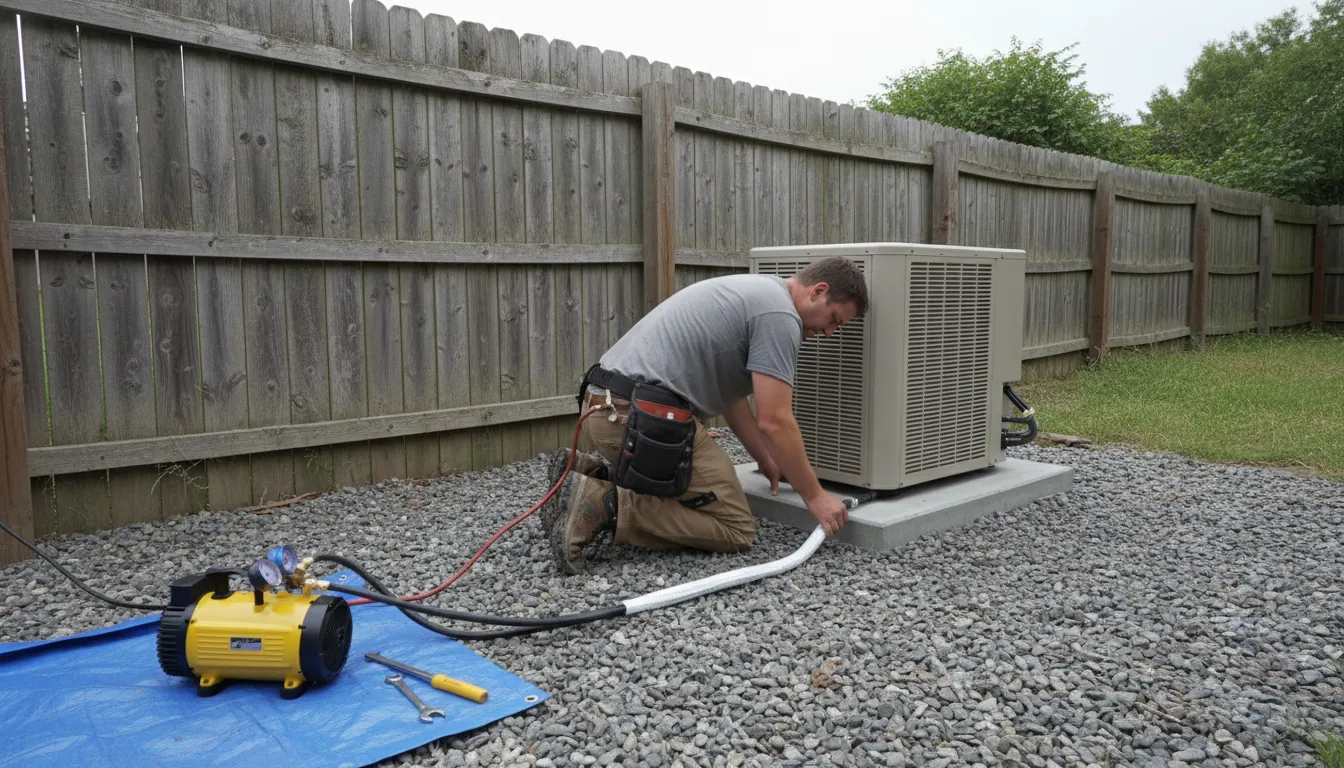
- Vacuum and Charge: The refrigerant lines are evacuated of air and moisture using a high-powered vacuum pump. The system is then charged with the exact amount of refrigerant specified by the manufacturer, which is crucial for peak efficiency and performance 7.
- Testing and Demonstration: The system is powered on and tested in both heating and cooling modes. The installer will check for proper airflow, thermostat operation, and drainage, and then show you how to use your new system.
Cost Considerations for Hemet Homeowners
The cost of a ductless air conditioner installation in Hemet varies based on system complexity, efficiency, and the specifics of your home.
- Single-Zone System: For a basic one-room installation, homeowners can expect costs generally ranging from $2,000 to $5,000, fully installed 8.
- Multi-Zone System: Installing a system with two or three indoor zones typically ranges from $5,000 to $12,000 or more9 10 11.
- Factors Influencing Price:
- System Size and Efficiency: Larger capacity (BTU) and higher-efficiency (SEER/HSPF) units cost more upfront but save on energy bills.
- Labor and Complexity: Difficult installations on multi-story homes, long refrigerant line runs, or complex electrical upgrades will increase labor costs.
- Additional Components: The need for a concrete pad, special mounting brackets, or extensive drywall repair after installation adds to the total.
- Permits and Inspections: Local permit fees are part of the overall project cost.
Investing in a professionally installed ductless mini-split system provides Hemet residents with energy-efficient, zoned comfort without the need for ductwork. The key to maximizing this investment is choosing an experienced installer who can properly size the system, ensure a code-compliant installation, and secure the manufacturer's warranty for long-term peace of mind 12 13.
Frequently asked questions
Sources
Footnotes
-
Heating and Air Conditioning Installation in Hemet, CA - https://www.homedepot.com/services/l/ca/hemet/heating-air-conditioning-installation/c16fbb4b7 ↩
-
Single- Vs. Multi-Zone Ductless Air Conditioning - https://www.meltonhvac.com/articles/single-multi-zone-ductless-air-conditioning ↩
-
How Much Does a Mini-Split Installation Cost? - Taskrabbit Blog - https://www.taskrabbit.com/blog/mini-split-installation-cost/ ↩
-
Mini-Split AC Installation In LA | 30% Energy Savings - https://affordableairla.com/ductless-mini-split-ac-installation/ ↩
-
How Much Does a Mini Split Installation Cost? (2026) - HomeGuide - https://homeguide.com/costs/ductless-mini-split-ac-cost ↩
-
How to Install a Mini Split System - https://www.youtube.com/watch?v=J2nkLRbhfPY&t=99 ↩
-
Ductless Mini Split Setup: An Ultimate Guide - Airflow Heating & Air - https://www.goairflow.com/blog/ductless-mini-split-installation/ ↩
-
Mini Split Installation Cost in 2024 - Alpine Home Air - https://www.alpinehomeair.com/learning-center/ductless-mini-split-systems/cost-to-install-mini-split ↩
-
Ductless Mini-Split Installation Cost in 2025: Full Breakdown - https://osborneheatingncooling.com/ductless-mini-split-installation-cost/ ↩
-
Ductless Mini-Split AC & Heat Pump Systems | San Francisco & Marin - https://www.gbheatingandcooling.com/minisplitsystems.php ↩
-
Mini-Split AC Installation in California - Bonney: Plumbing - https://www.bonney.com/blog/mini-split-ac-cost-california/ ↩
-
Ductless mini-split installation: Cool 2025 Guide - Southern Air - https://www.southern-air.com/blog/ductless-mini-split-installation ↩
-
Ductless Mini Split Installation Costs in 2026 - Carrier - https://www.carrier.com/residential/en/ca/products/ductless-mini-splits/ductless-mini-split-installation-cost/ ↩