Find the Best Mini-Split Installers for Your Business
No obligation • Fast responses • Nationwide coverage

Why you can trust HVAC Firms
HVAC Firms is a leading United States resource for evaluating HVAC service providers. Our team researches companies, checks credentials, and reviews customer feedback to present clear, unbiased information. Listings and rankings are based on merit, and companies cannot pay to change our editorial content.
Search providers near you
Top Mini-Split Installers in Escondido, California Ranked
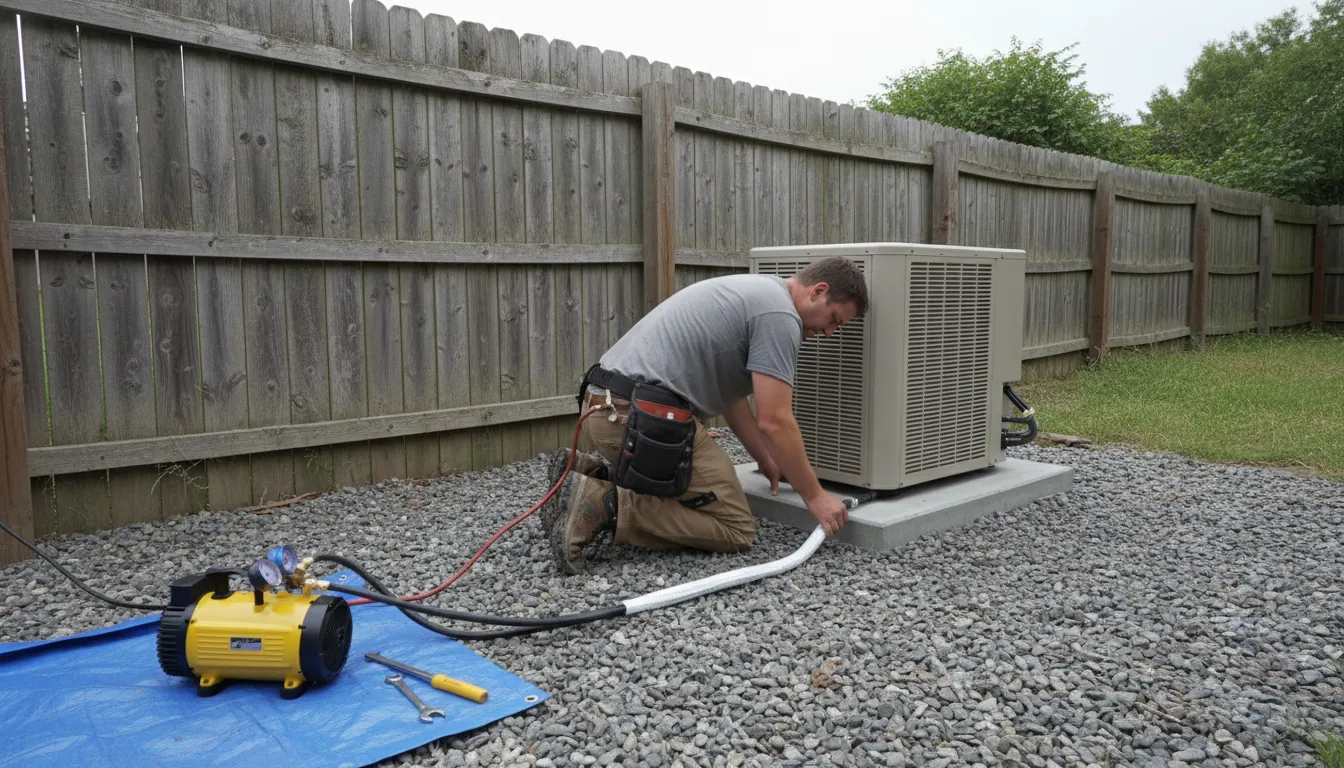
Ductless mini-split systems provide a versatile and efficient solution for heating and cooling homes and businesses in Escondido. These systems are ideal for creating comfortable zones in specific areas without the need for extensive ductwork. This guide will help you understand the key considerations for a successful ductless installation, from system types and placement to costs and professional requirements, empowering you to make informed decisions for your property.
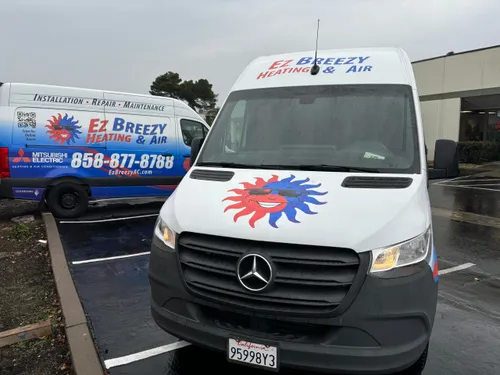
Ez Breezy Heating & Air
5160 Mercury Point Unit B, San Diego, CA 92111
Ez Breezy Heating & Air is an HVAC installation contractor based in San Diego, CA. They specialize in installing air conditioning systems, furnaces, heat pumps, mini splits, and thermostats. The company is an authorized dealer of Trane and Mitsubishi products and is recognized as a Google Nest Pro and Google Guaranteed contractor. Ez Breezy Heating & Air focuses on transparent communication and professional work to build lasting relationships with customers.
Flite Mechanical Heating & Air Professionals
3781 El Canto Dr, Spring Valley, CA 91977
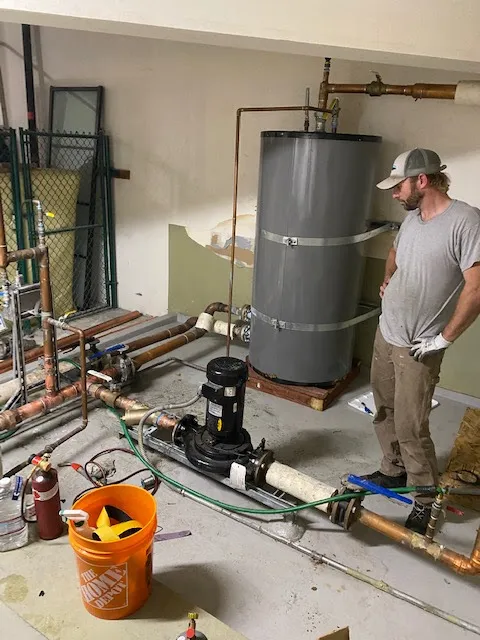
Flite Mechanical Heating & Air Professionals provides HVAC installation, repair, and indoor air quality services in San Diego, CA. They handle air conditioning, furnace, mini split, and new construction HVAC systems. The company is equipped with skilled technicians who focus on accurate and reliable service to maintain comfortable indoor environments year-round. Serving homeowners and businesses in San Diego and nearby areas, Flite Mechanical is committed to supporting both residential and commercial HVAC needs.
Morey Plumbing, Heating, & Cooling, Inc.
7895 Convoy Ct SUITE 13, San Diego, CA 92111
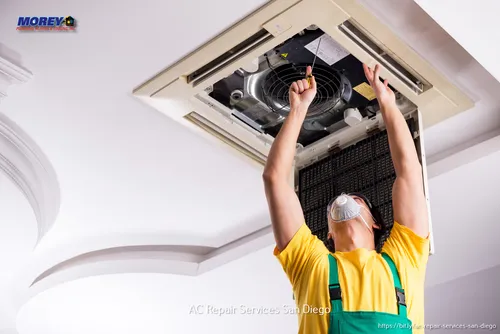
Morey Plumbing, Heating, & Cooling, Inc. is a family-owned HVAC and plumbing contractor serving San Diego, CA. They offer a wide range of services including air conditioning and heating installation, repair, and maintenance, as well as plumbing and water filtration solutions. With over 25 years of experience, the company provides annual maintenance programs and 24-hour emergency service to help maintain system performance and address urgent needs. Their licensed and insured technicians are equipped to handle various HVAC and plumbing projects across the greater San Diego area.
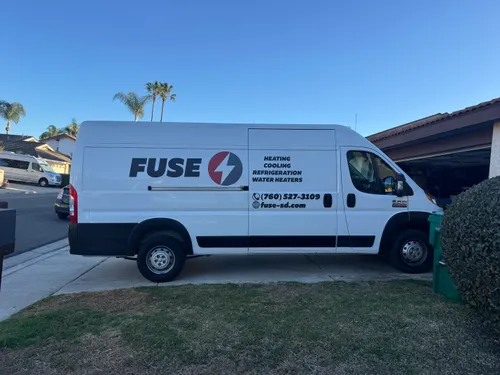
Amaze Service Electrical Air and Heating
9880 Saskatchewan Ave, San Diego, CA 92129
Amaze Service Electrical Air and Heating is an HVAC company based in San Diego, CA. They provide a range of services including air conditioner, furnace, heat pump, and mini split installation and repair, as well as duct cleaning and HVAC tune-ups. The company also offers commercial and residential refrigeration and appliance repair services. One notable capability is their expertise in installing multi-zone Mitsubishi ductless mini-split heat pump systems. The business is fully insured, licensed, and staffed with EPA-certified technicians. They serve San Diego and surrounding communities such as Del Mar, Lakeside, and Rancho San Diego.
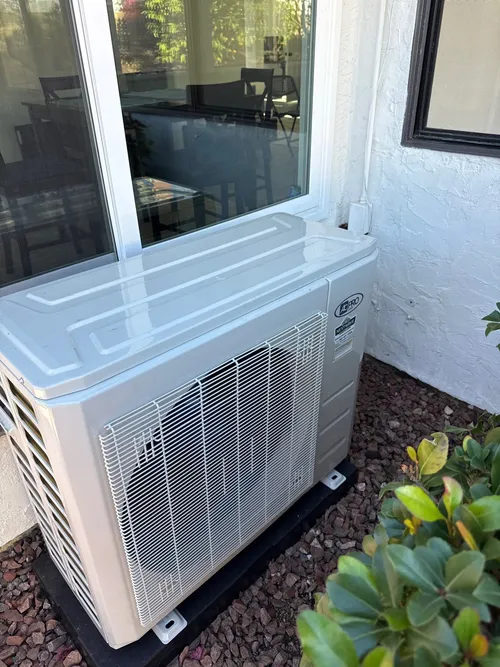
NextWave heating and air
28905 Olive Ln, Valley Center, CA 92082
NextWave Heating and Air is a family-owned HVAC company serving San Diego, CA, with over 40 years of experience. They offer a wide range of services including air conditioning, furnace, heat pump, and mini split installation and repair, as well as indoor air quality solutions. Their expertise includes custom HVAC system design for new construction and remodels, ensuring efficient and code-compliant installations. Founded in 1996 and passed down within the family, NextWave combines traditional values with modern technology to provide reliable home comfort solutions.
Why Choose a Ductless System for Your Escondido Home?
Mini-split systems are an increasingly popular choice in North County San Diego for several compelling reasons. Their primary advantage is zoned comfort, allowing you to heat or cool individual rooms independently. This is not only a matter of personal preference but also leads to significant energy savings, as you avoid conditioning unoccupied spaces. The ductless design makes them perfect for a variety of specific applications common in our area.
- Room Additions and Garages: Adding a sunroom, converting a garage into a living space, or finishing a basement often means extending HVAC to an area without existing ductwork. A ductless mini-split is a clean, efficient solution for these projects 1.
- Whole-Home Comfort: For homes with inconsistent temperatures or hot/cold spots, a multi-zone ductless system can provide targeted comfort control for different areas like bedrooms, living rooms, and home offices.
- Historic Homes: Preserving the architectural integrity of Escondido's older homes is a priority. Ductless systems provide modern comfort without the invasive installation of bulky ducts, keeping original walls and ceilings intact 2.
Understanding System Types: Single-Zone vs. Multi-Zone
The first major decision in planning your installation is determining the scope of your system. The two main configurations cater to different needs.
A Single-Zone System consists of one outdoor condenser unit connected to one indoor air handler. This setup is perfect for conditioning a single room or open area, such as a master bedroom, home office, or great room 3. It's a straightforward and often more affordable option for targeted comfort.
A Multi-Zone System connects multiple indoor air handlers (typically 2 to 5+) to a single, more powerful outdoor unit. Each indoor unit operates independently, allowing you to set different temperatures in the kitchen, living room, and bedrooms simultaneously. This is the go-to choice for whole-home comfort or for efficiently managing several distinct zones without needing multiple outdoor units cluttering your property.
Critical Installation Factor: Indoor Unit Placement
Proper placement of the indoor air handler is crucial for performance, efficiency, and comfort. The goal is to ensure even air distribution throughout the room without creating drafts or dead spots.
- Wall-Mounted Units: This is the most common and versatile style. They should be installed high on a wall, in a central location that allows for unimpeded airflow across the room. Avoid placing them directly above large furniture, behind doors, or where the direct airflow will hit a seating area.
- Alternative Placements: For rooms with specific layouts, other options exist. Ceiling cassette units are recessed into the ceiling and distribute air in four directions, ideal for larger spaces with standard ceiling heights. Floor-mounted units are a good choice for rooms with high, sloped ceilings or extensive glass walls where wall space is limited.
- Key Considerations: Always consider the room's "heat load." Place units in areas that need the most conditioning, such as rooms with lots of windows or southern exposure. For open-concept spaces, strategic placement can often allow a single unit to effectively manage the entire area 4 5.
Find the perfect mini-split installers for your needs
Get personalized recommendations and expert advice
Outdoor Unit and Infrastructure Considerations
The outdoor condenser unit and the connecting infrastructure require careful planning for longevity and efficiency.
- Outdoor Unit Placement: The condenser needs adequate clearance (usually 2-3 feet) on all sides for proper airflow and service access. Choose a location away from direct afternoon sun if possible, and avoid areas prone to excessive dirt, leaves, or debris from landscaping. It should also be placed where operational noise won't be a nuisance to you or your neighbors.
- The Conduit and Electrical Work: A small conduit (typically 3-inch) houses the refrigerant lines, power cable, and condensate drain line, running between the indoor and outdoor units. This is a clean installation but requires a drilled hole. Importantly, most ductless systems require a dedicated electrical circuit. Your home's existing electrical panel may need an upgrade or additional breaker, which adds to the project's complexity and cost 6.
- Condensate Drainage: Like any air conditioner, mini-splits produce condensation. The drain line must be installed with a proper downward slope to allow gravity drainage. If this isn't possible, a condensate pump will be necessary to remove the water.
Understanding Mini-Split Installation Costs in Escondido
The cost of a ductless mini-split installation can vary widely based on system complexity, equipment quality, and home-specific factors. Below is a general cost breakdown to help set expectations 7 8 9.
- Single-Zone System: For a basic one-room system, homeowners can expect costs ranging from $2,500 to $6,000. This covers a standard wall-mounted unit, basic installation, and the outdoor condenser.
- Multi-Zone Systems: Adding zones increases capacity and cost. A 2 to 3-zone system typically ranges from $5,500 to $11,000 or more. For larger homes needing 4 or more zones, costs often start around $8,000 and can exceed $15,000.
- Key Cost Factors:
- System Size & Efficiency: Larger capacity (measured in BTUs) and higher efficiency ratings (SEER2) increase equipment cost but can lower long-term energy bills.
- Brand & Features: Premium brands and units with advanced features like Wi-Fi controls will be at the higher end of the price spectrum.
- Installation Complexity: The need for ceiling cassettes, long refrigerant line runs, challenging wall materials (like stucco or stone), or complex electrical work will raise labor costs.
- Permits & Ancillary Work: Most jurisdictions, including Escondido, require permits for HVAC work. The cost of permits and any necessary electrical panel upgrades are additional factors 10 11.
The Importance of Professional Installation
While DIY kits exist, professional installation is strongly recommended for a ductless mini-split system. A certified technician ensures the system is correctly sized, charged with refrigerant, and installed according to strict electrical and building codes. Proper installation is required to maintain the manufacturer's warranty and is critical for achieving the promised efficiency, reliability, and lifespan of your investment 12. A professional will also handle the permitting process, ensuring your system is legally compliant and safe.
Frequently asked questions
Sources
Footnotes
-
Ductless mini-split installation: Cool 2025 Guide - Southern Air - https://www.southern-air.com/blog/ductless-mini-split-installation ↩
-
Ductless Mini-Splits Escondido CA - https://oakislandac.com/ductless-escondido-ca/ ↩
-
Mini-Split Systems - Easy System Selector | HVACDirect.com - https://hvacdirect.com/easy-system-selector/mini-split-systems.html ↩
-
Mini-Split Placement Guide: Best and Worst Spots for Installation - https://gulfshorecooling.com/mini-split-placement-guide/ ↩
-
Best Place to Install a Ductless Mini Split System - https://jacobsheating.com/blog/mini-split-placement/ ↩
-
Ductless Mini Split Setup: An Ultimate Guide - Airflow Heating & Air - https://www.goairflow.com/blog/ductless-mini-split-installation/ ↩
-
Ductless Mini-Split Installation Cost in 2025: Full Breakdown - https://osborneheatingncooling.com/ductless-mini-split-installation-cost/ ↩
-
Ductless Mini-Splits: A Comprehensive Cost Breakdown - https://www.myfivestarhomeservices.com/ductless-mini-splits-a-comprehensive-cost-breakdown/ ↩
-
Understanding mini split installation costs: A quick guide - Homeaglow - https://www.homeaglow.com/hub/content/mini-split-installation-cost ↩
-
Cost to Install Mini Split AC System in 2025 - https://dellahome.com/blogs/della-blog/cost-to-install-mini-split-ac-system ↩
-
Mini-Split AC Installation in California - Bonney: Plumbing - https://www.bonney.com/blog/mini-split-ac-cost-california/ ↩
-
The Ultimate HVAC Mini Split Installation Guide - https://ashburnhvac.com/the-ultimate-hvac-mini-split-installation-guide/ ↩