Find the Best Mini-Split Installers for Your Business
No obligation • Fast responses • Nationwide coverage

Why you can trust HVAC Firms
HVAC Firms is a leading United States resource for evaluating HVAC service providers. Our team researches companies, checks credentials, and reviews customer feedback to present clear, unbiased information. Listings and rankings are based on merit, and companies cannot pay to change our editorial content.
Search providers near you
Top Mini-Split Installers in Chino, California Ranked
A ductless mini-split system is an efficient heating and cooling solution perfect for homes without existing ductwork or for adding comfort to specific rooms. These systems provide zoned climate control, allowing you to manage temperatures in individual areas like a new addition, a sunroom, or a converted garage, which can lead to significant energy savings. This guide will help you understand the process, benefits, and key considerations for installing a mini-split in your Chino home, connecting you with the information needed to plan your project with a qualified local specialist.
Air Care
30211 Avenida de las Banderas #200, Rancho Santa Margarita, CA 92688
Air Care is a veteran-owned heating and air conditioning company based in Long Beach, CA. They provide residential HVAC services including air conditioning repair, furnace repair, mini split installation, HVAC tune-ups, and indoor air quality solutions. Serving Long Beach and the surrounding Orange County areas, Air Care offers 24/7 emergency services to address heating and cooling issues promptly. Their technicians are licensed, trained, and certified, ensuring professional and reliable workmanship. The company emphasizes quality and integrity in all their services and partners with top brands like Trane to deliver high-quality products.
1st Choice Heating & Air Conditioning, Inc.
23372 Madero Suite B, Mission Viejo, CA 92691
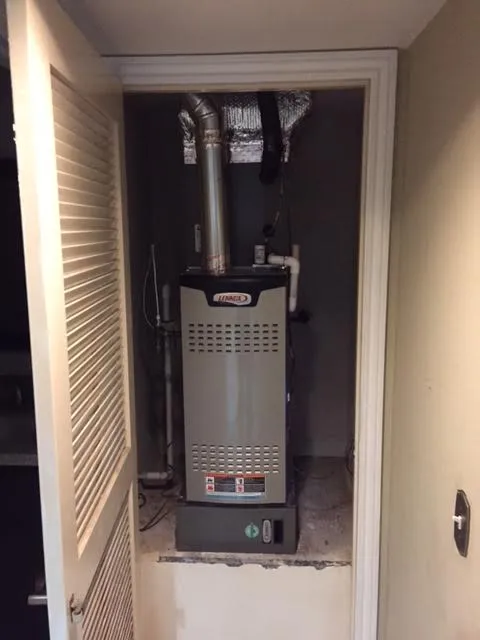
1st Choice Heating & Air Conditioning, Inc. provides a wide range of HVAC services in Anaheim, CA. Their offerings include installation, repair, and maintenance of air conditioners, furnaces, heat pumps, mini-split systems, and thermostats, along with indoor air quality solutions. As a Lennox Premier Dealer and recipient of the Centurion Award, they specialize in Lennox products and deliver energy-efficient heating and cooling systems. Their technicians are trained to handle various HVAC needs, from tune-ups to system replacements, ensuring comfort throughout the year.
Sano Heating & Air Conditioning
5546 E La Palma Ave, Anaheim, CA 92807
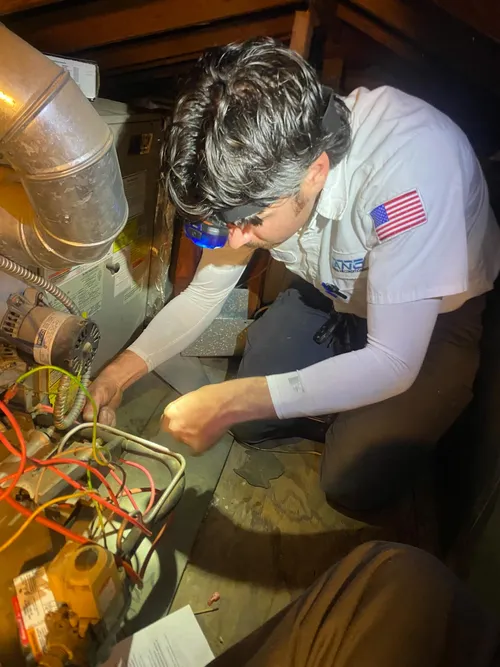
Sano Heating & Air Conditioning is an HVAC company based in Anaheim, CA, providing a range of heating and cooling services. They offer repair and installation for air conditioners, furnaces, heat pumps, mini splits, and perform HVAC tune-ups. The company also specializes in indoor air quality solutions and energy-efficient options like ductless and zoned systems. Serving Anaheim and the surrounding Orange County area, they handle new construction projects and have sheet metal capabilities to support their HVAC services.

Comfort Time Plumbing Heating & Cooling
8038 Freestone Ave, Santa Fe Springs, CA 90670
Comfort Time Plumbing Heating & Cooling is a family-owned company based in Los Angeles, CA, providing comprehensive HVAC and plumbing services for homes and businesses. They specialize in the repair and installation of air conditioning, furnaces, heat pumps, boilers, mini splits, and commercial refrigeration systems. Comfort Time Plumbing Heating & Cooling offers same-day service and uses advanced techniques such as trenchless sewer line replacement to address plumbing issues efficiently. Since 2008, they have served the local community with trained technicians who maintain up-to-date certifications and prioritize respect for customers' homes.
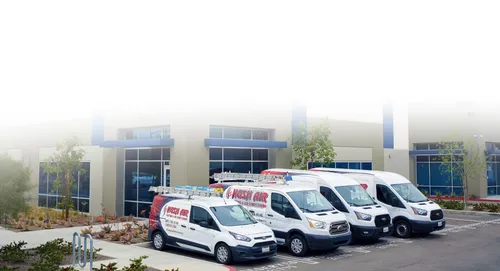
Hush Air Heating & Air Conditioning
21790 Van Buren Boulevard Ste 104, Riverside, CA 92518
Hush Air Heating & Air Conditioning is a full-service HVAC company based in Riverside, CA. They offer a range of services including air conditioning and heat pump repair, installation of central AC systems, ductless mini splits, and heat pumps. The company also provides indoor air quality evaluations and installs whole-house air filtration and purification systems to improve home environments. Additionally, they service tankless water heaters and offer routine HVAC maintenance to ensure system efficiency and reliability.
Understanding Ductless Mini-Split Systems
Often called ductless heat pumps or simply ductless AC, a mini-split system consists of two main components: a quiet outdoor compressor/condenser and one or more sleek indoor air-handling units. They are connected by a small conduit that houses refrigerant lines, power cables, and a condensate drain, requiring only a three-inch hole through an exterior wall. This design makes them an ideal retrofit solution for older Chino homes built without central air ducts, room additions, or spaces like garages and workshops where extending ductwork is impractical or prohibitively expensive.
The primary advantage of a ductless installation is zoned comfort. Unlike a traditional central system that cools or heats the entire house to one temperature, you can install multiple indoor units connected to a single outdoor unit. This allows you to set different temperatures for your living room, home office, and bedrooms, conditioning only the spaces you're using. This targeted operation avoids wasting energy on empty rooms, which can be a major benefit for managing Chino's warm summers and mild winters efficiently.
Ideal Applications for Chino Homes
Ductless mini-split systems are exceptionally versatile. Here are the most common scenarios where they are the optimal choice for homeowners in the area:
- Homes Without Ductwork: Many charming older homes in Chino lack the infrastructure for forced-air systems. A ductless system provides whole-home comfort without the massive renovation required to install ducts.
- Room Additions & Sunrooms: Adding a family room, master suite, or enclosing a patio? A mini-split is a perfect, self-contained solution for heating and cooling the new space without overburdening your existing HVAC system.
- Converted Garages & Workshops: Turning a garage into a living space, gym, or hobby room? These spaces often lack any climate control, making a ductless unit an ideal and efficient addition.
- Solving Hot/Cold Spots: Is your upstairs bedroom always too warm? A single-zone mini-split can provide supplemental cooling directly to that problem area.
- Improving Home Efficiency: By providing zoned control, you can reduce the runtime of a less efficient, older central system, potentially lowering your overall energy bills.
Key Considerations for Installation Placement
Professional installation is critical for performance, efficiency, and warranty validity. A key part of that service is determining the optimal placement for both the indoor and outdoor units.
Indoor Unit Placement
The location of the wall-mounted indoor unit directly impacts air distribution and comfort.
- High on a Wall: Installers typically mount the unit high on an interior wall, as cool air naturally falls. This allows for the best circulation throughout the room1 2.
- Central Location: Choose a spot near the center of the room for the most even temperature distribution. Avoid placing it directly above heat-producing appliances or electronics.
- Clear of Obstructions: Ensure there is at least 6-8 feet of clear space in front of the unit and that it is not blocked by furniture, curtains, or shelves. Airflow should not be directed directly at a seating or sleeping area for comfort.
- Accessibility: The unit should be placed where the filter is easily accessible for regular cleaning, which is essential for maintaining efficiency and air quality.
Outdoor Unit (Condenser) Placement
The outdoor compressor requires careful siting for longevity and efficiency.
- Shaded Area: Whenever possible, place the condenser in a shaded location. This prevents it from overheating in the Chino sun, which helps it run more efficiently and extends its lifespan.
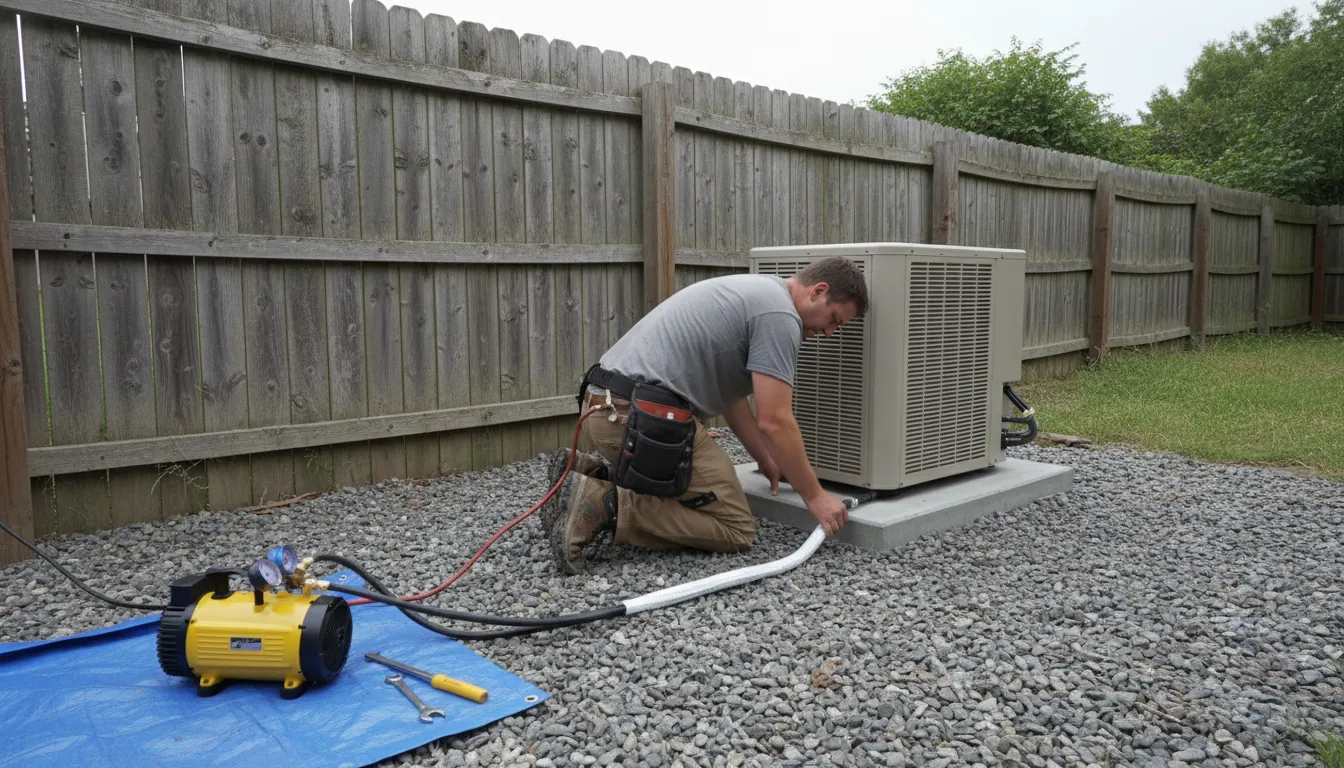
- Clearance for Airflow: The unit needs ample space for proper air intake and exhaust. Installers will ensure it is placed at least 1-2 feet away from any walls, fences, or shrubbery3.
- Solid Mounting Surface: It must be placed on a stable, level pad, such as a concrete slab or dedicated composite mounting feet, to minimize vibration and noise.
- Proximity to Indoor Unit: While the flexible linesets can cover significant distance, keeping a reasonable run between the indoor and outdoor units (typically within 50 feet) helps maintain system efficiency and can reduce installation complexity.
Find the perfect mini-split installers for your needs
Get personalized recommendations and expert advice
The Professional Installation Process
A proper ductless mini-split setup is not a DIY project. It requires HVAC expertise to ensure safety, efficiency, and compliance with local codes. Here's what a professional installation in Chino typically involves:
- Site Evaluation & Load Calculation: A technician will assess your home, determine the heating and cooling needs (BTU requirements) for each zone, and recommend the appropriately sized system.
- Permitting: Reputable installers will pull the required local permits for the electrical and mechanical work, ensuring the installation meets Chino and California building codes4.
- Mounting the Units: The indoor wall unit(s) and outdoor condenser are securely mounted in their predetermined optimal locations.
- Drilling & Running Linesets: A small, clean hole (about 3 inches) is drilled through the exterior wall. The refrigerant lineset (containing copper tubing and insulation), condensate drain line, and electrical wiring are run through the conduit from the outdoor to the indoor unit.
- Electrical Connection: A dedicated electrical circuit is typically run from your home's main panel to the outdoor unit to handle the system's power requirements.
- Sealing & Vacuuming: The lineset connections are meticulously sealed. A powerful vacuum pump is then used to remove all moisture and air from the refrigerant lines, a critical step for system longevity and performance5.
- System Charging & Testing: The system is charged with the correct type and amount of refrigerant. The installer will then test all functions-cooling, heating, fan speeds, and the thermostat-to ensure everything operates correctly and efficiently.
Understanding Installation Costs in Chino
The cost for a ductless mini-split installation varies based on system complexity, capacity, and efficiency. The figures below are estimates to help you budget; a detailed quote from a local provider will give you the most accurate price for your specific project.
- Single-Zone System (1 indoor unit): This is a common choice for one room or a small space. Installation costs in the Chino area typically range from $2,500 to $6,000 6. The final price depends on the unit's BTU capacity and SEER (Seasonal Energy Efficiency Ratio) rating.
- Multi-Zone Systems: These use one outdoor condenser to power multiple indoor units.
- 2-Zone System: Ideal for cooling two bedrooms or a small open-plan area. Estimated cost range: $4,500 to $8,000.
- 3-Zone System: Suitable for a medium-sized home or three distinct spaces. Estimated cost range: $6,500 to $11,000 7.
Factors Influencing Cost:
- System Size & Efficiency: Higher BTU capacity and higher SEER ratings (indicating greater efficiency) increase equipment costs.
- Brand: Premium brands may cost more upfront but can offer better reliability and features.
- Labor Complexity: Installations requiring longer refrigerant line runs, additional electrical work, or complex mounting solutions will increase labor time and cost.
- Permits & Inspections: Local permit fees are a standard part of a professional installation.
Frequently asked questions
Sources
Footnotes
-
Mini-Split Placement Guide: Best and Worst Spots for Installation - https://gulfshorecooling.com/mini-split-placement-guide/ ↩
-
Best Place to Install a Ductless Mini Split System - https://jacobsheating.com/blog/mini-split-placement/ ↩
-
Best Mini Split AC Installation Location - Carrier - https://www.carrier.com/residential/en/us/products/ductless-mini-splits/install-ductless-ac/best-mini-split-placement/ ↩
-
Ductless mini-split installation: Cool 2025 Guide - Southern Air - https://www.southern-air.com/blog/ductless-mini-split-installation ↩
-
Ductless Mini Split Setup: An Ultimate Guide - Airflow Heating & Air - https://www.goairflow.com/blog/ductless-mini-split-installation/ ↩
-
Understanding mini split installation costs: A quick guide - Homeaglow - https://www.homeaglow.com/hub/content/mini-split-installation-cost ↩
-
Cost to Install Mini Split AC System in 2025 - https://dellahome.com/blogs/della-blog/cost-to-install-mini-split-ac-system ↩
-
Ductless Mini-Split Installation Cost in 2025: Full Breakdown - https://osborneheatingncooling.com/ductless-mini-split-installation-cost/ ↩
-
Mini-Split AC Installation in California - Bonney: Plumbing - https://www.bonney.com/blog/mini-split-ac-cost-california/ ↩