Find the Best Geothermal Heat Pump Contractors for Your Business
No obligation • Fast responses • Nationwide coverage

Why you can trust HVAC Firms
HVAC Firms is a leading United States resource for evaluating HVAC service providers. Our team researches companies, checks credentials, and reviews customer feedback to present clear, unbiased information. Listings and rankings are based on merit, and companies cannot pay to change our editorial content.
Search providers near you
Top Geothermal Heat Pump Contractors in Round Rock, Texas Ranked
Geothermal heat pumps, also known as ground-source heat pumps, are a highly efficient method for heating and cooling your home by leveraging the earth's stable underground temperature. For homeowners in Round Rock, this technology offers a powerful way to slash energy bills and reduce environmental impact, despite a higher initial investment. This guide explains how geothermal systems work, what installation entails, and how you can find qualified local professionals to assess your property and install a system tailored to your home's needs.
Proven Plumbing & Air
300 Brushy Creek Rd Suite 402, Cedar Park, TX 78613
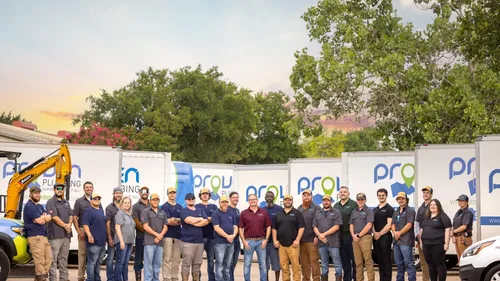
Proven Plumbing & Air is an HVAC and plumbing service provider based in Austin, TX. They offer a range of services including air conditioning, furnace, heat pump, boiler, mini split, and geothermal heat pump installation and repair, along with HVAC tune-up services. The company emphasizes the use of advanced technology and clear communication to support their work. Proven Plumbing & Air aims to provide reliable home service with well-organized teams and equipment.
Petrocelli Services Inc.
12000 Trails End Rd, Leander, TX 78641
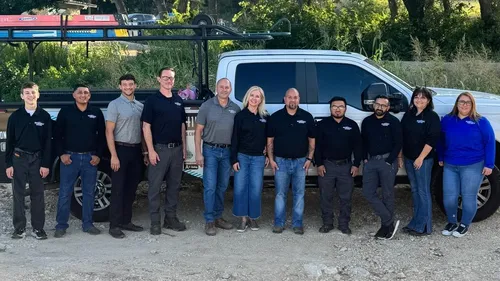
Petrocelli Services Inc. is a full-service HVAC company located in Austin, TX. They provide sales, installation, and repair services for residential and commercial heating and cooling systems, including air conditioners, furnaces, heat pumps, boilers, mini splits, and geothermal heat pumps. Established in 1990, Petrocelli Services has been serving Austin and nearby areas such as Round Rock and Cedar Park for over three decades.
TX Central Services LLC
1011 S Heatherwilde Blvd #220, Pflugerville, TX 78660
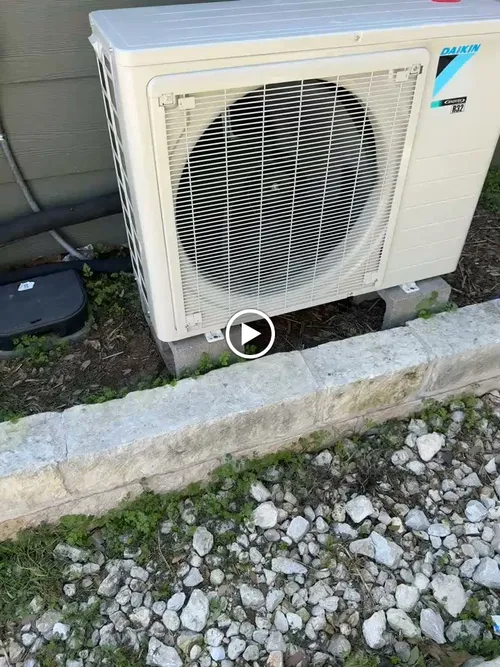
TX Central Services LLC provides comprehensive HVAC services in Austin, TX. They handle maintenance, repairs, and installations for air conditioners, furnaces, heat pumps, boilers, mini splits, and geothermal heat pumps. Their team is skilled in both small repairs and large-scale HVAC installations, ensuring systems operate efficiently and reliably.
Hot Rod Mechanical, Inc.
10706 FM1625, Austin, TX 78747
Hot Rod Mechanical, Inc. is an HVAC and mechanical service provider based in Austin, TX. With 19 years of industry experience, they offer a wide range of services including HVAC installation and repair, boiler service and installation, specialty welding, hot tapping, pipe freezing, and natural gas piping systems. Their capabilities include boiler and pressure vessel welding, supporting both residential and industrial needs.
How Geothermal Heating and Cooling Works
A geothermal system capitalizes on a simple fact: just a few feet below the surface, the earth in Texas maintains a remarkably stable temperature between 50°F and 60°F year-round. This consistency is the system's powerhouse. Unlike air-source heat pumps that struggle with Austin's summer heat and occasional winter chills, a ground-source heat pump uses the ground as a reliable heat source in winter and a heat sink in summer.
The process involves a closed-loop system of pipes, called a ground loop, buried in your yard. A water-based solution circulates through these pipes. During the winter, the fluid absorbs the earth's natural warmth and carries it to an indoor heat pump unit. The heat pump concentrates this thermal energy and distributes warm air throughout your home via ductwork. In the summer, the system reverses: it extracts heat from your home's air, transfers it to the circulating fluid, and disperses it into the cooler ground, leaving your home comfortably cooled 1. This elegant heat exchange process is what makes geothermal technology so exceptionally efficient.
Types of Ground Loop Systems
The design of the underground loop field is a critical decision in your geothermal installation. The right choice depends heavily on your property's characteristics, such as lot size and soil composition. There are three primary configurations used in the Round Rock area.
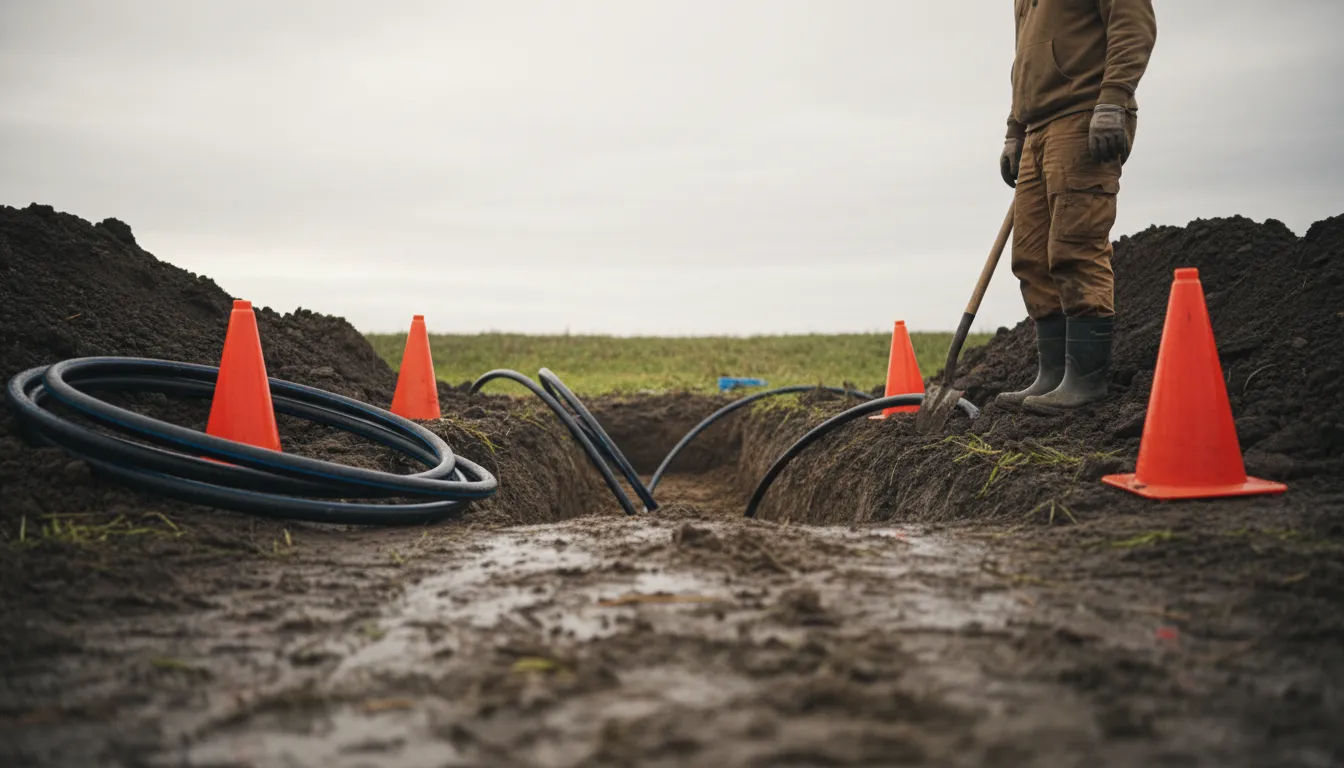
Horizontal Closed Loops: This is often the most cost-effective option if space allows. Contractors dig trenches six to eight feet deep in long, parallel rows. Pipes are laid in these trenches before they are backfilled. A significant land area is required-typically between 2,000 and 3,000 square feet-making it a good fit for homes with larger, unobstructed yards 2 3.
Vertical Closed Loops: For homes with smaller lots, which is common in many Round Rock neighborhoods, vertical loops are the standard solution. Contractors use a drilling rig to bore holes 150 to 400 feet deep. U-shaped pipe loops are inserted into each borehole, which are then grouted. This method minimizes landscape disruption and is excellent for achieving the necessary heat exchange capacity in a compact area.
Open Loop Systems: This system uses groundwater from a well as the direct heat exchange fluid. After passing through the heat pump, the water is returned to the ground via a recharge well or discharged on the surface (where local codes permit). While potentially very efficient, open loops depend entirely on having a sufficient supply of clean, high-quality well water available and may not be feasible in all locations.
The Geothermal Installation Process
Installing a residential geothermal system is a significant project that requires careful planning and expert execution. Understanding the steps can help you prepare for the process.
-
Initial Site Assessment and Design: A qualified installer will begin with a thorough evaluation of your property. This includes assessing soil conditions, available space, and your home's heating and cooling load (calculated using factors like square footage, insulation, and window types). They will also locate underground utilities. This data is used to design the most effective and efficient loop field and select the properly sized heat pump unit.
-
Loop Field Installation: This is the most substantial phase of the project. For a vertical system, a drilling rig will be brought in to create the necessary boreholes. For a horizontal system, trenching equipment will excavate the yard. The high-density polyethylene pipes are then placed, connected into a manifold, and pressure-tested to ensure there are no leaks before being buried or grouted 4.
-
Indoor Unit and Connection: The indoor geothermal heat pump unit is installed, typically in a basement, garage, or mechanical closet. This unit is connected to the underground loop field and to your home's existing ductwork or hydronic distribution system. An experienced technician will ensure all electrical and refrigerant connections meet strict standards 5.
-
System Charging, Testing, and Commissioning: The loop is filled with the heat transfer fluid and purged of air. The entire system is then started, tested, and balanced. The contractor will verify that heating and cooling modes are working correctly, check refrigerant levels, and ensure the system is operating at peak efficiency before handing it over to you 6.
Find the perfect geothermal heat pump contractors for your needs
Get personalized recommendations and expert advice
Key Considerations for Round Rock Homeowners
Before investing in a geothermal heat pump, several local factors are worth careful consideration to ensure it's the right long-term decision for your home.
Cost vs. Long-Term Savings: The most significant barrier is the upfront cost. A complete geothermal system installation in Round Rock typically ranges from $20,000 to over $40,000, influenced by loop type, drilling depth, and home size 7 8 9. However, the operational savings are dramatic. Homeowners can expect to reduce their heating and cooling energy consumption by 40% to 70% compared to traditional HVAC systems 7 8 10. This often leads to a payback period, or return on investment (ROI), of 5 to 10 years, after which the ongoing savings go directly into your pocket 7 11.
Property Suitability: Your lot size and layout will dictate the feasible loop type. Many suburban lots in Round Rock may necessitate the use of more expensive vertical boreholes due to space constraints. A reputable installer will clearly explain your options during the initial assessment.
The Critical Role of Installation Quality: A geothermal system is a long-term investment designed to last for decades. Its performance and reliability are directly tied to the quality of the design and installation. Choosing an experienced, certified local contractor with a proven track record in geothermal work is not just a recommendation-it is essential. Proper sizing, loop installation, and system commissioning are what unlock the promised efficiency and savings 12 13.
Financial Outlook and Incentives
While the sticker price is high, the financial narrative for geothermal is one of high initial cost followed by sustained relief. The dramatic reduction in monthly utility bills is the primary driver of the system's value. For a typical Round Rock home, switching from a conventional system to a geothermal heat pump can cut hundreds of dollars off annual energy expenses.
Furthermore, these systems often qualify for various incentives that can improve the economics. It's crucial to research current federal tax credits for renewable energy installations, as these can substantially lower your net cost. Occasionally, state or local utility rebates may also be available, making it important to discuss all potential incentives with your installer during the planning phase.
Frequently asked questions
Sources
Footnotes
-
Geothermal Heat Pumps | AC Express - https://www.austinacexpress.com/blog/geothermal-heat-pumps ↩
-
Geothermal heating & cooling, heat pumps, heat exchange loops - How it works - https://aztechgeo.com/residential-geothermal/how-it-works/ ↩
-
All You Need to Know About Home Geothermal Heating & Cooling - https://dandelionenergy.com/all-you-need-to-know-about-home-geothermal-heating-cooling ↩
-
Geothermal Heat Pumps - EnergySmart CNY - https://www.energysmartcny.org/heat-pumps/geothermal/ ↩
-
How a Geothermal Heat Pump Works | This Old House - https://www.youtube.com/watch?v=d5Tbsx3R2T8 ↩
-
Geothermal Installation Steps Explained - https://ultrageothermal.com/geothermal-installation-steps-explained/ ↩
-
5 Things You Should Know about Geothermal Heat Pumps - https://www.energy.gov/cmei/articles/5-things-you-should-know-about-geothermal-heat-pumps ↩ ↩2 ↩3
-
Geothermal Heat Pumps - Department of Energy - https://www.energy.gov/energysaver/geothermal-heat-pumps ↩ ↩2
-
Geothermal Heat Pump Guide: Installation Costs, Types And Benefits - https://modernize.com/hvac/heating-repair-installation/heat-pump/geothermal ↩
-
How Does A Geothermal Heat Pump Work? Complete 2025 Guide - https://solartechonline.com/blog/how-does-geothermal-heat-pump-work/ ↩
-
Geothermal HVAC: Feasibility & ROI - https://jupitairhvac.com/blog/geothermal-hvac-systems-feasibility-north-texas/ ↩
-
Geothermal Heat Pump Installation: What To Expect For Your Property - https://jomory.com/geothermal-heat-pump-installation-what-to-expect-for-your-property/ ↩
-
About Geothermal Heat Pumps and Geothermal Cooling - Houston TX - http://earthpowerac.com/about-geo-in-texas/ ↩