
Find the Best Geothermal Heat Pump Contractors for Your Business
No obligation • Fast responses • Nationwide coverage

Why you can trust HVAC Firms
HVAC Firms is a leading United States resource for evaluating HVAC service providers. Our team researches companies, checks credentials, and reviews customer feedback to present clear, unbiased information. Listings and rankings are based on merit, and companies cannot pay to change our editorial content.
Search providers near you
Top Geothermal Heat Pump Contractors in Austin, Texas Ranked
Geothermal heat pump systems, often called ground-source heat pumps, offer a remarkably efficient way to heat and cool your Austin home by tapping into the earth's stable underground temperature. This technology moves existing heat rather than generating it from scratch, leading to substantial energy savings and a smaller environmental footprint. For Austin homeowners, understanding the local installation process, system types, and long-term benefits is key to making an informed decision. This guide will help you navigate the essentials of geothermal technology and connect with qualified local experts for your project.

Proven Plumbing & Air
300 Brushy Creek Rd Suite 402, Cedar Park, TX 78613
Proven Plumbing & Air is an HVAC and plumbing service provider based in Austin, TX. They offer a range of services including air conditioning, furnace, heat pump, boiler, mini split, and geothermal heat pump installation and repair, along with HVAC tune-up services. The company emphasizes the use of advanced technology and clear communication to support their work. Proven Plumbing & Air aims to provide reliable home service with well-organized teams and equipment.
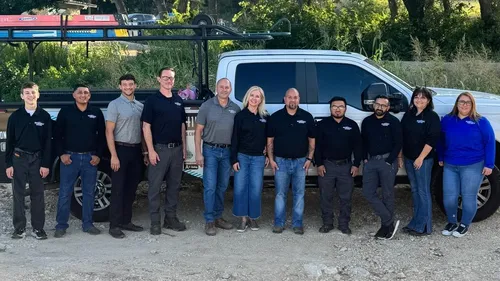
Petrocelli Services Inc.
12000 Trails End Rd, Leander, TX 78641
Petrocelli Services Inc. is a full-service HVAC company located in Austin, TX. They provide sales, installation, and repair services for residential and commercial heating and cooling systems, including air conditioners, furnaces, heat pumps, boilers, mini splits, and geothermal heat pumps. Established in 1990, Petrocelli Services has been serving Austin and nearby areas such as Round Rock and Cedar Park for over three decades.
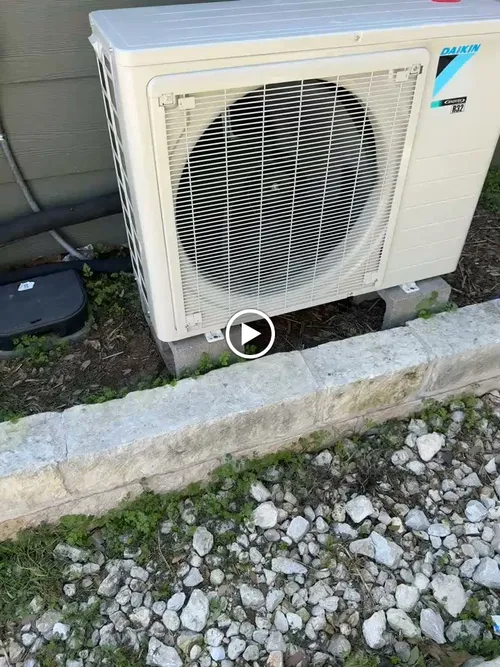
TX Central Services LLC
1011 S Heatherwilde Blvd #220, Pflugerville, TX 78660
TX Central Services LLC provides comprehensive HVAC services in Austin, TX. They handle maintenance, repairs, and installations for air conditioners, furnaces, heat pumps, boilers, mini splits, and geothermal heat pumps. Their team is skilled in both small repairs and large-scale HVAC installations, ensuring systems operate efficiently and reliably.
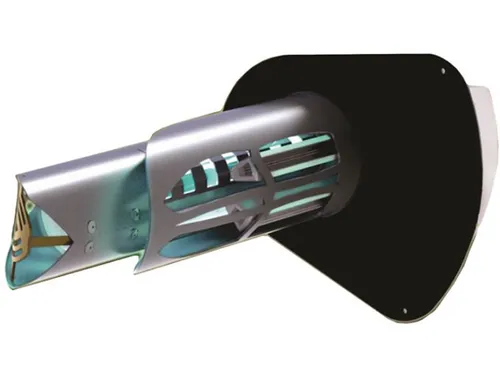
Hot Rod Mechanical, Inc.
10706 FM1625, Austin, TX 78747
Hot Rod Mechanical, Inc. is an HVAC and mechanical service provider based in Austin, TX. With 19 years of industry experience, they offer a wide range of services including HVAC installation and repair, boiler service and installation, specialty welding, hot tapping, pipe freezing, and natural gas piping systems. Their capabilities include boiler and pressure vessel welding, supporting both residential and industrial needs.
How Geothermal Systems Work in Austin's Climate
At its core, a geothermal heating and cooling system is a heat exchange unit connected to a series of underground pipes, known as a ground loop. The magic lies in the earth's consistent temperature, which remains around 50-60°F year-round just a few feet below the surface here in Texas. This thermal stability is the system's powerhouse.
During the winter, a fluid circulating through the buried loop absorbs this gentle, steady warmth from the ground. The heat pump inside your home then concentrates this low-grade heat and distributes it through your ductwork or radiant floor system. In the summer, the process elegantly reverses: the system extracts heat and humidity from your indoor air and transfers it into the cooler earth via the loop, providing air conditioning. Because it's primarily moving heat rather than creating it through combustion or intense electrical resistance, a geothermal unit can deliver over three units of heating or cooling for every one unit of electricity it consumes.
Types of Ground Loop Systems
The underground portion of the system is critical, and the right configuration depends on your property's characteristics. The two most common types are closed-loop systems.
Horizontal Closed-Loop This configuration is often the most cost-effective for properties with ample yard space. Contractors use backhoes to dig trenches four to six feet deep and several hundred feet long 1. Pipes are laid in these trenches in a slinky-like coil or straight-run pattern before being backfilled. This method is frequently chosen for new construction where the land is already being excavated 2.
Vertical Closed-Loop For homes with smaller lots, which is common in many Austin neighborhoods, a vertical loop is the typical solution. Installation crews use a drilling rig to bore holes 150 to 400 feet deep. A single U-shaped pipe is inserted into each borehole, which is then filled with a special grout to ensure good thermal conductivity. While the drilling equipment can be substantial, this method minimizes surface disruption and is excellent for rocky soil.
Two other, less common options exist:
- Pond/Lake Loop: If you have a sufficient body of water on your property, coils of pipe can be submerged at the bottom. This can be a very efficient and lower-cost installation method if conditions are right 3.
- Open-Loop System: This system uses groundwater from a well as the heat exchange fluid, circulating it directly through the heat pump before discharging it. Its feasibility is highly dependent on local water quality and regulations 4.
The Geothermal Installation Process: What to Expect
Installing a ground-source heat pump is a significant project that requires specialized expertise. Here's a step-by-step overview of what a professional installation entails in Austin.
-
Site Evaluation and Design: A qualified installer will first assess your property. They'll evaluate soil composition, available land area, and your home's heating and cooling loads to determine the optimal loop type and size. This planning stage is crucial for long-term system efficiency.
-
Ground Loop Installation: This is the major outdoor phase. For a horizontal system, expect trenching machinery in your yard. For a vertical system, a drilling rig will be on site. This phase involves the most visible disruption but is usually completed within a few days.
-
Indoor Unit Setup: The geothermal heat pump unit itself is typically installed indoors, similar to a traditional furnace. Your installer will connect it to your home's existing ductwork or to a new hydronic system for radiant floor heating 5.
-
Connection and Commissioning: The indoor and outdoor systems are linked. The loop is pressurized and tested for leaks, the system is charged with refrigerant, and all electrical and control connections are made. Finally, the installer will start up the system, calibrate it, and ensure it's operating at peak performance.
Find the perfect geothermal heat pump contractors for your needs
Get personalized recommendations and expert advice
Key Considerations for Austin Homeowners
Before committing to a geothermal system, several local factors are worth careful thought.
- Property Space: Horizontal loops require a significant amount of open land. Vertical loops need less surface area but require access for large drilling equipment. Your installer's initial site survey will address this 6.
- Soil and Rock Conditions: Austin's soil varies from clay to limestone bedrock. Soil thermal conductivity affects loop length, and rock can increase drilling costs for vertical systems 7 8.
- Existing Infrastructure: The project may be simpler if your home already has compatible ductwork. Retrofits in homes with radiant heat or no ducts are still possible but may involve more interior work.
- Landscaping Impact: Trenching or drilling will affect your yard. Reputable installers will carefully plan the loop path to minimize impact and restore your landscaping after installation.
Understanding Costs and Long-Term Savings
The upfront investment for a geothermal heat pump system is higher than for a conventional HVAC system. In Austin, complete installation costs for a typical residential property can range from $20,000 to over $50,000, depending on system size, loop type, and site-specific challenges 9.
However, the operational savings are where geothermal shines. Homeowners can typically expect a 50-70% reduction in energy bills for heating and cooling compared to standard systems 10 11 12. For example, a home with a $300 monthly cooling bill in the summer might see that cost drop to $90-$150 with a geothermal system 10 13. These savings accumulate significantly over the system's lifespan, which often exceeds 20 years for the indoor unit and 50+ years for the underground loops 14.
To improve affordability, take advantage of federal tax incentives. As of 2025, a federal tax credit is available for qualifying geothermal heat pump installations, which can directly reduce your tax liability and improve the return on investment. Your local installer can provide the most current information on available rebates and credits.
Benefits Beyond the Bill
While energy savings are a major draw, geothermal systems offer other compelling advantages for Austin residents:
- Durability and Longevity: With most components protected indoors or underground, these systems are less exposed to weather, leading to fewer repairs and a longer service life.
- Quiet Operation: Without a loud outdoor condenser unit, geothermal systems run very quietly.
- Improved Comfort: They provide consistent, even heating and cooling without the drafts or temperature swings common with traditional systems.
- Hot Water Generation: Many systems include a "desuperheater" that can provide a significant portion of your home's hot water for free, especially in the summer 15 16.
- Low Maintenance: Annual check-ups are recommended, but the systems have fewer mechanical components subject to wear and tear.
Frequently asked questions
Sources
Footnotes
-
Geothermal Heat Pump Installation: What To Expect For Your Property - https://jomory.com/geothermal-heat-pump-installation-what-to-expect-for-your-property/ ↩
-
Complete Guide To Geothermal Heat Pump Installation - https://coolwithbowman.com/geothermal-heat-pump-installation/ ↩
-
Geothermal Heat Pumps - Department of Energy - https://www.energy.gov/energysaver/geothermal-heat-pumps ↩
-
Geothermal Heat Pumps | AC Express - https://www.austinacexpress.com/blog/geothermal-heat-pumps ↩
-
Geothermal Heating Systems in Austin, Texas - https://efficienttexas.com/geothermal/ ↩
-
Geothermal heat pumps are among the most earth-friendly ... - https://www.whispervalleyaustin.com/geothermal-heat-pumps-are-among-the-most-earth-friendly-home-energy-sources-experts-say/ ↩
-
The Complete Guide To Geothermal Heat Pump Installation - https://ultrageothermal.com/the-complete-guide-to-geothermal-heat-pump-installation/ ↩
-
Geothermal Heat Pumps - https://www.les.com/geothermal-heat-pumps ↩
-
Geothermal Heat Pump Guide: Installation Costs, Types And Benefits - https://modernize.com/hvac/heating-repair-installation/heat-pump/geothermal ↩
-
Geothermal HVAC: Feasibility & ROI - https://jupitairhvac.com/blog/geothermal-hvac-systems-feasibility-north-texas/ ↩ ↩2
-
How Does A Geothermal Heat Pump Work? Complete 2025 Guide - https://solartechonline.com/blog/how-does-geothermal-heat-pump-work/ ↩
-
5 Things You Should Know about Geothermal Heat Pumps - https://www.energy.gov/cmei/articles/5-things-you-should-know-about-geothermal-heat-pumps ↩
-
Geothermal Heating, Cooling, and Hot Water Systems - https://igshpa.org/wp-content/uploads/Homeowners-Guide-to-Geothermal.pdf ↩
-
Guide to Geothermal Heat Pumps - https://www.energy.gov/sites/prod/files/guide_to_geothermal_heat_pumps.pdf ↩
-
How Do Geothermal Systems Work for Residential Homes? - https://www.davisheat.com/blog/how-do-geothermal-systems-work-for-residential-homes/ ↩
-
Geothermal vs. Traditional HVAC Systems: Comparing Options - https://www.blueribbonservices.com/blog/geothermal-traditional-hvac-systems/ ↩