Find the Best Geothermal Heat Pump Contractors for Your Business
No obligation • Fast responses • Nationwide coverage

Why you can trust HVAC Firms
HVAC Firms is a leading United States resource for evaluating HVAC service providers. Our team researches companies, checks credentials, and reviews customer feedback to present clear, unbiased information. Listings and rankings are based on merit, and companies cannot pay to change our editorial content.
Search providers near you
Top Geothermal Heat Pump Contractors in Fort Worth, Texas Ranked
A geothermal heat pump, often called a ground-source heat pump or geoexchange system, is a highly efficient heating and cooling technology that leverages the earth's stable underground temperature. For Fort Worth homeowners, this means tapping into a reliable, renewable energy source just beneath your property to significantly reduce energy bills and environmental impact. This guide explains how geothermal systems work locally, the installation process, and key considerations to help you evaluate if this advanced HVAC solution is right for your home.
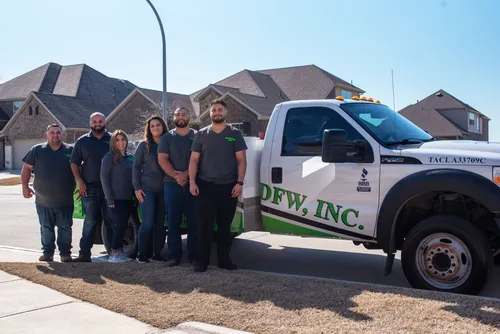
Fix My Air DFW AC Repair Fort Worth
600 W 6th St, W 4th St Floor – Suite 70, Fort Worth, TX 76102
Fix My Air DFW AC Repair Fort Worth is an HVAC contractor serving Fort Worth, TX, and nearby cities including Saginaw, Keller, and Grapevine. They provide a wide range of residential and commercial HVAC services such as air conditioning repair and installation, furnace and heat pump services, duct cleaning, and indoor air quality solutions. Their team is skilled in handling complex HVAC systems, including geothermal heat pumps and duct modifications, ensuring efficient heating and cooling year-round. Established four years ago with over 15 years of combined experience, Fix My Air DFW offers 24-hour emergency HVAC repair to address urgent heating and cooling needs promptly.
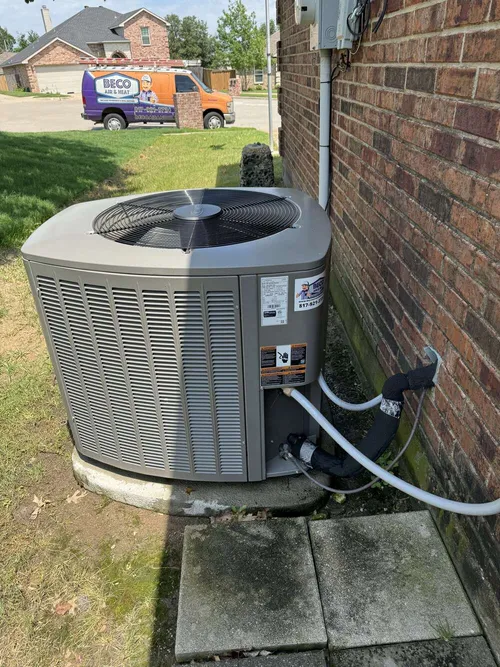
Vivid Air
233 E Terrace Ct, Aledo, TX 76008
Vivid Air is an HVAC company serving Fort Worth, TX, specializing in air conditioning, furnace, heat pump, and geothermal system repair and installation. They provide high-precision diagnostics, custom-engineered system replacements, and technical tune-ups to maintain efficiency and warranty compliance. Founded in 1974, Vivid Air has over 50 years of experience and operates as a family-owned business focused on long-term solutions. Their technicians are certified and undergo extensive ongoing training to stay current with HVAC technologies.
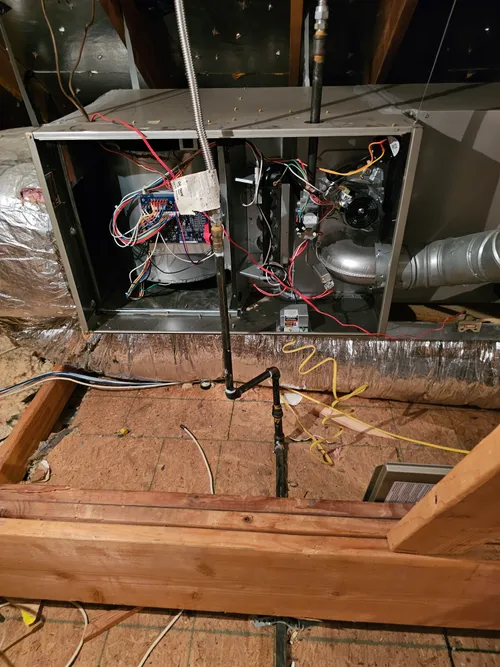
MasterCraft Mechanical
1117 Roping Reins Way, Haslet, TX 76052
MasterCraft Mechanical is an HVAC company based in Fort Worth, TX, serving Haslet and the Dallas-Fort Worth metroplex. They provide a range of services including air conditioning, furnace, heat pump, mini split, and geothermal system installation and repair. The company offers emergency and 24-hour heating services, routine maintenance, and tune-ups to keep homes and commercial properties comfortable year-round. Their technicians perform thorough inspections and consultations to offer tailored solutions. MasterCraft Mechanical is known for using high-quality parts and equipment and holds an A rating from the Better Business Bureau.
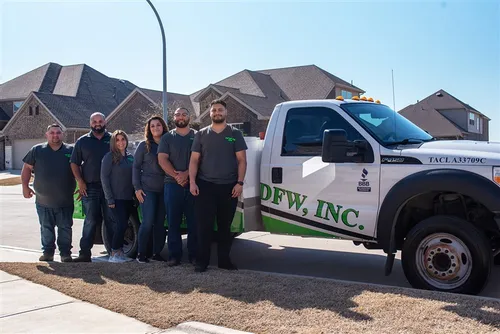
FIX MY AIR DFW, LLC
880 Blue Mound Rd W #102, Haslet, TX 76052
FIX MY AIR DFW, LLC provides residential and commercial HVAC services in Fort Worth, TX, and surrounding areas including Saginaw, Keller, and Southlake. The company offers a full range of heating and cooling solutions such as air conditioning repair and installation, furnace services, heat pump and geothermal system installation, duct cleaning, and indoor air quality improvements. With 15 years of experience, their licensed technicians handle routine maintenance, emergency repairs, and system replacements to ensure efficient and reliable HVAC operation. They also provide 24-hour emergency service to address urgent heating and cooling needs.
D.T.M.
12509 N Saginaw Blvd Suite 332, Fort Worth, TX 76179
D.T.M. is an HVAC contractor based in Fort Worth, TX, offering a wide range of heating and cooling services. They provide installation, repair, and maintenance for air conditioners, furnaces, heat pumps, boilers, mini splits, and geothermal systems. Their expertise also includes commercial HVAC, duct cleaning, air quality testing, and thermostat installation. With over 54 years of combined industry experience, D.T.M. serves the Dallas-Fort Worth Metroplex, including nearby cities such as Keller, Flower Mound, and Arlington. They specialize in commercial chiller and refrigeration repairs and installations and offer after-hours and emergency service without additional charges.
How Geothermal Heating and Cooling Works in Fort Worth
The principle behind a geothermal system is elegant in its simplicity. Unlike traditional air-source heat pumps or furnaces that battle the extreme outdoor air temperatures of a Texas summer or a chilly winter night, a ground-source heat pump exchanges heat with the earth. Just a few feet below the surface, the ground maintains a nearly constant temperature year-round, between 55°F and 75°F in our region 1.
This stable thermal resource is accessed through a ground loop-a network of high-density polyethylene pipes buried in your yard. A water-based solution circulates through this closed loop, acting as a heat exchange medium.
- For Heating: In the winter, the fluid absorbs the earth's natural warmth as it travels through the buried pipes. This slightly warmed fluid returns to the indoor geothermal unit, where a heat pump concentrates the thermal energy and distributes warm air throughout your home via the ductwork 2.
- For Cooling: In the summer, the process reverses. The system extracts heat and humidity from your indoor air. This unwanted heat is transferred to the circulating fluid, which then travels into the ground loop where it is dissipated into the cooler earth. The now-chilled fluid returns to help cool your home efficiently 3 4.
This direct exchange with the consistent ground temperature is what allows geothermal HVAC systems to operate with remarkable efficiency, often using one unit of electricity to move three to five units of heating or cooling energy 5.
Types of Geothermal Ground Loop Systems
The design of the ground loop is the most critical site-specific component of a geothermal installation. The right type for your Fort Worth property depends on soil conditions, land availability, and budget.
Vertical Closed-Loop Systems
This is the most common choice for urban and suburban lots in Fort Worth where yard space is limited. Contractors drill deep boreholes, typically 150 to 400 feet deep, and insert U-shaped loop pipes into each hole. The holes are then backfilled with a special grout to ensure good thermal conductivity. While the drilling cost is higher, a vertical system requires minimal surface area and is less disruptive to existing landscaping.
Horizontal Closed-Loop Systems
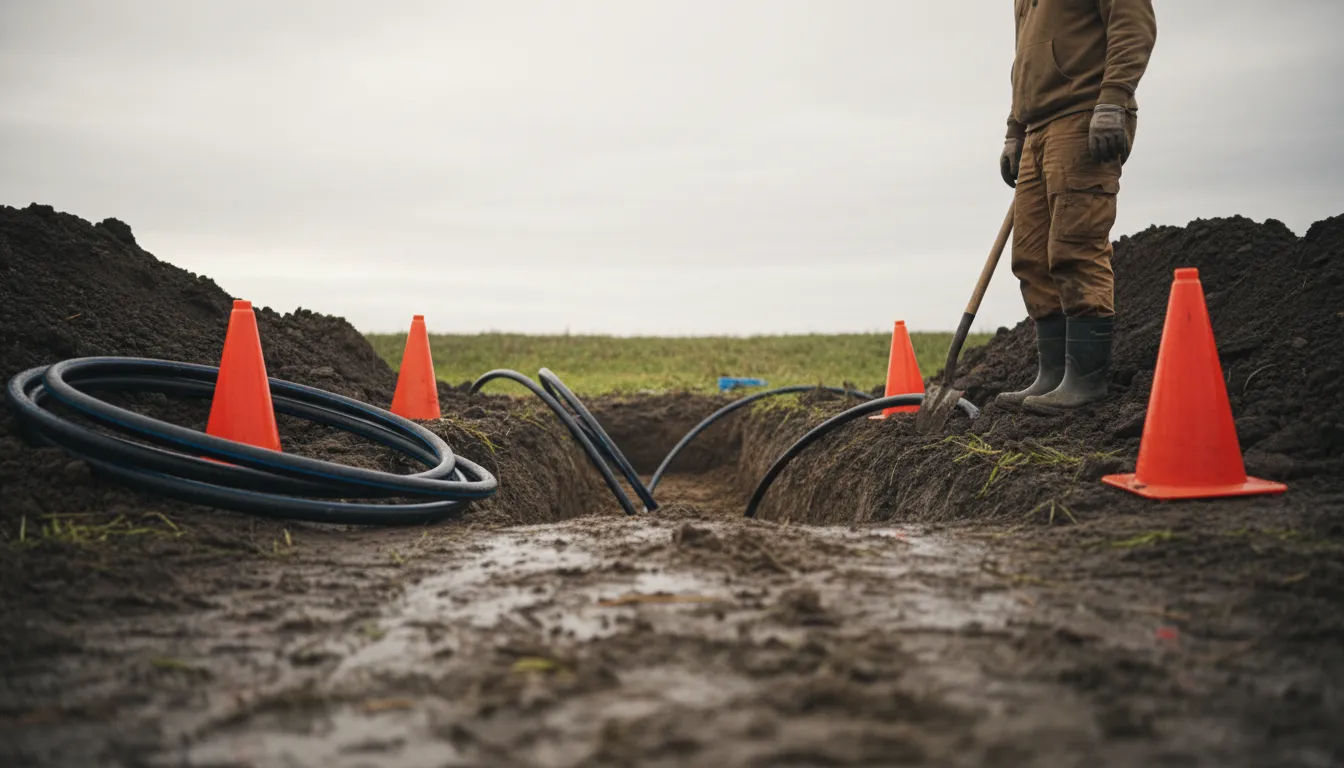
If you have ample, clear land-such as a large yard or a new construction site-a horizontal loop can be more cost-effective to install. Contractors use excavation equipment to dig trenches four to six feet deep, lay long runs of pipe in a slinky or straight-line configuration, and backfill. This method requires more land area but generally avoids the cost of deep drilling.
Pond or Lake Loop Systems
This is a highly efficient option if your property has a suitable water body. Coils of pipe are submerged at the bottom of the pond or lake, which also maintains a stable temperature. The installation can be simpler and less expensive than drilling or extensive trenching, provided the pond is of sufficient size, depth, and quality.
The Geothermal Installation Process: What to Expect
Installing a residential geothermal system is a significant project that requires careful planning and expert execution. Here's a step-by-step overview of what the process typically entails in Fort Worth.
- Site Evaluation and Design: A qualified installer will conduct a thorough assessment of your property. This includes evaluating soil composition, available land, and your home's heating and cooling loads. This data is used to design the most effective and efficient loop field and select the correctly sized heat pump unit 6.
- Ground Loop Installation: This is the major excavation phase. For a vertical system, a drilling rig will be brought in. For a horizontal system, a backhoe or trencher will dig the necessary trenches. The polyethylene piping is assembled, pressure-tested, and placed in the ground before being connected to the manifold that leads into your home.
- Indoor Unit and Ductwork Connection: The geothermal heat pump unit-which resembles a traditional furnace or air handler-is installed in your garage, basement, or mechanical closet. The refrigerant and water loops are connected, and the unit is integrated with your home's existing ductwork or a new duct system.
- System Startup and Commissioning: Once everything is connected, the installer will fill the loop with fluid, purge any air, and start the system. They will test all components, verify refrigerant charge, calibrate the thermostat, and ensure the entire system is operating at peak efficiency before handing it over to you 7.
Find the perfect geothermal heat pump contractors for your needs
Get personalized recommendations and expert advice
Key Considerations for Fort Worth Homeowners
While the benefits of geothermal are compelling, it's important to go in with a clear understanding of the specifics for our North Texas climate and market.
- Upfront Cost vs. Long-Term Savings: The initial investment for a complete geothermal system in Fort Worth typically ranges from $15,000 to over $40,000, with the ground loop accounting for a significant portion of the cost 8 9 10. This is substantially higher than a standard high-efficiency air conditioner and furnace. However, the operational savings are dramatic. Homeowners can expect to reduce their energy bills for heating and cooling by 40% to 70% 8 11. When combined with a lifespan of 25+ years for the indoor unit and 50+ years for the ground loop, the long-term return on investment can be very favorable 11 10.
- Property Suitability: Your lot size and geology are decisive factors. A horizontal loop requires a large, unobstructed yard. A vertical loop can be installed on a smaller lot but may face challenges from dense rock formations that increase drilling costs. A professional site survey is essential 12.
- Feasibility in North Texas Climate: Geothermal systems excel at providing highly efficient cooling, which is a major advantage for our long, hot summers. For heating, they are extremely efficient but operate as an all-electric system. In areas with access to low-cost natural gas, the payback period for the premium cost of geothermal may be longer. For homes without gas service or with very high cooling demands, the economics often improve significantly.
- Incentives and Rebates: The federal government offers a tax credit for qualifying geothermal heat pump installations, which can offset a meaningful percentage of the cost. It's crucial to consult with your installer and a tax professional about current available incentives at the federal, state, and even local utility level.
Comparing Geothermal to High-Efficiency Air-Source Heat Pumps
Modern air-source heat pump technology has advanced considerably and is a more common sight in Fort Worth. These systems also provide both heating and cooling by moving heat, but they exchange heat with the outdoor air. While their efficiency can drop during our coldest winter nights or hottest summer afternoons, their upfront cost is much closer to that of a traditional HVAC system. For many homeowners, a high-efficiency air-source heat pump may offer a better balance of comfort, efficiency, and cost-effectiveness 13. A detailed comparison based on your specific home, usage patterns, and goals is the best way to determine the optimal path.
Maintenance and Longevity
One of the standout advantages of a geothermal system is its durability and low maintenance needs. The indoor components require similar maintenance to a standard heat pump: regular filter changes, annual check-ups by a technician, and keeping coils clean. The buried ground loop, however, is virtually maintenance-free and protected from the elements, contributing to a lifespan that can exceed half a century. This remarkable durability further enhances the long-term value proposition of the system.
Frequently asked questions
Sources
Footnotes
-
Can you explain the basics of how home geothermal systems ... - https://www.quora.com/Can-you-explain-the-basics-of-how-home-geothermal-systems-work-for-heating-and-hot-water-How-can-someone-determine-if-their-property-is-suitable-for-this-type-of-system ↩
-
How a Geothermal Heat Pump Works | This Old House - https://www.youtube.com/watch?v=d5Tbsx3R2T8 ↩
-
5 Things You Should Know about Geothermal Heat Pumps - https://www.energy.gov/cmei/articles/5-things-you-should-know-about-geothermal-heat-pumps ↩
-
Geothermal Heat Pumps - Department of Energy - https://www.energy.gov/energysaver/geothermal-heat-pumps ↩
-
How Does A Geothermal Heat Pump Work? Complete 2025 Guide - https://solartechonline.com/blog/how-does-geothermal-heat-pump-work/ ↩
-
How Does the Performance of Geothermal Heat Pumps Compare in Various Climates? - https://www.miamihp.com/how-does-the-performance-of-geothermal-heat-pumps-compare-in-various-climates/ ↩
-
How It Works: The Geothermal Installation Process - https://www.awheatingandcooling.com/blog/geothermal-service/how-it-works-the-geothermal-installation-process/ ↩
-
Read Heat Pump Installation Cost Guide In Fort Worth Tx - https://r10heatandair.com/heat-pump-installation-cost/ ↩ ↩2
-
Geothermal Heat Pump Guide: Installation Costs, Types And Benefits - https://modernize.com/hvac/heating-repair-installation/heat-pump/geothermal ↩
-
Geothermal Heat Pump: How It Works, How Long It Lasts, and How ... - https://dandelionenergy.com/geothermal-heat-pump-how-it-works-how-long-it-lasts-and-how-much-it-costs ↩ ↩2
-
All You Need to Know About Home Geothermal Heating & ... - https://dandelionenergy.com/all-you-need-to-know-about-home-geothermal-heating-cooling ↩ ↩2
-
Geothermal Heat Pump Installation: What To Expect For Your ... - https://jomory.com/geothermal-heat-pump-installation-what-to-expect-for-your-property/ ↩
-
Geothermal HVAC: Feasibility & ROI - https://jupitairhvac.com/blog/geothermal-hvac-systems-feasibility-north-texas/ ↩