
Find the Best Geothermal Heat Pump Contractors for Your Business
No obligation • Fast responses • Nationwide coverage

Why you can trust HVAC Firms
HVAC Firms is a leading United States resource for evaluating HVAC service providers. Our team researches companies, checks credentials, and reviews customer feedback to present clear, unbiased information. Listings and rankings are based on merit, and companies cannot pay to change our editorial content.
Search providers near you
Top Geothermal Heat Pump Contractors in Arlington, Texas Ranked
A geothermal heat pump is a highly efficient heating and cooling system that uses the stable temperature of the earth to regulate your home's climate. By transferring heat to and from the ground instead of generating it, these systems can dramatically reduce your energy consumption and utility bills. This guide will help you understand how ground-source heat pumps work, the installation process in Arlington, and how to find qualified local specialists to assess your property.
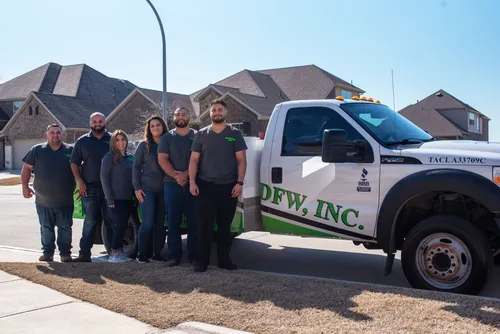
Fix My Air DFW AC Repair Fort Worth
600 W 6th St, W 4th St Floor – Suite 70, Fort Worth, TX 76102
Fix My Air DFW AC Repair Fort Worth is an HVAC contractor serving Fort Worth, TX, and nearby cities including Saginaw, Keller, and Grapevine. They provide a wide range of residential and commercial HVAC services such as air conditioning repair and installation, furnace and heat pump services, duct cleaning, and indoor air quality solutions. Their team is skilled in handling complex HVAC systems, including geothermal heat pumps and duct modifications, ensuring efficient heating and cooling year-round. Established four years ago with over 15 years of combined experience, Fix My Air DFW offers 24-hour emergency HVAC repair to address urgent heating and cooling needs promptly.
FERSA HVAC HEATING & AIR CONDITIONING
2130 Franklin Dr, Mesquite, TX 75150
FERSA HVAC HEATING & AIR CONDITIONING provides HVAC installation and indoor air quality services in Dallas, TX, and surrounding areas within a 30-mile radius. With 18 years of experience, they specialize in installing air conditioners, furnaces, heat pumps, and geothermal heat pumps for both residential and commercial clients. Their insured team offers 24/7 availability to ensure timely service and maintain comfortable indoor environments year-round.
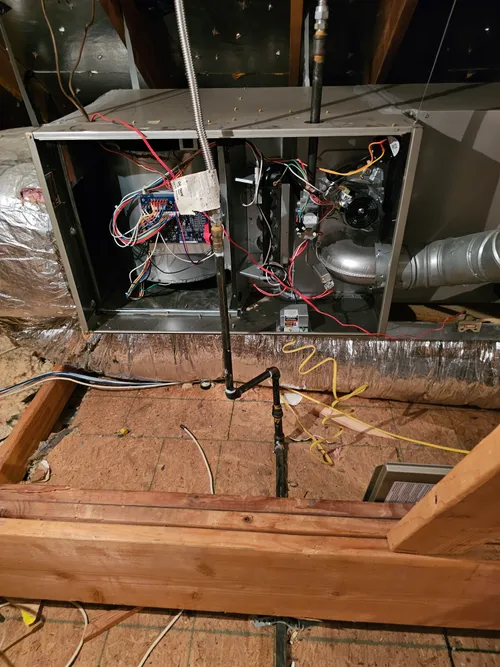
MasterCraft Mechanical
1117 Roping Reins Way, Haslet, TX 76052
MasterCraft Mechanical is an HVAC company based in Fort Worth, TX, serving Haslet and the Dallas-Fort Worth metroplex. They provide a range of services including air conditioning, furnace, heat pump, mini split, and geothermal system installation and repair. The company offers emergency and 24-hour heating services, routine maintenance, and tune-ups to keep homes and commercial properties comfortable year-round. Their technicians perform thorough inspections and consultations to offer tailored solutions. MasterCraft Mechanical is known for using high-quality parts and equipment and holds an A rating from the Better Business Bureau.
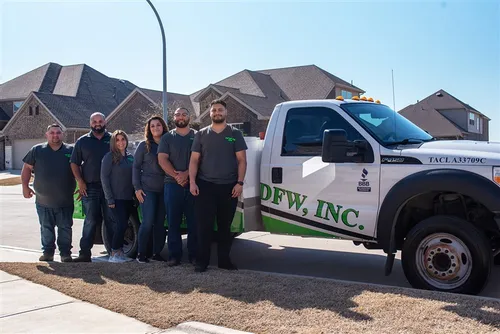
FIX MY AIR DFW, LLC
880 Blue Mound Rd W #102, Haslet, TX 76052
FIX MY AIR DFW, LLC provides residential and commercial HVAC services in Fort Worth, TX, and surrounding areas including Saginaw, Keller, and Southlake. The company offers a full range of heating and cooling solutions such as air conditioning repair and installation, furnace services, heat pump and geothermal system installation, duct cleaning, and indoor air quality improvements. With 15 years of experience, their licensed technicians handle routine maintenance, emergency repairs, and system replacements to ensure efficient and reliable HVAC operation. They also provide 24-hour emergency service to address urgent heating and cooling needs.
D.T.M.
12509 N Saginaw Blvd Suite 332, Fort Worth, TX 76179
D.T.M. is an HVAC contractor based in Fort Worth, TX, offering a wide range of heating and cooling services. They provide installation, repair, and maintenance for air conditioners, furnaces, heat pumps, boilers, mini splits, and geothermal systems. Their expertise also includes commercial HVAC, duct cleaning, air quality testing, and thermostat installation. With over 54 years of combined industry experience, D.T.M. serves the Dallas-Fort Worth Metroplex, including nearby cities such as Keller, Flower Mound, and Arlington. They specialize in commercial chiller and refrigeration repairs and installations and offer after-hours and emergency service without additional charges.
How Geothermal Heating and Cooling Works
A geothermal system, often called a ground-source heat pump (GSHP), operates on a simple principle of heat exchange. The earth beneath the frost line maintains a relatively constant temperature of approximately 50-60°F year-round in Massachusetts. A geothermal system leverages this stable thermal resource.
During the winter, a fluid (usually water mixed with antifreeze) circulates through a loop of pipes buried underground. This fluid absorbs the Earth's stored heat and carries it to an indoor heat pump unit. The heat pump then concentrates this low-grade heat and distributes warm air or water throughout your home via your existing ductwork or radiant system 1.
In the summer, the process reverses for cooling. The system extracts heat from your indoor air and transfers it into the cooler fluid circulating in the ground loops. The now-chilled fluid returns to absorb more heat from your home, providing air conditioning. Because the system moves heat rather than creating it through combustion, it achieves remarkable efficiency, typically reducing energy consumption for heating and cooling by 30-60% compared to conventional fossil fuel systems 2.
Types of Ground Loops for Arlington Homes
The underground pipe system, or ground loop, is the critical component that exchanges heat with the earth. The right type for your Arlington property depends on your land availability, soil composition, and geology.
- Vertical Closed Loops: This is the most common installation type in densely populated or rocky areas like Arlington. Contractors use a drilling rig to bore holes 150 to 450 feet deep. U-shaped pipes are inserted into each borehole, which are then filled with a special grout to enhance heat transfer. Vertical loops require minimal surface area, making them ideal for smaller residential lots common in older neighborhoods.
- Horizontal Closed Loops: If you have ample yard space (typically ¼ to ¾ of an acre), a horizontal loop may be an option. Trenches are dug 4 to 6 feet deep, and pipes are laid in a series of parallel runs. While often less expensive to install than vertical loops where land is available, the extensive trenching requires significant open space.
- Pond or Lake Loops: If your property has access to a sufficiently deep and large pond or lake, this can be a very cost-effective loop option. Coils of pipe are submerged at the bottom of the water body, which acts as a heat source and sink. This method avoids the need for drilling or extensive trenching 3 4.
A professional site assessment is essential to determine the most effective and economical loop configuration for your specific home.
The Geothermal Installation Process
Installing a geothermal heating and cooling system is a significant project that requires specialized expertise. Understanding the steps involved can help you prepare.
- Comprehensive Site Evaluation: A qualified installer will assess your property to determine soil conditions, available space, and the best loop type. They will also evaluate your home's existing ductwork or heating distribution system to ensure compatibility.
- Loop Field Installation: For a vertical system, a drilling rig will create the necessary boreholes. For a horizontal system, an excavator will dig the trenches. The high-density polyethylene pipes are then placed and connected into a continuous loop 5 6.
- Indoor Unit Installation: The geothermal heat pump unit, which is about the size of a traditional furnace, is installed in your basement, utility closet, or attic. This unit contains the compressor, heat exchanger, and fan.
- System Connection: The underground loops are connected to the indoor heat pump. The system is also integrated with your home's ductwork for forced-air systems or connected to a hydronic interface for radiant floor heating.
- Grouting and Restoration: For vertical boreholes, they are filled with a thermally enhanced grout to seal them and improve heat conductivity. The site is then restored, with any disturbed landscaping addressed 7.
Find the perfect geothermal heat pump contractors for your needs
Get personalized recommendations and expert advice
Financial Incentives and Long-Term Value in Massachusetts
The upfront cost of a geothermal system is higher than that of a conventional HVAC system. However, Massachusetts offers some of the most generous incentives in the country to offset this initial investment, making the long-term economics very attractive.
- Mass Save® Rebates: The statewide Mass Save program offers significant rebates for converting to clean heating and cooling. Homeowners can receive rebates of up to $13,500 for qualifying geothermal heat pump installations.
- 0% HEAT Loan: For the remaining balance after rebates, eligible homeowners can apply for a HEAT Loan with 0% interest for up to seven years, making the upgrade more accessible with no-interest financing 8 9.
- Sales Tax Exemption: The purchase and installation of geothermal heat pump equipment in Massachusetts are exempt from the state's 6.25% sales tax.
- Reduced Electric Rates: Many homeowners with geothermal systems qualify for a special reduced electric rate from their utility provider (Eversource or National Grid) for the electricity used to power the heat pump's compressor and fan, leading to additional savings on operating costs.
- Long-Term Savings & Durability: The dramatic reduction in energy bills-often 30-60%-provides ongoing savings for decades. Furthermore, the system components are built to last: the indoor heat pump unit typically lasts 20+ years, while the underground polyethylene piping has a lifespan often exceeding 50 years 10 11.
Choosing a Specialist in Arlington
Selecting the right contractor is crucial for a successful geothermal installation. Look for professionals with specific experience in ground-source heat pumps, not just general HVAC work. They should be licensed, insured, and certified by organizations like the International Ground Source Heat Pump Association (IGSHPA). A reputable installer will conduct a detailed Manual J load calculation to properly size your system and provide a clear, comprehensive proposal that outlines all costs, expected performance, and available rebates. They should also handle the paperwork for Mass Save incentives.
Frequently asked questions
Sources
Footnotes
-
Geothermal Ground-Source Heat Pump | Mass.gov - https://www.mass.gov/doc/about-geothermal-heat-pumps-handout/download ↩
-
Ground-Source Heat Pumps - Massachusetts Clean Energy ... - https://goclean.masscec.com/clean-energy-solutions/ground-source-heat-pumps/ ↩
-
All You Need to Know About Home Geothermal Heating & ... - https://dandelionenergy.com/all-you-need-to-know-about-home-geothermal-heating-cooling ↩
-
Geothermal Heat Pumps - Department of Energy - https://www.energy.gov/energysaver/geothermal-heat-pumps ↩
-
Geothermal heating & cooling, heat pumps, heat exchange ... - https://aztechgeo.com/residential-geothermal/how-it-works/ ↩
-
Geothermal Heat Pumps: How They Work | AHRI - https://www.ahrinet.org/scholarships-education/education/homeowners/how-things-work/geothermal-heat-pumps-how-they-work ↩
-
How Does A Geothermal Heat Pump Work? Complete 2025 Guide - https://solartechonline.com/blog/how-does-geothermal-heat-pump-work/ ↩
-
Geothermal 101: How Geothermal Heating and Cooling Works - https://energysmartalternatives.com/geothermal-101/ ↩
-
Understanding Geothermal System Costs in Massachusetts - https://energysmartalternatives.com/understanding-geothermal-system-costs-what-massachusetts-homeowners-should-know/ ↩
-
Geothermal Heat Pumps | National Grid - https://www.nationalgridus.com/geothermal-energy-hub/About/Geothermal-Heat-Pumps ↩
-
Geothermal/Hybrid Heating | HVAC Services Boston MA - https://bostonuniqueindoorcomfort.com/products/geothermalhybrid-heating/ ↩