Find the Best Geothermal Heat Pump Contractors for Your Business
No obligation • Fast responses • Nationwide coverage

Why you can trust HVAC Firms
HVAC Firms is a leading United States resource for evaluating HVAC service providers. Our team researches companies, checks credentials, and reviews customer feedback to present clear, unbiased information. Listings and rankings are based on merit, and companies cannot pay to change our editorial content.
Search providers near you
Top Geothermal Heat Pump Contractors in Pearland, Texas Ranked
A geothermal heat pump, or ground-source heat pump, is a highly efficient heating and cooling system that leverages the Earth's stable underground temperature. For Pearland homeowners, this technology offers a powerful way to combat high energy bills while ensuring year-round comfort, regardless of the humid Texas climate. This guide explains how these systems work, their benefits, and how you can find qualified local experts to assess your property for a potential installation.
A-Team's A/C & Heating, LLC
3734 Magnolia Ridge, League City, TX 77573
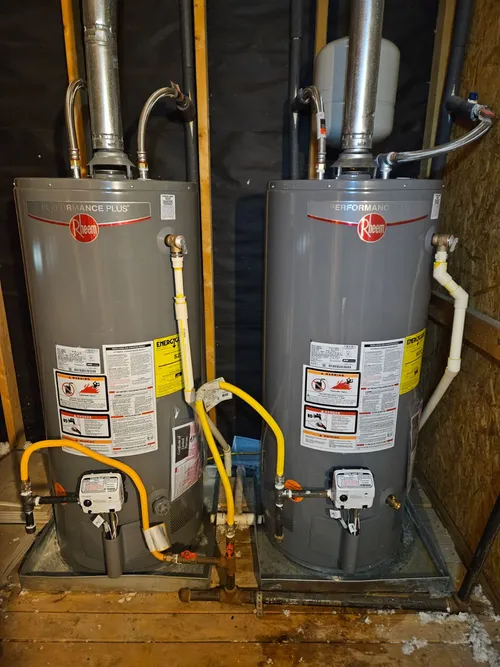
A-Team's A/C & Heating, LLC is a licensed HVAC contractor serving Houston, TX, and surrounding counties including Galveston, Harris, and Brazoria. They provide residential and commercial heating and air conditioning services, including installation, repair, and maintenance of air conditioners, furnaces, heat pumps, boilers, mini split systems, and geothermal heat pumps. The company also offers indoor air quality services such as duct cleaning, air duct sealing, and installation of air cleaners and humidifiers. As an American-Standard® dealer, they supply a wide range of comfort equipment and specialize in system customization. With 24/7 emergency service availability, A-Team's A/C & Heating supports customers with trained technicians and extended service agreements to maintain system performance.
Polar Air Corp
8718 Antelope Dr, Houston, TX 77063
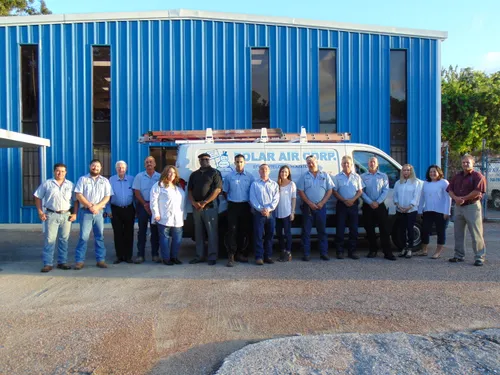
Polar Air Corp is a family-owned HVAC installation contractor serving Houston, TX, and the surrounding communities. They specialize in installing air conditioning systems, furnaces, heat pumps, boilers, mini splits, and geothermal heat pumps. With experience dating back to 1967, Polar Air Corp has a long history of providing tailored heating and cooling solutions for homes and businesses in the area.
TEXAS UNITED MECHANICAL, LLC
1118 N Main St #2G, Pearland, TX 77581
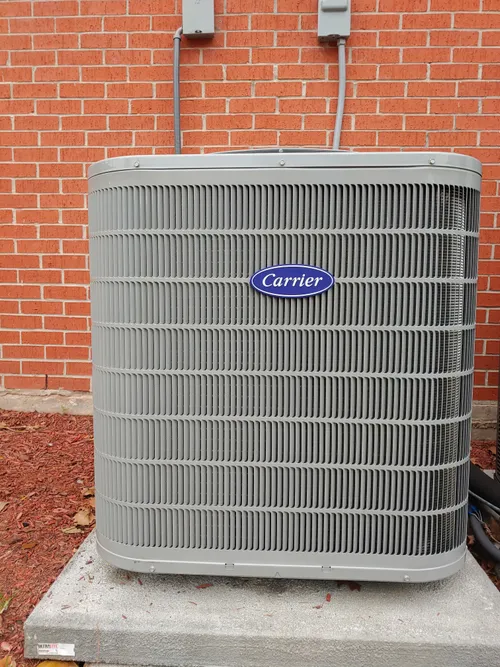
Texas United Mechanical, LLC is an HVAC company serving Houston, TX, and surrounding communities including Baytown, Brenham, Galveston, and Conroe. They provide a wide range of services such as air conditioner, furnace, and heat pump repair and installation, duct cleaning, thermostat installation, indoor air quality solutions, and geothermal system services. As a Carrier Factory Authorized Dealer, their technicians are factory-trained in both conventional and geothermal HVAC systems. With over 70 years of combined experience, the team offers 24/7 availability for emergency repairs and maintenance.
How Geothermal Systems Work in Pearland's Climate
The core principle behind a geothermal heating and cooling system is remarkably simple: it uses the earth as a thermal battery. Just a few feet below the surface, the ground in Pearland maintains a relatively constant temperature between 60°F and 70°F year-round, acting as a reliable heat source in winter and a heat sink in summer.
- For Winter Heating: A fluid (often water mixed with antifreeze) circulates through a loop of pipes buried in the ground, absorbing the earth's natural warmth. This slightly warmed fluid is brought back to the geothermal unit inside your home. The heat pump then concentrates this low-grade heat and distributes it as warm air through your existing ductwork 1.
- For Summer Cooling: The process reverses. The system extracts heat and humidity from your indoor air. This unwanted heat is transferred to the fluid in the loop, which then carries it underground. The cooler earth absorbs this heat, and the chilled fluid returns to cool your home efficiently 2.
This elegant exchange of thermal energy, rather than generating heat through combustion or relying solely on outside air temperatures, is what makes geothermal technology so efficient and consistent, even during Pearland's hottest and most humid days.
The Ground Loop: Foundation of Your System
The underground pipe network, or ground loop, is the critical component that connects your home to the earth's energy. The type of loop installed depends heavily on your property's characteristics, such as soil composition, lot size, and geology. In Pearland's residential areas, certain configurations are more common than others.
- Vertical Closed Loops: This is often the most practical choice for Pearland homes with limited yard space. A drilling rig bores deep holes, typically between 150 and 450 feet deep. U-shaped high-density polyethylene pipes are inserted into each borehole, which is then filled with a special grout to enhance heat transfer. While the drilling process is more specialized, a vertical loop field requires minimal surface area.
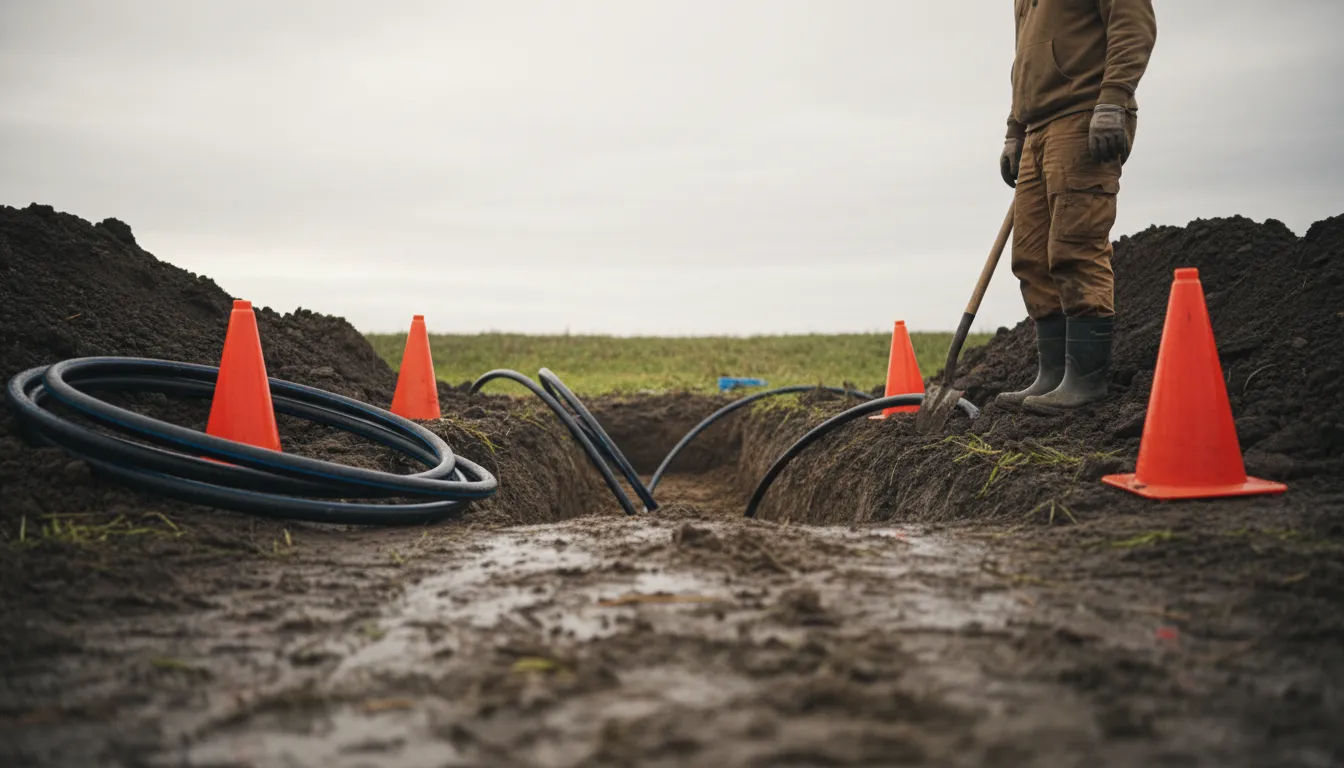
- Horizontal Closed Loops: This method involves excavating long, shallow trenches (usually 4 to 6 feet deep) across a larger area of your property. Pipes are laid in these trenches before they are backfilled. This approach generally has a lower installation cost than vertical drilling but requires significantly more available land, which can be a constraint in more densely developed neighborhoods 3.
- Pond/Lake Loops: If your property has access to a sufficiently large and deep pond or lake, a coil of pipe can be submerged at the bottom. This can be a very cost-effective loop option, but it is entirely dependent on having a suitable water source available 4.
Selecting and designing the right loop configuration is not a DIY project. It requires a detailed site evaluation by a certified geothermal installer who understands local soil conditions and climate demands to ensure optimal, long-term performance.
The Installation Process and Long-Term Value
Installing a residential geothermal system is a significant project that follows a clear, professional sequence. Understanding the steps can help you know what to expect.
- Comprehensive Site Assessment: A qualified installer will evaluate your home's heating and cooling loads, inspect your existing ductwork, and survey your property to determine the best type and size for the ground loop.
- Loop Field Installation: This is the major excavation phase, involving either drilling for vertical loops or trenching for horizontal loops. The pipes are carefully placed and connected into a continuous loop.
- Indoor Unit Connection: The geothermal heat pump unit is installed inside your home (often in a basement, garage, or utility closet) and connected to the ground loop and your home's electrical system.
- Ductwork and Distribution: The system is integrated with your existing forced-air ductwork to distribute conditioned air throughout your home. For homes without ducts, ductless options paired with geothermal are also possible.
The most notable aspect of a geothermal system is its cost profile: high initial investment followed by very low operating costs. While upfront costs for a complete residential system in Pearland can range from $20,000 to $40,000 or more, the energy savings are substantial 5 6. Homeowners typically see a 50% to 70% reduction in their heating and cooling energy bills compared to conventional systems 5 7. Furthermore, the components are built to last, with the indoor heat pump unit often lasting over 20 years and the underground loop infrastructure having a lifespan of 50 years or more 5 8.
Find the perfect geothermal heat pump contractors for your needs
Get personalized recommendations and expert advice
Financial Incentives and Environmental Impact
The long-term savings of a ground-source heat pump are compelling on their own, but financial incentives can improve the economics. It's crucial to check for current federal tax credits, which can significantly reduce the net installed cost 9 10. Some state or local utility rebates may also be available, making this green technology more accessible.
Beyond the personal financial benefit, choosing a geothermal system is a major step in reducing your household's carbon footprint. By using renewable thermal energy from the ground and electricity (which is increasingly sourced from renewables), these systems provide heating and cooling with far fewer greenhouse gas emissions than fossil fuel-based systems 11. For environmentally conscious Pearland residents, it represents a durable, high-impact investment in both home comfort and sustainability.
Is a Geothermal System Right for Your Pearland Home?
Geothermal heat pumps offer a compelling value proposition: unparalleled efficiency, remarkable reliability, and significant long-term savings. They provide consistent, quiet, and comfortable indoor air quality year-round. The key to a successful installation is partnering with an experienced, certified professional who can conduct a proper load calculation and loop design specific to the Texas Gulf Coast climate 12 13.
If you have the means to manage the initial investment and plan to stay in your home for many years, a geothermal system can be an excellent choice. It's a proven technology that turns the stable ground beneath Pearland into a source of clean, affordable, and dependable comfort.
Frequently asked questions
Sources
Footnotes
-
How Do Geothermal Systems Work for Residential Homes? - https://www.davisheat.com/blog/how-do-geothermal-systems-work-for-residential-homes/ ↩
-
How Geothermal Heating and Cooling Systems Work | Belle Air - https://www.belleairservices.com/how-geothermal-heating-and-cooling-systems-work/ ↩
-
Geothermal heat pumps: The ultimate guide to ground-source ... - https://termo-plus.com/blog/geothermal-ultimate-guide-to-ground-source-heat-pumps/ ↩
-
Geothermal Heat Pumps - Department of Energy - https://www.energy.gov/energysaver/geothermal-heat-pumps ↩
-
Geothermal HVAC: Feasibility & ROI - https://jupitairhvac.com/blog/geothermal-hvac-systems-feasibility-north-texas/ ↩ ↩2 ↩3
-
Geothermal Heat Pump Guide: Installation Costs, Types And Benefits - https://modernize.com/hvac/heating-repair-installation/heat-pump/geothermal ↩
-
5 Things You Should Know about Geothermal Heat Pumps - https://www.energy.gov/cmei/articles/5-things-you-should-know-about-geothermal-heat-pumps ↩
-
Geothermal heating & cooling, heat pumps, heat exchange ... - https://aztechgeo.com/residential-geothermal/how-it-works/ ↩
-
Geothermal Heat Pumps | WBDG - https://www.wbdg.org/resources/geothermal-heat-pumps ↩
-
Guide to Geothermal Heat Pumps - https://www.energy.gov/sites/prod/files/guide_to_geothermal_heat_pumps.pdf ↩
-
Geothermal Heating & Cooling - Department of Energy - https://www.energy.gov/eere/geothermal/geothermal-heating-cooling ↩
-
About Geothermal Heat Pumps and Geothermal Cooling - Houston TX - http://earthpowerac.com/about-geo-in-texas/ ↩
-
Geothermal Heat Pumps, Explained - Bosch Home Comfort - https://www.bosch-homecomfort.com/us/en/residential/connect/blog/geothermal-heat-pumps-go-green-save-green/ ↩