Find the Best Geothermal Heat Pump Contractors for Your Business
No obligation • Fast responses • Nationwide coverage

Why you can trust HVAC Firms
HVAC Firms is a leading United States resource for evaluating HVAC service providers. Our team researches companies, checks credentials, and reviews customer feedback to present clear, unbiased information. Listings and rankings are based on merit, and companies cannot pay to change our editorial content.
Search providers near you
Top Geothermal Heat Pump Contractors in North Richland Hills, Texas Ranked
A geothermal heat pump, also known as a ground-source heat pump, is a highly efficient heating and cooling system that leverages the earth's stable underground temperature. For homeowners in North Richland Hills, this technology offers a powerful way to combat extreme summer heat while significantly reducing energy bills. This guide explains how these systems work, the installation process, and how you can find qualified local experts to assess your property for a potential ground-source system.
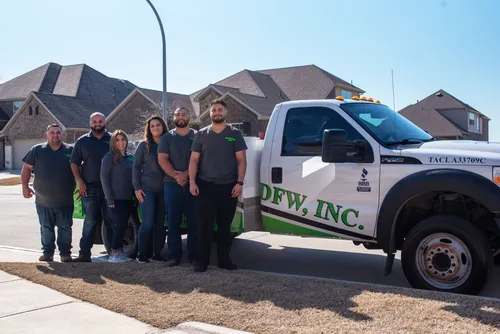
Fix My Air DFW AC Repair Fort Worth
600 W 6th St, W 4th St Floor – Suite 70, Fort Worth, TX 76102
Fix My Air DFW AC Repair Fort Worth is an HVAC contractor serving Fort Worth, TX, and nearby cities including Saginaw, Keller, and Grapevine. They provide a wide range of residential and commercial HVAC services such as air conditioning repair and installation, furnace and heat pump services, duct cleaning, and indoor air quality solutions. Their team is skilled in handling complex HVAC systems, including geothermal heat pumps and duct modifications, ensuring efficient heating and cooling year-round. Established four years ago with over 15 years of combined experience, Fix My Air DFW offers 24-hour emergency HVAC repair to address urgent heating and cooling needs promptly.
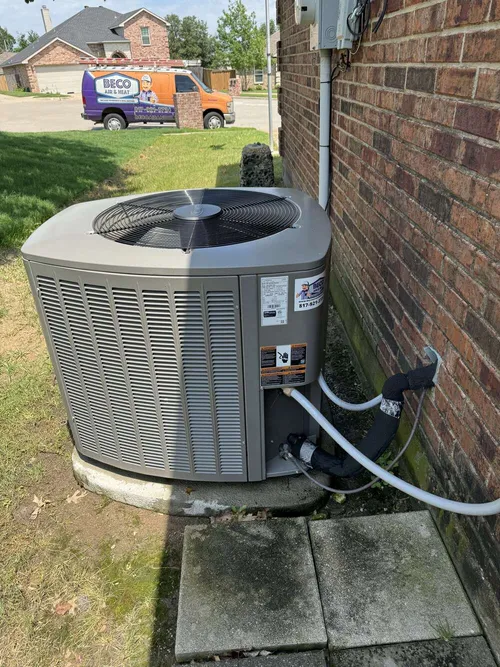
Vivid Air
233 E Terrace Ct, Aledo, TX 76008
Vivid Air is an HVAC company serving Fort Worth, TX, specializing in air conditioning, furnace, heat pump, and geothermal system repair and installation. They provide high-precision diagnostics, custom-engineered system replacements, and technical tune-ups to maintain efficiency and warranty compliance. Founded in 1974, Vivid Air has over 50 years of experience and operates as a family-owned business focused on long-term solutions. Their technicians are certified and undergo extensive ongoing training to stay current with HVAC technologies.
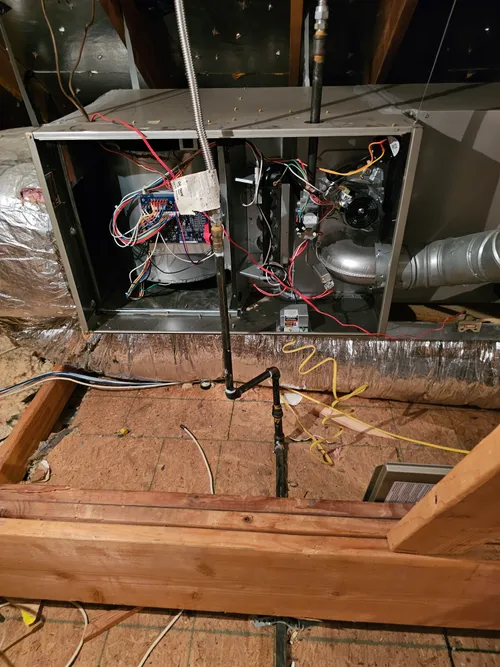
MasterCraft Mechanical
1117 Roping Reins Way, Haslet, TX 76052
MasterCraft Mechanical is an HVAC company based in Fort Worth, TX, serving Haslet and the Dallas-Fort Worth metroplex. They provide a range of services including air conditioning, furnace, heat pump, mini split, and geothermal system installation and repair. The company offers emergency and 24-hour heating services, routine maintenance, and tune-ups to keep homes and commercial properties comfortable year-round. Their technicians perform thorough inspections and consultations to offer tailored solutions. MasterCraft Mechanical is known for using high-quality parts and equipment and holds an A rating from the Better Business Bureau.
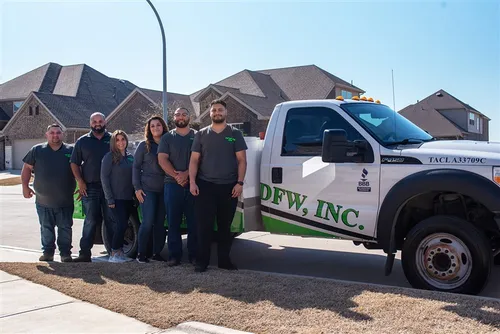
FIX MY AIR DFW, LLC
880 Blue Mound Rd W #102, Haslet, TX 76052
FIX MY AIR DFW, LLC provides residential and commercial HVAC services in Fort Worth, TX, and surrounding areas including Saginaw, Keller, and Southlake. The company offers a full range of heating and cooling solutions such as air conditioning repair and installation, furnace services, heat pump and geothermal system installation, duct cleaning, and indoor air quality improvements. With 15 years of experience, their licensed technicians handle routine maintenance, emergency repairs, and system replacements to ensure efficient and reliable HVAC operation. They also provide 24-hour emergency service to address urgent heating and cooling needs.
D.T.M.
12509 N Saginaw Blvd Suite 332, Fort Worth, TX 76179
D.T.M. is an HVAC contractor based in Fort Worth, TX, offering a wide range of heating and cooling services. They provide installation, repair, and maintenance for air conditioners, furnaces, heat pumps, boilers, mini splits, and geothermal systems. Their expertise also includes commercial HVAC, duct cleaning, air quality testing, and thermostat installation. With over 54 years of combined industry experience, D.T.M. serves the Dallas-Fort Worth Metroplex, including nearby cities such as Keller, Flower Mound, and Arlington. They specialize in commercial chiller and refrigeration repairs and installations and offer after-hours and emergency service without additional charges.
How Geothermal Systems Work: Harnessing the Earth's Constant Temperature
The core principle behind a geothermal heating and cooling system is remarkably simple. While air temperatures in North Texas swing dramatically from scorching summers to mild winters, the temperature just a few feet below the ground remains relatively constant, around 67°F year-round. A geothermal heat pump uses this stable resource as an exchange medium instead of the outside air.
- Summer Cooling: The system extracts heat and humidity from your home's air. This heat is then transferred to a fluid circulating in underground pipes (called a ground loop) and deposited into the cooler earth. The now-chilled fluid returns to cool your home.
- Winter Heating: The process reverses. The system extracts heat from the warmer ground via the fluid in the ground loop. This heat is concentrated by the heat pump and delivered as warm air throughout your home.
This direct exchange with the earth's stable temperature is what gives geothermal technology its remarkable efficiency, often performing much better than conventional air-source heat pumps, especially during temperature extremes.
Types of Ground Loop Systems for Your Property
The underground pipe network, or ground loop, is the critical component that connects your home to the earth's energy. The right type for your North Richland Hills property depends on your land availability, soil conditions, and budget.
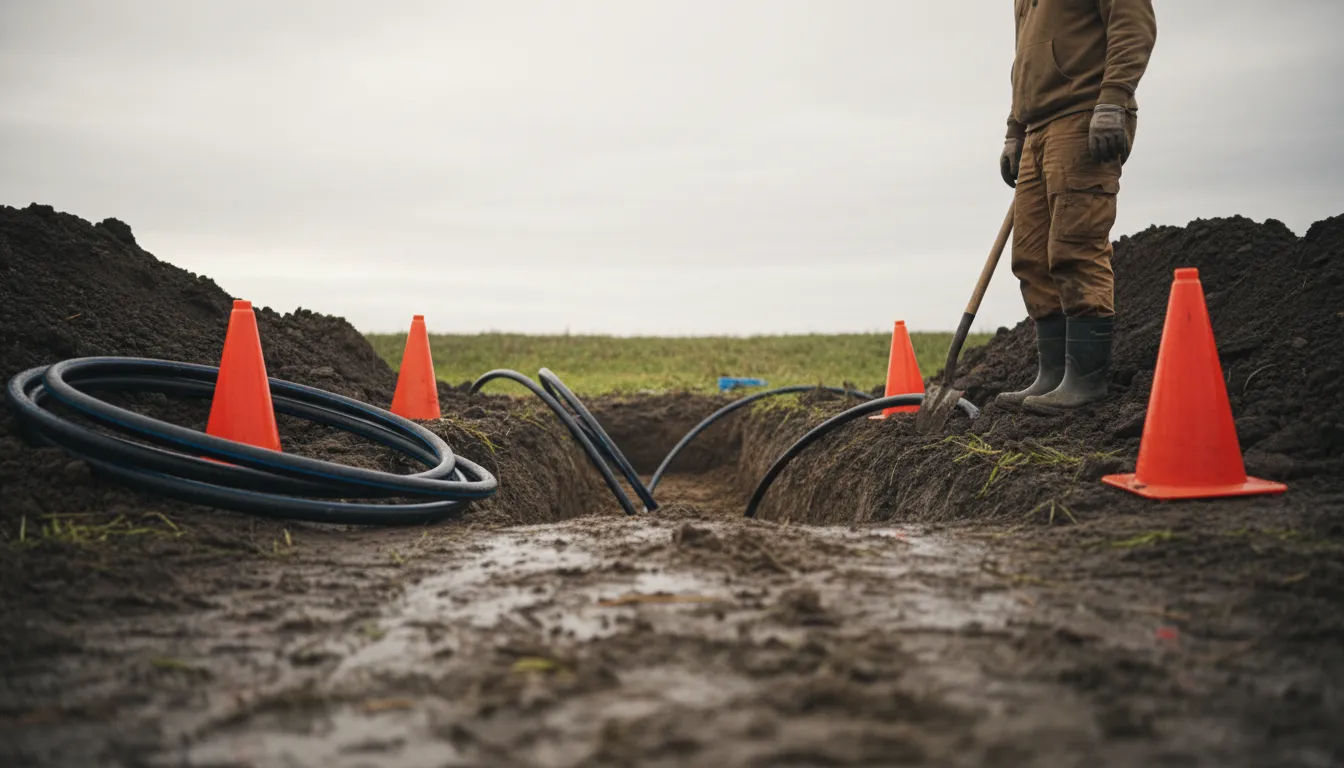
- Horizontal Ground Loops: This is often the most cost-effective option if space allows. Trenches are dug 4 to 6 feet deep in your yard, and pipes are laid in a series of loops before the trenches are backfilled 1. This method requires a significant amount of open land.
- Vertical Ground Loops: For properties with limited yard space, such as many existing homes in North Richland Hills, vertical loops are the ideal solution. Boreholes are drilled 150 to 450 feet deep, and U-shaped pipe loops are inserted into each hole. This method minimizes landscape disruption and is excellent for retrofit projects.
- Pond/Lake Loops: If you have access to a sufficiently large and deep pond or lake on your property, a closed loop of pipe can be submerged at the bottom. This can be a very efficient and lower-cost installation option, but it requires specific water conditions 2 3.
- Open-Loop Systems: This system uses groundwater from a well directly as the heat exchange fluid. After circulating through the heat pump, the water is discharged back into a second well or a suitable drainage point. This option is less common as it requires an abundant, clean water source and compliance with local groundwater regulations.
The Geothermal Installation Process: What to Expect
Installing a residential geothermal system is a significant project that requires careful planning and professional execution. Here's a step-by-step overview of what the process typically entails.
- Site Assessment and Design: A qualified installer will visit your property to evaluate soil composition, available land, and existing utilities. A crucial heat load calculation will be performed to determine the precise size of the system needed for your home.
- Ground Loop Installation: This is the major excavation phase. For horizontal loops, a trencher or excavator will dig the necessary trenches. For vertical loops, a drilling rig will be brought in to create the boreholes. The high-density polyethylene pipes are then placed and connected into a continuous loop 4 5.
- Indoor Unit Installation: The geothermal heat pump unit itself is installed inside your home, typically in a basement, utility room, or garage. This unit resembles a traditional furnace or air handler and connects to your home's ductwork.
- Connection and Testing: The fluid-filled ground loops are connected to the indoor heat pump. The entire system is pressurized, tested for leaks, and then filled with a water-antifreeze solution. Finally, the electrical and control connections are made, and the system is started and calibrated for optimal performance 6 7.
Throughout this process, your installer will handle all necessary permits from the City of North Richland Hills.
Benefits and Long-Term Value for North Richland Hills Homeowners
Investing in a ground-source heat pump offers compelling advantages that go beyond simple temperature control.
- Substantial Energy Savings: By using the earth's consistent temperature, geothermal systems operate with exceptional efficiency. Homeowners can typically expect savings of 40-60% on cooling costs and significant savings on heating compared to conventional HVAC systems 8 9 10. These savings directly offset higher utility bills during our hottest months.
- Financial Payback and Incentives: While the upfront installation cost is higher than a standard system, the dramatic reduction in monthly energy bills means the investment often pays for itself within 5 to 10 years. Furthermore, federal tax credits for renewable energy and potential local utility rebates can improve the financial return.
- Exceptional Durability and Low Maintenance: The underground piping is designed to last for more than 50 years. The indoor heat pump unit also boasts a long lifespan, typically 20 to 24 years, which is longer than most conventional air conditioners and furnaces. With fewer mechanical parts exposed to the elements, maintenance requirements are generally lower.
Find the perfect geothermal heat pump contractors for your needs
Get personalized recommendations and expert advice
Is Geothermal Right for North Richland Hills?
Absolutely. The climate in North Richland Hills is particularly well-suited for geothermal heat pump technology. Our long, hot summers place a heavy demand on air conditioning systems. A geothermal system provides highly efficient cooling by rejecting heat into the relatively cool ground (67°F), rather than struggling against 100°F+ outdoor air 11. This leads to the dramatic energy savings mentioned earlier. For many local properties, especially those with smaller lots, the vertical loop installation method provides a perfect solution without requiring extensive land 11.
Understanding Costs and Financing
The total cost for a complete geothermal system installation varies based on your home's size, the chosen loop type, soil conditions, and the specific equipment selected. The major cost drivers are the ground loop excavation/drilling and the heat pump unit itself. It's important to view this as a long-term investment in your home's comfort, efficiency, and value. Many homeowners utilize financing options, and the combination of ongoing utility savings and available tax credits makes the economics increasingly favorable over time 12.
Frequently asked questions
Sources
Footnotes
-
Geothermal heat pumps: The ultimate guide to ground-source ... - https://termo-plus.com/blog/geothermal-ultimate-guide-to-ground-source-heat-pumps/ ↩
-
Ground-Source Heat Pumps - Building America Solution Center - https://basc.pnnl.gov/resource-guides/ground-source-heat-pumps ↩
-
All You Need to Know About Home Geothermal Heating & ... - https://dandelionenergy.com/all-you-need-to-know-about-home-geothermal-heating-cooling ↩
-
Geothermal Heat Pumps, Explained - Bosch Home Comfort - https://www.bosch-homecomfort.com/us/en/residential/connect/blog/geothermal-heat-pumps-go-green-save-green/ ↩
-
Geothermal heating & cooling, heat pumps, heat exchange ... - https://aztechgeo.com/residential-geothermal/how-it-works/ ↩
-
Geothermal Heat Pump Installation: What To Expect For Your ... - https://jomory.com/geothermal-heat-pump-installation-what-to-expect-for-your-property/ ↩
-
How a Geothermal Heat Pump Works | This Old House - https://www.youtube.com/watch?v=d5Tbsx3R2T8 ↩
-
Geothermal HVAC: Feasibility & ROI - https://jupitairhvac.com/blog/geothermal-hvac-systems-feasibility-north-texas/ ↩
-
Geothermal Heat Pumps - Department of Energy - https://www.energy.gov/energysaver/geothermal-heat-pumps ↩
-
About Geothermal - https://igshpa.org/about-geothermal/ ↩
-
About Geothermal Heat Pumps and Geothermal Cooling - Houston TX - http://earthpowerac.com/about-geo-in-texas/ ↩ ↩2
-
Guide to Geothermal Heat Pumps - https://www.energy.gov/sites/prod/files/guide_to_geothermal_heat_pumps.pdf ↩