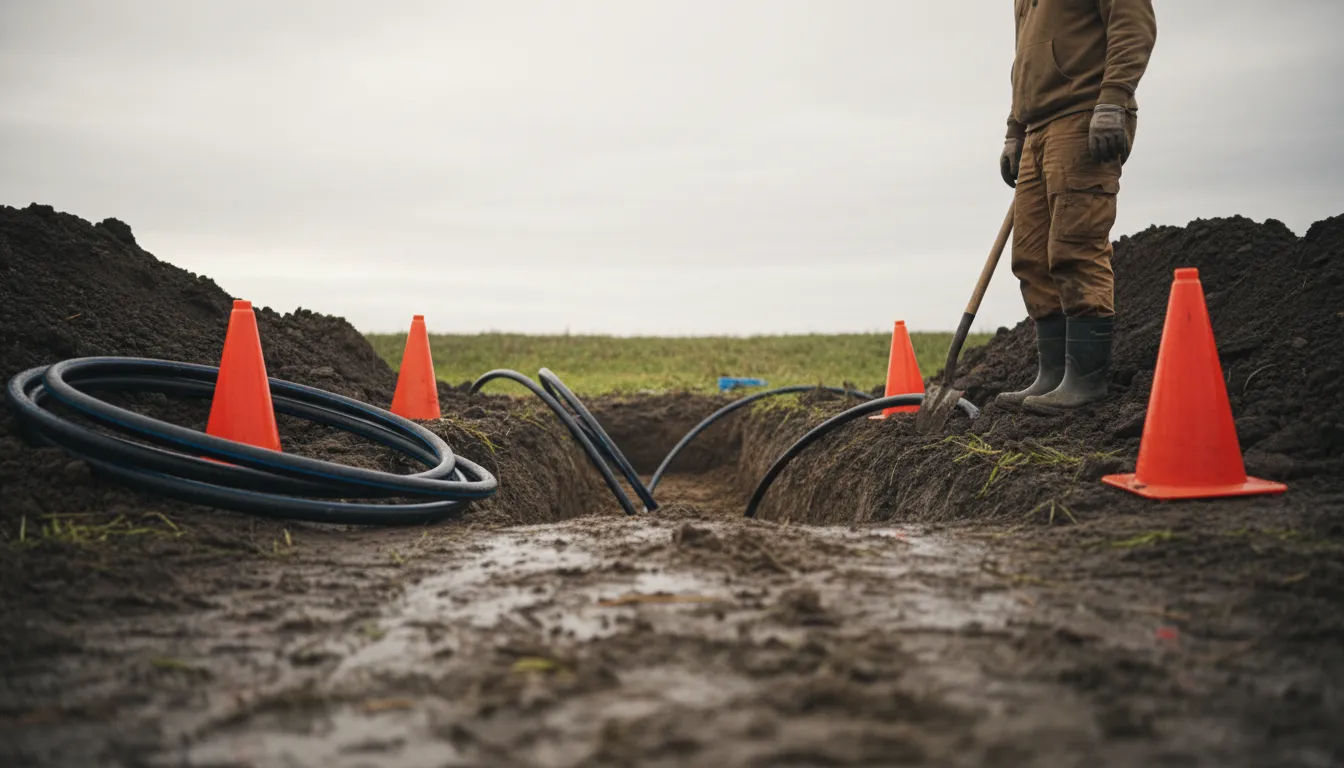
Find the Best Geothermal Heat Pump Contractors for Your Business
No obligation • Fast responses • Nationwide coverage

Why you can trust HVAC Firms
HVAC Firms is a leading United States resource for evaluating HVAC service providers. Our team researches companies, checks credentials, and reviews customer feedback to present clear, unbiased information. Listings and rankings are based on merit, and companies cannot pay to change our editorial content.
Search providers near you
Top Geothermal Heat Pump Contractors in New Braunfels, Texas Ranked
Geothermal heat pumps, also known as ground-source heat pumps, are a highly efficient method for heating and cooling your home by leveraging the Earth's stable underground temperature. For homeowners in New Braunfels, this technology offers a path to significant energy savings and long-term comfort, capitalizing on the region's unique geology and climate. This guide explains how these systems work, what installation entails, and how you can find qualified local experts to assess your property for this sustainable upgrade.
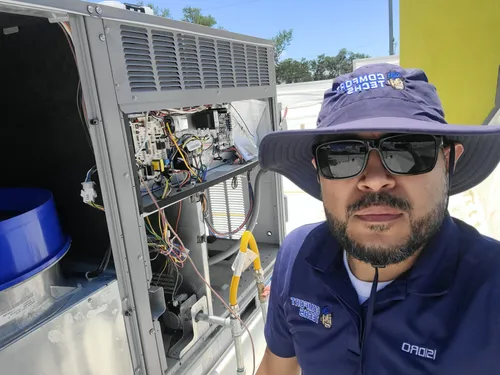
Comfort Techs
10415 Perrin Beitel Suite 103-B, San Antonio, TX 78217
Comfort Techs is an HVAC company based in San Antonio, TX, offering a wide range of heating and cooling services. Their expertise includes air conditioning repair and installation, furnace and heat pump services, duct cleaning, indoor air quality solutions, and thermostat installation. The company also handles specialty HVAC systems such as geothermal heat pumps and mini splits. Comfort Techs provides 24/7 emergency services to ensure customers have support whenever needed. With over 70 years of combined experience among their certified technicians, they have been serving the San Antonio community since 2017.
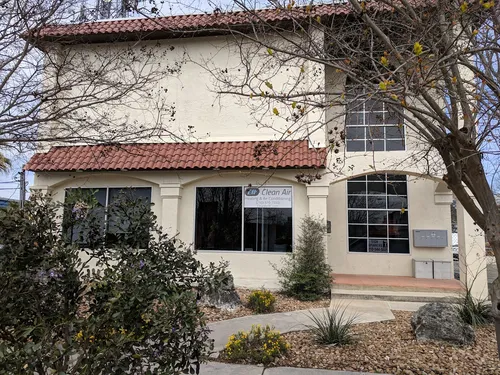
Clean Air Heating & Air Conditioning
115 E Myrtle St, San Antonio, TX 78212
Clean Air Heating & Air Conditioning is an HVAC contractor serving San Antonio, TX. They provide installation, repair, and maintenance services for air conditioners, furnaces, heat pumps, mini splits, and geothermal heat pumps. Their licensed technicians work with equipment from various manufacturers including Carrier, Daikin, Mitsubishi, and Trane. With over 20 years of experience, they offer custom HVAC solutions focused on energy efficiency and indoor air quality.
How Geothermal Systems Work: Harnessing the Earth's Energy
At its core, a geothermal heating and cooling system is a heat exchange unit. Unlike conventional systems that create heat by burning fuel or generate cool air by battling the outdoor temperature, a geothermal heat pump simply moves heat from one place to another. It uses the ground beneath your property as a massive, free battery for thermal energy.
The process relies on a sealed loop of pipes, called a ground loop, buried in the earth. A water-based solution circulates through this loop. In the winter, the fluid absorbs the consistent 50-70°F heat from the ground and carries it to the heat pump unit inside your home. The heat pump concentrates this warmth and distributes it through your existing ductwork 1. In the summer, the system reverses: it extracts heat and humidity from your indoor air and transfers it into the cooler ground loop, leaving behind chilled, dehumidified air for your home 2. This elegant transfer process is what makes geothermal technology so remarkably efficient.
Why New Braunfels is Ideal for Geothermal Energy
The climate and geology of the New Braunfels area are particularly well-suited for ground-source heat pumps. While Texas summers are notoriously hot and winters can have chilly spells, the temperature just a few feet below the surface remains remarkably stable year-round. This stability is the system's secret weapon.
- Consistent Thermal Source/Sink: The ground provides a much more temperate medium for heat exchange compared to the extreme swings in outdoor air temperature. This means the heat pump works less strenuously to achieve your desired indoor climate, leading directly to lower energy consumption.
- Soil Conditions: Many areas around New Braunfels have soil compositions that are conducive to effective heat transfer, which is a key factor in system design and efficiency.
- High Cooling Loads: For homes with significant air conditioning needs, the efficiency of a geothermal system in summer can lead to dramatic savings on electricity bills, making the investment particularly attractive.
Types of Ground Loop Systems
The underground portion of the system, or ground loop, can be configured in several ways depending on your property's characteristics. The right choice is determined by a professional site assessment.
Closed-Loop Systems are the most common for residential properties. They involve a continuous loop of high-density polyethylene pipe buried in the ground 3.
- Horizontal Loops: These are installed in trenches dug four to six feet deep. This configuration requires a larger amount of available yard space but is often less expensive to install than vertical loops if the land is available and easy to trench.
- Vertical Loops: For properties with limited space, such as smaller urban lots, vertical loops are the solution. Boreholes are drilled 150 to 400 feet deep, and U-shaped loops of pipe are inserted into each hole. This method minimizes surface disruption but requires specialized drilling equipment.
- Pond/Lake Loops: If you have a sufficient body of water on your property, a coiled loop can be submerged at the bottom. This can be a very cost-effective option, as it avoids the need for extensive digging or drilling 4.
The Installation Process: What to Expect
Installing a geothermal HVAC system is a significant project that requires careful planning and expert execution. Understanding the steps can help you prepare.
- Comprehensive Site Assessment: A qualified installer will evaluate your property. They'll examine soil conditions, available land, accessibility, and your home's existing ductwork and heating/cooling loads. This assessment determines the feasibility and optimal design of your system.
- Loop Field Installation: This is the major excavation phase. For a horizontal system, a trencher will dig the necessary loops in your yard. For a vertical system, a drilling rig will be brought in to create the boreholes. The piping is then laid, connected, and pressure-tested before being backfilled 5.
- Heat Pump & Connection Installation: The indoor heat pump unit is installed, typically in a basement, utility room, or garage. It is connected to your home's electrical system and ductwork. The ground loops are then connected to the heat pump, completing the circuit 6.
- System Charging and Startup: The loop is filled with its heat-transfer fluid, and the entire system is pressurized and tested. The installer will then start up the system, calibrate it for optimal performance, and walk you through its operation.
Find the perfect geothermal heat pump contractors for your needs
Get personalized recommendations and expert advice
Financial Considerations: Costs, Savings, and Incentives
The upfront cost of a geothermal heat pump system is its most significant barrier, but it's crucial to view it as a long-term investment in your home's efficiency and comfort.
- Initial Investment: A full geothermal system installation in New Braunfels typically ranges from $20,000 to $40,000 or more. This wide range depends on your home's size, the chosen loop type, soil conditions, and the complexity of the installation 7.
- Operational Savings: This is where geothermal shines. By moving heat instead of creating it, these systems can reduce your energy bills for heating and cooling by up to 65% compared to conventional systems 8 9. For a home with high HVAC usage, these savings can be substantial each month.
- Payback Period: The time it takes for your monthly savings to equal the initial investment-the payback period-typically falls between 5 to 10 years for many homeowners 10. After this point, the continued savings represent pure financial gain.
- Federal Tax Incentives: To encourage clean energy adoption, the federal government offers a tax credit for the installation of qualified geothermal heat pump systems. This credit can directly reduce your tax liability, effectively lowering the net installed cost. It's essential to consult with your installer and a tax professional about current available credits 11.
Long-Term Benefits and Environmental Impact
Beyond the direct financial payback, choosing a geothermal system offers enduring advantages.
- Exceptional Longevity: The underground loop system is designed to last for decades, often with warranties of 25 to 50 years on the piping. The indoor heat pump unit also typically has a longer lifespan than conventional outdoor AC condensers and furnaces because it is protected from the elements.
- Low Maintenance: With most of the system protected underground and no outdoor compressor unit exposed to weather, geothermal systems require relatively little maintenance-usually just routine checks of the indoor components and fluid levels.
- Quiet Operation: Since there's no loud outdoor fan unit cycling on and off, geothermal systems operate very quietly, with only the gentle sound of air moving through your indoor vents.
- Reduced Carbon Footprint: By drastically cutting electricity or natural gas consumption for climate control, a geothermal system significantly lowers your household's greenhouse gas emissions, making it one of the cleanest and most efficient heating and cooling technologies available 12.
For New Braunfels residents, a geothermal heat pump represents a smart, forward-thinking home upgrade. It leverages the stable earth beneath your feet to provide unparalleled efficiency, leading to decades of comfort, savings, and environmental stewardship 13.
Frequently asked questions
Sources
Footnotes
-
Geothermal (Ground Source) Heat Pumps - NY.gov - https://cleanheat.ny.gov/geothermal-heat-pumps/ ↩
-
How a Geothermal Heat Pump Works | This Old House - https://www.youtube.com/watch?v=d5Tbsx3R2T8 ↩
-
Geothermal heating & cooling, heat pumps, heat exchange ... - https://aztechgeo.com/residential-geothermal/how-it-works/ ↩
-
Geothermal Heating, Cooling, and Hot Water Systems - https://igshpa.org/wp-content/uploads/Homeowners-Guide-to-Geothermal.pdf ↩
-
Geothermal Heat Pumps - EnergySmart CNY - https://www.energysmartcny.org/heat-pumps/geothermal/ ↩
-
Geothermal Heat Pump Installation: What To Expect For Your Property - https://jomory.com/geothermal-heat-pump-installation-what-to-expect-for-your-property/ ↩
-
Geothermal Heat Pump Guide: Installation Costs, Types And Benefits - https://modernize.com/hvac/heating-repair-installation/heat-pump/geothermal ↩
-
Geothermal Heat Pumps - Department of Energy - https://www.energy.gov/energysaver/geothermal-heat-pumps ↩
-
5 Things You Should Know about Geothermal Heat Pumps - https://www.energy.gov/cmei/articles/5-things-you-should-know-about-geothermal-heat-pumps ↩
-
Guide to Geothermal Heat Pumps - https://www.energy.gov/sites/prod/files/guide_to_geothermal_heat_pumps.pdf ↩
-
Geothermal Heat Pump Services in College Station, TX - https://www.barkerservices.com/heating/geothermal-heat-pumps/ ↩
-
Geothermal Heating & Cooling - Department of Energy - https://www.energy.gov/eere/geothermal/geothermal-heating-cooling ↩
-
Geothermal HVAC: Feasibility & ROI - https://jupitairhvac.com/blog/geothermal-hvac-systems-feasibility-north-texas/ ↩