
Find the Best Geothermal Heat Pump Contractors for Your Business
No obligation • Fast responses • Nationwide coverage

Why you can trust HVAC Firms
HVAC Firms is a leading United States resource for evaluating HVAC service providers. Our team researches companies, checks credentials, and reviews customer feedback to present clear, unbiased information. Listings and rankings are based on merit, and companies cannot pay to change our editorial content.
Search providers near you
Top Geothermal Heat Pump Contractors in McKinney, Texas Ranked
Geothermal heat pumps, also known as ground-source heat pumps, are a highly efficient method for heating and cooling your home by leveraging the earth's stable underground temperature. For McKinney residents, this technology offers a powerful way to combat extreme Texas weather while significantly reducing energy bills and environmental impact. This guide explains how geothermal systems work, their benefits for our local climate, and how you can connect with qualified professionals to explore this sustainable home comfort solution.
Aircons Heat & Better Air Inc
220 Commercial St, Garland, TX 75040
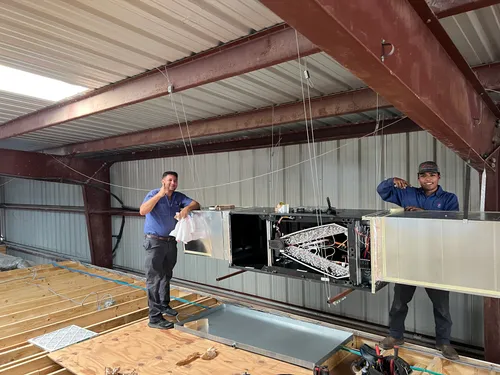
Aircons Heat & Better Air Inc is an HVAC company based in Dallas, TX, offering a wide range of heating and cooling services. They provide air conditioning and furnace repair, installation of heat pumps and geothermal systems, duct cleaning, thermostat installation, and indoor air quality solutions for both residential and commercial clients. The company is a certified Trane dealer and has over 15 years of experience in the industry. Their team is trained to handle all major HVAC brands and systems. Aircons Heat & Better Air Inc also offers financing options and is available for service calls day and night.
Total Air & Heat Co.
1408 O Ave suite 100, Plano, TX 75074
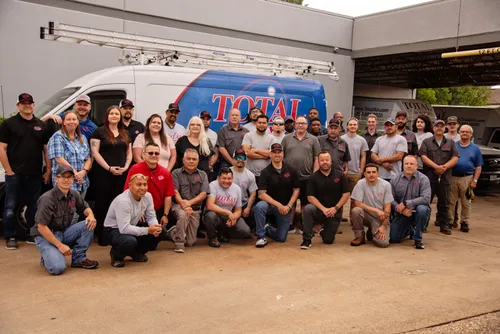
Total Air & Heat Co. is an HVAC and plumbing service provider based in Dallas, TX. They offer a wide range of services including air conditioning, heating, heat pump, and geothermal heat pump installation and repair, as well as indoor air quality solutions and thermostat installation. The company serves both residential and commercial customers, providing 24/7 repair services for HVAC systems. Established in 1957, Total Air & Heat Co. has over 60 years of experience and is a Carrier Factory Authorized Dealer with NATE-certified technicians. Their capabilities include working with traditional and geothermal heat pumps, as well as offering specialized products like air purifiers and UV lights for improved indoor air quality.

FERSA HVAC HEATING & AIR CONDITIONING
2130 Franklin Dr, Mesquite, TX 75150
FERSA HVAC HEATING & AIR CONDITIONING provides HVAC installation and indoor air quality services in Dallas, TX, and surrounding areas within a 30-mile radius. With 18 years of experience, they specialize in installing air conditioners, furnaces, heat pumps, and geothermal heat pumps for both residential and commercial clients. Their insured team offers 24/7 availability to ensure timely service and maintain comfortable indoor environments year-round.

Paschal Air, Plumbing & Electric
2201 Spinks Rd Ste. 109, Flower Mound, TX 75022
Paschal Air, Plumbing & Electric provides HVAC, plumbing, and electrical services in Fort Worth, TX. They offer installation and repair for air conditioning, furnaces, heat pumps, boilers, mini splits, and geothermal heat pumps. Their capabilities include HVAC tune-ups and comprehensive system maintenance to support home and business comfort.
Premier HVAC Services LLC
Fort Worth, TX
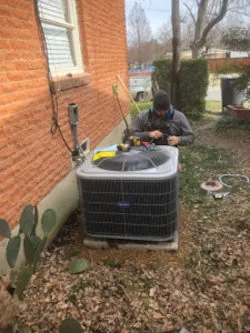
Premier HVAC Services LLC offers a range of heating and cooling solutions in Fort Worth, TX. They provide repair and installation services for air conditioners, furnaces, heat pumps, boilers, mini splits, and geothermal heat pumps. Their team also handles HVAC tune-ups to maintain system efficiency. Premier HVAC Services focuses on delivering comprehensive HVAC support tailored to local needs.
How Geothermal Heating and Cooling Works in McKinney
A geothermal system operates on a simple principle of heat transfer. Unlike conventional air conditioners and furnaces that battle the wildly fluctuating outdoor air, a ground-source heat pump exchanges heat with the earth, which maintains a remarkably consistent temperature of around 60-70°F just a few feet below the surface year-round.
For Heating: During our cooler months, a fluid circulating through pipes buried in your yard absorbs the mild heat from the ground. This warmed fluid is brought into the house where the geothermal heat pump concentrates the thermal energy and distributes it as warm air through your existing ductwork or through a hydronic (water-based) system 1.
For Cooling: In the scorching Texas summer, the process reverses. The system extracts heat and humidity from your home's interior. Instead of dumping this heat into the hot outdoor air like a standard AC unit, it transfers it into the relatively cooler ground loop fluid, which then dissipates the heat into the earth. This "free" heat sink makes the cooling process dramatically more efficient2.
This McKinney advantage is key: because the ground temperature is stable, the system doesn't have to work as hard during our hottest summer days or coldest winter snaps, leading to superior efficiency compared to air-source heat pumps3.
Types of Geothermal Loop Systems
The underground portion, or "ground loop," is the heart of the system. The right type for your McKinney property depends on your lot size, soil composition, and local geology. The International Ground Source Heat Pump Association (IGSHPA) outlines the primary configurations.
Closed-Loop Systems
This is the most common residential setup. A sealed loop of high-density polyethylene pipe is buried and filled with a water-based antifreeze solution that continuously circulates, transferring heat to and from the ground.
- Vertical Loops: Ideal for homes with smaller yards, like many in McKinney's established neighborhoods. Contractors drill boreholes 150 to 400 feet deep and insert U-shaped loops of pipe into each hole. This method minimizes surface disruption and is often preferred where space is limited.
- Horizontal Loops: These require more land area. Pipes are laid in trenches dug 4 to 6 feet deep. This can be a cost-effective option if you have sufficient, unobstructed yard space available for trenching4.
Open-Loop Systems
This system uses groundwater from a well as the heat exchange fluid. After passing through the heat pump, the water is discharged to a pond, stream, or recharge well. While potentially very efficient, an open-loop system requires an adequate supply of clean water and compliance with local codes regarding water discharge, making it less common than closed-loop designs5.
The Installation Process: What to Expect
Installing a geothermal system is a significant project that requires specialized expertise. Understanding the steps can help you prepare.
- Site Assessment & Design: A qualified installer will evaluate your property, considering soil conditions, lot size, and your home's heating and cooling loads. They will design the loop field and specify the correct indoor heat pump unit6.
- Loop Field Installation: This is the major excavation phase. For a vertical loop system, a drilling rig will create the necessary boreholes, which may take several days. For a horizontal system, a backhoe will dig the long trenches. The pipes are then placed, connected, and pressure-tested.
- Indoor Unit Installation: The geothermal heat pump unit-which is about the size of a small furnace-is installed in your garage, basement, or mechanical closet. It connects to your home's existing ductwork or radiant heating system7.
- Connection & Restoration: A trench is dug from the loop field to your home's foundation to connect the underground pipes to the indoor unit. Once everything is connected and tested, the contractor will backfill all boreholes and trenches, restoring your yard as much as possible8.
Benefits and Financial Considerations for McKinney Homeowners
Investing in a geothermal heat pump system offers compelling long-term advantages, though the initial cost is higher than a traditional HVAC system.
- Substantial Energy Savings: Geothermal systems can reduce your heating and cooling energy consumption by 40% to 70% compared to conventional systems. For a typical McKinney home, this can translate to over $1,000 in annual savings on utility bills9.
- Exceptional Longevity and Reliability: The underground loop piping is incredibly durable, with a lifespan often exceeding 50 years10. The indoor heat pump unit typically lasts 20 to 25 years, which is significantly longer than the 15-year average for standard air conditioners and furnaces10.
- Environmental Impact: By using renewable thermal energy from the earth and electricity (which can be sourced from renewables), geothermal systems drastically reduce your home's carbon footprint and reliance on fossil fuels11.
- Consistent Comfort: These systems provide even, draft-free heating and cooling and excel at dehumidification, enhancing indoor air quality and comfort.
Understanding Costs and ROI
For a standard 2,000-square-foot home in McKinney, a complete geothermal system installation typically ranges from $20,000 to $40,000 or more12 13. This upfront cost includes the loop field, heat pump unit, and all labor.
The return on investment (ROI) is strongest for homes with high cooling loads (common in Texas), those without access to natural gas, and properties with favorable soil conditions. While the payback period varies, the combination of massive utility savings, incredible system longevity, and potential increases in property value makes geothermal a wise financial decision for many homeowners planning to stay in their homes long-term.
Find the perfect geothermal heat pump contractors for your needs
Get personalized recommendations and expert advice
Choosing the Right System and Installer
Selecting a qualified geothermal contractor in McKinney is the most critical step. Look for companies with specific experience in ground-source heat pump installation and ask for references from local projects. They should be accredited by organizations like IGSHPA. A proper installer will conduct a detailed Manual J load calculation for your home and provide a clear, comprehensive quote that includes all excavation, equipment, and restoration work.
Be sure to ask about:
- Their experience with both vertical and horizontal loop installations.
- The brands of heat pump equipment they recommend and why.
- Warranty coverage for both the equipment and the loop field.
- Their process for obtaining necessary local permits.
Maintenance and Long-Term Care
One of the appealing aspects of geothermal systems is their low maintenance requirements. The underground loops are virtually maintenance-free. The indoor unit requires similar care to a traditional HVAC system: regular filter changes and periodic check-ups by a qualified technician to ensure the refrigerant charge, electrical components, and blower are functioning optimally. Scheduling an annual maintenance visit can help ensure your system continues to operate at peak efficiency for decades.
Frequently asked questions
Sources
Footnotes
-
How a Geothermal Heat Pump Works | This Old House - https://www.youtube.com/watch?v=d5Tbsx3R2T8 ↩
-
Geothermal Heat Pumps - EnergySmart CNY - https://www.energysmartcny.org/heat-pumps/geothermal/ ↩
-
Geothermal (Ground Source) Heat Pumps - NY.gov - https://cleanheat.ny.gov/geothermal-heat-pumps/ ↩
-
Geothermal Heat Pumps - Department of Energy - https://www.energy.gov/energysaver/geothermal-heat-pumps ↩
-
Geothermal Heating, Cooling, and Hot Water Systems - https://igshpa.org/wp-content/uploads/Homeowners-Guide-to-Geothermal.pdf ↩
-
All You Need to Know About Home Geothermal Heating & ... - https://dandelionenergy.com/all-you-need-to-know-about-home-geothermal-heating-cooling ↩
-
How to Install a Residential Geothermal System: A Step-by-Step Guide - https://www.envirotechgeo.com/how-to-install-a-residential-geothermal-system/ ↩
-
Geothermal Heat Pump Installation: What To Expect For Your ... - https://jomory.com/geothermal-heat-pump-installation-what-to-expect-for-your-property/ ↩
-
How Does A Geothermal Heat Pump Work? Complete 2025 Guide - https://solartechonline.com/blog/how-does-geothermal-heat-pump-work/ ↩
-
How Do Geothermal Systems Work for Residential Homes? - https://www.davisheat.com/blog/how-do-geothermal-systems-work-for-residential-homes/ ↩ ↩2
-
Geothermal Heating & Cooling - Department of Energy - https://www.energy.gov/eere/geothermal/geothermal-heating-cooling ↩
-
Geothermal HVAC: Feasibility & ROI - https://jupitairhvac.com/blog/geothermal-hvac-systems-feasibility-north-texas/ ↩
-
Geothermal Heat Pump Guide: Installation Costs, Types And Benefits - https://modernize.com/hvac/heating-repair-installation/heat-pump/geothermal ↩