Find the Best Geothermal Heat Pump Contractors for Your Business
No obligation • Fast responses • Nationwide coverage

Why you can trust HVAC Firms
HVAC Firms is a leading United States resource for evaluating HVAC service providers. Our team researches companies, checks credentials, and reviews customer feedback to present clear, unbiased information. Listings and rankings are based on merit, and companies cannot pay to change our editorial content.
Search providers near you
Top Geothermal Heat Pump Contractors in Lewisville, Texas Ranked
A geothermal heat pump, often called a ground-source heat pump, is one of the most energy-efficient heating and cooling systems available for your home. By leveraging the stable temperature of the earth just below the surface, these systems can dramatically reduce your energy bills and environmental footprint. For homeowners in Lewisville, understanding how geothermal works, what installation entails, and the local considerations can help you determine if this advanced technology is the right fit for your property and connect you with qualified local experts.
Aircons Heat & Better Air Inc
220 Commercial St, Garland, TX 75040
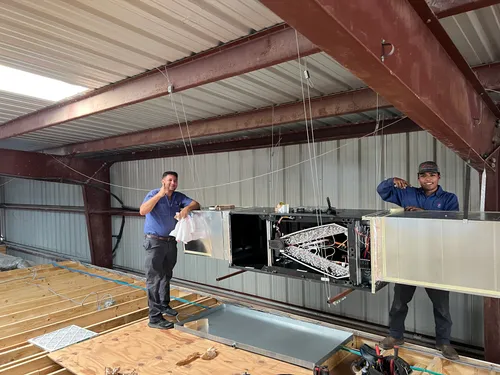
Aircons Heat & Better Air Inc is an HVAC company based in Dallas, TX, offering a wide range of heating and cooling services. They provide air conditioning and furnace repair, installation of heat pumps and geothermal systems, duct cleaning, thermostat installation, and indoor air quality solutions for both residential and commercial clients. The company is a certified Trane dealer and has over 15 years of experience in the industry. Their team is trained to handle all major HVAC brands and systems. Aircons Heat & Better Air Inc also offers financing options and is available for service calls day and night.
Fix My Air DFW AC Repair Fort Worth
600 W 6th St, W 4th St Floor – Suite 70, Fort Worth, TX 76102
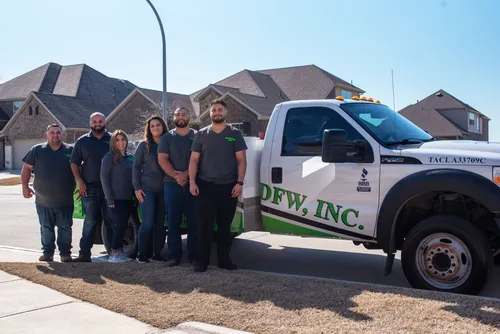
Fix My Air DFW AC Repair Fort Worth is an HVAC contractor serving Fort Worth, TX, and nearby cities including Saginaw, Keller, and Grapevine. They provide a wide range of residential and commercial HVAC services such as air conditioning repair and installation, furnace and heat pump services, duct cleaning, and indoor air quality solutions. Their team is skilled in handling complex HVAC systems, including geothermal heat pumps and duct modifications, ensuring efficient heating and cooling year-round. Established four years ago with over 15 years of combined experience, Fix My Air DFW offers 24-hour emergency HVAC repair to address urgent heating and cooling needs promptly.
Total Air & Heat Co.
1408 O Ave suite 100, Plano, TX 75074
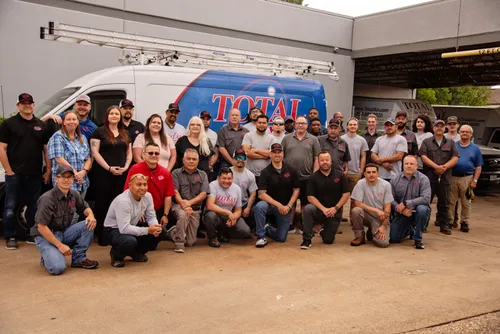
Total Air & Heat Co. is an HVAC and plumbing service provider based in Dallas, TX. They offer a wide range of services including air conditioning, heating, heat pump, and geothermal heat pump installation and repair, as well as indoor air quality solutions and thermostat installation. The company serves both residential and commercial customers, providing 24/7 repair services for HVAC systems. Established in 1957, Total Air & Heat Co. has over 60 years of experience and is a Carrier Factory Authorized Dealer with NATE-certified technicians. Their capabilities include working with traditional and geothermal heat pumps, as well as offering specialized products like air purifiers and UV lights for improved indoor air quality.
FERSA HVAC HEATING & AIR CONDITIONING
2130 Franklin Dr, Mesquite, TX 75150
FERSA HVAC HEATING & AIR CONDITIONING provides HVAC installation and indoor air quality services in Dallas, TX, and surrounding areas within a 30-mile radius. With 18 years of experience, they specialize in installing air conditioners, furnaces, heat pumps, and geothermal heat pumps for both residential and commercial clients. Their insured team offers 24/7 availability to ensure timely service and maintain comfortable indoor environments year-round.
MasterCraft Mechanical
1117 Roping Reins Way, Haslet, TX 76052
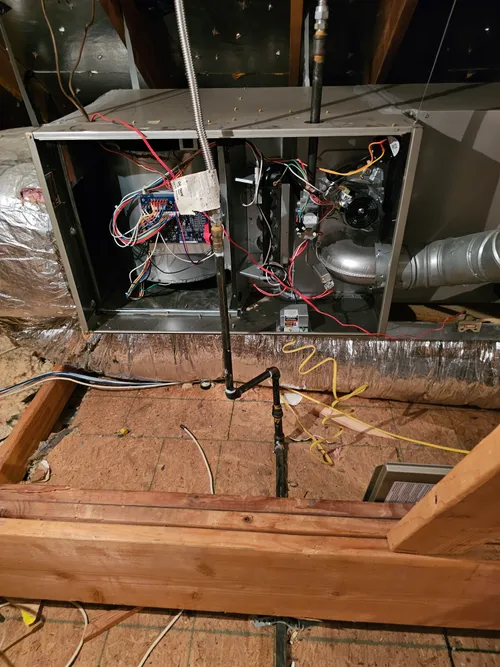
MasterCraft Mechanical is an HVAC company based in Fort Worth, TX, serving Haslet and the Dallas-Fort Worth metroplex. They provide a range of services including air conditioning, furnace, heat pump, mini split, and geothermal system installation and repair. The company offers emergency and 24-hour heating services, routine maintenance, and tune-ups to keep homes and commercial properties comfortable year-round. Their technicians perform thorough inspections and consultations to offer tailored solutions. MasterCraft Mechanical is known for using high-quality parts and equipment and holds an A rating from the Better Business Bureau.
How Geothermal Heating and Cooling Works
The core principle behind a geothermal system is surprisingly simple: it uses the earth as a giant thermal battery. Unlike the air temperature, which swings wildly with the seasons, the ground just a few feet below the surface maintains a remarkably stable temperature year-round-typically between 60°F and 70°F in the North Texas region. A geothermal, or ground-source, heat pump taps into this constant energy source.
The process involves a closed loop of pipes, called a ground loop, buried in your yard. A water-based solution circulates through these pipes. In the winter, this fluid absorbs the earth's natural warmth and carries it to the heat pump unit inside your home. The heat pump then concentrates this low-grade heat and distributes warm air through your existing ductwork 1. In the summer, the system reverses: it extracts heat and humidity from your indoor air and transfers it into the cooler ground loop, effectively using the earth to cool your home 2. This elegant heat exchange process is what delivers such exceptional efficiency.
Types of Ground Loop Systems for Lewisville Homes
The buried loop system is the heart of the installation, and the right type for your Lewisville home depends heavily on your property's characteristics. There are three primary configurations:
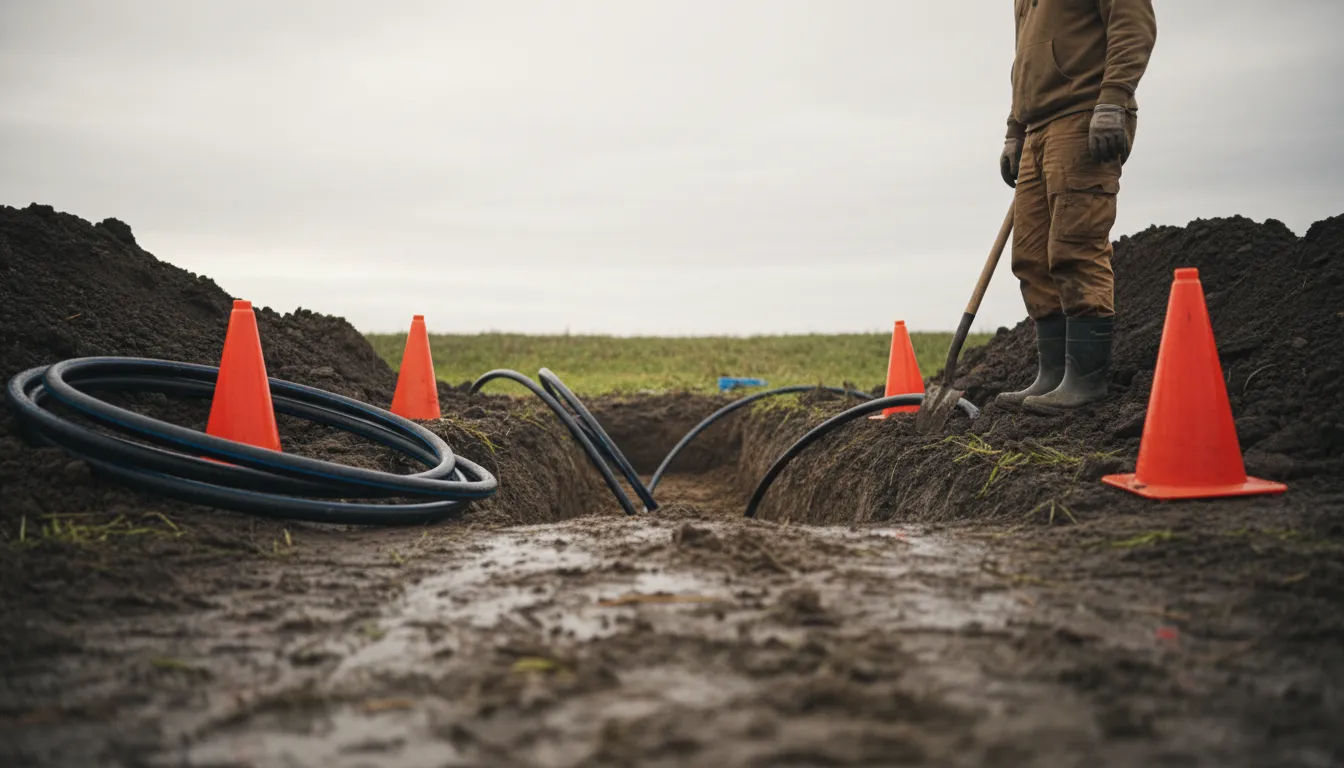
Closed-Loop Horizontal Systems This is the most common and often most cost-effective method for properties with sufficient land. Contractors dig trenches, typically about six feet deep, and lay long runs of piping in a series of loops before backfilling 3 4. While this approach requires a larger, clear area of your yard and causes temporary disruption, the installation process is generally quicker than other methods.
Closed-Loop Vertical Systems For homes in Lewisville with smaller lots, mature landscaping, or rocky soil, a vertical loop is the preferred solution. Instead of trenches, a drilling rig bores deep holes-usually between 150 to 400 feet deep-and U-shaped pipes are inserted into each borehole. This method minimizes surface disruption and is excellent for limited spaces, though the drilling equipment and depth involved make it a more expensive option upfront 5.
Pond or Lake Loops If your property has a suitable, deep-bodied pond or lake, this can be an efficient loop option. Coils of pipe are submerged at the bottom, where the water temperature remains stable. This method can lower installation costs by eliminating the need for extensive digging or drilling, but it is entirely dependent on having an adequate water source on your land 6.
The Geothermal Installation Process: What to Expect
Installing a geothermal HVAC system is a significant project that involves coordinated work both inside and outside your home. Understanding the steps can help you prepare.
- Site Evaluation and Design: A qualified installer will first assess your property, soil conditions, lot size, and home's heating/cooling load to design the optimal loop system and select the correctly sized heat pump unit.
- Loop Installation: This is the major exterior phase. For a horizontal system, you can expect heavy equipment like trenchers in your yard for a day or more. For a vertical system, a drilling rig will be on site. This stage creates the most visible disruption, but a professional crew will manage it carefully 7.
- Indoor Unit Installation: The geothermal heat pump unit itself is installed inside your home, typically in a basement, utility room, or garage. It connects to your existing ductwork and electrical system, similar to installing a new furnace or air handler 8.
- System Connection and Testing: The underground loops are connected to the indoor unit, the system is filled and pressurized, and everything is thoroughly tested for performance and leaks.
- Landscape Restoration: A reputable contractor will restore your yard after loop installation. While you may see trench lines or borehole caps initially, grass and landscaping typically recover within a growing season.
Find the perfect geothermal heat pump contractors for your needs
Get personalized recommendations and expert advice
Costs, Savings, and ROI in North Texas
The decision to invest in a geothermal system involves weighing significant upfront costs against long-term operational savings.
Installation Costs For a typical single-family home in Lewisville, a complete geothermal heat pump system installation generally ranges from $20,000 to over $50,000 9. The final price is highly variable and depends on your home's size, the chosen loop type (vertical loops cost more than horizontal), soil conditions, and the equipment's efficiency rating. As a rough example, a 2,000-square-foot home might see costs between $20,000 and $40,000 10.
Energy Savings and Efficiency This is where geothermal systems shine. By moving heat rather than creating it through combustion, ground-source heat pumps can achieve efficiencies of 300-600%. Homeowners can see reductions of up to 65% on their heating and cooling energy bills compared to conventional systems like standard air-source heat pumps or gas furnaces with central AC 11 12. In a climate like Lewisville's, with long, hot summers and variable winters, these savings can be substantial.
Longevity and Return on Investment (ROI) Geothermal systems are built to last. The underground polyethylene piping often comes with warranties of 50 years or more, and the indoor heat pump unit typically has a lifespan of 20-25 years-longer than most conventional HVAC equipment 13. The high ROI is most pronounced for North Texas homes that have high annual cooling loads, limited or no access to natural gas, and where the homeowner plans to stay for many years to realize the full payback through utility savings. It's important to conduct a detailed feasibility analysis, as for some homes with low energy use or cheap natural gas, a high-efficiency traditional system may offer a faster financial return.
Is a Geothermal System Right for Your Lewisville Home?
Geothermal heating and cooling offers a compelling package of ultra-high efficiency, quiet operation, low maintenance, and long system life. It's an excellent choice for homeowners who prioritize long-term energy savings, environmental sustainability, and consistent home comfort.
Key factors that make a home a good candidate include:
- Having adequate land for a horizontal loop or accepting the cost of a vertical loop system.
- Planning to remain in the home long enough to recoup the initial investment.
- Facing high electricity costs for cooling or expensive propane heating.
- Being prepared for the temporary yard disruption during installation.
For residents of Lewisville, consulting with a local geothermal specialist is the essential next step. They can provide a precise assessment of your property, detailed cost estimates, and projected savings based on your specific home and energy usage patterns.
Frequently asked questions
Sources
Footnotes
-
How a Geothermal Heat Pump Works | This Old House - https://www.youtube.com/watch?v=d5Tbsx3R2T8 ↩
-
Geothermal Heating And Cooling - https://connecticutwells.com/geothermal-heating-and-cooling/ ↩
-
Geothermal Heat Pump Installation: What To Expect For Your ... - https://jomory.com/geothermal-heat-pump-installation-what-to-expect-for-your-property/ ↩
-
Geothermal heating & cooling, heat pumps, heat exchange ... - https://aztechgeo.com/residential-geothermal/how-it-works/ ↩
-
How to Choose the Right System for Your Home - Morrison Inc. - https://morrisongeothermal.com/how-to-choose-the-right-system-for-your-home/ ↩
-
Geothermal Heat Pumps - Department of Energy - https://www.energy.gov/energysaver/geothermal-heat-pumps ↩
-
Geothermal Heat Pumps | WBDG - https://www.wbdg.org/resources/geothermal-heat-pumps ↩
-
All You Need to Know About Home Geothermal Heating & Cooling - Dandelion Energy - https://dandelionenergy.com/all-you-need-to-know-about-home-geothermal-heating-cooling ↩
-
Geothermal Heat Pump Guide: Installation Costs, Types And Benefits - https://modernize.com/hvac/heating-repair-installation/heat-pump/geothermal ↩
-
Geothermal HVAC: Feasibility & ROI - https://jupitairhvac.com/blog/geothermal-hvac-systems-feasibility-north-texas/ ↩
-
5 Things You Should Know about Geothermal Heat Pumps - https://www.energy.gov/cmei/articles/5-things-you-should-know-about-geothermal-heat-pumps ↩
-
How Does A Geothermal Heat Pump Work? Complete 2025 Guide - https://solartechonline.com/blog/how-does-geothermal-heat-pump-work/ ↩
-
How Do Geothermal Systems Work for Residential Homes? - https://www.davisheat.com/blog/how-do-geothermal-systems-work-for-residential-homes/ ↩