
Find the Best Geothermal Heat Pump Contractors for Your Business
No obligation • Fast responses • Nationwide coverage

Why you can trust HVAC Firms
HVAC Firms is a leading United States resource for evaluating HVAC service providers. Our team researches companies, checks credentials, and reviews customer feedback to present clear, unbiased information. Listings and rankings are based on merit, and companies cannot pay to change our editorial content.
Search providers near you
Top Geothermal Heat Pump Contractors in Leander, Texas Ranked
A geothermal heat pump, or ground-source heat pump, is a highly efficient heating and cooling system that leverages the Earth's stable underground temperature. For homeowners in Leander, this technology offers a reliable way to manage indoor climate while significantly reducing energy consumption and utility bills. This guide explains how these systems work, their benefits, and how you can find qualified local professionals to assess your property and install a system tailored to your home.
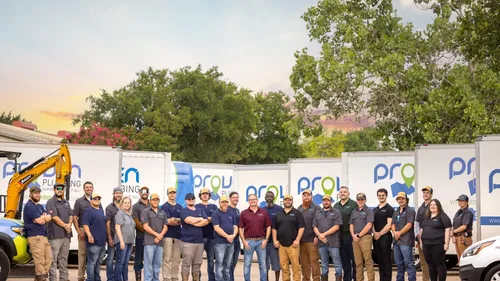
Proven Plumbing & Air
300 Brushy Creek Rd Suite 402, Cedar Park, TX 78613
Proven Plumbing & Air is an HVAC and plumbing service provider based in Austin, TX. They offer a range of services including air conditioning, furnace, heat pump, boiler, mini split, and geothermal heat pump installation and repair, along with HVAC tune-up services. The company emphasizes the use of advanced technology and clear communication to support their work. Proven Plumbing & Air aims to provide reliable home service with well-organized teams and equipment.
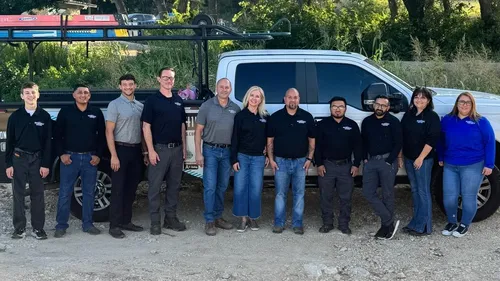
Petrocelli Services Inc.
12000 Trails End Rd, Leander, TX 78641
Petrocelli Services Inc. is a full-service HVAC company located in Austin, TX. They provide sales, installation, and repair services for residential and commercial heating and cooling systems, including air conditioners, furnaces, heat pumps, boilers, mini splits, and geothermal heat pumps. Established in 1990, Petrocelli Services has been serving Austin and nearby areas such as Round Rock and Cedar Park for over three decades.
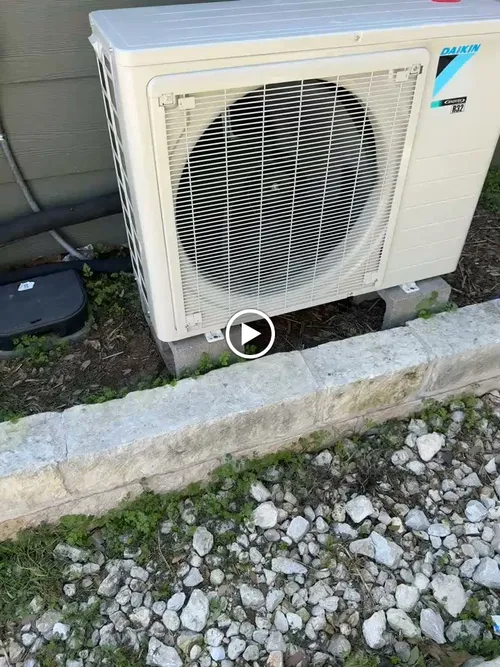
TX Central Services LLC
1011 S Heatherwilde Blvd #220, Pflugerville, TX 78660
TX Central Services LLC provides comprehensive HVAC services in Austin, TX. They handle maintenance, repairs, and installations for air conditioners, furnaces, heat pumps, boilers, mini splits, and geothermal heat pumps. Their team is skilled in both small repairs and large-scale HVAC installations, ensuring systems operate efficiently and reliably.
How Geothermal Heating and Cooling Works
The principle behind a geothermal system is elegantly simple: it uses the ground beneath your property as a constant-temperature battery. Just a few feet below the surface, the Earth in North Texas maintains a steady temperature between 60°F and 70°F year-round, regardless of the summer heat or winter chill above ground. 1
A geothermal, or ground-source, system has three main components:
- The Ground Loop: A network of high-density polyethylene pipes buried in your yard. These pipes are filled with a water-based fluid that circulates continuously.
- The Heat Pump Unit: Located inside your home, this unit contains a compressor and a heat exchanger.
- The Distribution System: Typically, your home's existing ductwork is used to distribute conditioned air.
In the winter, the fluid in the underground pipes absorbs the Earth's natural heat. This warmed fluid is pumped to the indoor heat pump unit, which concentrates the thermal energy and transfers it to air that is then circulated through your ducts. The process reverses for cooling. In summer, the system extracts heat from your home's air, transfers it to the fluid in the loop, and rejects it into the cooler earth. 2 This exchange of heat with the ground, rather than the outside air, is what makes geothermal technology exceptionally efficient.
Types of Ground Loop Systems for Leander Homes
The design of the underground piping, or ground loop, is critical and depends on your property's characteristics. A professional installer will conduct a thorough site assessment to determine the best option. The most common types are:
Closed-Loop Horizontal System This is often the most cost-effective option if you have sufficient land. Contractors excavate trenches three to six feet deep and lay the piping loops horizontally. While this method requires more yard space, it generally involves lower installation costs than vertical drilling. 3
Closed-Loop Vertical System For homes in Leander with smaller lots, rocky soil, or limited usable land, a vertical system is the ideal solution. Installers use a drilling rig to bore holes 150 to 400 feet deep. U-shaped pipe loops are inserted into each borehole, which are then spaced apart and grouted. This configuration requires less horizontal space but is more expensive due to the specialized drilling equipment and labor involved. 4
Open-Loop System This less common option can be highly efficient if conditions are right. It uses groundwater from a well or a nearby pond as the heat exchange fluid, circulating it directly through the heat pump before discharging it. Its feasibility depends entirely on having an adequate supply of suitable water and complying with local codes.
Find the perfect geothermal heat pump contractors for your needs
Get personalized recommendations and expert advice
The Geothermal Installation Process
Installing a residential geothermal system is a significant project that requires expertise. Understanding the steps can help you know what to expect when working with a local contractor.
- Comprehensive Site Evaluation: A qualified installer will visit your home to assess soil conditions, available land, your existing ductwork, and your heating and cooling loads. This evaluation is crucial for designing an effective and efficient system. 5
- Loop Field Installation: This is the major outdoor work. For a horizontal system, trenches are dug across the yard. For a vertical system, a drilling rig creates the necessary boreholes. High-density polyethylene pipes are then laid in the trenches or inserted into the boreholes. 6
- Connection and Testing: All pipe runs are connected to form a continuous loop. The entire loop system is pressure-tested to ensure there are no leaks before it is buried or grouted.
- Indoor Unit Installation: The geothermal heat pump unit is installed inside your home, typically in a basement, utility room, or garage. It is connected to the ground loop piping and to your home's electrical system and ductwork.
- System Startup and Commissioning: The installer fills the loop with fluid, purges air from the lines, and starts the system. They will calibrate the controls and ensure everything is operating at peak efficiency before handing it over to you.
Benefits and Return on Investment
The upfront cost of a geothermal system is an investment that pays dividends for decades through operational savings and increased comfort.
Substantial Energy Savings Geothermal heat pumps are the most efficient heating and cooling technology available, often achieving efficiencies of 300-600%. Homeowners can typically expect a reduction of 30% to 70% in their heating and cooling energy bills compared to conventional systems like standard air-source heat pumps or furnaces with air conditioners. 7 8
Strong Financial Payback While the initial installation cost is higher, the dramatic reduction in monthly utility bills leads to a compelling return on investment (ROI). The payback period-the time it takes for energy savings to equal the initial investment-often falls between 5 and 10 years in North Texas, especially for homes with high cooling demands. After the payback period, the ongoing savings go directly into your pocket.
Exceptional Longevity and Low Maintenance The indoor heat pump unit typically lasts 20-25 years, comparable to high-end conventional systems. The real advantage is the ground loop, which, made from durable plastics, often comes with warranties of 50 years and can realistically last for generations with minimal maintenance.
Environmental Comfort and Impact Geothermal systems provide exceptionally consistent and quiet comfort, with no noisy outdoor condenser unit. They also significantly reduce your home's carbon footprint by using renewable thermal energy from the ground and consuming less electricity. 9
Understanding Costs and Incentives in Leander
For a typical single-family home in Leander, a complete geothermal heating and cooling system installation can range from $20,000 to over $50,000. 10 The final cost is highly variable and depends on:
- Loop Type: Vertical systems are more expensive than horizontal ones due to drilling costs.
- Home Size and Load: Larger homes require larger capacity systems and more loop field.
- Site Conditions: Rocky soil or difficult access can increase installation complexity and cost.
- Existing Infrastructure: The condition of your ductwork may affect the project scope.
It's helpful to break down the cost: the heat pump unit itself for a 3-ton system might be around $7,500, but the majority of the expense is in the ground loop installation and associated labor. 11 12 However, when evaluating cost, consider the total lifecycle. The higher efficiency means you might save hundreds of dollars each month on your energy bills, directly offsetting the initial premium over time. 13
Furthermore, federal tax incentives, such as the Residential Clean Energy Credit, can significantly reduce the net cost of installing an Energy Star certified geothermal heat pump system. A local installer will be up-to-date on all applicable federal, state, and utility rebates available to Leander residents.
Frequently asked questions
Sources
Footnotes
-
How Geothermal Heat Pumps Work - https://www.youtube.com/watch?v=XxlTnBukweI&t=37 ↩
-
How a Geothermal Heat Pump Works | This Old House - https://www.youtube.com/watch?v=d5Tbsx3Rbsx3R2T8 ↩
-
Geothermal heat pumps: The ultimate guide to ground-source ... - https://termo-plus.com/blog/geothermal-ultimate-guide-to-ground-source-heat-pumps/ ↩
-
Geothermal heating & cooling, heat pumps, heat exchange ... - https://aztechgeo.com/residential-geothermal/how-it-works/ ↩
-
Geothermal Installation Steps Explained - https://ultrageothermal.com/geothermal-installation-steps-explained/ ↩
-
All You Need to Know About Home Geothermal Heating & Cooling - Dandelion Energy - https://dandelionenergy.com/all-you-need-to-know-about-home-geothermal-heating-cooling ↩
-
Guide to Geothermal Heat Pumps - https://www.energy.gov/sites/prod/files/guide_to_geothermal_heat_pumps.pdf ↩
-
How Do Geothermal Systems Work for Residential Homes? - https://www.davisheat.com/blog/how-do-geothermal-systems-work-for-residential-homes/ ↩
-
Geothermal Heat Pumps | WBDG - https://www.wbdg.org/resources/geothermal-heat-pumps ↩
-
Geothermal Heat Pumps - Department of Energy - https://www.energy.gov/energysaver/geothermal-heat-pumps ↩
-
How Does A Geothermal Heat Pump Work? Complete 2025 Guide - https://solartechonline.com/blog/how-does-geothermal-heat-pump-work/ ↩
-
Geothermal Heat Pump Guide: Installation Costs, Types And Benefits - https://modernize.com/hvac/heating-repair-installation/heat-pump/geothermal ↩
-
Geothermal HVAC: Feasibility & ROI - https://jupitairhvac.com/blog/geothermal-hvac-systems-feasibility-north-texas/ ↩