
Find the Best Geothermal Heat Pump Contractors for Your Business
No obligation • Fast responses • Nationwide coverage

Why you can trust HVAC Firms
HVAC Firms is a leading United States resource for evaluating HVAC service providers. Our team researches companies, checks credentials, and reviews customer feedback to present clear, unbiased information. Listings and rankings are based on merit, and companies cannot pay to change our editorial content.
Search providers near you
Top Geothermal Heat Pump Contractors in Coppell, Texas Ranked
Geothermal heat pumps, also known as ground-source heat pumps, are a highly efficient method for heating and cooling your home by leveraging the stable temperatures found underground. For homeowners in Coppell, this technology offers a way to achieve significant energy savings and reduce environmental impact while maintaining year-round comfort. This guide will help you understand how these systems work, their benefits, and what to consider when looking for local expertise to install or service a geothermal system for your property.
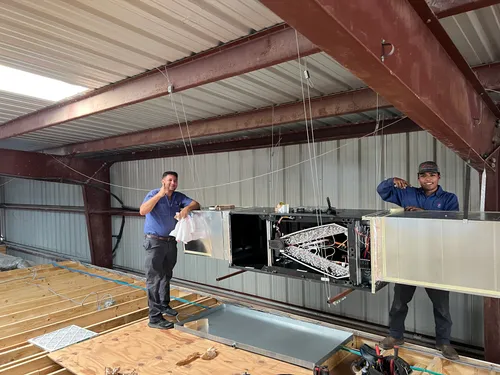
Aircons Heat & Better Air Inc
220 Commercial St, Garland, TX 75040
Aircons Heat & Better Air Inc is an HVAC company based in Dallas, TX, offering a wide range of heating and cooling services. They provide air conditioning and furnace repair, installation of heat pumps and geothermal systems, duct cleaning, thermostat installation, and indoor air quality solutions for both residential and commercial clients. The company is a certified Trane dealer and has over 15 years of experience in the industry. Their team is trained to handle all major HVAC brands and systems. Aircons Heat & Better Air Inc also offers financing options and is available for service calls day and night.
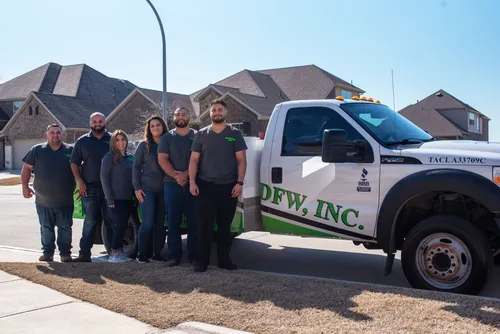
Fix My Air DFW AC Repair Fort Worth
600 W 6th St, W 4th St Floor – Suite 70, Fort Worth, TX 76102
Fix My Air DFW AC Repair Fort Worth is an HVAC contractor serving Fort Worth, TX, and nearby cities including Saginaw, Keller, and Grapevine. They provide a wide range of residential and commercial HVAC services such as air conditioning repair and installation, furnace and heat pump services, duct cleaning, and indoor air quality solutions. Their team is skilled in handling complex HVAC systems, including geothermal heat pumps and duct modifications, ensuring efficient heating and cooling year-round. Established four years ago with over 15 years of combined experience, Fix My Air DFW offers 24-hour emergency HVAC repair to address urgent heating and cooling needs promptly.
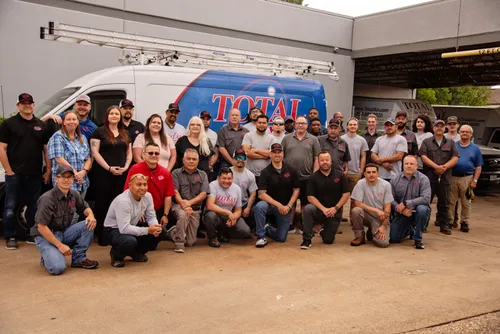
Total Air & Heat Co.
1408 O Ave suite 100, Plano, TX 75074
Total Air & Heat Co. is an HVAC and plumbing service provider based in Dallas, TX. They offer a wide range of services including air conditioning, heating, heat pump, and geothermal heat pump installation and repair, as well as indoor air quality solutions and thermostat installation. The company serves both residential and commercial customers, providing 24/7 repair services for HVAC systems. Established in 1957, Total Air & Heat Co. has over 60 years of experience and is a Carrier Factory Authorized Dealer with NATE-certified technicians. Their capabilities include working with traditional and geothermal heat pumps, as well as offering specialized products like air purifiers and UV lights for improved indoor air quality.
FERSA HVAC HEATING & AIR CONDITIONING
2130 Franklin Dr, Mesquite, TX 75150
FERSA HVAC HEATING & AIR CONDITIONING provides HVAC installation and indoor air quality services in Dallas, TX, and surrounding areas within a 30-mile radius. With 18 years of experience, they specialize in installing air conditioners, furnaces, heat pumps, and geothermal heat pumps for both residential and commercial clients. Their insured team offers 24/7 availability to ensure timely service and maintain comfortable indoor environments year-round.
MasterCraft Mechanical
1117 Roping Reins Way, Haslet, TX 76052
MasterCraft Mechanical is an HVAC company based in Fort Worth, TX, serving Haslet and the Dallas-Fort Worth metroplex. They provide a range of services including air conditioning, furnace, heat pump, mini split, and geothermal system installation and repair. The company offers emergency and 24-hour heating services, routine maintenance, and tune-ups to keep homes and commercial properties comfortable year-round. Their technicians perform thorough inspections and consultations to offer tailored solutions. MasterCraft Mechanical is known for using high-quality parts and equipment and holds an A rating from the Better Business Bureau.
How Geothermal Systems Work in Coppell's Climate
The core principle behind a geothermal heating and cooling system is simple: it uses the earth as a heat source in winter and a heat sink in summer. Unlike the air temperature in Coppell, which can swing from over 105°F in summer to freezing in winter, the ground just a few feet below the surface maintains a remarkably stable temperature of approximately 67 to 69°F year-round.
In the winter, a fluid (usually water or an antifreeze solution) circulates through a loop of pipes buried in your yard. This fluid absorbs the gentle heat from the ground and carries it to an indoor heat pump unit. The heat pump then concentrates this thermal energy and distributes warm air throughout your home via the existing ductwork 1. During the scorching Coppell summer, the process reverses. The system extracts heat and humidity from your indoor air, transfers it to the fluid in the ground loop, and deposits it into the cooler earth, leaving you with cool, conditioned air 2 3. Because the system exchanges heat with the stable ground rather than the extreme outdoor air, it operates with exceptional efficiency.
Types of Ground Loop Systems
The buried pipe system, or ground loop, is the heart of a geothermal installation. The right type for your Coppell home depends largely on your property's soil conditions, geology, and available land area.
- Vertical Closed-Loop System: This is the most common choice for residential properties in Coppell, especially those with limited yard space. Contractors use a drilling rig to bore holes 150 to 450 feet deep. U-shaped pipes are inserted into each borehole, which are then grouted for optimal heat transfer. While the drilling process is more specialized, a vertical system requires the least amount of surface land 4.
- Horizontal Closed-Loop System: If you have ample, clear land, a horizontal loop may be an option. Trenchers dig trenches approximately six feet deep and several hundred feet long. Coils or straight runs of pipe are laid in these trenches before they are backfilled. This method typically has a lower installation cost than vertical drilling but requires a significantly larger plot of land 5 6.
- Open-Loop System: This system uses groundwater from a well as the direct heat exchange fluid. After passing through the heat pump, the water is discharged back into a second well, a pond, or a stream, depending on local regulations. While potentially very efficient, open-loop systems require an adequate supply of clean water and are subject to more permitting and environmental considerations.
Benefits for Coppell Homeowners
Investing in a ground-source heat pump system offers a compelling list of advantages that go beyond simple temperature control.
- Substantial Energy Savings: This is the most significant benefit. By tapping into the earth's consistent temperature, geothermal systems can be 300-600% efficient, meaning they move three to six units of heat for every one unit of electricity used to run them. Homeowners can typically expect savings of 30% to 70% on their heating and cooling bills compared to conventional systems 7 8.
- Long-Term Reliability and Lifespan: The indoor components of a geothermal heat pump, similar to a traditional furnace or air handler, have a lifespan of 20 to 25 years. The most durable part-the underground loop-is often guaranteed for 50 years and can last for generations with virtually no maintenance 9.
- Quiet Operation and Comfort: With no noisy outdoor condenser unit (like a traditional air conditioner), geothermal systems operate very quietly. They also provide more consistent temperatures and better humidity control than forced-air systems that start and stop frequently.
- Environmental Friendliness: By drastically reducing electricity or natural gas consumption for heating and cooling, these systems significantly lower a home's carbon footprint. They use a renewable, on-site energy source-the earth's heat.
Find the perfect geothermal heat pump contractors for your needs
Get personalized recommendations and expert advice
Understanding Costs and Return on Investment
The upfront cost for a complete geothermal heating and cooling system in Coppell is a primary consideration for most homeowners. Installation, which includes the ground loop, heat pump unit, and integration with your home, often ranges from $20,000 to $40,000 or more for a typical residence 10 11. This is higher than a conventional HVAC system due to the excavation, drilling, and specialized equipment required.
However, this initial investment is balanced by dramatic operational savings. The high efficiency translates directly into lower monthly utility bills. For many homeowners, the savings on energy costs allow the system to pay for itself, or "break even," within a 5- to 10-year period. After that point, the continued savings represent pure financial gain. Furthermore, a geothermal system can increase property value due to its low operating costs and modern, sustainable technology.
The Installation Process and Property Impact
Installing a geothermal system is a significant project that requires careful planning and skilled professionals. The process generally involves:
- Site Evaluation and Design: A contractor will assess your property, soil, and home's layout to design the most effective loop system and size the heat pump correctly.
- Loop Installation: This is the most disruptive phase. For a vertical system, a drilling rig will be brought in. For a horizontal system, a trencher will dig long channels across the yard. This work can affect landscaping.
- Indoor Unit Installation: The geothermal heat pump unit is installed inside your home (often in a basement, utility room, or garage) and connected to your existing ductwork.
- Connection and Testing: The indoor and outdoor loops are connected, the system is charged with fluid, and comprehensive testing ensures everything operates efficiently and safely.
Because of the excavation involved, installation is often most convenient during new home construction or a major renovation. However, retrofits are entirely possible and common.
Incentives and Professional Selection
To help offset the initial cost, it's crucial to investigate available financial incentives. While federal tax credits have been available in the past, their status changes. Always check for current federal, state, and local programs. Additionally, some utility companies, including those serving the Coppell area, may offer rebates for installing high-efficiency geothermal systems 12 13.
Selecting the right installer is paramount. Look for contractors with specific experience in geothermal or ground-source heat pump installation. They should be properly licensed, insured, and able to provide references from past projects. A reputable professional will conduct a detailed load calculation for your home, not just base the system size on square footage, and will walk you through all the options, costs, and expected savings.
Frequently asked questions
Sources
Footnotes
-
How a Geothermal Heat Pump Works | This Old House - https://www.youtube.com/watch?v=d5Tbsx3R2T8 ↩
-
Geothermal HVAC: Feasibility & ROI - https://jupitairhvac.com/blog/geothermal-hvac-systems-feasibility-north-texas/ ↩
-
How Geothermal Heat Pumps Work - https://www.youtube.com/watch?v=XxlTnBukweI&t=37 ↩
-
Geothermal Heat Pumps - EnergySmart CNY - https://www.energysmartcny.org/heat-pumps/geothermal/ ↩
-
Geothermal Heat Pumps | WBDG - https://www.wbdg.org/resources/geothermal-heat-pumps ↩
-
Geothermal heating & cooling, heat pumps, heat exchange ... - https://aztechgeo.com/residential-geothermal/how-it-works/ ↩
-
Geothermal Heat Pumps - Department of Energy - https://www.energy.gov/energysaver/geothermal-heat-pumps ↩
-
How Do Geothermal Systems Work for Residential Homes? - https://www.davisheat.com/blog/how-do-geothermal-systems-work-for-residential-homes/ ↩
-
How it Works - https://www.climatemaster.com/homeowner/side-links/how-it-works ↩
-
How Geothermal Heating and Cooling Systems Work | Belle Air - https://www.belleairservices.com/how-geothermal-heating-and-cooling-systems-work/ ↩
-
Geothermal Heat Pump Guide: Installation Costs, Types And Benefits - https://modernize.com/hvac/heating-repair-installation/heat-pump/geothermal ↩
-
About Geothermal - https://igshpa.org/about-geothermal/ ↩
-
Guide to Geothermal Heat Pumps - https://www.energy.gov/sites/prod/files/guide_to_geothermal_heat_pumps.pdf ↩