
Find the Best Geothermal Heat Pump Contractors for Your Business
No obligation • Fast responses • Nationwide coverage

Why you can trust HVAC Firms
HVAC Firms is a leading United States resource for evaluating HVAC service providers. Our team researches companies, checks credentials, and reviews customer feedback to present clear, unbiased information. Listings and rankings are based on merit, and companies cannot pay to change our editorial content.
Search providers near you
Top Geothermal Heat Pump Contractors in Cedar Hill, Texas Ranked
A geothermal heat pump is a highly efficient heating and cooling system that leverages the stable temperature of the earth beneath your property. For Cedar Hill homeowners, this technology offers a powerful way to manage indoor climate while dramatically reducing energy consumption and utility bills. This guide explains how ground-source systems work, what installation involves, and how you can find qualified local specialists to evaluate your home's potential for this sustainable upgrade.
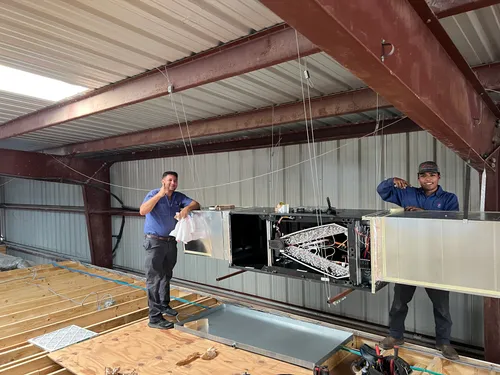
Aircons Heat & Better Air Inc
220 Commercial St, Garland, TX 75040
Aircons Heat & Better Air Inc is an HVAC company based in Dallas, TX, offering a wide range of heating and cooling services. They provide air conditioning and furnace repair, installation of heat pumps and geothermal systems, duct cleaning, thermostat installation, and indoor air quality solutions for both residential and commercial clients. The company is a certified Trane dealer and has over 15 years of experience in the industry. Their team is trained to handle all major HVAC brands and systems. Aircons Heat & Better Air Inc also offers financing options and is available for service calls day and night.
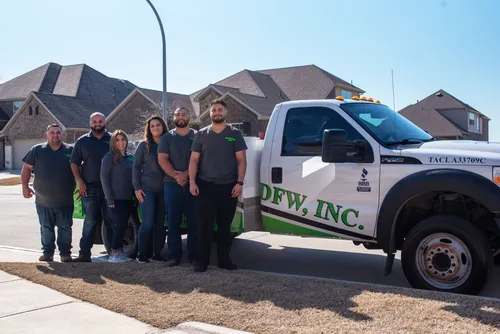
Fix My Air DFW AC Repair Fort Worth
600 W 6th St, W 4th St Floor – Suite 70, Fort Worth, TX 76102
Fix My Air DFW AC Repair Fort Worth is an HVAC contractor serving Fort Worth, TX, and nearby cities including Saginaw, Keller, and Grapevine. They provide a wide range of residential and commercial HVAC services such as air conditioning repair and installation, furnace and heat pump services, duct cleaning, and indoor air quality solutions. Their team is skilled in handling complex HVAC systems, including geothermal heat pumps and duct modifications, ensuring efficient heating and cooling year-round. Established four years ago with over 15 years of combined experience, Fix My Air DFW offers 24-hour emergency HVAC repair to address urgent heating and cooling needs promptly.

FERSA HVAC HEATING & AIR CONDITIONING
2130 Franklin Dr, Mesquite, TX 75150
FERSA HVAC HEATING & AIR CONDITIONING provides HVAC installation and indoor air quality services in Dallas, TX, and surrounding areas within a 30-mile radius. With 18 years of experience, they specialize in installing air conditioners, furnaces, heat pumps, and geothermal heat pumps for both residential and commercial clients. Their insured team offers 24/7 availability to ensure timely service and maintain comfortable indoor environments year-round.

Paschal Air, Plumbing & Electric
7120 W Interstate 20, Arlington, TX 76017
Paschal Air, Plumbing & Electric provides HVAC, plumbing, and electrical services in Arlington, TX. They offer repair and installation for air conditioning, furnaces, heat pumps, boilers, mini splits, and geothermal heat pumps. The company handles HVAC tune-ups and maintenance to support system efficiency and longevity.

Paschal Air, Plumbing & Electric
2201 Spinks Rd Ste. 109, Flower Mound, TX 75022
Paschal Air, Plumbing & Electric provides HVAC, plumbing, and electrical services in Fort Worth, TX. They offer installation and repair for air conditioning, furnaces, heat pumps, boilers, mini splits, and geothermal heat pumps. Their capabilities include HVAC tune-ups and comprehensive system maintenance to support home and business comfort.
How Geothermal Systems Work in North Texas
The core principle behind a geothermal, or ground-source, heat pump is remarkably simple: it uses the earth as a constant temperature exchange medium. In the Cedar Hill area and across North Texas, the ground temperature a few feet below the surface remains a relatively steady 60-70°F year-round, regardless of summer heat or winter chill 1. This stability is the system's secret weapon.
Here's the basic process:
- Heat Exchange: A mixture of water and antifreeze circulates through a network of pipes, called a ground loop, buried in your yard.
- Winter Heating: The fluid absorbs the earth's natural warmth in the loop and carries it to the heat pump unit inside your home. The heat pump concentrates this low-grade thermal energy and distributes warm air through your ductwork.
- Summer Cooling: The process reverses. The system extracts heat from your indoor air and transfers it into the cooler fluid in the loop, which then dissipates the heat into the ground.
Unlike a traditional air-source heat pump or furnace that creates heat by burning fuel, a geothermal unit simply moves existing heat. This "heat transfer, not creation" approach is what makes it so exceptionally efficient, often leading to energy savings of 50-70% on heating and cooling costs 2.
Types of Ground Loop Systems
The buried pipe system is the heart of the installation, and the right configuration depends on your property's characteristics. The two most common types are closed-loop systems.
Vertical Closed-Loop This is a frequent choice for Cedar Hill properties with limited yard space. Contractors use a drilling rig to bore holes 150 to 450 feet deep. U-shaped pipes are inserted into each borehole, which are then filled with a special grout to ensure good thermal contact. Vertical loops are ideal when the subsurface geology, such as the limestone common in the DFW area, makes drilling feasible, and they offer excellent performance with a small surface footprint.
Horizontal Closed-Loop If you have more available land, a horizontal loop can be a cost-effective option. Trenches are dug about four to six feet deep, and pipes are laid in a series of parallel runs or slinky coils before the trenches are backfilled 3 4. This method typically requires more square footage but can avoid the cost of deep drilling.
Other Configurations
- Pond/Lake Loop: If you have a sufficient, deep body of water on your property, coils of pipe can be submerged at the bottom. This can be one of the least expensive loop installations if conditions are right.
- Open-Loop System: This system uses groundwater from a well directly as the heat exchange fluid. After passing through the heat pump, the water is discharged back into a well, pond, or stream. It requires an abundant, clean water source and compliance with local codes.
A professional site assessment is crucial to determine the best loop type for your soil conditions, land availability, and local geology.
The Installation Process for Cedar Hill Homes
Installing a geothermal system is a significant project that requires expert planning and execution. Here's what a typical installation entails:
- Comprehensive Site Evaluation: A qualified installer will assess your property's soil composition, rock content, available space, and landscape. They will also evaluate your home's existing ductwork and heating/cooling loads to properly size the system 5.
- Loop Field Installation: For a vertical system, a drilling rig will create the necessary boreholes. For a horizontal system, a trencher or backhoe will dig the required trenches. The high-density polyethylene pipes are then placed and connected into a continuous loop 6.
- Heat Pump & Indoor Unit Installation: The indoor heat pump unit, which is about the size of a traditional furnace, is installed and connected to the ground loop and your home's electrical system. It interfaces with your existing air handler and ductwork to distribute conditioned air 7.
- Permitting and Inspection: Reputable contractors will handle pulling all required local permits from Cedar Hill or Dallas County and will schedule the necessary inspections to ensure the installation meets all building and electrical codes.
Find the perfect geothermal heat pump contractors for your needs
Get personalized recommendations and expert advice
Financial Considerations: Cost, Savings, and Incentives
The decision to invest in a geothermal system involves understanding the upfront costs against the long-term financial and comfort benefits.
Upfront Investment The initial cost for a complete geothermal system in Cedar Hill is higher than a standard HVAC system. Total costs typically range from $20,000 to $50,000 or more 8. This includes the heat pump unit (e.g., a 3-ton unit may start around $7,500) and the ground loop installation, which can vary widely from $10,000 to over $30,000 depending on the loop type and site conditions 9 10.
Long-Term Energy Savings This is where geothermal shines. By slashing heating and cooling energy use by 50-70%, homeowners can save thousands of dollars annually on their utility bills 11 12. For a home with high energy costs, annual savings can easily reach $1,000 or more, making the system pay for itself over time.
Return on Investment (ROI) and Payback Most homeowners see a payback period on their investment within 5 to 10 years through energy savings. Given that the indoor components last about 20-25 years and the underground loop can last 50 years or more, the system provides decades of savings and reliable service after the payback period.
Available Incentives To help offset the initial cost, federal tax incentives are often available for installing an Energy Star certified geothermal heat pump. It's essential to check the current IRS guidelines for the latest credit amounts and qualifications. Your local installer should be up-to-date on all applicable incentives.
Benefits Beyond Savings
While financial payback is a major advantage, geothermal systems offer other compelling benefits for Cedar Hill residents:
- Exceptional Comfort: These systems provide consistent, even heating and cooling without the drafts or temperature swings common with conventional systems. They also excel at dehumidifying in the summer.
- Quiet Operation: With no loud outdoor condenser unit, the system runs very quietly. The main noise comes from the indoor air handler, similar to a refrigerator.
- Durability and Low Maintenance: The protected underground piping has a legendary lifespan, and the indoor heat pump components experience less wear and tear because they operate in a stable environment.
- Environmental Impact: By using renewable thermal energy from the ground and electricity, geothermal systems significantly reduce your home's carbon footprint associated with heating and cooling.
Frequently asked questions
Sources
Footnotes
-
Geothermal Heat Pumps - EnergySmart CNY - https://www.energysmartcny.org/heat-pumps/geothermal/ ↩
-
5 Things You Should Know about Geothermal Heat Pumps - https://www.energy.gov/cmei/articles/5-things-you-should-know-about-geothermal-heat-pumps ↩
-
How Does A Geothermal Heat Pump Work? Complete 2025 Guide - https://solartechonline.com/blog/how-does-geothermal-heat-pump-work/ ↩
-
Geothermal Heating, Cooling, and Hot Water Systems - https://igshpa.org/wp-content/uploads/Homeowners-Guide-to-Geothermal.pdf ↩
-
Geothermal Heat Pumps | WBDG - https://www.wbdg.org/resources/geothermal-heat-pumps ↩
-
Geothermal heat pumps: The ultimate guide to ground-source ... - https://termo-plus.com/blog/geothermal-ultimate-guide-to-ground-source-heat-pumps/ ↩
-
How Do Geothermal Systems Work for Residential Homes? - https://www.davisheat.com/blog/how-do-geothermal-systems-work-for-residential-homes/ ↩
-
Geothermal Heat Pump Guide: Installation Costs, Types And Benefits - https://modernize.com/hvac/heating-repair-installation/heat-pump/geothermal ↩
-
Geothermal Heat Pumps - Department of Energy - https://www.energy.gov/energysaver/geothermal-heat-pumps ↩
-
Geothermal heating & cooling, heat pumps, heat exchange loops - How it works - https://aztechgeo.com/residential-geothermal/how-it-works/ ↩
-
Geothermal HVAC: Feasibility & ROI - https://jupitairhvac.com/blog/geothermal-hvac-systems-feasibility-north-texas/ ↩
-
Guide to Geothermal Heat Pumps - https://www.energy.gov/sites/prod/files/guide_to_geothermal_heat_pumps.pdf ↩