Find the Best Geothermal Heat Pump Contractors for Your Business
No obligation • Fast responses • Nationwide coverage

Why you can trust HVAC Firms
HVAC Firms is a leading United States resource for evaluating HVAC service providers. Our team researches companies, checks credentials, and reviews customer feedback to present clear, unbiased information. Listings and rankings are based on merit, and companies cannot pay to change our editorial content.
Search providers near you
Top Geothermal Heat Pump Contractors in Cincinnati, Ohio Ranked
A geothermal heat pump is a highly efficient heating and cooling system that uses the Earth's stable underground temperature to regulate your home's climate. This technology matters because it can dramatically reduce your energy bills and environmental footprint while providing exceptional comfort. If you're exploring options for your Cincinnati home, this guide will help you understand how these systems work, what installation entails, and how to connect with qualified local specialists for your project.
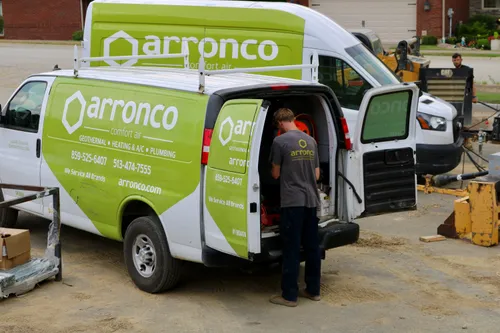
Arronco Comfort Air
5578 Limaburg Rd, Burlington, KY 41005
Arronco Comfort Air is a family-owned and operated HVAC and plumbing company serving Cincinnati, OH, and surrounding areas since 1984. They provide a range of services including air conditioning, heating, geothermal system installation, and plumbing. Their team is experienced in installing and repairing furnaces, heat pumps, mini splits, and geothermal heat pumps, offering comprehensive heating and cooling solutions. With over three decades of expertise in geothermal systems, Arronco Comfort Air supports energy-efficient home climate control.
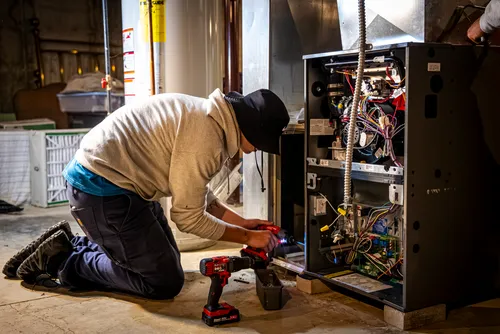
Sweet Life Heating & Cooling
5555 N Bend Rd Suite C, Burlington, KY 41005
Sweet Life Heating & Cooling is a family-owned HVAC company serving Cincinnati, OH. They provide heating and cooling services including installation and repair of air conditioners, furnaces, heat pumps, boilers, mini splits, and geothermal heat pumps. The company focuses on community connections and treats each home with care. Their offerings include HVAC tune-ups and comprehensive system installations to maintain comfort throughout the year.
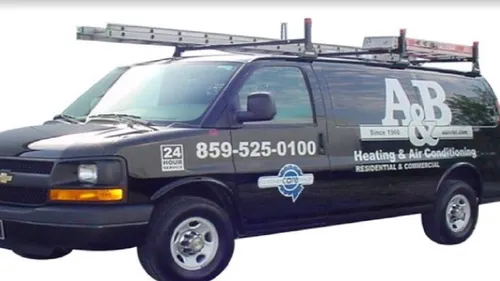
A & B Heating & Air Conditioning
5632 Commercial Dr, Burlington, KY 41005
A & B Heating & Air Conditioning is an HVAC company serving Cincinnati, OH, and nearby areas including Northern Kentucky and Southeast Indiana. They provide repair and installation services for heat pumps, furnaces, boilers, air conditioners, geothermal systems, air cleaners, and humidifiers for both residential and commercial properties. The company has been in business since 1966 and is a preferred dealer of American Standard products.
Peak Heating & Air Inc
11 Viewpoint Dr, Alexandria, KY 41001
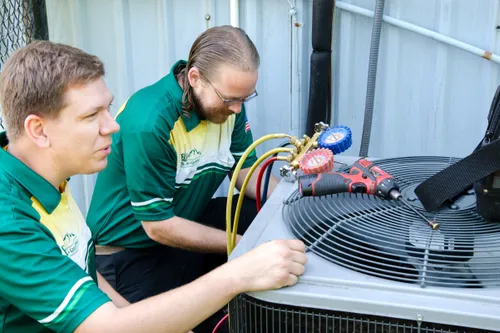
Peak Heating & Air Inc is an HVAC company based in Alexandria, Kentucky, serving the Cincinnati, OH area. They provide a range of heating and cooling services including furnace, air conditioning, heat pump, and geothermal heat pump repair and installation. With over 26 years of experience, Peak Heating & Air offers expertise in indoor air quality solutions and supports a wide variety of HVAC equipment brands. Their service area includes many communities around Cincinnati and Northern Kentucky.
Bassett Services: Heating, Cooling, Plumbing, & Electrical
8950 Glendale Milford Rd, Loveland, OH 45140
Bassett Services: Heating, Cooling, Plumbing, & Electrical provides comprehensive HVAC, plumbing, and electrical services in Cincinnati, OH. They offer repair, installation, and maintenance for systems including furnaces, boilers, heat pumps, air conditioners, mini-splits, geothermal systems, and air quality equipment. Their capabilities include specialized services such as geothermal system installation and air scrubber maintenance. With over 40 years of experience, Bassett Services supports homes and businesses with tailored solutions to maintain comfort and safety throughout the year.
How Geothermal Systems Work: Cincinnati's Underground Advantage
Beneath the frost line in the Cincinnati area, the Earth maintains a remarkably stable temperature of approximately 50°F year-round. A geothermal heating and cooling system, often called a ground-source heat pump, taps into this constant thermal resource. It doesn't create heat by burning fuel; instead, it moves heat from one place to another using a network of buried pipes, called a ground loop, and a heat pump unit inside your home.
In the winter, the fluid circulating through the underground loop absorbs the Earth's stored warmth. The heat pump then concentrates this low-grade heat and transfers it into your home's air or water distribution system 1. During Cincinnati's humid summers, the process reverses: the system extracts heat from your indoor air and transfers it into the cooler ground, effectively providing air conditioning 2. Because it's moving existing heat rather than generating it through combustion, a geothermal system operates with much greater efficiency-often three to five times more efficient than traditional HVAC systems 3. This fundamental principle leads to the significant energy savings these systems are known for.
Types of Ground Loop Systems for Ohio Homes
The heart of any geothermal installation is the ground loop. The right type for your Cincinnati property depends on your lot size, soil composition, and existing landscaping. There are three primary configurations:
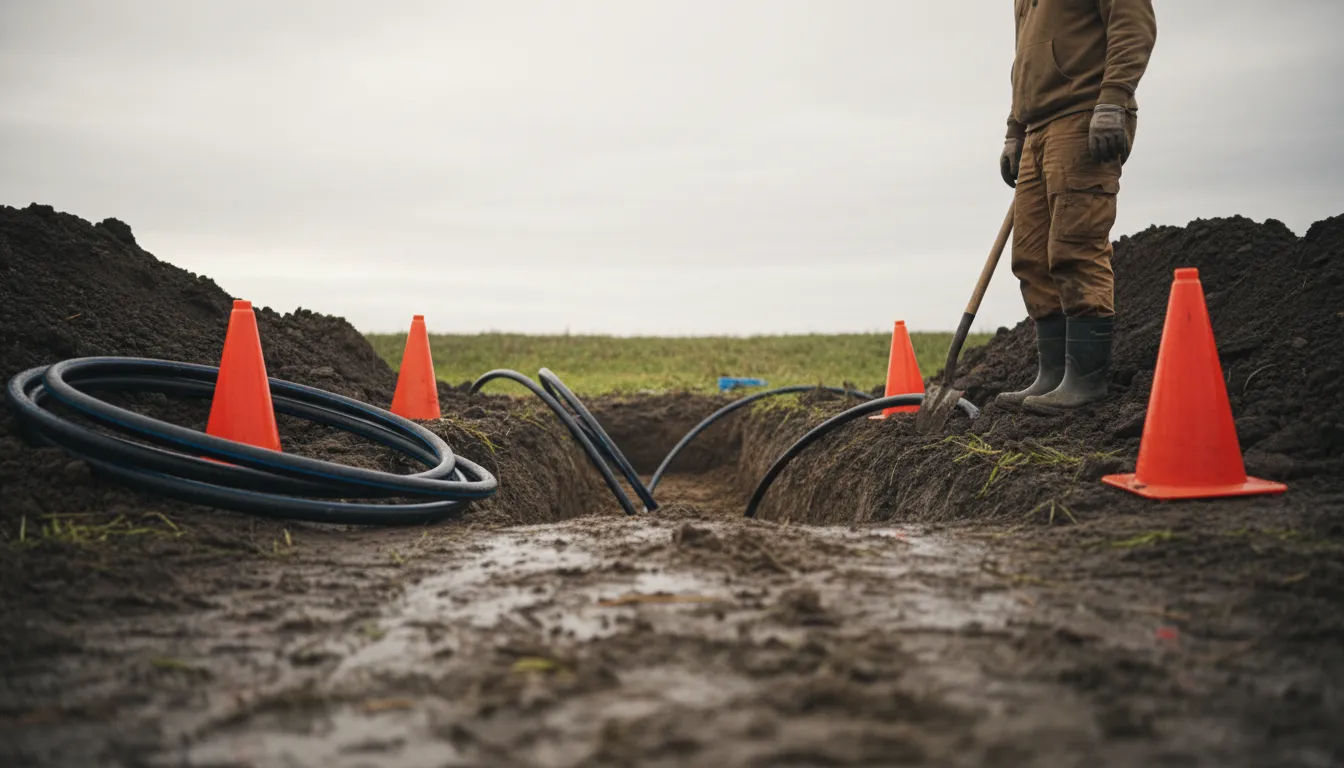
Closed-Loop Horizontal Systems: This is often the most cost-effective option if space allows. Polyethylene pipes are laid in trenches dug 4 to 6 feet deep, typically requiring a significant amount of land-anywhere from a quarter to three-quarters of an acre for an average home 4. This method is well-suited for properties with ample, clear yard space where trenching is feasible.
Closed-Loop Vertical Systems: For homes in Cincinnati with smaller lots or mature landscaping you wish to preserve, vertical loops are the ideal solution. Contractors drill boreholes 150 to 200 feet deep and insert U-shaped loop pipes into each one 5 6. While the drilling cost per foot is higher, the surface footprint is minimal, often needing only a small area for the drilling rig. This is a common choice for urban and suburban properties.
Open-Loop or Pond Loops: This less common configuration uses groundwater from a well or a nearby pond as the heat exchange fluid, which is then returned to a second well or the water body. Its viability depends entirely on having an adequate supply of suitable water and complying with local codes, making it a site-specific option.
The Geothermal Installation Process: What to Expect
Installing a ground-source heat pump is a significant project that requires careful planning and expert execution. Understanding the steps can help you prepare.
- Site Assessment & System Design: A qualified installer will evaluate your property, considering soil conditions, lot layout, and your home's heating and cooling loads. This critical phase determines the optimal loop type, size, and placement to ensure maximum efficiency.
- Ground Loop Installation: This is the major excavation phase. For a horizontal system, trenches are dug. For a vertical system, a drilling rig creates the boreholes. The high-density polyethylene pipes are then placed, connected into a continuous loop, and pressure-tested before being buried.
- Trenching to the House: A separate trench is dug from the main loop field to your home's foundation to bring the loop pipes inside, where they will connect to the heat pump unit.
- Indoor Unit Setup: The geothermal heat pump unit, which resembles a traditional furnace, is installed in your basement, utility closet, or garage. It contains the compressor, heat exchanger, and controls.
- Ductwork & Final Connections: The installer will connect the new heat pump to your existing ductwork or install new ducts if needed. The system is also connected to your electrical panel and, if equipped, to your water heater for desuperheater functionality 7.
Find the perfect geothermal heat pump contractors for your needs
Get personalized recommendations and expert advice
Benefits, Costs, and Considerations for Cincinnati Homeowners
Investing in a geothermal system involves weighing higher upfront costs against long-term gains.
Key Benefits:
- Substantial Energy Savings: By leveraging the Earth's consistent temperature, geothermal heat pumps can reduce your electricity consumption for heating and cooling by 35% to 50% compared to conventional systems 8. This directly translates to lower monthly utility bills.
- Longevity and Reliability: The underground loop system is incredibly durable, with a lifespan often exceeding 50 years. The indoor heat pump unit typically lasts 20-25 years, significantly longer than many traditional air conditioners or furnaces 9.
- Quiet Operation and Comfort: With no noisy outdoor condenser unit, operation is very quiet. These systems provide consistent, draft-free heating and cooling and often include enhanced dehumidification for greater summer comfort.
- Environmental Impact: By using renewable thermal energy from the ground and consuming less electricity, a geothermal system drastically reduces your home's carbon footprint.
Costs and Payback: For a typical 2,000-square-foot home in the Cincinnati area, a complete geothermal system installation generally ranges from $20,000 to $40,000 10 11. This initial investment is higher than a standard HVAC system. However, the dramatic reduction in operating costs leads to a payback period, often cited between 5 and 10 years, after which the ongoing savings become pure financial benefit 12 11. It's also important to research available federal tax credits, local utility rebates, and special financing options, which can substantially improve the economics.
Important Considerations:
- Upfront Investment: The initial cost is the primary barrier for many homeowners, though financing can help manage it.
- Land Requirements: Horizontal loops require sufficient open land, while vertical loops need appropriate soil and geology for drilling. A proper site survey is essential.
- Retrofitting vs. New Construction: Installing a geothermal system is generally easiest during new home construction. Retrofits are absolutely possible but may involve more complex integration with existing ductwork or radiant systems.
Maintaining Your Geothermal System
One of the appealing aspects of geothermal technology is its low maintenance requirements. The buried loop is virtually maintenance-free. Homeowner tasks are typically limited to ensuring good airflow by changing the indoor air filter regularly, just as you would with a furnace. It is recommended to have a professional technician perform an annual check-up on the heat pump unit itself to inspect components, check refrigerant levels, and ensure the system is operating at peak efficiency. This simple maintenance helps protect your investment and ensures optimal performance for decades.
Frequently asked questions
Sources
Footnotes
-
Geothermal Heat Pump - DSO Electric Cooperative - https://dsoelectric.com/geothermal-heat-pump ↩
-
Geothermal Heating and Cooling - https://geothermal.colorado.gov/geothermal-heating-and-cooling ↩
-
Geothermal Heating And Cooling System, Toledo, Ohio - Services - https://www.tandmheatingandair.com/geothermal-heating-cooling/ ↩
-
Geothermal Heat Pumps - Department of Energy - https://www.energy.gov/energysaver/geothermal-heat-pumps ↩
-
Geothermal Heat Pump Installation: What To Expect For Your ... - https://jomory.com/geothermal-heat-pump-installation-what-to-expect-for-your-property/ ↩
-
Geothermal Heat Pump - https://encyclopedia.pub/entry/28898 ↩
-
Geothermal Installation Steps Explained - https://ultrageothermal.com/geothermal-installation-steps-explained/ ↩
-
Geothermal Heating Systems - Cincinnati Ohio Home ... - https://www.thehome-inspection.com/home-information-center/geothermal-heating-systems/ ↩
-
5 Things You Should Know about Geothermal Heat Pumps - https://www.energy.gov/cmei/articles/5-things-you-should-know-about-geothermal-heat-pumps ↩
-
How Does A Geothermal Heat Pump Work? Complete 2025 Guide - https://solartechonline.com/blog/how-does-geothermal-heat-pump-work/ ↩
-
Geothermal Heat Pump Guide: Installation Costs, Types And Benefits - https://modernize.com/hvac/heating-repair-installation/heat-pump/geothermal ↩ ↩2
-
Geothermal Systems - Cincinnati - https://www.schmidtheating.com/geothermal.php ↩