
Find the Best Geothermal Heat Pump Contractors for Your Business
No obligation • Fast responses • Nationwide coverage

Why you can trust HVAC Firms
HVAC Firms is a leading United States resource for evaluating HVAC service providers. Our team researches companies, checks credentials, and reviews customer feedback to present clear, unbiased information. Listings and rankings are based on merit, and companies cannot pay to change our editorial content.
Search providers near you
Top Geothermal Heat Pump Contractors in Mooresville, North Carolina Ranked
Geothermal heat pumps, also known as ground-source heat pumps, are a highly efficient method for heating and cooling your home by leveraging the Earth's stable underground temperature. This technology can lead to substantial savings on your energy bills while providing year-round comfort. For Mooresville residents, understanding the local installation process, system types, and long-term benefits is key to making an informed decision. This guide will help you explore how geothermal systems work and what to consider when looking for a qualified installation professional in the area.
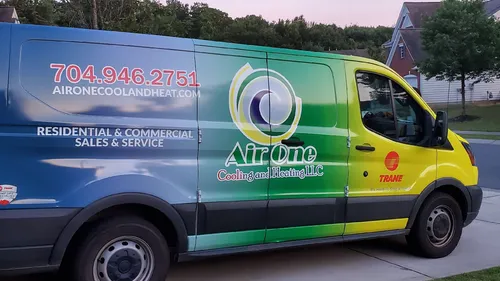
Air One Cooling & Heating, LLC
16507-A Northcross Dr #107, Huntersville, NC 28078
Air One Cooling & Heating, LLC is an HVAC company based in Charlotte, NC, providing residential and commercial heating and air conditioning services. They offer installation, replacement, maintenance, and repair for systems including air conditioners, heat pumps, furnaces, boilers, geothermal systems, and ductless mini splits. As a certified Preferred Partner of Piedmont Natural Gas and a Trane dealer, they provide expertise in indoor air quality products and emergency service available 24/7. The company is known for customized solutions and extended service agreements to maintain system efficiency.
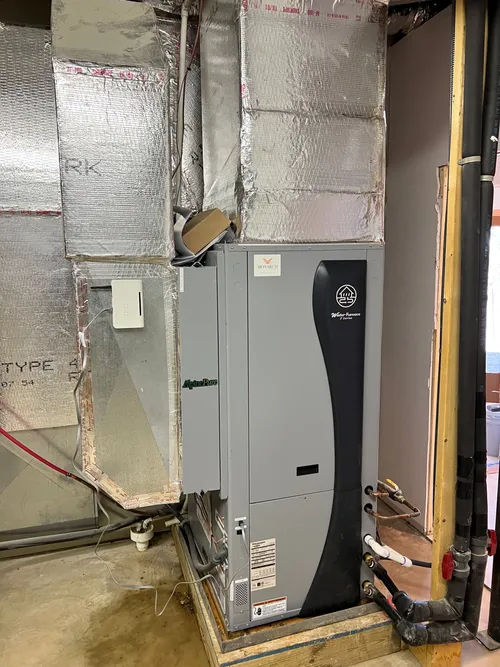
Monarch Air, Heat & Geothermal
9131 Dixie River Rd, Charlotte, NC 28278
Monarch Air, Heat & Geothermal is a locally owned HVAC company based in Charlotte, NC, specializing in heating, cooling, and geothermal systems. They provide a full range of services including installation, repair, and maintenance for air conditioners, furnaces, heat pumps, and geothermal systems. Their expertise includes designing and installing high-performance geothermal systems that use stable underground temperatures to efficiently heat and cool homes. Monarch serves both homeowners and builders with customized solutions and manages projects from system design through ongoing service. With over 20 years of experience, they focus on sustainable and energy-efficient HVAC solutions.
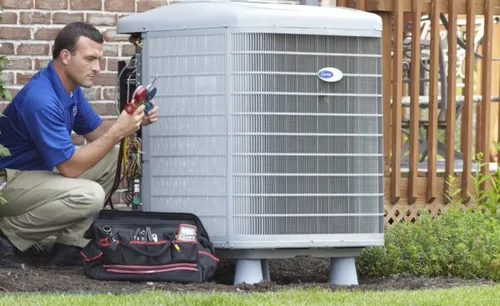
Precision Climate
45 Shadowbrook Rd, Mt Holly, NC 28120
Precision Climate is an HVAC company serving Charlotte, NC, specializing in repair and installation of air conditioning, furnaces, heat pumps, boilers, mini splits, and geothermal heat pumps. With over 25 years of experience, they provide comprehensive HVAC tune-up services to maintain system efficiency and comfort.
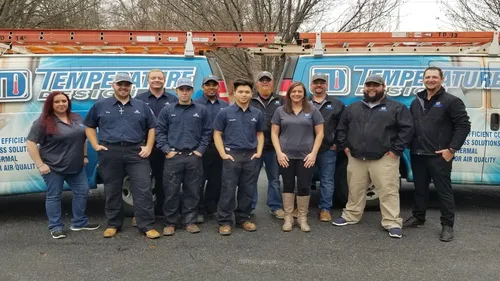
Temperature Design
754 Oakridge Farm Hwy, Mooresville, NC 28115
Temperature Design is an HVAC company based in Charlotte, NC, serving Lake Norman and surrounding areas. They provide installation, repair, and maintenance services for heating and cooling systems including heat pumps, furnaces, air conditioners, mini splits, and geothermal systems. The company also specializes in indoor air quality solutions such as electronic air cleaners, humidification, dehumidification, and fresh air ventilation systems. Temperature Design is known for working on both residential and commercial projects and supports newer, sophisticated equipment models. Their technicians receive ongoing training to maintain technical expertise and service quality.
Dulin Mechanical Services, Inc.
1551 Morrison Rd, Concord, NC 28025
Dulin Mechanical Services, Inc. is an HVAC company serving Charlotte, NC, and surrounding areas. They provide a wide range of residential and commercial heating and cooling services, including air conditioning repair, furnace repair, heat pump installation, geothermal heat pump services, and HVAC tune-ups. The company has been operating since 1962, offering experienced technicians skilled in handling various HVAC systems with a focus on energy conservation and environmental care. Their service approach is personalized to meet individual customer needs, aiming for comfort and convenience.
How Geothermal Heating and Cooling Works in Mooresville
At its core, a geothermal system is a heat exchange unit that uses the ground as a source of warmth in the winter and a place to dump heat in the summer. The process begins with a loop of pipes, called the ground loop, buried in your yard. A water-based solution circulates through these pipes to exchange heat with the earth, which maintains a relatively constant temperature of around 55°F year-round just a few feet below the surface 1.
During the winter, the fluid in the pipes absorbs the earth's natural warmth. This warmed fluid is then pumped to an indoor geothermal heat pump unit. The heat pump concentrates this low-grade thermal energy using a refrigeration cycle, much like a refrigerator in reverse, and distributes the resulting warm air throughout your home via the existing ductwork. In the summer, the process reverses: the heat pump extracts heat and humidity from your indoor air and transfers it into the fluid. The now-warmed fluid travels through the ground loop, where it releases the heat into the cooler earth, and the cooled fluid returns to start the cycle again 2.
This elegant exchange with the stable ground temperature is what makes geothermal technology so efficient. Unlike air-source heat pumps that must work harder as outside air temperatures become extreme, a ground-source system has a consistent, moderate-temperature source to work with, leading to superior performance and energy savings.
Types of Geothermal Systems Available
When considering a geothermal installation for your Mooresville property, you'll primarily choose between closed-loop and open-loop systems. The right choice depends on your land, water access, and budget.
Closed-Loop Systems This is the most common type of geothermal installation. In a closed-loop system, a sealed, continuous pipe circulates a water and antifreeze solution. The loop never mixes with external groundwater. There are two main configurations:
- Horizontal Closed-Loop: This is often the most cost-effective option if you have sufficient land. Contractors excavate trenches four to six feet deep and lay pipes in a series of loops. This method requires a larger, clear area of land but typically involves lower drilling costs 3 4.
- Vertical Closed-Loop: For properties with limited space, such as smaller residential lots common in some Mooresville neighborhoods, vertical loops are ideal. Installers use a drilling rig to bore holes 150 to 450 feet deep. U-shaped pipes are inserted into each borehole, which are then grouted. This method minimizes landscape disruption but can be more expensive due to the specialized drilling equipment required 5.
Open-Loop Systems An open-loop system uses groundwater directly from a well as the heat exchange fluid. It pumps water from an aquifer, runs it through the heat pump to exchange heat, and then discharges the water back into a second well, a pond, or a stream (where local codes permit). This system can be very efficient but requires an abundant, clean source of water and is subject to more regulatory oversight from the NC Department of Environmental Quality (DEQ) to protect groundwater resources 6.
Local Installation Process and Key Considerations
Installing a ground-source heat pump is a significant project that requires careful planning and expert execution. In Mooresville and across North Carolina, the process is governed by both practical and regulatory considerations.
Site Evaluation and System Design A qualified installer will first conduct a thorough evaluation of your property. This includes assessing soil composition, available land area, and the layout of your home to determine the best system type and size. A proper load calculation is essential to ensure the system is neither undersized (leading to inadequate comfort) nor oversized (leading to short cycling and reduced efficiency).
The Ground Loop Installation This is the most distinctive part of the geothermal installation process. For a horizontal system, expect to see excavation equipment digging long trenches in your yard. For a vertical system, a drilling rig will be on-site to create the boreholes. While this phase can be disruptive, professional crews work to minimize the impact and restore your landscaping afterward.
Indoor Unit and Integration The indoor heat pump unit is typically installed in place of your old furnace or in a similar utility space. It connects to the ground loop and your home's ductwork. If you are retrofitting a geothermal system into an existing home, your installer will evaluate whether your current ducts are adequate or need modification, which can add to the project's complexity and cost 7.
Regulatory Compliance in North Carolina The NC DEQ regulates geothermal installations, particularly open-loop systems and any closed-loop systems that use a borehole deeper than 20 feet, to prevent contamination of underground drinking water sources. Your installer should be familiar with these regulations and secure any necessary permits before work begins 8.
Find the perfect geothermal heat pump contractors for your needs
Get personalized recommendations and expert advice
Understanding Costs, Savings, and Payback
The decision to invest in a geothermal heat pump is often driven by its compelling long-term value, despite a higher initial cost compared to conventional systems.
Upfront Installation Costs In Mooresville, a complete geothermal system installation for a typical 2,000-square-foot home can range from $20,000 to over $40,000 9. This wide range depends heavily on the system type (vertical loops are more expensive than horizontal), the property's characteristics, the size of the home, and whether it's a new construction or a retrofit. The ground loop excavation or drilling constitutes a large portion of this cost.
Operational Savings and Efficiency This is where geothermal systems shine. By tapping into the earth's free thermal energy, these systems can achieve efficiencies of 300-600%, meaning they move three to six units of heat for every unit of electricity used to run them 10. Homeowners often report savings of up to 70% on heating costs and 50% on cooling costs compared to traditional electric or fossil fuel systems, which can translate to a reduction of 50% or more on monthly energy bills 10 11.
Calculating the Payback Period The payback period-the time it takes for energy savings to equal the initial investment-varies. It can be as short as 4-5 years in some cases or extend to 10-15 years in others, depending on local energy rates, installation costs, and the efficiency of the system being replaced 12. It's important to view this as a long-term investment in your home's comfort, efficiency, and value.
Incentives and Lifespan Federal tax credits for qualified geothermal heat pump installations can significantly reduce the net cost. Furthermore, the exceptional lifespan of the system components adds to the value. The underground piping for a closed-loop system is often warranted for 50 years and can last generations, while the indoor heat pump unit typically lasts 20 to 25 years-much longer than a standard air conditioner or furnace 13 14.
Is a Geothermal System Right for Your Home?
Geothermal energy is a fantastic option for many, but not all, homeowners. It's an excellent fit if you:
- Plan to stay in your home long enough to realize the long-term savings and payback.
- Have suitable land for trenching (horizontal) or the budget for drilling (vertical).
- Are building a new home, where the loop system can be integrated seamlessly into the site plan and construction budget.
- Value consistent comfort, quiet operation, and reducing your carbon footprint.
It may be less ideal if:
- You have a very small lot with no room for horizontal trenches and where vertical drilling is prohibitively expensive.
- You live in a home with rocky soil that would make drilling difficult and costly.
- You plan to move in the very near future and may not recoup the upfront investment in the home's sale price.
Consulting with an experienced, local geothermal installer is the best way to get a precise assessment for your specific Mooresville property.
Frequently asked questions
Sources
Footnotes
-
Geothermal Heat Pumps - EnergySmart CNY - https://www.energysmartcny.org/heat-pumps/geothermal/ ↩
-
How Geothermal Heat Pumps Work - https://www.youtube.com/watch?v=XxlTnBukweI&t=37 ↩
-
Geothermal Heat Pumps - Department of Energy - https://www.energy.gov/energysaver/geothermal-heat-pumps ↩
-
Geothermal Heat Pump Installation: What To Expect For Your Property - https://jomory.com/geothermal-heat-pump-installation-what-to-expect-for-your-property/ ↩
-
Geothermal Heat Pumps - NC Sustainable Energy Association - https://www.energync.org/clean-energy-101/geothermal-heat-pumps/ ↩
-
How Do Geothermal Systems Work for Residential Homes? - https://www.davisheat.com/blog/how-do-geothermal-systems-work-for-residential-homes/ ↩
-
Geothermal Heat Pumps - Carolina Country - https://www.carolinacountry.com/story/geothermal-heat-pumps-2 ↩
-
Geothermal Heating and Cooling | NC DEQ - https://www.deq.nc.gov/about/divisions/water-resources/groundwater-resources/injection-wells-uic-program/geothermal-heating-and-cooling ↩
-
How to Choose the Right System for Your Home - Morrison Inc. - https://morrisongeothermal.com/how-to-choose-the-right-system-for-your-home/ ↩
-
All You Need to Know About Home Geothermal Heating & ... - https://dandelionenergy.com/all-you-need-to-know-about-home-geothermal-heating-cooling ↩ ↩2
-
Geothermal Heat Pump Guide: Installation Costs, Types And Benefits - https://modernize.com/hvac/heating-repair-installation/heat-pump/geothermal ↩
-
Everything You Need to Know About Geothermal Heat Pumps - https://www.familyhandyman.com/article/everything-you-need-to-know-about-geothermal-heat-pumps/ ↩
-
5 Things You Should Know about Geothermal Heat Pumps - https://www.energy.gov/cmei/articles/5-things-you-should-know-about-geothermal-heat-pumps ↩
-
Guide to Geothermal Heat Pumps - https://www.energy.gov/sites/prod/files/guide_to_geothermal_heat_pumps.pdf ↩