
Find the Best Geothermal Heat Pump Contractors for Your Business
No obligation • Fast responses • Nationwide coverage

Why you can trust HVAC Firms
HVAC Firms is a leading United States resource for evaluating HVAC service providers. Our team researches companies, checks credentials, and reviews customer feedback to present clear, unbiased information. Listings and rankings are based on merit, and companies cannot pay to change our editorial content.
Search providers near you
Top Geothermal Heat Pump Contractors in Charlotte, North Carolina Ranked
A geothermal heat pump, also known as a ground-source heat pump, is a highly efficient heating and cooling system that leverages the Earth's stable underground temperature. For Charlotte homeowners, this technology offers a path to dramatically lower energy bills and reduced environmental impact. This guide explains how these systems work, what installation entails, and how you can connect with qualified local experts to explore if a geothermal system is right for your property.
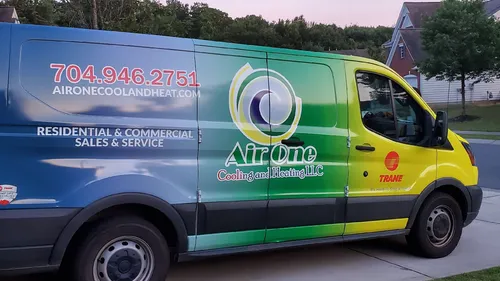
Air One Cooling & Heating, LLC
16507-A Northcross Dr #107, Huntersville, NC 28078
Air One Cooling & Heating, LLC is an HVAC company based in Charlotte, NC, providing residential and commercial heating and air conditioning services. They offer installation, replacement, maintenance, and repair for systems including air conditioners, heat pumps, furnaces, boilers, geothermal systems, and ductless mini splits. As a certified Preferred Partner of Piedmont Natural Gas and a Trane dealer, they provide expertise in indoor air quality products and emergency service available 24/7. The company is known for customized solutions and extended service agreements to maintain system efficiency.
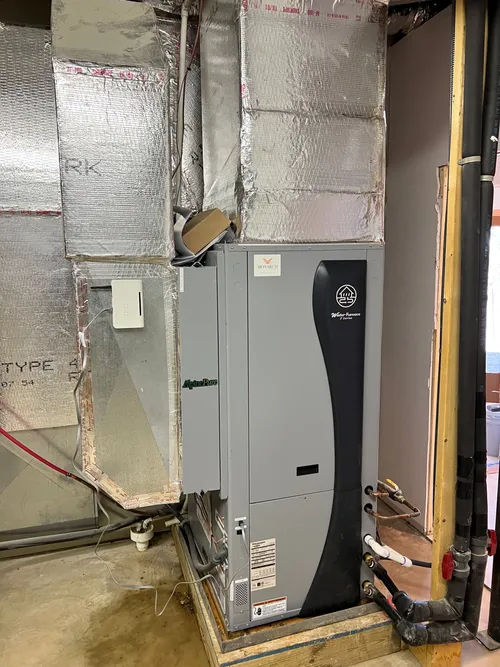
Monarch Air, Heat & Geothermal
9131 Dixie River Rd, Charlotte, NC 28278
Monarch Air, Heat & Geothermal is a locally owned HVAC company based in Charlotte, NC, specializing in heating, cooling, and geothermal systems. They provide a full range of services including installation, repair, and maintenance for air conditioners, furnaces, heat pumps, and geothermal systems. Their expertise includes designing and installing high-performance geothermal systems that use stable underground temperatures to efficiently heat and cool homes. Monarch serves both homeowners and builders with customized solutions and manages projects from system design through ongoing service. With over 20 years of experience, they focus on sustainable and energy-efficient HVAC solutions.
Precision Climate
45 Shadowbrook Rd, Mt Holly, NC 28120
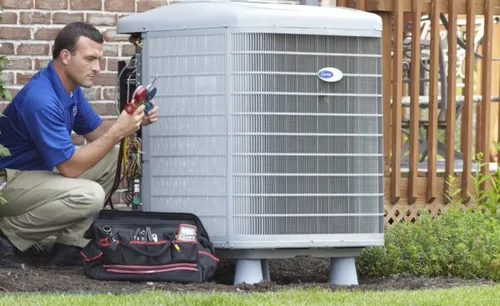
Precision Climate is an HVAC company serving Charlotte, NC, specializing in repair and installation of air conditioning, furnaces, heat pumps, boilers, mini splits, and geothermal heat pumps. With over 25 years of experience, they provide comprehensive HVAC tune-up services to maintain system efficiency and comfort.

Foothills Heating & Air
115 Catawba Valley Blvd SE, Hickory, NC 28602
Foothills Heating & Air is a locally owned HVAC company serving Charlotte, NC, and nearby areas. They provide a range of heating and cooling services including installation, repair, and maintenance of air conditioners, furnaces, heat pumps, mini splits, and geothermal systems. The company is experienced in energy-efficient HVAC solutions and offers emergency heating repairs with 24/7 availability. Established in 1997, Foothills Heating & Air has built a reputation for delivering quality workmanship and personalized service to residential and commercial clients.
Temperature Design
754 Oakridge Farm Hwy, Mooresville, NC 28115
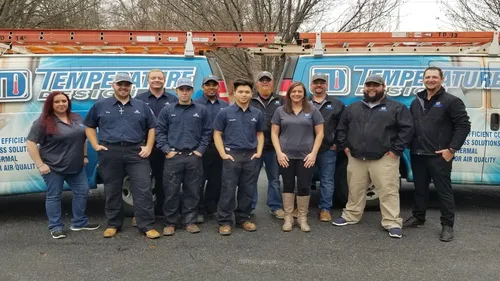
Temperature Design is an HVAC company based in Charlotte, NC, serving Lake Norman and surrounding areas. They provide installation, repair, and maintenance services for heating and cooling systems including heat pumps, furnaces, air conditioners, mini splits, and geothermal systems. The company also specializes in indoor air quality solutions such as electronic air cleaners, humidification, dehumidification, and fresh air ventilation systems. Temperature Design is known for working on both residential and commercial projects and supports newer, sophisticated equipment models. Their technicians receive ongoing training to maintain technical expertise and service quality.
How Geothermal Systems Work in Charlotte's Climate
The core principle behind a geothermal heat pump is remarkably simple: it uses the ground as a thermal battery. Just a few feet below the surface in the Charlotte area, the Earth maintains a nearly constant temperature of around 55°F year-round, regardless of the summer heat or winter chill above ground. This stable temperature is the system's powerhouse.
A ground-source heat pump doesn't create heat by burning fuel; instead, it moves heat. During the winter, a fluid circulating through pipes buried in the ground absorbs the Earth's natural warmth. This heat is then concentrated by the indoor heat pump unit and distributed throughout your home via your ductwork. In the summer, the process reverses: the system extracts heat from your home's air and transfers it into the cooler ground, effectively using the Earth as a heat sink to provide air conditioning 1. This efficient heat exchange process is why geothermal systems can reduce energy consumption for heating and cooling by 50% to 70% compared to conventional systems.
Types of Ground Loops for Your Property
The underground pipe system, called the ground loop, is the heart of the installation. The right type for your Charlotte home depends on your lot size, soil conditions, and local geology. There are three primary configurations:
Closed-Loop Systems: These are the most common. A water-based solution (often mixed with antifreeze) is sealed inside a continuous loop of high-density polyethylene pipe.
- Horizontal: Pipes are laid in trenches typically 4 to 6 feet deep. This is often the most cost-effective installation method but requires a significant amount of open land 2 3.
- Vertical: For properties with limited yard space, contractors drill deep boreholes-usually between 200 and 500 feet-and insert U-shaped loops into each hole. This method is ideal for smaller urban and suburban lots in Charlotte and minimizes landscape disruption.
Open-Loop Systems: This setup uses groundwater from a well as the direct heat exchange fluid. It pumps water from the aquifer through the heat pump and then discharges it to a second well or a suitable surface discharge point. While highly efficient, open-loop systems require an adequate supply of clean groundwater and are subject to specific permitting under North Carolina's Underground Injection Control (UIC) Program.
The Geothermal Installation Process: What to Expect
Installing a geothermal heating and cooling system is a significant project that requires specialized expertise. Understanding the steps can help you prepare.
- Site Assessment and Design: A qualified installer will evaluate your property, home's heating/cooling load, soil composition, and available space. This assessment determines the optimal loop type (horizontal, vertical, or open) and calculates the necessary loop length and system size.
- Ground Loop Installation: This is the most intensive phase.
- Indoor Unit and Connection: The geothermal heat pump unit, which is about the size of a traditional furnace, is installed in your basement, utility closet, or garage. It is connected to the buried ground loops and to your home's existing ductwork or to a new duct system 7 8.
- Permitting and Inspection: In North Carolina, the installation of the ground loop, especially for vertical boreholes and open-loop systems, requires permitting under the NC Underground Injection Control (UIC) Program to protect groundwater resources. Your installer should handle this process, and the entire system will need to pass local building inspections.
Find the perfect geothermal heat pump contractors for your needs
Get personalized recommendations and expert advice
Costs, Savings, and Incentives for Charlotte Homes
The decision to invest in a geothermal system involves weighing higher upfront costs against substantial long-term savings.
Upfront Investment: The installation cost for a complete residential geothermal system in Charlotte typically ranges from $20,000 to over $40,000 9 10. The final price depends heavily on your home's size, the chosen loop type (vertical drilling is more expensive than horizontal trenching), and the system's capacity. While this initial outlay is significant, it's important to view it as a long-term investment in your home's efficiency and comfort.
Long-Term Operational Savings: This is where geothermal heat pumps shine. By leveraging the ground's free thermal energy, these systems can slash your heating and cooling bills by 50% to 70%, with some homeowners reporting savings of up to 65% 11 12 13. Over the lifespan of the system, these savings can fully pay back the initial investment. Furthermore, geothermal systems are renowned for their durability: the indoor heat pump unit often lasts 20 years or more, while the underground piping can have a lifespan exceeding 50 years with virtually no maintenance 14 13.
Available Incentives: The federal government offers a Residential Energy Clean Property Credit, which can provide a tax credit for a percentage of the total installed cost of a qualifying geothermal heat pump system. It's crucial to consult with a tax professional and your installer to understand current eligibility and amounts. Note that previous North Carolina state tax credits for geothermal installations have expired.
Benefits Beyond the Bottom Line
While energy savings are a major draw, geothermal systems offer other compelling advantages:
- Quiet Operation: With no noisy outdoor condenser unit (like a traditional air conditioner or air-source heat pump), geothermal systems run very quietly.
- Improved Comfort: They provide consistent, even heating and cooling without the drafts or temperature swings associated with some forced-air systems.
- Safety and Cleanliness: With no combustion or flame, there's no risk of carbon monoxide poisoning. The system also doesn't burn fossil fuels on-site, improving indoor air quality.
- Low Maintenance: The underground components are largely maintenance-free, and the indoor unit requires only basic upkeep similar to a standard HVAC system.
- Increased Home Value: A permanently installed, high-efficiency geothermal system is often viewed as a valuable upgrade that can increase your home's resale value.
Is a Geothermal System Right for You?
A ground-source heat pump is an excellent long-term solution for homeowners in Charlotte who plan to stay in their homes for many years, have a suitable property for the ground loop, and prioritize energy independence and environmental impact. It's particularly worth considering if you are building a new home, replacing an aging and inefficient HVAC system, or looking for a comprehensive heating and cooling solution with the lowest possible operating costs.
Frequently asked questions
Sources
Footnotes
-
Geothermal Heat Pumps | WBDG - https://www.wbdg.org/resources/geothermal-heat-pumps ↩
-
Geothermal Heating and Cooling | NC DEQ - https://www.deq.nc.gov/about/divisions/water-resources/groundwater-resources/injection-wells-uic-program/geothermal-heating-and-cooling ↩
-
Geothermal Heat Pumps - NC Sustainable Energy Association - https://www.energync.org/clean-energy-101/geothermal-heat-pumps/ ↩
-
Geothermal Heat Pumps - Department of Energy - https://www.energy.gov/energysaver/geothermal-heat-pumps ↩
-
All You Need to Know About Home Geothermal Heating & ... - https://dandelionenergy.com/all-you-need-to-know-about-home-geothermal-heating-cooling ↩
-
Everything You Need to Know About Geothermal Heat Pumps - https://www.familyhandyman.com/article/everything-you-need-to-know-about-geothermal-heat-pumps/ ↩
-
Geothermal Heat Pump Installation: What To Expect For Your ... - https://jomory.com/geothermal-heat-pump-installation-what-to-expect-for-your-property/ ↩
-
Geothermal Heat Pump Installation (Steps, Benefits...) - Panther HVAC - https://pantherhvac.com/blog/geothermal-heat-pump-installation/ ↩
-
Geothermal Heat Pumps - Carolina Country - https://www.carolinacountry.com/story/geothermal-heat-pumps-2 ↩
-
Geothermal Heat Pump Guide: Installation Costs, Types And Benefits - https://modernize.com/hvac/heating-repair-installation/heat-pump/geothermal ↩
-
Geothermal Heat Pumps - EnergySmart CNY - https://www.energysmartcny.org/heat-pumps/geothermal/ ↩
-
5 Things You Should Know about Geothermal Heat Pumps - https://www.energy.gov/cmei/articles/5-things-you-should-know-about-geothermal-heat-pumps ↩
-
Guide to Geothermal Heat Pumps - https://www.energy.gov/sites/prod/files/guide_to_geothermal_heat_pumps.pdf ↩ ↩2
-
Unlocking Underground Energy: Ground Source Heat Pumps - https://www.ncsl.org/energy/unlocking-underground-energy-ground-source-heat-pumps ↩