
Find the Best Geothermal Heat Pump Contractors for Your Business
No obligation • Fast responses • Nationwide coverage

Why you can trust HVAC Firms
HVAC Firms is a leading United States resource for evaluating HVAC service providers. Our team researches companies, checks credentials, and reviews customer feedback to present clear, unbiased information. Listings and rankings are based on merit, and companies cannot pay to change our editorial content.
Search providers near you
Top Geothermal Heat Pump Contractors in Kannapolis, North Carolina Ranked
A geothermal heat pump, also known as a ground-source heat pump, is a highly efficient heating and cooling system that leverages the earth's stable underground temperature. For homeowners in Kannapolis, this technology offers a reliable way to manage indoor climate while significantly reducing energy consumption and utility bills. This guide explains how these systems work, the installation process, and how you can find qualified local experts to assess your property for a geothermal solution.
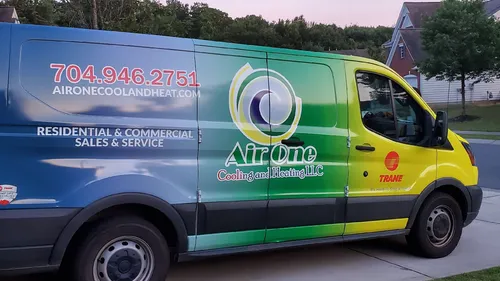
Air One Cooling & Heating, LLC
16507-A Northcross Dr #107, Huntersville, NC 28078
Air One Cooling & Heating, LLC is an HVAC company based in Charlotte, NC, providing residential and commercial heating and air conditioning services. They offer installation, replacement, maintenance, and repair for systems including air conditioners, heat pumps, furnaces, boilers, geothermal systems, and ductless mini splits. As a certified Preferred Partner of Piedmont Natural Gas and a Trane dealer, they provide expertise in indoor air quality products and emergency service available 24/7. The company is known for customized solutions and extended service agreements to maintain system efficiency.
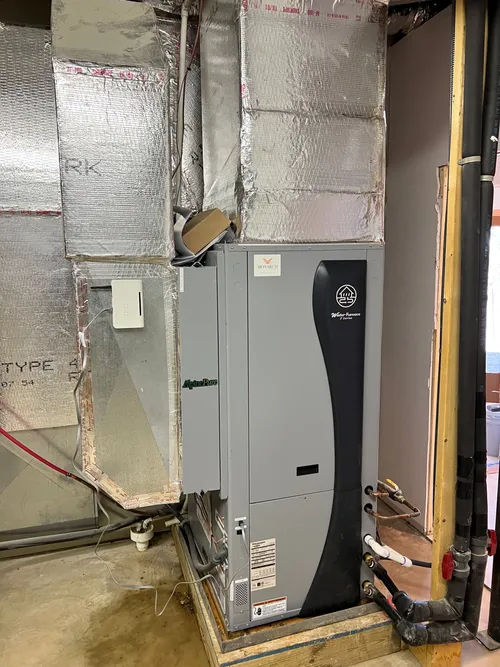
Monarch Air, Heat & Geothermal
9131 Dixie River Rd, Charlotte, NC 28278
Monarch Air, Heat & Geothermal is a locally owned HVAC company based in Charlotte, NC, specializing in heating, cooling, and geothermal systems. They provide a full range of services including installation, repair, and maintenance for air conditioners, furnaces, heat pumps, and geothermal systems. Their expertise includes designing and installing high-performance geothermal systems that use stable underground temperatures to efficiently heat and cool homes. Monarch serves both homeowners and builders with customized solutions and manages projects from system design through ongoing service. With over 20 years of experience, they focus on sustainable and energy-efficient HVAC solutions.
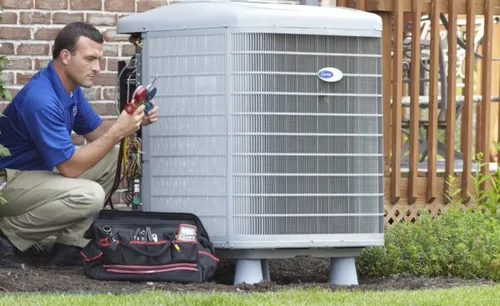
Precision Climate
45 Shadowbrook Rd, Mt Holly, NC 28120
Precision Climate is an HVAC company serving Charlotte, NC, specializing in repair and installation of air conditioning, furnaces, heat pumps, boilers, mini splits, and geothermal heat pumps. With over 25 years of experience, they provide comprehensive HVAC tune-up services to maintain system efficiency and comfort.
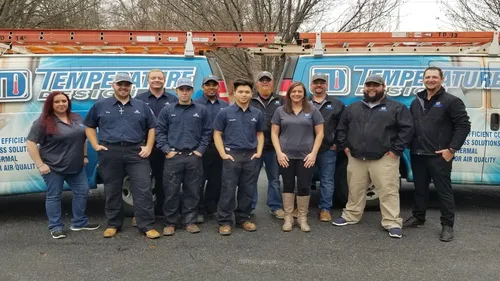
Temperature Design
754 Oakridge Farm Hwy, Mooresville, NC 28115
Temperature Design is an HVAC company based in Charlotte, NC, serving Lake Norman and surrounding areas. They provide installation, repair, and maintenance services for heating and cooling systems including heat pumps, furnaces, air conditioners, mini splits, and geothermal systems. The company also specializes in indoor air quality solutions such as electronic air cleaners, humidification, dehumidification, and fresh air ventilation systems. Temperature Design is known for working on both residential and commercial projects and supports newer, sophisticated equipment models. Their technicians receive ongoing training to maintain technical expertise and service quality.
Dulin Mechanical Services, Inc.
1551 Morrison Rd, Concord, NC 28025
Dulin Mechanical Services, Inc. is an HVAC company serving Charlotte, NC, and surrounding areas. They provide a wide range of residential and commercial heating and cooling services, including air conditioning repair, furnace repair, heat pump installation, geothermal heat pump services, and HVAC tune-ups. The company has been operating since 1962, offering experienced technicians skilled in handling various HVAC systems with a focus on energy conservation and environmental care. Their service approach is personalized to meet individual customer needs, aiming for comfort and convenience.
How Geothermal Systems Work in Kannapolis
The core principle behind a geothermal heating and cooling system is remarkably simple: it uses the earth as a thermal battery. Just a few feet below the surface in Kannapolis, the ground maintains a nearly constant temperature of approximately 55°F year-round. This stability is the system's secret weapon.
In the winter, when outside air temperatures drop, the ground is relatively warmer. A geothermal system circulates a water-based fluid through a loop of pipes buried in your yard. This fluid absorbs the earth's gentle heat and carries it to an indoor heat pump unit. The heat pump then concentrates this thermal energy and distributes warm air throughout your home via your ductwork 1.
The process reverses in the summer. The indoor heat pump extracts heat from your home's air and transfers it to the fluid in the underground loop. The 55°F earth then acts as a heat sink, efficiently dissipating the warmth and returning cooled fluid to cool your home. This elegant exchange of heat with the ground, rather than the outside air, is what makes geothermal technology so efficient.
Types of Ground Loop Systems
The underground pipe network, or ground loop, is the heart of the system. The right type for your Kannapolis property depends on your soil conditions, land availability, and budget. There are two primary categories: closed-loop and open-loop systems.
Closed-Loop Systems
This is the most common and versatile configuration for residential properties. A sealed loop of high-density polyethylene pipe is buried and filled with an environmentally safe antifreeze and water mixture that continuously circulates.
- Horizontal Closed Loops: These are installed in trenches typically about six feet deep. This option requires a larger amount of land area but is often more cost-effective for properties with ample space, as trenching is generally less expensive than drilling 2 3.
- Vertical Closed Loops: For homes with smaller yards, vertical loops are the ideal solution. Pipes are inserted into boreholes drilled 150 to 400 feet deep and then grouted in place. While the drilling cost is higher, this method causes minimal disruption to your landscape and is excellent for rocky soil 4.
Open-Loop Systems
An open-loop system uses groundwater directly from a well as the heat exchange fluid. It pumps water from an aquifer, runs it through the heat pump, and then discharges it to a second well, a pond, or a drainage field 5 6. This can be a lower-cost installation if a suitable water source is available, but it requires a significant, clean water supply and is subject to more stringent permitting from the North Carolina Department of Environmental Quality (NC DEQ) 7 6.
The Geothermal Installation Process
Installing a ground-source heat pump is a significant project that requires careful planning and professional execution. Here's what Kannapolis homeowners can generally expect.
- Site Evaluation and Design: A certified installer will assess your property, including soil composition, land size, and existing ductwork. This evaluation determines the best loop type and calculates the necessary system size (in tons) to heat and cool your home efficiently.
- Permitting: Before any digging begins, your installer will secure the required permits. In North Carolina, the installation of ground loops, especially open-loop systems, is regulated by the NC DEQ to protect groundwater resources.
- Ground Loop Installation: This is the major excavation phase. For a horizontal system, a backhoe will dig long trenches in your yard. For a vertical system, a drilling rig will create the necessary boreholes. While this stage can be disruptive, a professional crew will work to minimize the impact and restore your property afterward.
- Indoor Unit Installation: The geothermal heat pump unit itself is installed inside your home, typically in a basement, utility room, or garage. It connects to the underground loop and to your home's existing ductwork or a new air distribution system.
- System Startup and Testing: Once everything is connected, the system is charged, pressurized, and tested to ensure it operates at peak efficiency and delivers consistent comfort.
Find the perfect geothermal heat pump contractors for your needs
Get personalized recommendations and expert advice
Understanding Costs and Long-Term Savings
The upfront investment for a geothermal system in Kannapolis is higher than for a conventional air-source heat pump or furnace. This cost includes the indoor heat pump unit and the labor-intensive ground loop installation. Total installed costs can range widely, often between $20,000 and $40,000, depending on system size, loop type, and site conditions 8.
However, the operational savings are where geothermal technology truly shines. By leveraging the earth's constant temperature, these systems can reduce your energy consumption for heating and cooling by up to 65% compared to standard systems 9 10. This dramatic cut in your monthly utility bills means the system often pays for itself over time.
The payback period depends on your current energy costs, the system installed, and available financial incentives. Homes with high existing heating and cooling bills or new construction projects often see the fastest return on investment. With a lifespan of 20-25 years for the indoor unit and 50+ years for the underground loops, a geothermal system provides decades of reliable service and savings 11.
Incentives and Rebates for North Carolina Residents
While specific state tax credits for geothermal in North Carolina have expired, homeowners can still leverage other financial incentives to help manage the initial cost.
- Federal Tax Credit: The federal government offers a residential energy efficiency tax credit for qualified geothermal heat pump installations. It's crucial to check the current IRS guidelines for the exact percentage and eligibility requirements at the time of your purchase 12.
- Utility Rebates: Some local utility companies in the Carolinas offer rebates or special loan programs for customers who install high-efficiency geothermal systems. Contacting your electricity provider is a recommended step to explore potential local savings.
Choosing the Right System for Your Home
Selecting a geothermal system isn't a one-size-fits-all decision. Key considerations include:
- Property Characteristics: Do you have ample land for horizontal trenches, or does a vertical borefield make more sense? Is there a viable water source for an open-loop system?
- Home Size and Insulation: An accurate heating and cooling load calculation is essential to size the system correctly. A properly insulated home will require a smaller, less expensive system.
- Existing Infrastructure: The condition of your ductwork will be evaluated. In some cases, upgrades or modifications may be recommended to ensure optimal airflow and efficiency.
- Long-Term Goals: Are you planning to stay in your home long enough to realize the full payback from energy savings? Geothermal systems add value to a property and are a premium feature for future buyers.
Frequently asked questions
Sources
Footnotes
-
How does a geothermal heat pump work? - ClimateMaster - https://www.climatemaster.com/news/more-frequently-asked-questions/2018-07-11-how-does-a-geothermal-heat-pump-work ↩
-
How Geothermal Heat Pumps Work - https://www.youtube.com/watch?v=XxlTnBukweI&t=37 ↩
-
Geothermal Heat Pumps - EnergySmart CNY - https://www.energysmartcny.org/heat-pumps/geothermal/ ↩
-
Geothermal Heat Pump Installation: What To Expect For Your Property - https://jomory.com/geothermal-heat-pump-installation-what-to-expect-for-your-property/ ↩
-
Geothermal Heat Pumps - Department of Energy - https://www.energy.gov/energysaver/geothermal-heat-pumps ↩
-
Geothermal Heat Pumps - NC Sustainable Energy Association - https://www.energync.org/clean-energy-101/geothermal-heat-pumps/ ↩ ↩2
-
Geothermal Heating and Cooling | NC DEQ - https://www.deq.nc.gov/about/divisions/water-resources/groundwater-resources/injection-wells-uic-program/geothermal-heating-and-cooling ↩
-
Geothermal Heat Pump Guide: Installation Costs, Types And Benefits - https://modernize.com/hvac/heating-repair-installation/heat-pump/geothermal ↩
-
5 Things You Should Know about Geothermal Heat Pumps - https://www.energy.gov/cmei/articles/5-things-you-should-know-about-geothermal-heat-pumps ↩
-
Geothermal Heat Pumps - Carolina Country - https://www.carolinacountry.com/story/geothermal-heat-pumps-2 ↩
-
All You Need to Know About Home Geothermal Heating & ... - https://dandelionenergy.com/all-you-need-to-know-about-home-geothermal-heating-cooling ↩
-
Guide to Geothermal Heat Pumps - https://www.energy.gov/sites/prod/files/guide_to_geothermal_heat_pumps.pdf ↩