Find the Best Geothermal Heat Pump Contractors for Your Business
No obligation • Fast responses • Nationwide coverage

Why you can trust HVAC Firms
HVAC Firms is a leading United States resource for evaluating HVAC service providers. Our team researches companies, checks credentials, and reviews customer feedback to present clear, unbiased information. Listings and rankings are based on merit, and companies cannot pay to change our editorial content.
Search providers near you
Top Geothermal Heat Pump Contractors in Huntersville, North Carolina Ranked
A geothermal heat pump, also known as a ground-source heat pump, is a highly efficient system that uses the Earth's stable underground temperature to heat and cool your home. For Huntersville residents, this technology offers a path to significant energy savings and reduced environmental impact. This guide explains how these systems work, what installation entails, and how you can find qualified local professionals to assess your property and provide a quote.
Air One Cooling & Heating, LLC
16507-A Northcross Dr #107, Huntersville, NC 28078
Air One Cooling & Heating, LLC is an HVAC company based in Charlotte, NC, providing residential and commercial heating and air conditioning services. They offer installation, replacement, maintenance, and repair for systems including air conditioners, heat pumps, furnaces, boilers, geothermal systems, and ductless mini splits. As a certified Preferred Partner of Piedmont Natural Gas and a Trane dealer, they provide expertise in indoor air quality products and emergency service available 24/7. The company is known for customized solutions and extended service agreements to maintain system efficiency.
Monarch Air, Heat & Geothermal
9131 Dixie River Rd, Charlotte, NC 28278
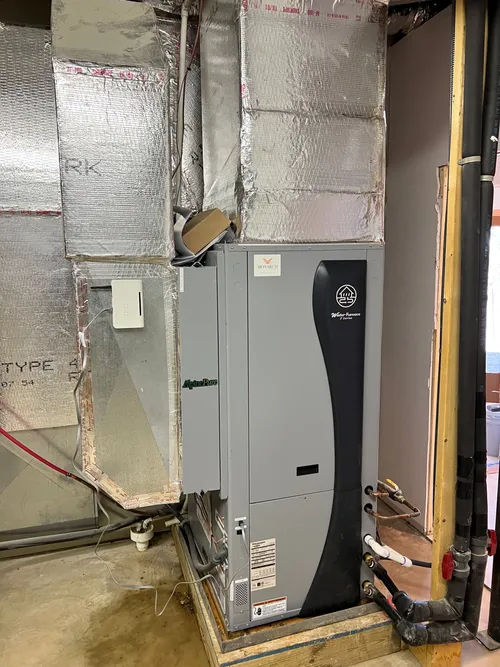
Monarch Air, Heat & Geothermal is a locally owned HVAC company based in Charlotte, NC, specializing in heating, cooling, and geothermal systems. They provide a full range of services including installation, repair, and maintenance for air conditioners, furnaces, heat pumps, and geothermal systems. Their expertise includes designing and installing high-performance geothermal systems that use stable underground temperatures to efficiently heat and cool homes. Monarch serves both homeowners and builders with customized solutions and manages projects from system design through ongoing service. With over 20 years of experience, they focus on sustainable and energy-efficient HVAC solutions.
Precision Climate
45 Shadowbrook Rd, Mt Holly, NC 28120
Precision Climate is an HVAC company serving Charlotte, NC, specializing in repair and installation of air conditioning, furnaces, heat pumps, boilers, mini splits, and geothermal heat pumps. With over 25 years of experience, they provide comprehensive HVAC tune-up services to maintain system efficiency and comfort.
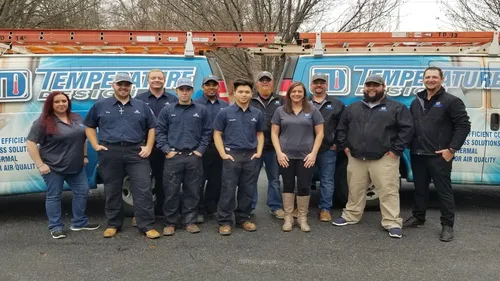
Temperature Design
754 Oakridge Farm Hwy, Mooresville, NC 28115
Temperature Design is an HVAC company based in Charlotte, NC, serving Lake Norman and surrounding areas. They provide installation, repair, and maintenance services for heating and cooling systems including heat pumps, furnaces, air conditioners, mini splits, and geothermal systems. The company also specializes in indoor air quality solutions such as electronic air cleaners, humidification, dehumidification, and fresh air ventilation systems. Temperature Design is known for working on both residential and commercial projects and supports newer, sophisticated equipment models. Their technicians receive ongoing training to maintain technical expertise and service quality.
Dulin Mechanical Services, Inc.
1551 Morrison Rd, Concord, NC 28025
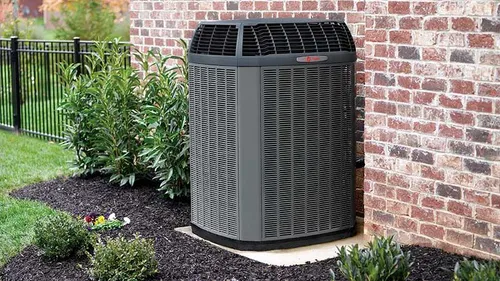
Dulin Mechanical Services, Inc. is an HVAC company serving Charlotte, NC, and surrounding areas. They provide a wide range of residential and commercial heating and cooling services, including air conditioning repair, furnace repair, heat pump installation, geothermal heat pump services, and HVAC tune-ups. The company has been operating since 1962, offering experienced technicians skilled in handling various HVAC systems with a focus on energy conservation and environmental care. Their service approach is personalized to meet individual customer needs, aiming for comfort and convenience.
How a Geothermal System Works
Unlike traditional air-source heat pumps that exchange heat with the outside air, a geothermal system uses the ground as its heat source in winter and its heat sink in summer. The Earth's temperature a few feet below the surface remains relatively constant year-round-around 50-60°F in North Carolina-providing a highly efficient medium for heat exchange 1 2.
The process involves three main components:
- Ground Loop: A network of pipes, called a ground loop, is buried in your yard. A water-based solution circulates through these pipes, absorbing the Earth's consistent thermal energy.
- Heat Pump Unit: This fluid is pumped to an indoor geothermal heat pump unit. In heating mode, the unit concentrates the absorbed heat and transfers it to your home. In cooling mode, the process reverses, extracting heat from your home and depositing it into the cooler ground loop 3.
- Distribution System: The conditioned air is distributed throughout your home via your existing ductwork or a hydronic (water-based) system.
This elegant process is why geothermal heating and cooling systems can achieve efficiencies 300-600% higher than conventional systems, leading to substantial utility bill reductions.
Types of Ground Loop Systems for Huntersville Homes
The design of the underground loop field is critical and depends on your property's characteristics. The main types of closed-loop systems are:
Closed-Loop Vertical System This is the most common choice for homes in Huntersville with smaller lots. Contractors use a drilling rig to bore holes typically 150 to 400 feet deep. U-shaped pipes are inserted into each borehole, which are then grouted. Vertical systems require less land area but involve a more complex and lengthy drilling process, often taking 3-5 days.
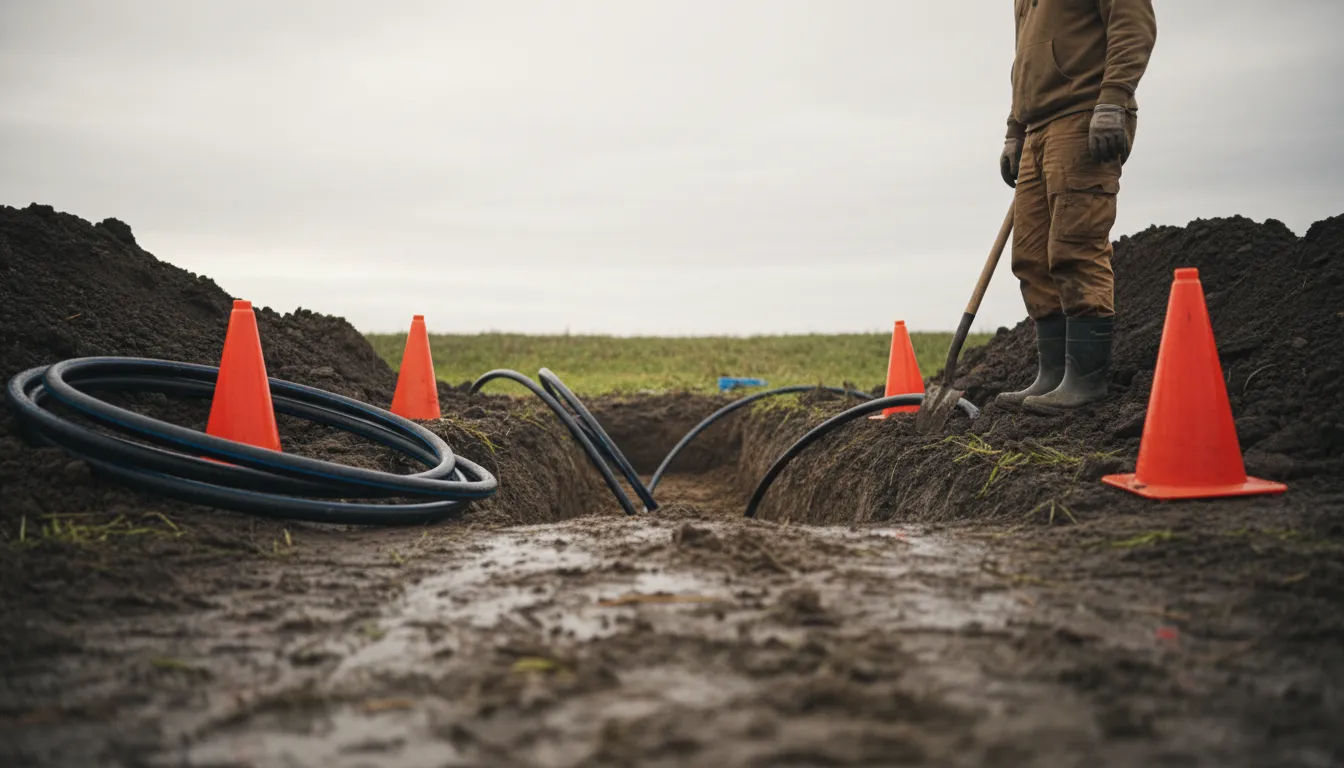
Closed-Loop Horizontal System If you have ample, clear land, a horizontal loop may be an option. Trenches are dug about 4 to 6 feet deep, and pipes are laid in a series of parallel runs or slinky coils. This method generally has a lower installation cost than vertical drilling but requires significantly more land area 4 5.
Pond/Lake Loop System For properties with a suitable, deep pond or lake, this can be a very cost-effective option. Coils of pipe are submerged at a depth where water temperatures remain stable. This system avoids the need for drilling or extensive trenching, but it requires a body of water that meets specific volume, depth, and quality criteria 6 7.
Open-Loop System This system uses groundwater directly from a well as the heat exchange fluid. After passing through the heat pump, the water is discharged back into a second well, a pond, or a stream in accordance with regulations. While potentially very efficient, open-loop systems require an adequate supply of clean water and are subject to strict permitting from the NC Department of Environmental Quality (DEQ) to protect groundwater resources.
The Installation Process: What to Expect
Installing a geothermal system is a major project that requires specialized expertise. Understanding the steps can help you prepare.
- Site Evaluation and Design: A qualified installer will assess your property, including soil composition, land availability, and your home's heating and cooling loads. This evaluation determines the best loop type and size for optimal efficiency.
- Permitting: In North Carolina, the installation of geothermal boreholes is regulated by the NC DEQ's Groundwater Resources section to prevent groundwater contamination. Your installer should handle securing the necessary permits.
- Loop Field Installation: For a vertical system, a drilling rig will create the boreholes. For a horizontal system, a backhoe will dig the trenches. This is the most visually disruptive phase of the project.
- Indoor Unit Installation: The geothermal heat pump unit is installed inside your home, typically in a basement, utility room, or garage. It connects to your existing ductwork.
- Connection and Testing: The ground loops are connected to the indoor unit, the system is filled with fluid, and all components are thoroughly tested for performance and leaks.
Find the perfect geothermal heat pump contractors for your needs
Get personalized recommendations and expert advice
Costs, Savings, and Financial Incentives
The upfront investment for a geothermal heat pump system is higher than for a conventional HVAC system, but the long-term operational savings are substantial.
Installation Cost Range For a typical Huntersville home, a complete geothermal system installation can range from $20,000 to $50,000 or more. The final price depends heavily on the loop type (vertical drilling is more expensive than horizontal trenching), the size of your home, the soil conditions, and the equipment brand.
Annual Energy Savings The primary financial benefit comes from dramatically lower utility bills. Homeowners can expect to save 50-70% on heating costs and 40-50% on cooling costs compared to conventional electric resistance heating and standard air conditioning 8 9 10. These savings can amount to $1,000 or more per year, depending on local energy rates and your home's efficiency.
Payback Period and Incentives The "payback period"-the time it takes for energy savings to recoup the installation premium-typically falls between 4 and 15 years. This timeline can be shortened significantly by available financial incentives:
- Federal Tax Credit: A federal residential energy efficiency tax credit of 30% of the total installed cost is available through 2032 11 12. This can reduce your net cost by thousands of dollars.
- Utility Rebates: Some local electric cooperatives and utilities may offer additional rebates for installing geothermal systems. It's worth checking with providers in the Huntersville area.
Benefits Beyond Savings
While cost savings are a major driver, geothermal heat pumps offer other compelling advantages:
- Durability and Longevity: The underground loop piping often carries warranties of 25-50 years and can last generations. The indoor heat pump unit typically lasts 20+ years, significantly longer than conventional outdoor condensers.
- Quiet Operation: Since there is no loud outdoor condenser unit fighting against outside air temperatures, geothermal systems operate very quietly.
- Low Maintenance: With most components protected indoors or underground, these systems require less routine maintenance than traditional HVAC systems.
- Comfort: Geothermal systems provide exceptionally consistent temperatures and better humidity control than forced-air systems, eliminating hot and cold spots.
- Environmental Impact: By using renewable thermal energy from the ground and electricity, these systems drastically reduce your home's carbon footprint associated with heating and cooling.
Is Geothermal Right for Your Huntersville Home?
A geothermal system is an excellent long-term investment for many homeowners, but it's not the perfect fit for every property. Ideal candidates often own their homes long enough to realize the full payback, have a suitable lot for a loop field (or access to a pond), and are planning to replace an aging or inefficient HVAC system. Consulting with a reputable local installer for a detailed site assessment is the essential first step.
Frequently asked questions
Sources
Footnotes
-
Geothermal Heat Pumps | WBDG - https://www.wbdg.org/resources/geothermal-heat-pumps ↩
-
Clean Energy 101: Geothermal Heat Pumps - RMI - https://rmi.org/clean-energy-101-geothermal-heat-pumps/ ↩
-
How Geothermal Heat Pumps Work - https://www.youtube.com/watch?v=XxlTnBukweI&t=37 ↩
-
Geothermal Heat Pumps - NC Sustainable Energy Association - https://www.energync.org/clean-energy-101/geothermal-heat-pumps/ ↩
-
Geothermal heat pumps: The ultimate guide to ground-source ... - https://termo-plus.com/blog/geothermal-ultimate-guide-to-ground-source-heat-pumps/ ↩
-
Geothermal Heating and Cooling | NC DEQ - https://www.deq.nc.gov/about/divisions/water-resources/groundwater-resources/injection-wells-uic-program/geothermal-heating-and-cooling ↩
-
How to Choose the Right System for Your Home - Morrison Inc. - https://morrisongeothermal.com/how-to-choose-the-right-system-for-your-home/ ↩
-
Geothermal Heat Pump Installation: What To Expect For Your ... - https://jomory.com/geothermal-heat-pump-installation-what-to-expect-for-your-property/ ↩
-
How Does A Geothermal Heat Pump Work? Complete 2025 Guide - https://solartechonline.com/blog/how-does-geothermal-heat-pump-work/ ↩
-
Everything You Need to Know About Geothermal Heat Pumps - https://www.familyhandyman.com/article/everything-you-need-to-know-about-geothermal-heat-pumps/ ↩
-
Geothermal Heat Pump Guide: Installation Costs, Types And Benefits - https://modernize.com/hvac/heating-repair-installation/heat-pump/geothermal ↩
-
Geothermal Heat Pumps - Carolina Country - https://www.carolinacountry.com/story/geothermal-heat-pumps-2 ↩