Find the Best Indoor Air Quality Service Providers for Your Business
No obligation • Fast responses • Nationwide coverage

Why you can trust HVAC Firms
HVAC Firms is a leading United States resource for evaluating HVAC service providers. Our team researches companies, checks credentials, and reviews customer feedback to present clear, unbiased information. Listings and rankings are based on merit, and companies cannot pay to change our editorial content.
Search providers near you
Top Indoor Air Quality Service Providers in Texas City, Texas Ranked
The air you breathe inside your home or workplace has a direct impact on your health, comfort, and well-being. In Texas City, managing indoor air quality (IAQ) is particularly important due to the local climate and environment. This guide explains the common air quality concerns specific to the area, how to identify problems, and the solutions available from local specialists to help you create a cleaner, healthier indoor environment.
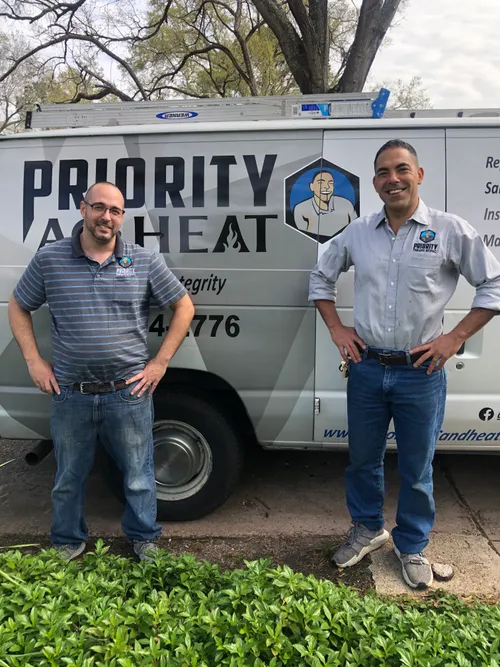
Priority AC & Heat
846 Wavecrest Ln, Houston, TX 77062
Priority AC & Heat is a family-owned HVAC company serving Houston, TX, and the greater Houston Bay Area since 2011. They offer a full range of air conditioning and heating services, including installation, repair, and maintenance for air conditioners, heat pumps, furnaces, and indoor air quality products. Their certified technicians provide 24-hour emergency repair services year-round, covering areas such as Alvin, Baycliff, Clear Lake, Deer Park, Friendswood, and more. One notable capability is their installation of the REME HALO whole home air purification system, which integrates with existing HVAC systems to reduce bacteria, mold, and viruses throughout the home.
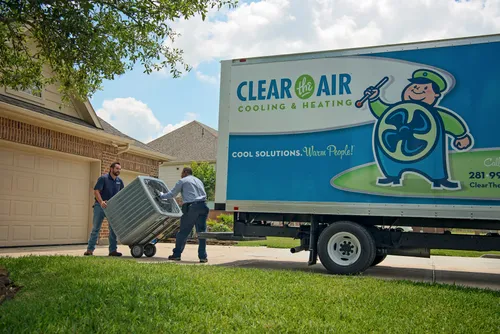
Clear the Air Cooling & Heating
1918 County Rd 130, Pearland, TX 77581
Clear the Air Cooling & Heating provides HVAC repair, installation, and maintenance services in Houston, TX. They offer air conditioning and furnace repair, HVAC tune-ups, thermostat installation, and indoor air quality services. The company serves Houston and surrounding areas including Pearland, Friendswood, Clear Lake City, Alvin, League City, Galveston, and Sugar Land. Clear the Air emphasizes keeping homes comfortable through Texas weather extremes with capabilities such as smart thermostat installation and regular system tune-ups. They have a team available on weekdays and weekends, including priority service options for holidays and weekends.
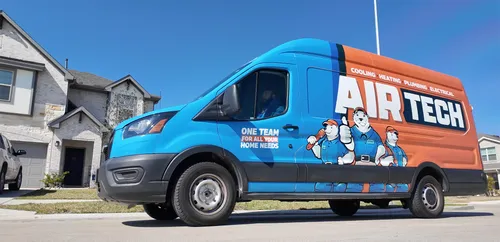
Air Tech of Pasadena - Miles Service
2915 Preston Ave, Pasadena, TX 77503
Air Tech of Pasadena - Miles Service is an HVAC, plumbing, and electrical company serving Houston, TX, and surrounding areas. They provide installation and repair services for air conditioning, furnaces, heat pumps, and indoor air quality systems. The company emphasizes customer satisfaction with guarantees on their work and energy savings. Air Tech of Pasadena is fully accredited by the BBB with an A+ rating and offers a range of services to improve home comfort and efficiency.

Braswell's Air Conditioning And Heating Services LLC
Stone Rd, Pearland, TX 77584
Braswell's Air Conditioning And Heating Services LLC is a locally owned and family-operated HVAC company serving Houston, TX, and nearby communities including Pearland. Since 1999, they have provided air conditioning and furnace installation, repair, and tune-up services. The company also offers indoor air quality solutions and preventative maintenance agreements to help keep HVAC systems running efficiently. Braswell's is known for installing systems tailored to customers' needs and offers emergency service availability.
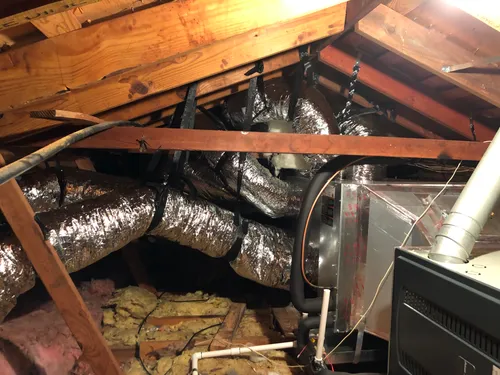
Victory Comfort Solutions
806 Ste h, Anders Ln on, Kemah, TX 77565
Victory Comfort Solutions provides cooling, heating, and indoor air quality services in Houston, TX. They handle installations, repairs, and tune-ups for AC units, mini-splits, furnaces, heat pumps, and package units. The company also offers geothermal repairs and specializes in air filtration, UV, and humidification systems to improve indoor air quality. Additionally, Victory Comfort Solutions works on HVAC retrofits for residential and commercial properties.
Understanding Texas City's Indoor Air Quality Challenges
Texas City's unique location and climate create a distinct set of challenges for maintaining clean indoor air. The high humidity levels prevalent throughout much of the year provide an ideal breeding ground for mold and mildew. Furthermore, the city's proximity to industrial areas along the Houston Ship Channel means that outdoor pollutants can more easily become indoor air quality issues 1. These factors combine to make proactive air quality management not just a matter of comfort, but of health for many residents and business owners.
Common Indoor Air Pollutants in Texas City Homes
Being aware of the specific contaminants is the first step toward cleaner air. Here are the most prevalent indoor air pollutants faced in Texas City:
- Mold and Mildew: Persistent high humidity encourages growth in damp areas like bathrooms, basements, around windows, and even within HVAC systems. Inhaling mold spores can trigger allergic reactions, asthma attacks, and other respiratory problems 2.
- Volatile Organic Compounds (VOCs): These gases are emitted from a wide array of common household products, including paints, varnishes, cleaning supplies, air fresheners, and new furniture or building materials 3. VOCs can cause headaches, dizziness, and long-term health issues with prolonged exposure 4.
- Particulate Matter and Outdoor Pollutants: Industrial activity and traffic can release pollutants like ozone, fine particulates, and specific chemicals such as formaldehyde into the outdoor air 5. These can infiltrate buildings through ventilation systems, open windows, and small cracks in the building envelope 6.
- Common Allergens: Dust mites, pet dander, and pollen are pervasive in the region. They accumulate in carpets, upholstery, bedding, and air ducts, causing ongoing irritation for those with allergies or asthma 7 8.
- Combustion Byproducts: Sources like unvented gas stoves, space heaters, fireplaces, and even vehicle exhaust from an attached garage can introduce carbon monoxide and nitrogen dioxide into the living space 9.
How to Test Your Indoor Air Quality
Identifying the specific problems in your space is crucial for implementing the right solutions. You have options ranging from initial self-checks to comprehensive professional analysis.
Do-It-Yourself (DIY) Monitoring A good starting point is using an inexpensive home air quality monitor or a specific test kit for pollutants like mold or radon. These kits, which can cost between $15 and $330, allow you to collect samples to send to a lab or get instant readings on certain parameters 10. While helpful for initial screening, a professional assessment is recommended if a problem is suspected or for definitive results.
Professional Assessment For accurate, reliable data, hiring a certified IAQ inspector, environmental consultant, or specialized HVAC professional is the best course of action. They use advanced, professional-grade equipment to conduct thorough testing, which may include:
- Basic screening for common pollutants and particulate levels.
- Comprehensive analysis for mold spores, a broad range of VOCs, and allergens.
- Specialized testing for hazards like asbestos, formaldehyde, or radon 11 12. Professional services are typically billed at an hourly rate of $75 to $150 or as a flat fee for specific tests 13.
Continuous Monitoring Modern smart air quality monitors offer real-time tracking of pollutants, humidity, and temperature, often syncing data to a smartphone app. These devices, ranging from about $260 to over $800 for advanced models, provide ongoing insight into your air quality trends and the effectiveness of your solutions 14.
Find the perfect indoor air quality service providers for your needs
Get personalized recommendations and expert advice
Solutions for Improving Indoor Air Quality
Once you understand your air quality profile, a range of solutions can address the issues. The right approach depends on the pollutants present and the specific needs of your building.
Air Purification Systems Portable air purifiers can clean the air in a single room, while whole-home air purification systems integrate directly with your HVAC system to clean air throughout the entire house. These systems are highly effective at removing particulates, allergens, and some gaseous pollutants. Installation for a whole-home system typically costs around $1,500.
Whole-Home Dehumidifiers Given Texas City's humidity, controlling moisture is often the most critical step in preventing mold growth. A whole-home dehumidifier, integrated with your HVAC system, actively removes excess moisture from the air. This is far more effective than portable units for protecting the entire structure. These systems generally cost between $3,000 and $4,300 to install.
Ventilation Systems Simply bringing in fresh outdoor air is a powerful way to dilute indoor pollutants. Energy Recovery Ventilators (ERVs) and Heat Recovery Ventilators (HRVs) are designed to introduce fresh air while simultaneously exhausting stale indoor air, recovering energy in the process to manage cooling and heating costs. Installing a balanced ventilation system like this typically ranges from $2,000 to $5,000 15.
Duct Cleaning and Sealing Over time, air ducts accumulate dust, debris, mold, and allergens. Professional duct cleaning removes this buildup, improving the cleanliness of the air circulating through your home. Sealing leaky ducts also prevents contaminated air from attics or crawl spaces from being drawn into the system.
Radon Mitigation If professional testing reveals elevated levels of radon gas-a colorless, odorless radioactive gas linked to lung cancer-a mitigation system is essential. A professional radon mitigation system, which vents the gas from beneath the home to the outside, typically costs between $700 and $1,200 or more to install 16.
Maintaining Healthy Indoor Air
Improving your air quality is an ongoing process. Regular maintenance of your HVAC system, including changing filters frequently (every 1-3 months), is fundamental. Using high-efficiency particulate air (HEPA) filters or pleated filters with a higher MERV rating can trap more allergens and dust. Controlling sources of pollution is also key: opt for low-VOC paints and cleaning products, ensure gas appliances are properly vented, and address water leaks immediately to prevent mold. Monitoring indoor humidity with a hygrometer and keeping it between 30% and 50% will significantly inhibit mold and dust mite growth.
Frequently asked questions
Sources
Footnotes
-
Indoor Air Quality FAQs - Houston - All Star AC, Plumbing & Electrical - https://allstarairtexas.com/indoor-air-quality-faqs/ ↩
-
Enhancing Indoor Air Quality Through HVAC Systems - https://texasairmechanical.com/enhancing-indoor-air-quality-through-hvac-systems/ ↩
-
Common Indoor Air Pollutants That May Be In Your Home - https://radiantplumbing.com/blog/common-indoor-air-pollutants-that-may-be-in-your-home/ ↩
-
VOC Emissions & Air Quality Formaldehyde Testing in Texas | All ... - https://allmoldpro.com/voc-mvoc-testing/ ↩
-
Texas Ozone Alerts Highlight Critical Indoor Air Quality Need - https://www.airoasis.com/blogs/articles/texas-ozone-alerts-highlight-critical-indoor-air-quality-need ↩
-
How Texas air quality monitoring fails Latino communities - https://www.texastribune.org/2024/03/14/texas-air-monitoring-tceq-cloverleaf-houston-ship-channel/ ↩
-
Signs Your Home's Indoor Air Quality Is Poor - https://www.airtechofpasadena.com/signs-your-homes-indoor-air-quality-is-poor/ ↩
-
Indoor Air Quality & Seasonal Changes_Ebook_Infinity Texas Air - https://www.infinitytxair.com/wp-content/uploads/2024/05/Indoor_Air_Quality___Seasonal_Changes_Ebook_Infinity_Texas_Air__1_.pdf ↩
-
Top Signs Your Indoor Air Quality Is Poor | AirSouth Cooling and Heating - https://www.airsouthnow.com/blog/air-conditioning-service/top-signs-your-indoor-air-quality-is-poor/ ↩
-
Google's Shopping Data - https://blog.google/products/shopping/shopping-graph-explained/ ↩
-
Expert Mold Inspections & Testing in Texas City, TX - https://awamoldinspections.com/service-areas/texas/texas-city/ ↩
-
Expert Indoor Air Quality Testing With MSE Environmental - https://msenational.com/indoor-air-quality ↩
-
How Much Does Professional Home Indoor Air Quality Testing Cost? - https://www.airpf.com/how-much-does-a-home-indoor-air-quality-testing-cost/ ↩
-
How Much Does Indoor Air Quality Testing Cost in Beaumont ... - https://thermaconservice.com/indoor-air-quality-testing-cost-in-beaumont/ ↩
-
How Much Do Indoor Air Quality Systems Cost? - https://www.callmattioni.com/blog/t-indoor-air-quality-systems-cost/ ↩
-
How Much Does Indoor Air Quality Testing Cost? [2026 Data] - https://www.angi.com/articles/how-much-does-indoor-air-quality-testing-cost.htm ↩